Reviewers present a highly mixed portrait of Sunrise Manor Nursing Home: many families and residents describe compassionate caregivers, effective rehabilitation and wound-care services, and a welcoming, recently renovated environment, while other accounts raise substantive operational and clinical concerns. Strengths most consistently noted include a skilled therapy team (physical and occupational therapy), attentive nursing leadership in some units, and supportive social work and admissions staff who facilitate transitions and insurance coordination. Several reviewers reported good outcomes tied to therapy and wound management, and many praised housekeeping, maintenance, and a family-like atmosphere in parts of the facility.
Care quality and staffing patterns appear variable. Positive accounts emphasize attentive, professional nurses and aides and thorough clinical follow-up; contrasting accounts describe long delays in nurse response, inconsistent availability of head nurses, and concerns about medication timing and documentation. Medication-administration and charting practices were specifically called out as inconsistent in multiple narratives, suggesting a pattern of process gaps rather than isolated errors. Some families also raised concerns following serious clinical incidents and resident deaths; these items contributed to broader concerns about clinical-incident response and family communication.
Dining and activities present a mixed picture. The recreation program is frequently praised for engaging, tailored activities that support morale and recovery. Dining feedback is inconsistent: several reviewers complimented cafeteria service and meal quality, while others described poor food consistency and limited options for residents with dietary needs such as diabetes. Discharge planning and follow-up were also cited as uneven, with some families noting smooth transitions and others describing coordination gaps at discharge.
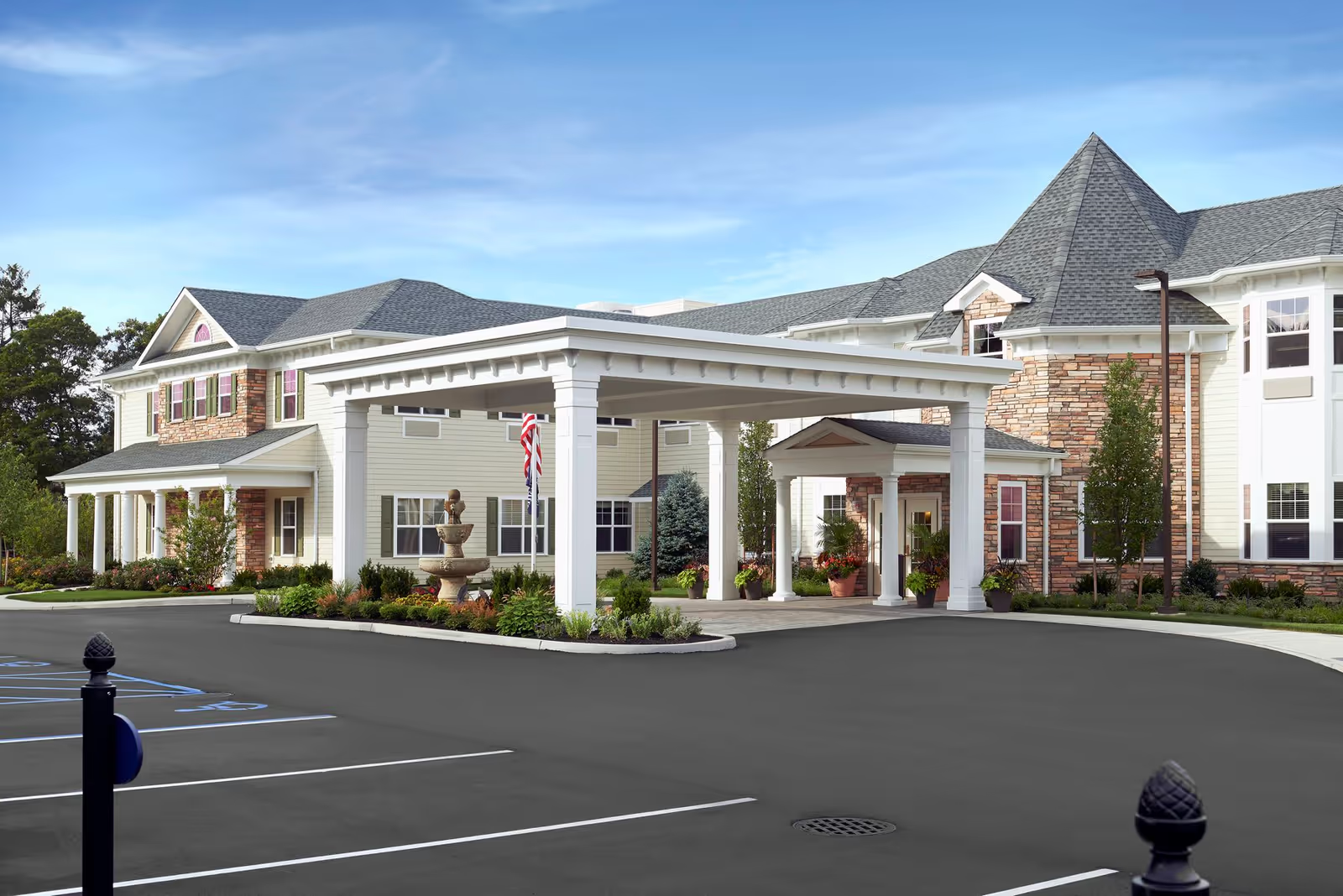
Facility condition and safety show contrasts across reviews. Many commenters noted clean, bright, and recently updated spaces with comfortable rooms, while others described interior areas that felt rundown and raised sanitation or odor concerns in certain areas. Multiple reviews referenced equipment problems (for example, assistive devices or beds needing maintenance), indicating the need for reliable equipment-inspection and maintenance processes. These equipment and sanitation items intersect with safety concerns when they affect mobility or skin integrity.
Management and operational oversight draw both praise and criticism. Several reviewers singled out effective, approachable administrators and a supportive director of nursing and social-work leaders; others described poor communication, inconsistent staff conduct (including reports of rude or inattentive behavior), and problems with billing or property handling. There are also mentions of regulatory attention and allegations of financial mishandling in a limited number of accounts, which underscore the importance of reviewing recent inspection reports and asking facility leadership about corrective actions.
Overall pattern: experiences appear polarized—many families report excellent rehabilitation outcomes, strong wound care, and compassionate day-to-day care, while a meaningful subset reports recurring operational issues (staffing variability, medication and documentation gaps, sanitation inconsistencies, equipment maintenance, and billing/administrative concerns). Prospective residents and families would be well served to tour the facility in person, inquire about current staffing ratios, medication-administration and equipment-maintenance policies, dietary accommodations, recent inspection results, and the facility’s approach to incident reporting and family communication prior to admission.