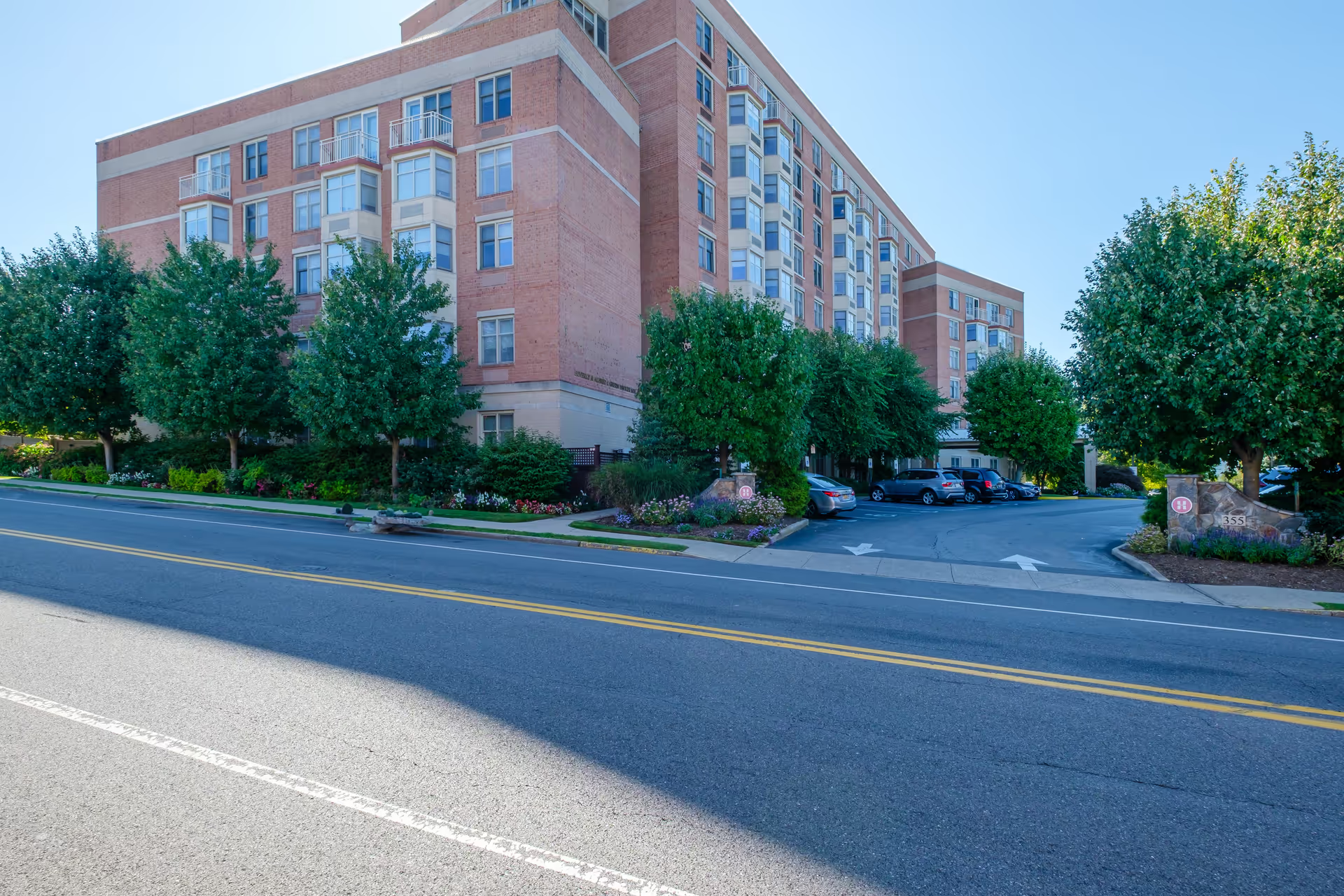
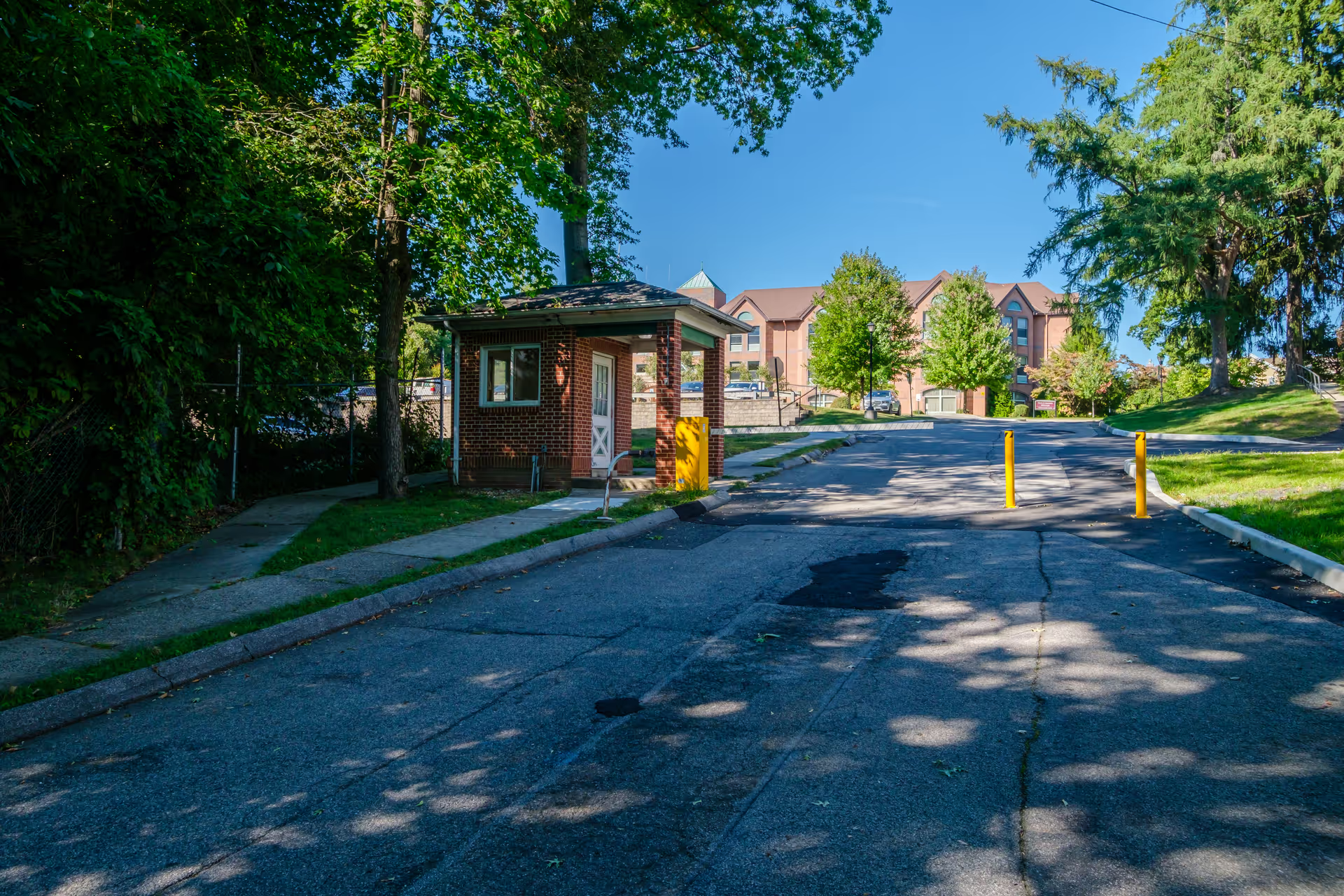
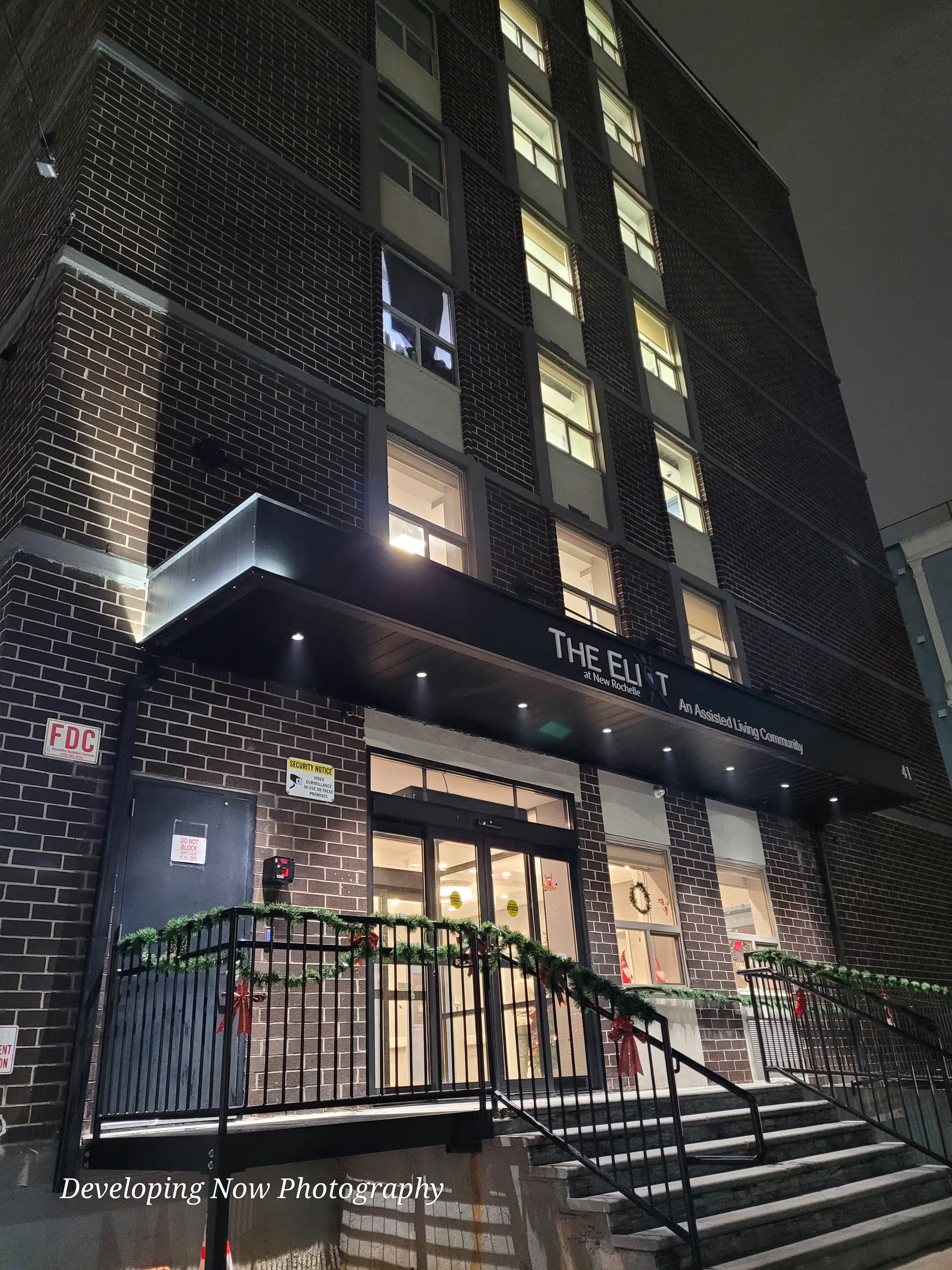
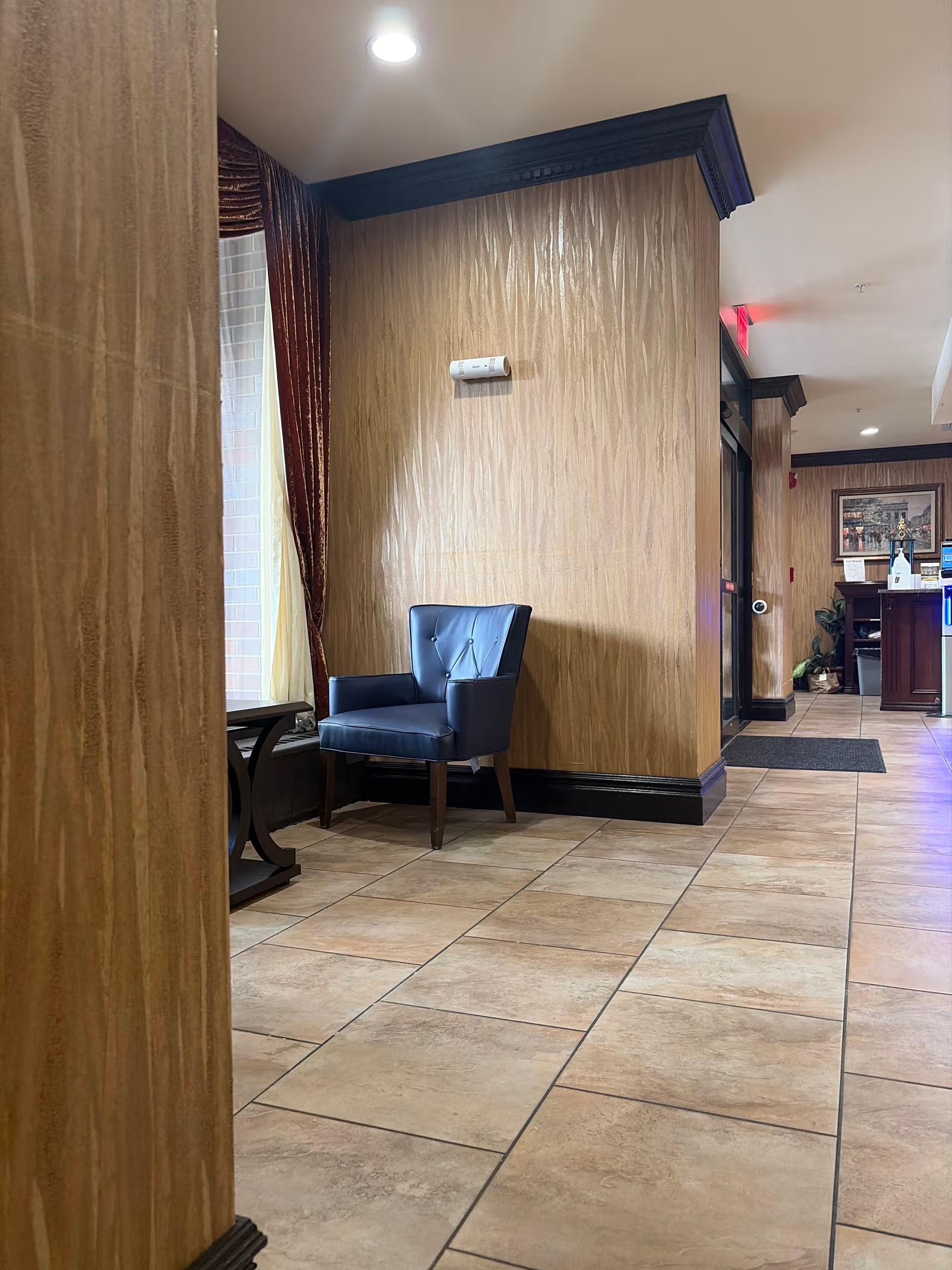
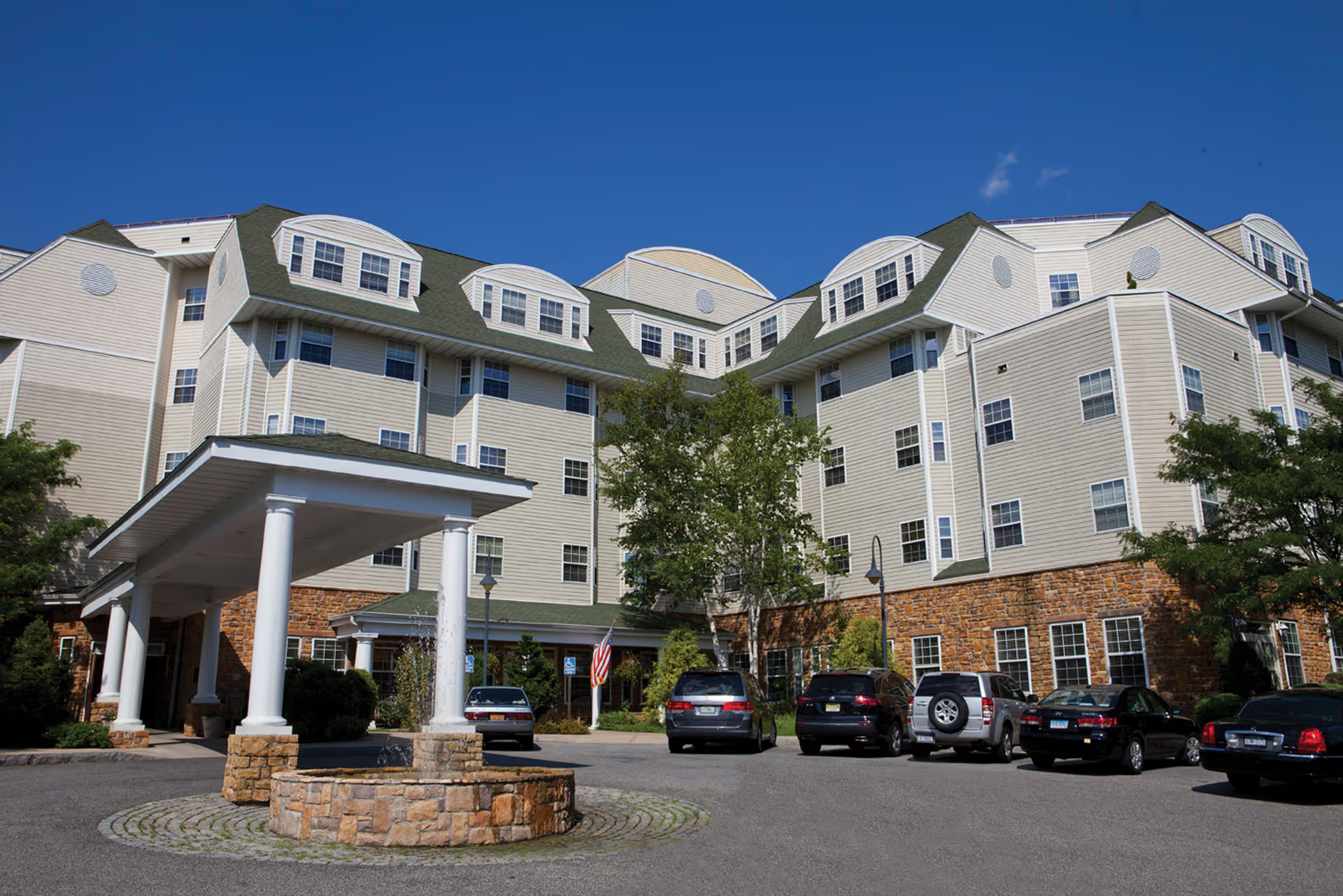
Reviews of Eastchester Rehab & Health present a polarized portrait: many families and residents praise the caregiving and rehabilitation teams, while others raise significant operational concerns. The facility receives consistent positive feedback for its hands-on clinical and therapy staff — particularly CNAs, nurses, and therapists across physical, occupational, speech and respiratory disciplines — who are credited with measurable functional improvement, successful short-term rehab outcomes, and supportive assistance that helped residents regain mobility. Social work and admissions personnel are frequently cited as proactive and helpful, and several accounts highlight a responsive leadership presence, family-friendly events, and active recreation programming (barbeques, games, movies, music) that contribute to a lively community atmosphere.
Dining and hospitality are commonly described as strengths: reviewers note varied menus, accommodating refreshments, and special-event meals. Housekeeping and cleanliness receive strong commendation in many areas, with renovated spaces and well-maintained common areas singled out for praise. Multiple reviewers also emphasize positive reception staff and an approachable administrative team that listens to concerns and facilitates family involvement.
Counterbalancing those positives are recurring operational weaknesses. Clinical oversight for residents with complex needs — notably diabetes management, infection monitoring, and wound/skin care — is described as inconsistent, and a number of accounts indicate delays in clinical response or transfers to higher-level care. Staffing shortages are another dominant theme, linked to slower response times, uneven coverage across shifts, and variability in the tone and professionalism of front-line staff. Relatedly, several reviews identify uneven sanitation and housekeeping between units (clean and renovated areas versus units with maintenance or odor concerns), and aging infrastructure issues such as plumbing or air-conditioning problems and broken furnishings are described.
Additional patterns include gaps in care coordination around room assignments, transfers, and discharge planning; weaknesses in dietary- and medication-administration controls (including allergy handling and blood-glucose monitoring); and concerns about property security and financial controls, which are characterized in some reviews as allegations of theft or improper billing. Communication with families is described as excellent by many but inconsistent by others, contributing to a sense that experiences can vary substantially depending on unit, shift, or individual staff members.
Overall, Eastchester appears to provide strong rehabilitative and interpersonal care in multiple instances, supported by active programming and a leadership presence that some families find responsive. Prospective residents and families should weigh these positive service elements against reported inconsistencies in clinical oversight, staffing reliability, housekeeping uniformity, infrastructure condition, and administrative controls. When considering placement, requests for unit-specific tours, clarification of staffing ratios, documentation of clinical protocols for complex conditions (diabetes, infection control, wound care), and inquiry into property/security and billing practices would help clarify whether the facility’s strengths align with an individual resident’s needs.