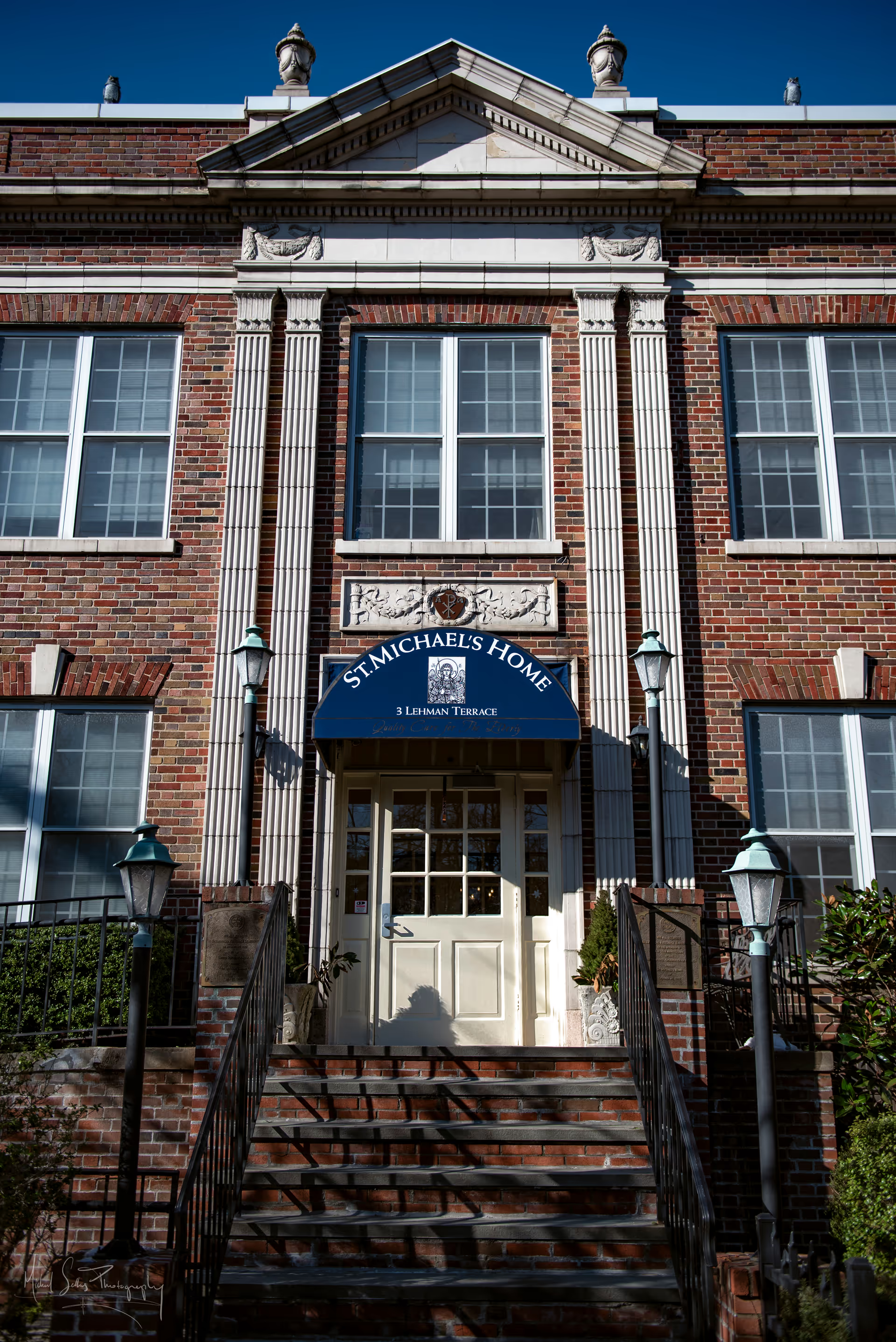
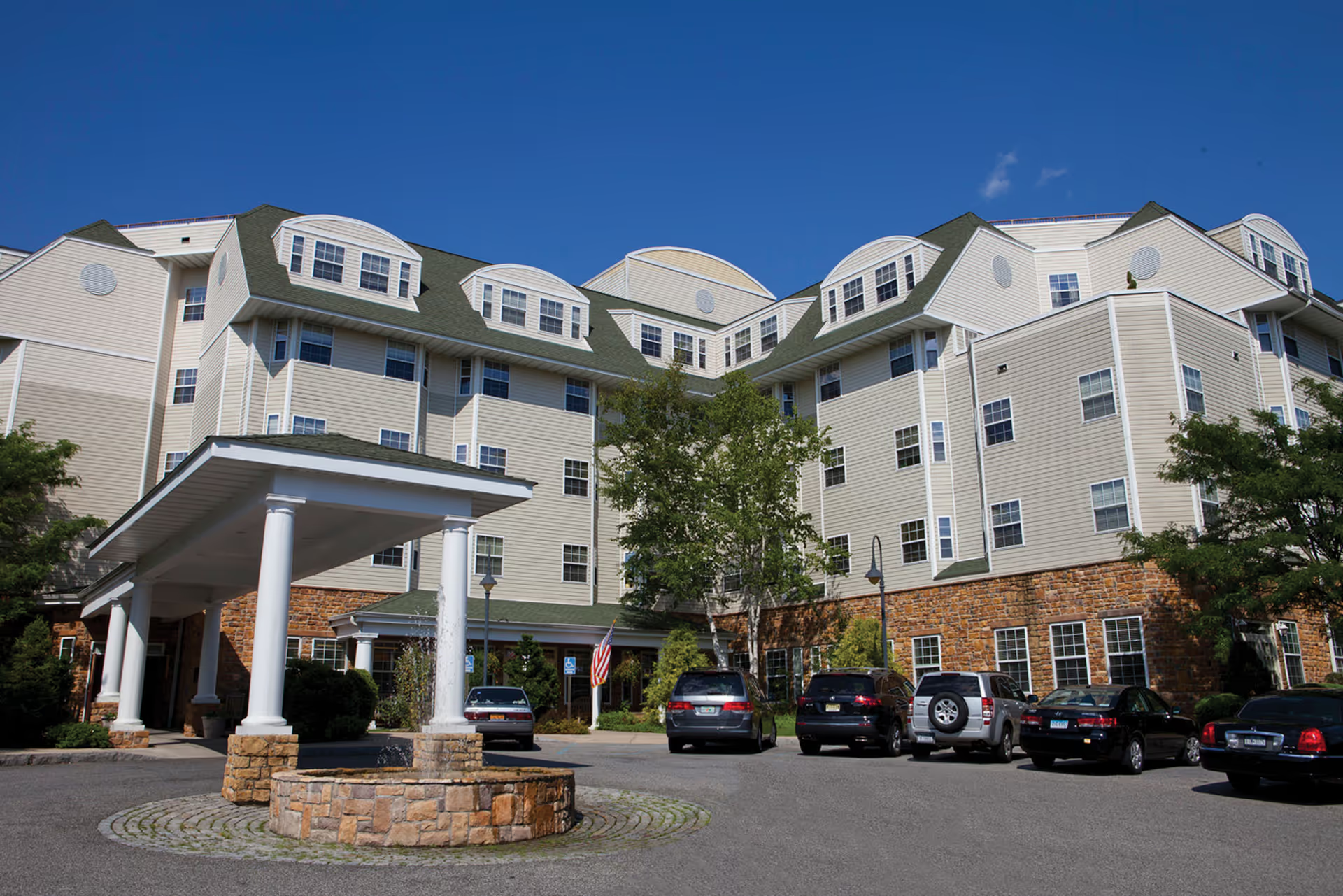
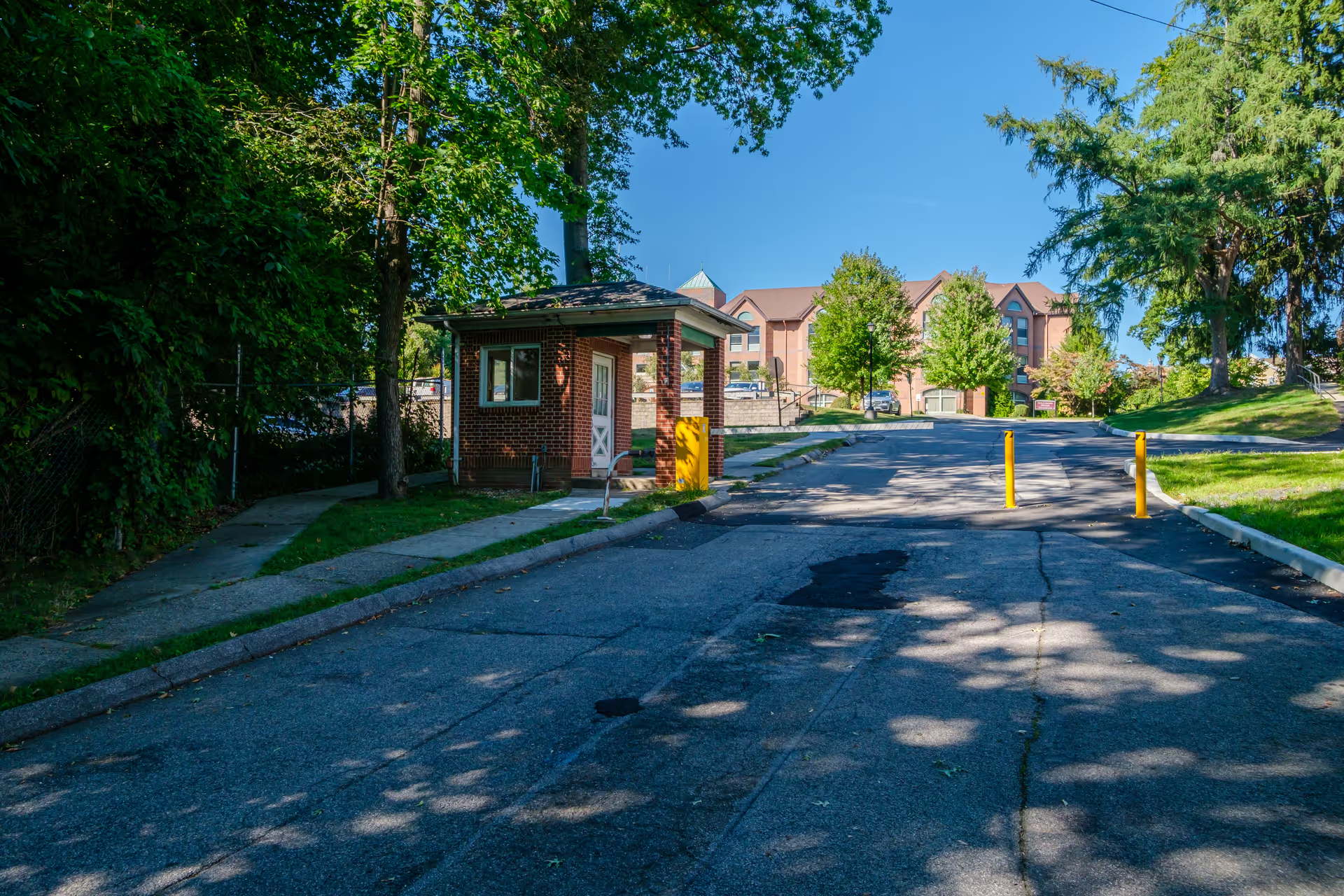
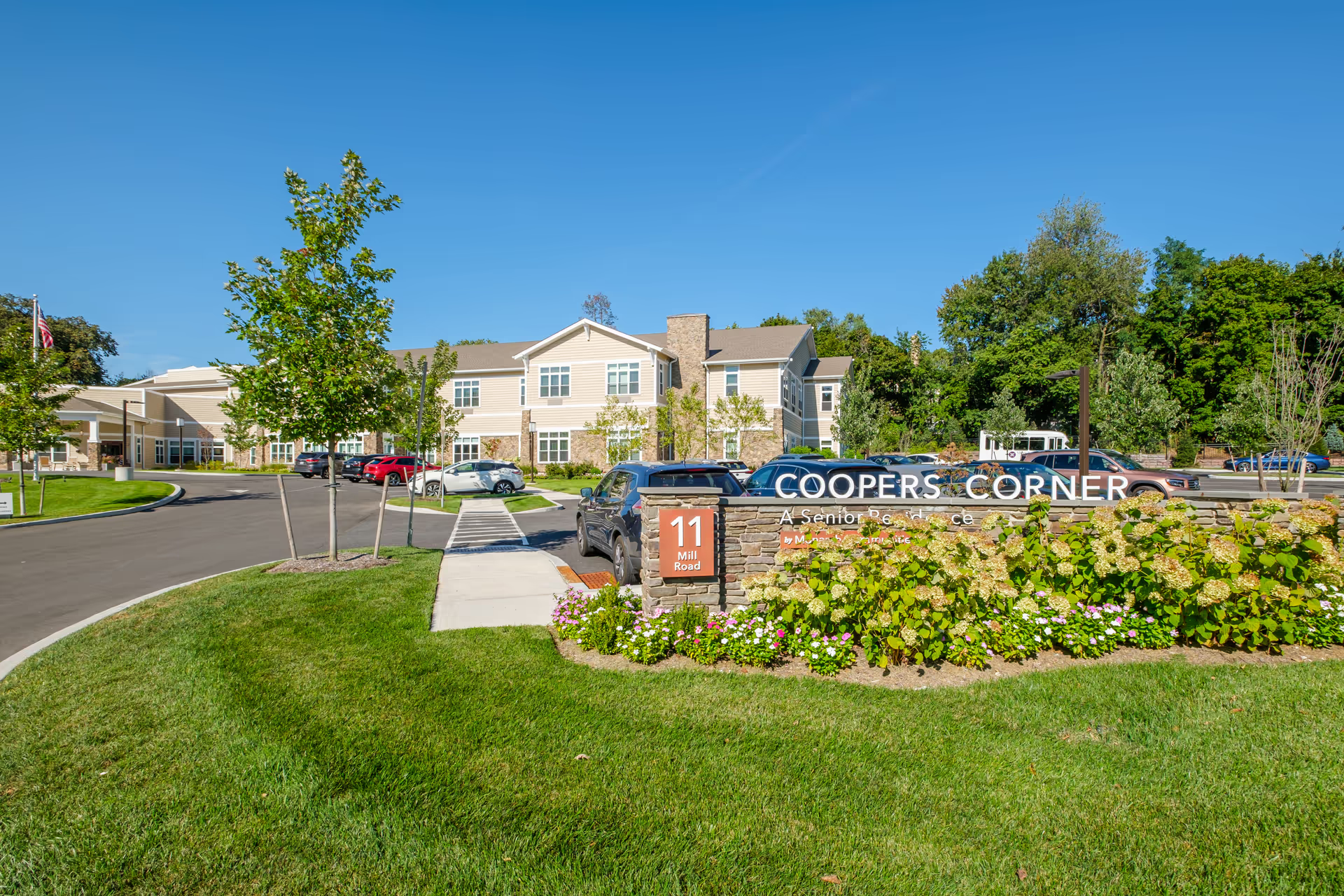
The reviews present a polarized picture of Westchester Center for Independent & Assisted Living. Many families and residents describe a warm, home-like atmosphere supported by compassionate and attentive direct-care staff, a helpful admissions team, responsive maintenance and housekeeping, and an active recreation program. Positive accounts emphasize a family-style social environment, varied programming and outings, well-kept common areas and spacious rooms, and helpful case-management and therapy services that supported transitions and periods of decline.
At the same time, a number of operational and clinical concerns recur across accounts. Medication administration and pharmacy logistics are frequently cited as problematic: reviewers describe medication errors, delayed deliveries tied to an off-site pharmacy, weekend coverage gaps, and broader concerns about the transparency and accuracy of medication handling. Several families expressly noted inconsistent nursing or clinical presence on weekends and reliance on medication technicians for administration, which contributes to perceived clinical risk. One reviewer described a serious medication-administration incident resulting in hospitalization.
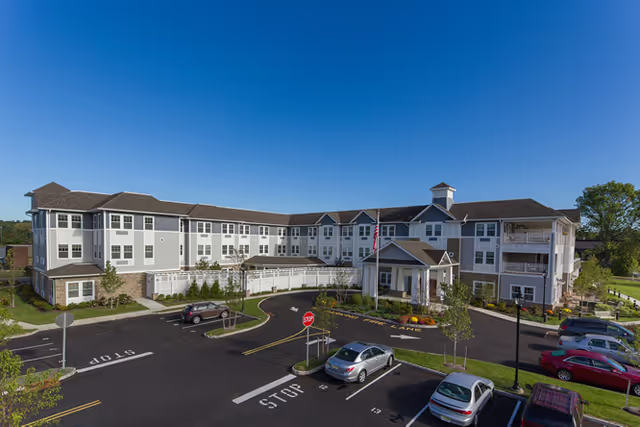
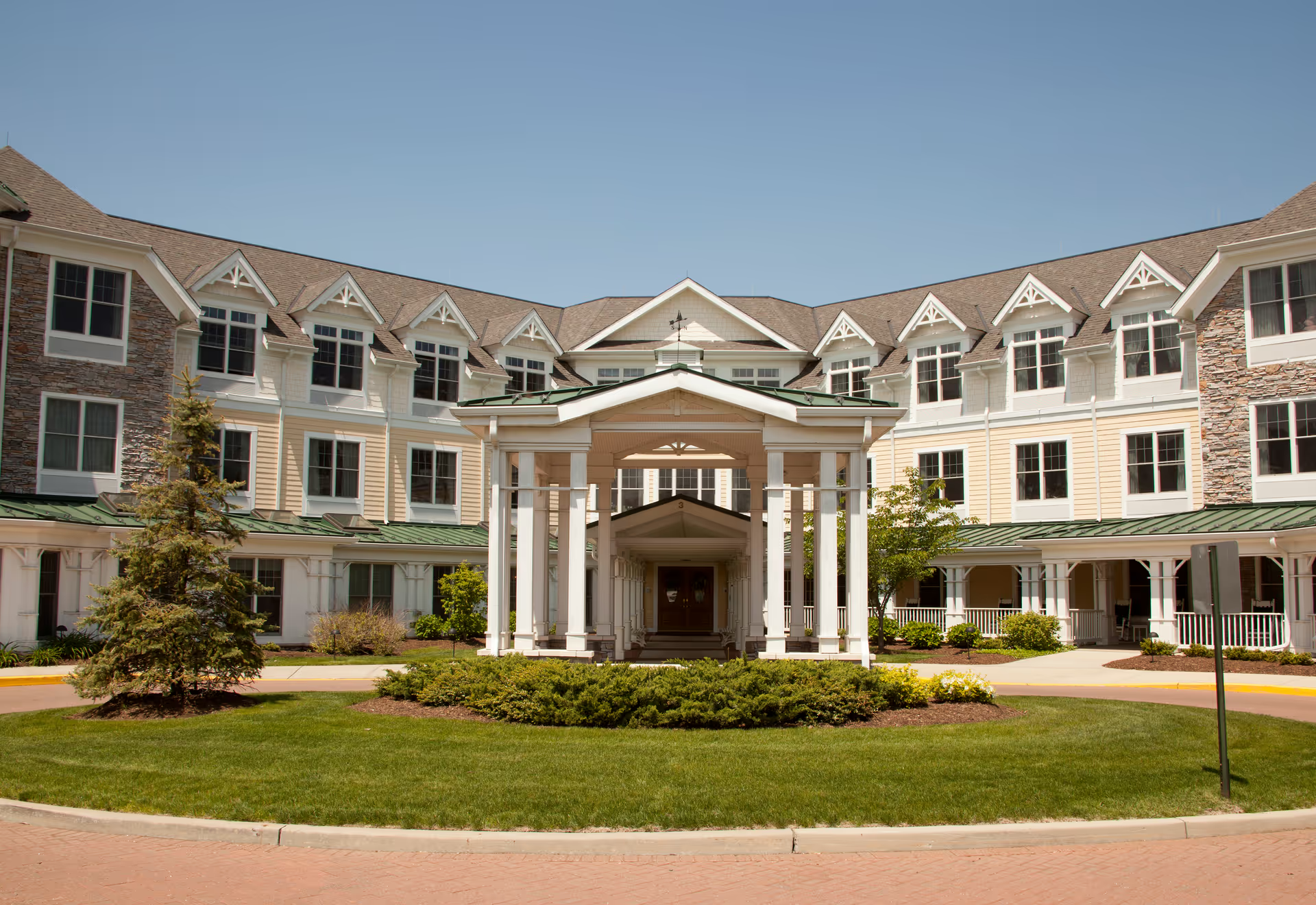
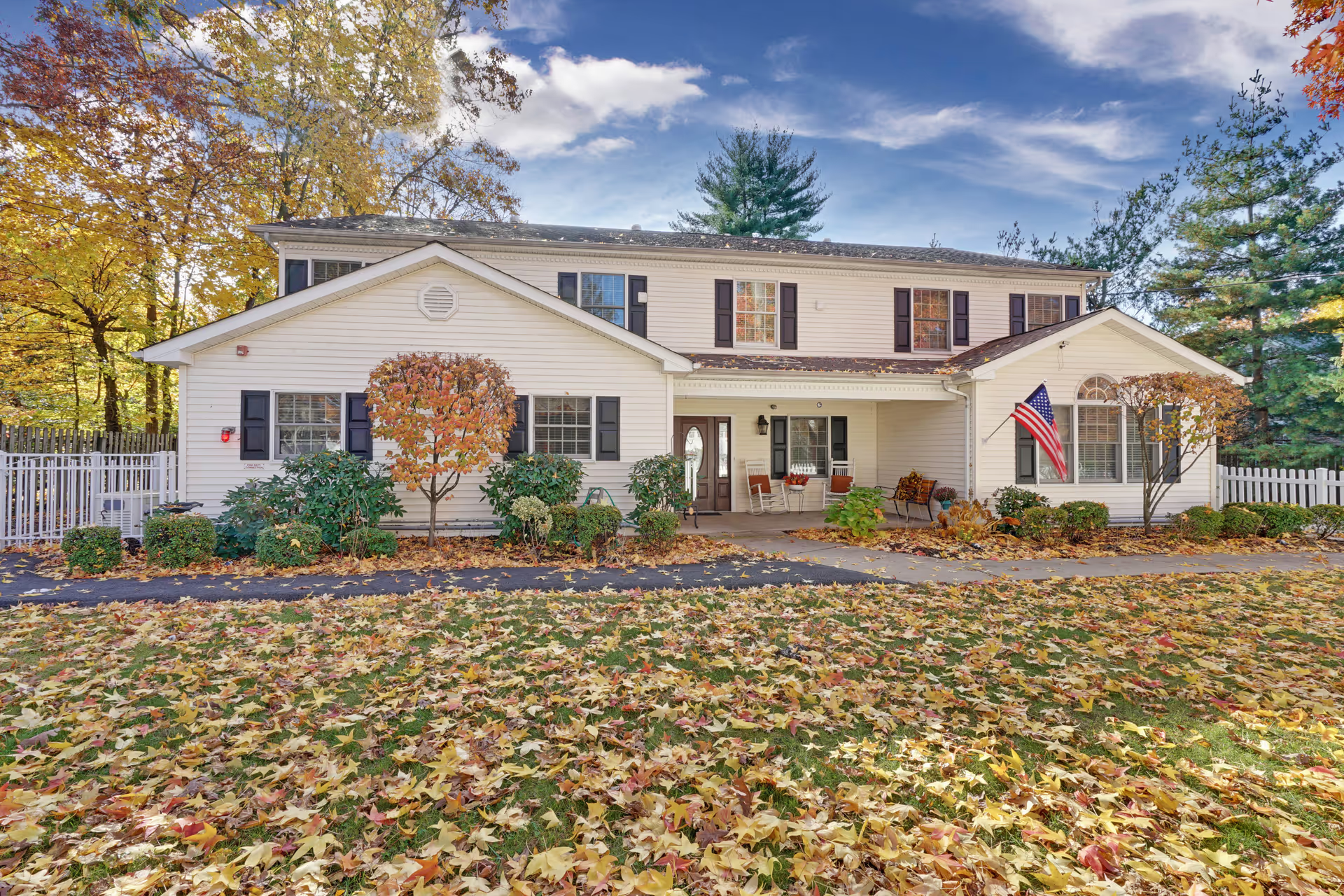
Dining and dietary services receive mixed feedback. Some residents praise the meals and attentive food service, while others raise concerns about consistency, nutritional appropriateness for cardiac or low-sodium diets, and overall food quality. Housekeeping and maintenance earn repeated praise for responsiveness, but there are also notes of delayed repairs and occasional unfinished maintenance items. Facility amenities — sunroom, country kitchen, on-site store, and convenient location — are frequently cited as strengths.
Resident mix and roommate-placement arise as a notable operational weakness: reviewers reported mismatches between residents' care needs and roommate pairings, as well as behavioral and safety incidents in communal spaces that suggest a need for stronger placement and supervision policies. Temperature control and heating reliability were identified as another significant concern, with accounts of cold common areas and ad hoc measures to conserve heat. Additional practical issues mentioned include pest-control concerns in some units, lost laundry, and allegations of theft with unsatisfactory recovery responses.
Management and culture are described inconsistently. Positive comments highlight transparent admissions conversations and staff who go above and beyond; negative accounts criticize defensive or dismissive responses from leadership when families raise safety or service issues. High staff turnover and variability in staff competence were also noted, which some families link to uneven care experiences.
In sum, the facility offers clear strengths in social programming, direct caregiving warmth, and certain operational areas (admissions, maintenance, common spaces). However, recurring patterns around medication safety, clinical coverage gaps, roommate-matching, heating reliability, and management responsiveness represent areas that prospective residents and families should evaluate closely. If considering this community, arrange detailed discussions about medication administration protocols, weekend clinical staffing, roommate-selection processes, pest-control practices, dietary accommodations, and documented complaint-resolution procedures; follow-up visits during different shifts and days of the week may help clarify consistency of care and environmental conditions.