Overall impression: Reviews present a mixed picture. Many families and short-term rehabilitation patients describe successful therapy outcomes, attentive therapists, and a clean, refreshed facility with friendly front-desk staff. At the same time, a number of reviews raise operational and clinical concerns that appear recurrent rather than isolated.
Care quality: The facility is consistently praised for its rehabilitation and physical-therapy services; several accounts describe goal-oriented programs and clinicians who go above and beyond to help patients regain function. Nursing and aide care is often described as compassionate and supportive, but reviewers also describe inconsistent bedside responsiveness and delays in medication administration. There are specific clinical-care gaps cited around IV/wound management and timely medication delivery, suggesting variability in clinical processes and oversight.
Staff and culture: Many reviewers highlight hardworking, kind nurses, CNAs, and therapists. Conversely, others note variability in professionalism and communication tone — families described delayed responses to requests, difficulty getting straight answers from clinicians, and occasional rough care interactions. Multiple comments indicate that staffing shortages and high workloads contribute to these inconsistencies; when staff are stretched, responsiveness and quality appear to decline.
Dining and activities: Food is generally characterized as acceptable. Activity offerings are present (bingo, strength sessions, daily activities) and some residents made measurable progress through them. However, programming and amenity access were reported as more limited during infection-control periods, and some reviewers wanted a broader or more consistent activity schedule.
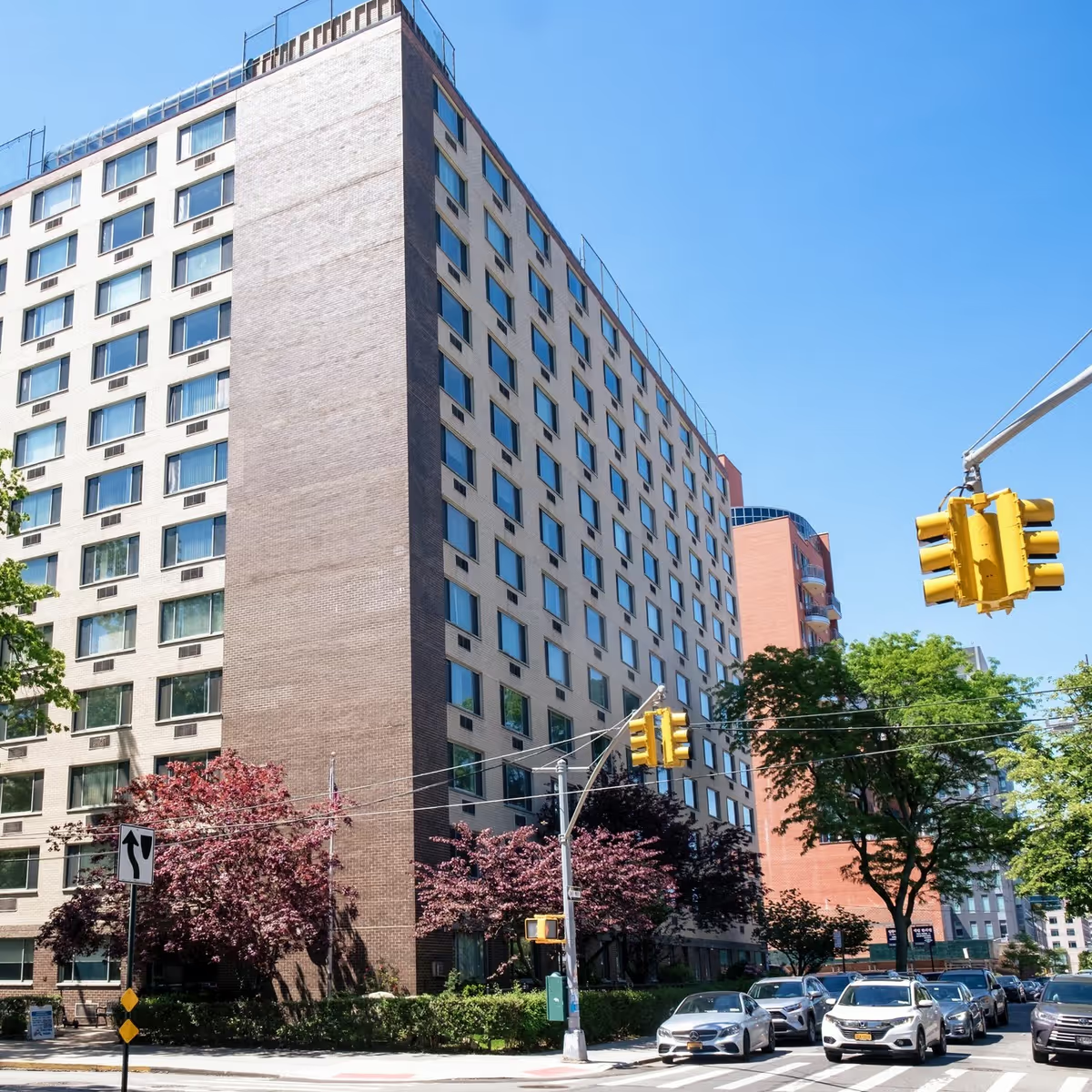
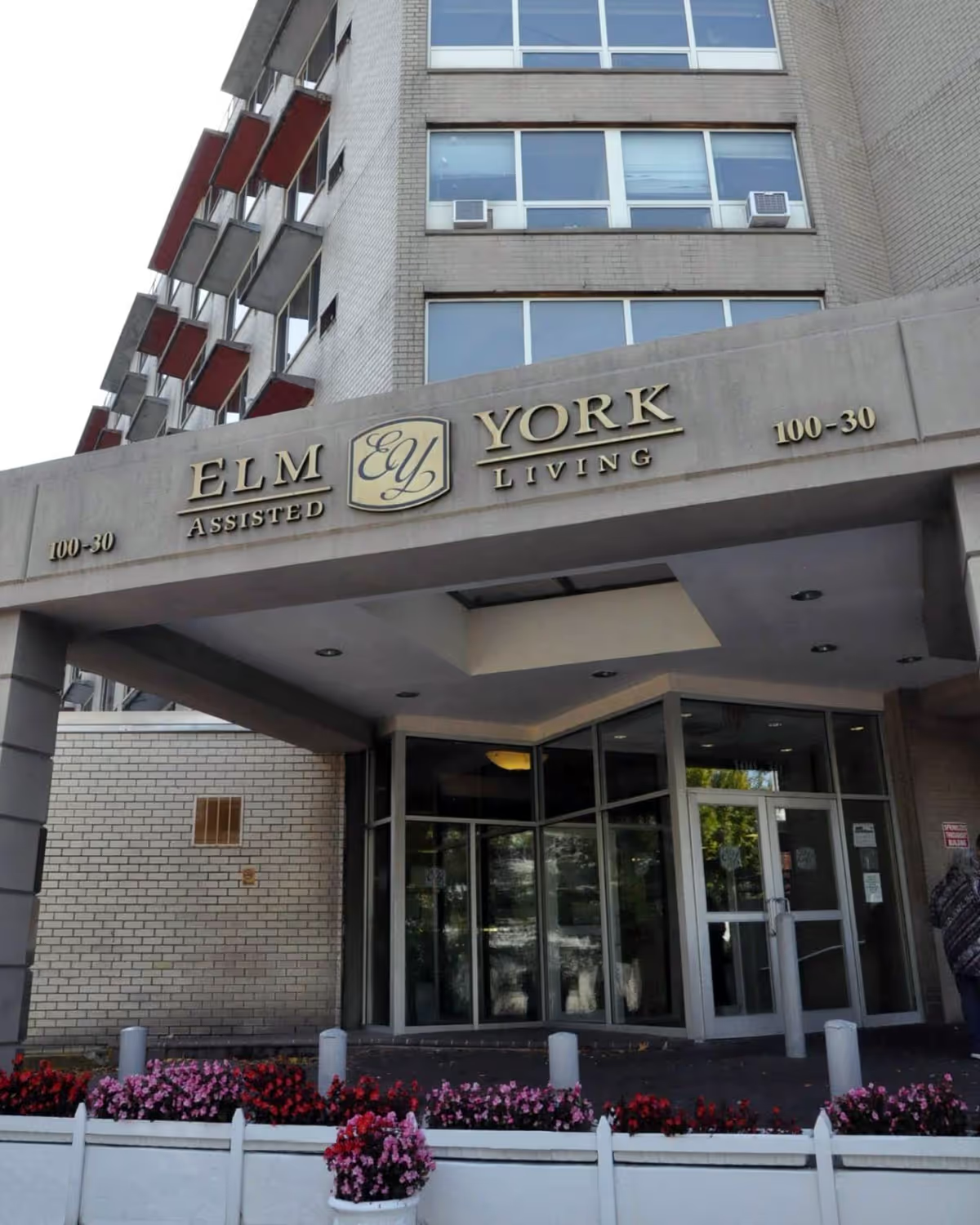
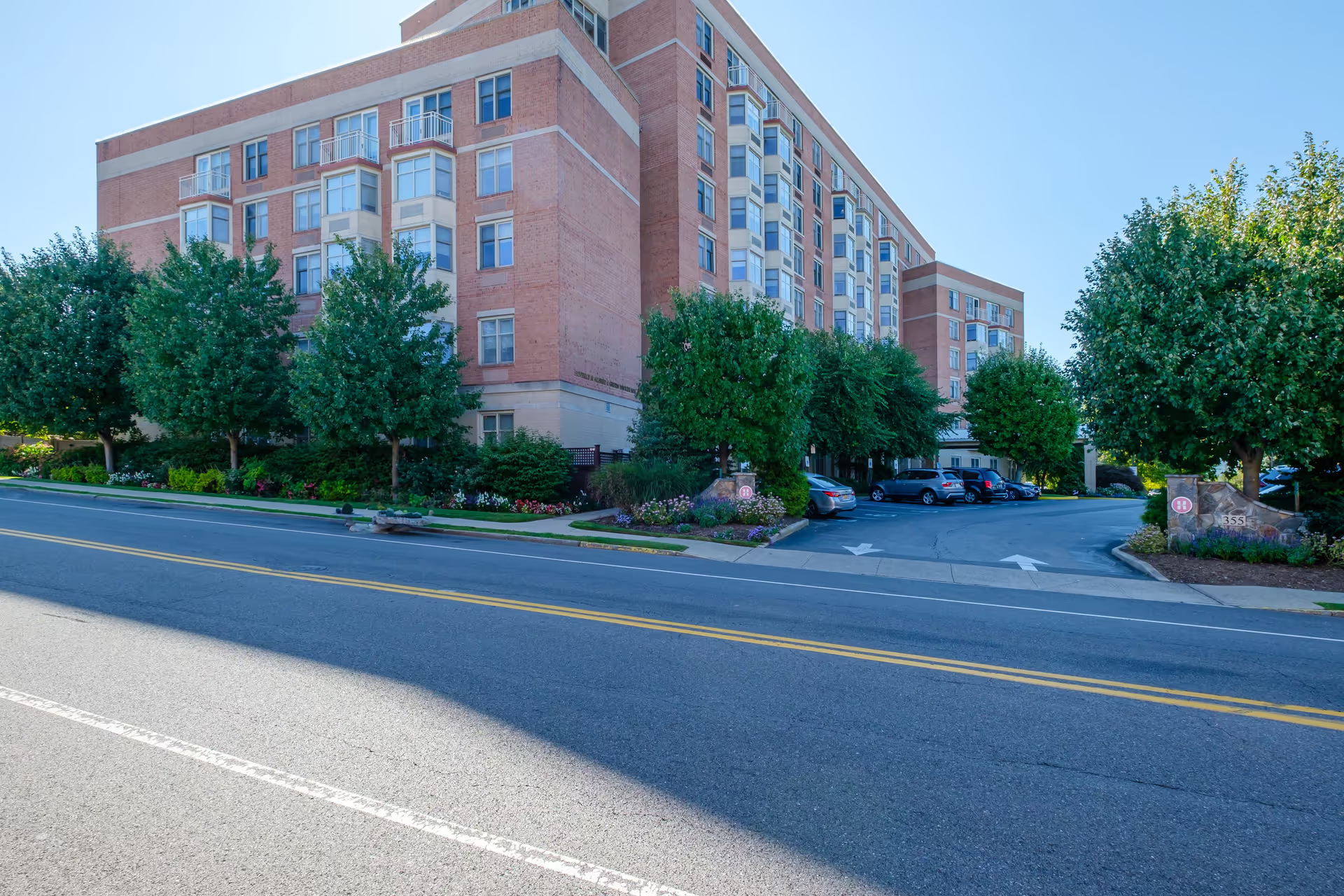
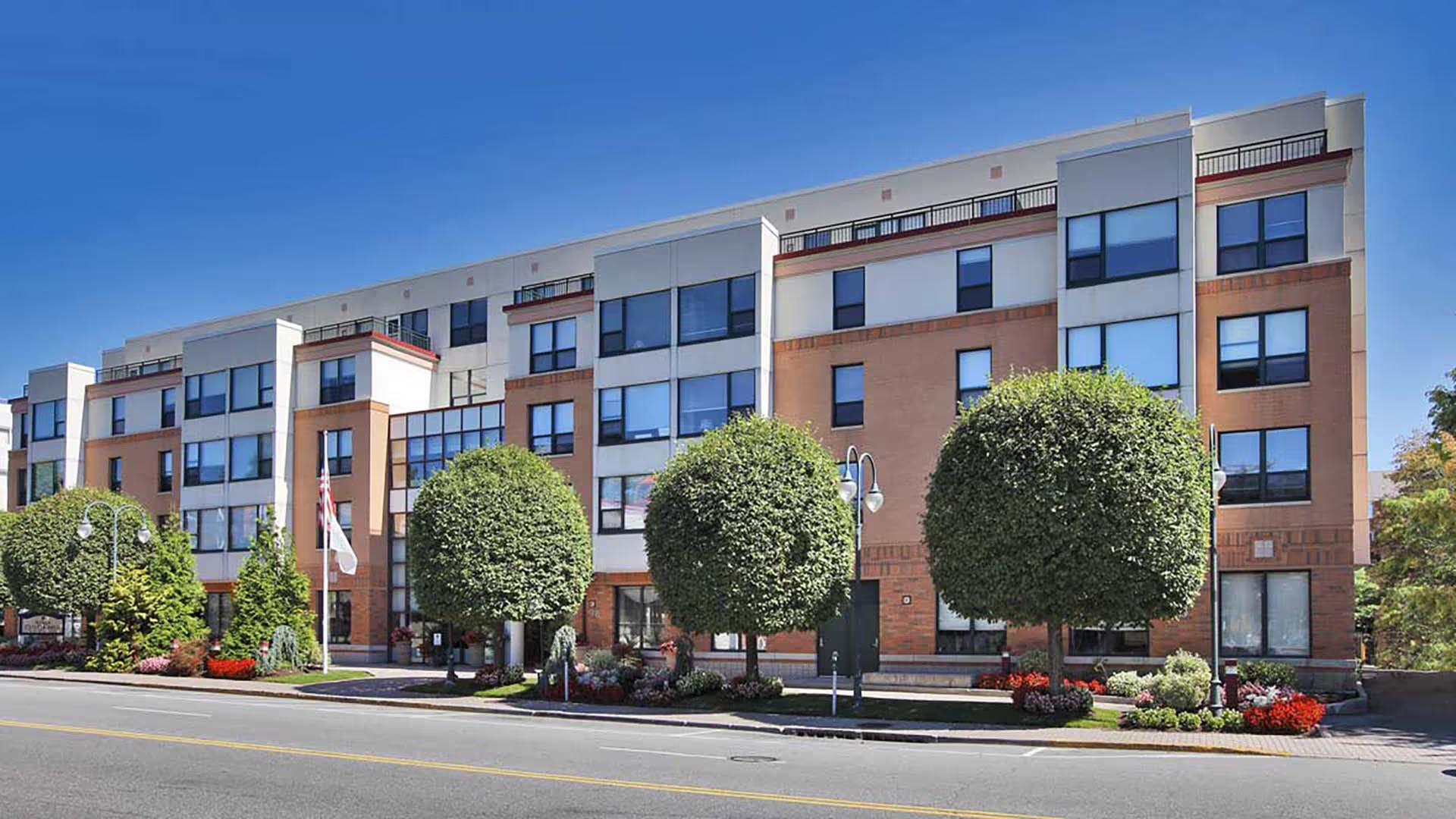
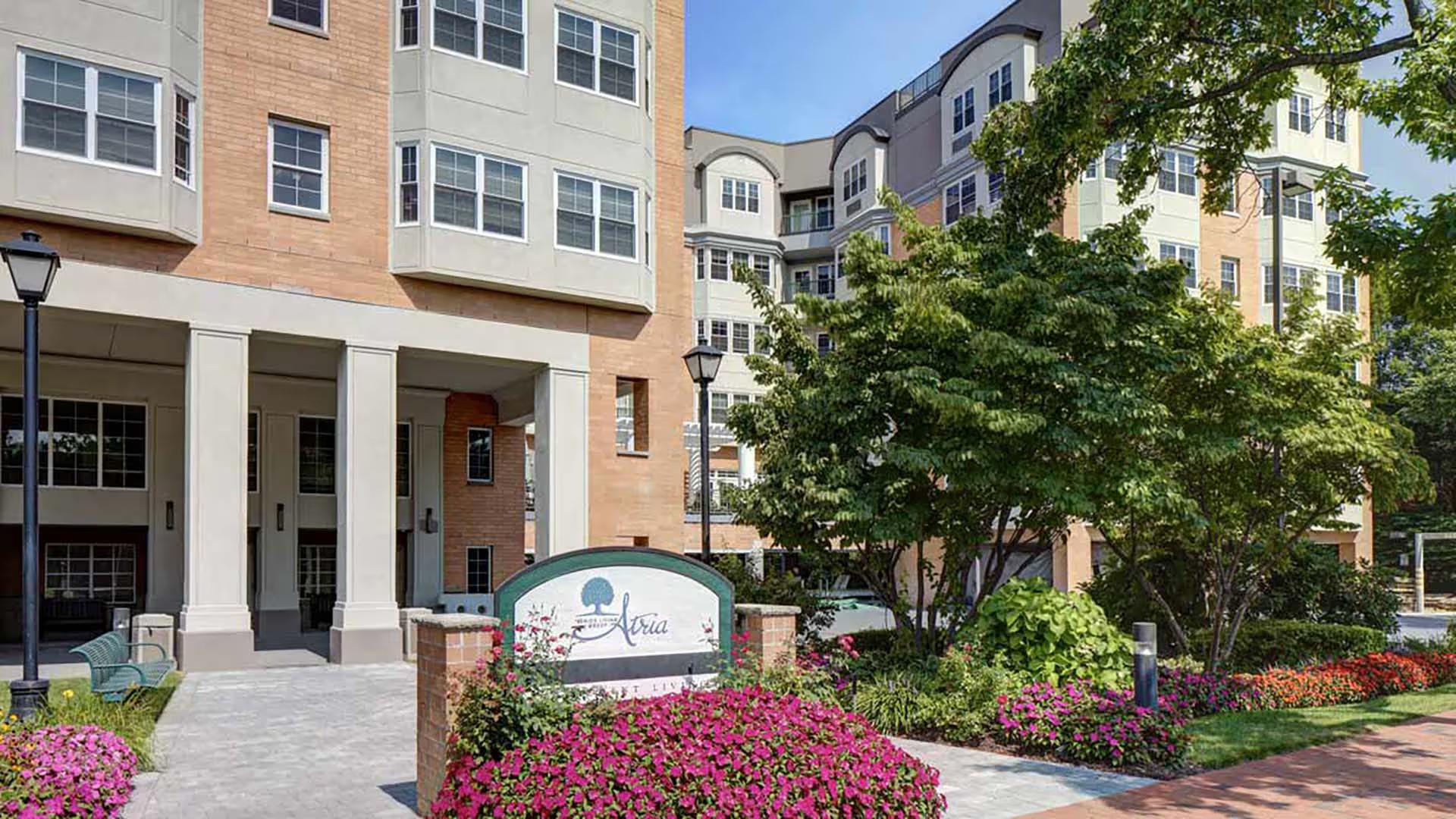
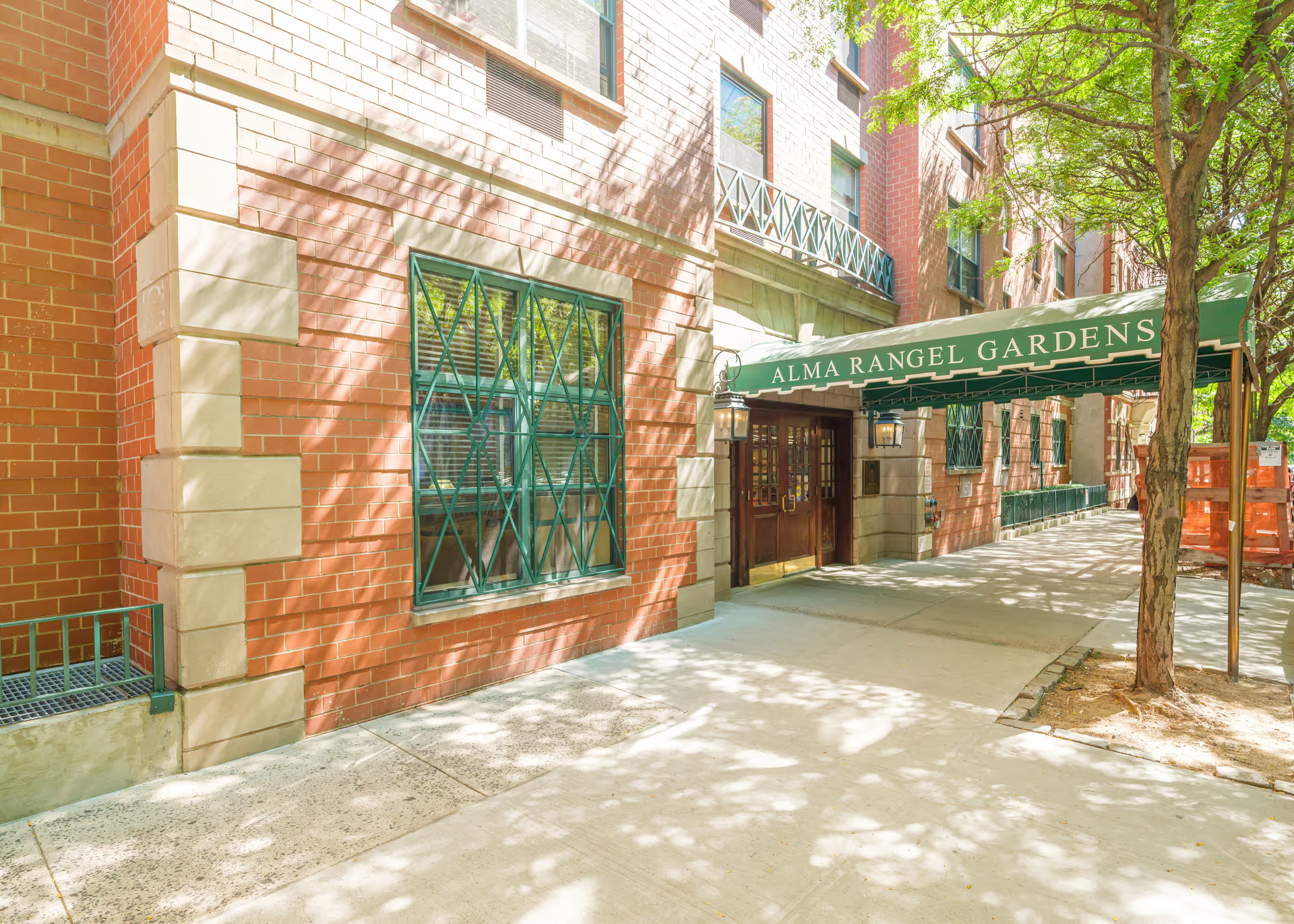
Facilities and environment: The center receives frequent praise for cleanliness, recent cosmetic updates, fresh-smelling rooms, and tidy housekeeping. At the same time, there are intermittent sanitation and pest-control concerns cited for some rooms, and several reviewers called out limited bathing/shower infrastructure and small shared bathing areas. The building’s size and layout produce quick admissions or check-in lines at times, though individual staff at intake were also described as efficient and helpful.
Management, communication and operations: A common theme is inconsistent communication and administrative follow-through. Families reported problems with property controls (lost or missing personal items), lapses in follow-up after clinical events, and frustrating coordination for outside appointments or transfers. A small number of reviews raise very serious concerns about clinical-incident response and post-event communication; these descriptions emphasize the need for clearer incident-handling protocols and improved family engagement. Some reviewers found admissions and discharge staff effective and accommodating, while others experienced long wait times or difficulty resolving grievances.
Patterns and practical takeaways: The facility appears to deliver strong rehabilitative care and has many compassionate staff members, but operational weaknesses—especially around staffing levels, medication/wound management, family communication, and certain infrastructure elements—introduce variability in the resident experience. Prospective residents and families should ask specific questions before placement: current staffing ratios and shift coverage, protocols for medication and wound care, property-inventory procedures, bathing/shower availability, the activity schedule (and how it is adjusted during infection-control periods), and the facility’s incident-communication practices. Doing so will help align expectations with the facility’s demonstrated strengths and address areas that reviewers flagged for improvement.