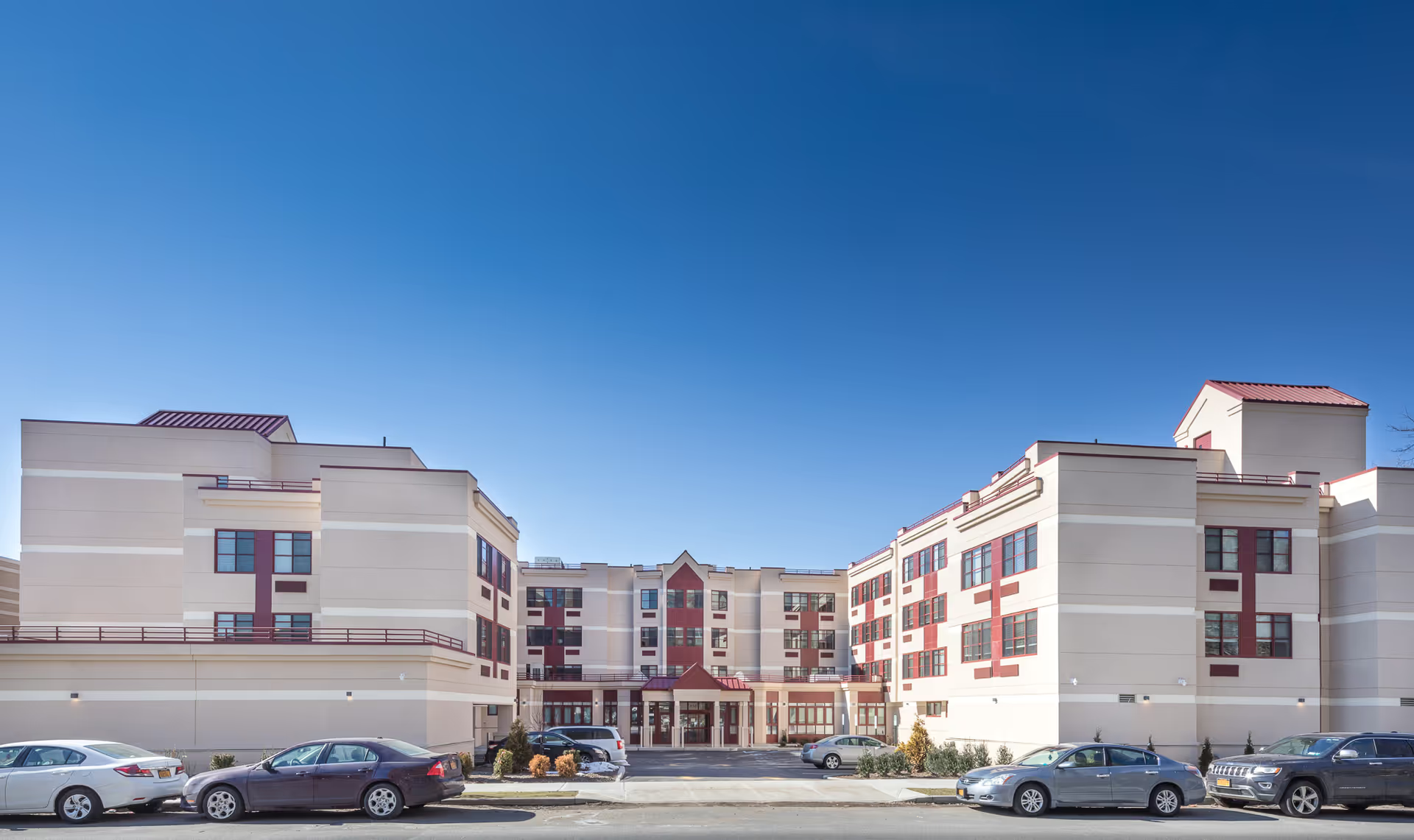
The body of feedback on Brooklyn Center for Rehabilitation and Nursing is strongly polarized. Many families and former patients praise the facility’s rehabilitation services and physical environment: therapy departments (physical, occupational, and speech) are repeatedly described as effective, the rehab gym and equipment are viewed as high quality, and clinicians in therapy often receive individual praise for achieving measurable functional gains. The building itself is frequently described as clean, modern and spacious, with private rooms and en suite bathrooms available; housekeeping and maintenance are commonly identified as strengths.
At the same time, recurring operational weaknesses appear across reviews. Staffing and responsiveness are common concerns: long call-bell response times, delays in bathing or toileting assistance, and weekend coverage gaps are reported in multiple accounts. These staffing issues correlate with complaints about inconsistent personal-care delivery and uneven bedside manner among nursing assistants. Several families highlighted strong individual caregivers and patient advocates who improved their experience, but described those positives as unevenly distributed across units and shifts.
Dining and nutrition emerge as another consistent theme. Numerous accounts indicate inconsistent meal quality, problems with meal temperature and preparation, and limited accommodation of dietary needs in some cases. While a portion of reviewers were satisfied with food improvements or specific menu items, food service appears to be a facility-level area needing attention to achieve consistent standards.
Communication and management practices receive mixed assessments. Many reviews identify helpful, attentive administrators and social workers, while an overlapping set raise concerns about slow or unreturned phone calls, insufficient family updates after clinical events, and gaps in discharge planning and aftercare coordination. There are also mentions of documentation and consent-process inconsistencies and formal complaints filed with regulators; some reviewers used stronger language for specific incidents that suggest the need for careful review of clinical-record practices and consent procedures.
Safety and care-continuity issues are raised in a subset of reports: delayed medical attention following incidents, missed or delayed medication/pain control, and difficulties arranging timely physician or home-health follow-up. Security and personal-belongings control is another recurring operational concern, with several families reporting misplaced or mishandled items and limited responsiveness from front-desk staff. Cultural and language needs were also noted as unevenly met, including requests for more Spanish-speaking aides.
Overall pattern: therapy and facility infrastructure are clear strengths, often producing good rehabilitation outcomes. Major areas for improvement are operational consistency—particularly staffing levels and responsiveness, dining operations, family communication, discharge coordination, and standardization of documentation and consent processes. Prospective residents and families may benefit from asking targeted questions about staffing ratios on the intended unit and shift, weekend coverage, dietary accommodations, call-bell response expectations, and the facility’s processes for family notification and discharge planning before admission. The review corpus suggests that individual staff members and specific units can offer excellent care; however, variability across shifts and units is a prominent theme that influences overall experience.