The reviews present a polarized but consistent set of themes. The facility's rehabilitation services (physical and occupational therapy) are widely cited as a core strength: therapists are described as skilled, motivating, coordinated, and instrumental in many residents' successful returns home. Many families and patients also praised individual CNAs, nurses, admissions/finance staff, and maintenance personnel for being attentive, professional, and helpful. The building, in large part, is perceived as clean, bright, and renovated, with modern rooms, flat-screen TVs, and an accessible, secure entry for visitors.
Care quality is mixed. Therapy-oriented care is frequently characterized as excellent and proactive, with positive accounts of functional gains and collaborative therapy teams. Nursing and direct-care experiences vary: some families describe consistent, compassionate care and timely wound or specialist nursing, while others describe delays in attention, missed or delayed medication/medical follow-up, catheter and post-operative management concerns, and instances suggesting gaps in clinical oversight. These inconsistent clinical experiences point to uneven performance across staff and shifts rather than a uniform standard of care.
Staffing and staff conduct emerge as a central operational issue. Reviewers cite chronic understaffing, high turnover, and variable training that affect responsiveness and the tone of interactions. Many frontline staff receive praise for compassion and dedication, but other accounts describe unhelpful or abrupt interactions, difficulty reaching supervisors, and frontline teams stretched thin. These dynamics are associated with delays in basic care tasks, slower response to family inquiries, and occasional communication breakdowns between nursing, physicians, and families.
Dining and nutrition receive mixed comments. Several reviewers highlighted well-seasoned meals, individualized menus overseen by nutrition staff, and enjoyable dishes prepared by the kitchen. In contrast, others described inconsistent meal quality, limited fresh fruits and vegetables, texture or preparation problems (e.g., undercooked or overcooked starches), and difficulty getting meals tailored to restrictive or post-operative diets. Families with strict dietary needs should verify menu accommodation and seasonal/shift variation in food preparation.
Activities and social programming vary by unit and shift. Some floors offer lively activities, music, social dining, and volunteer involvement that contribute to a cheerful atmosphere. Other accounts note a lack of visible activities, residents idle in afternoons, and an inconsistent activity schedule. Prospective residents and families should clarify activity frequency and programming on the specific unit they expect to occupy.
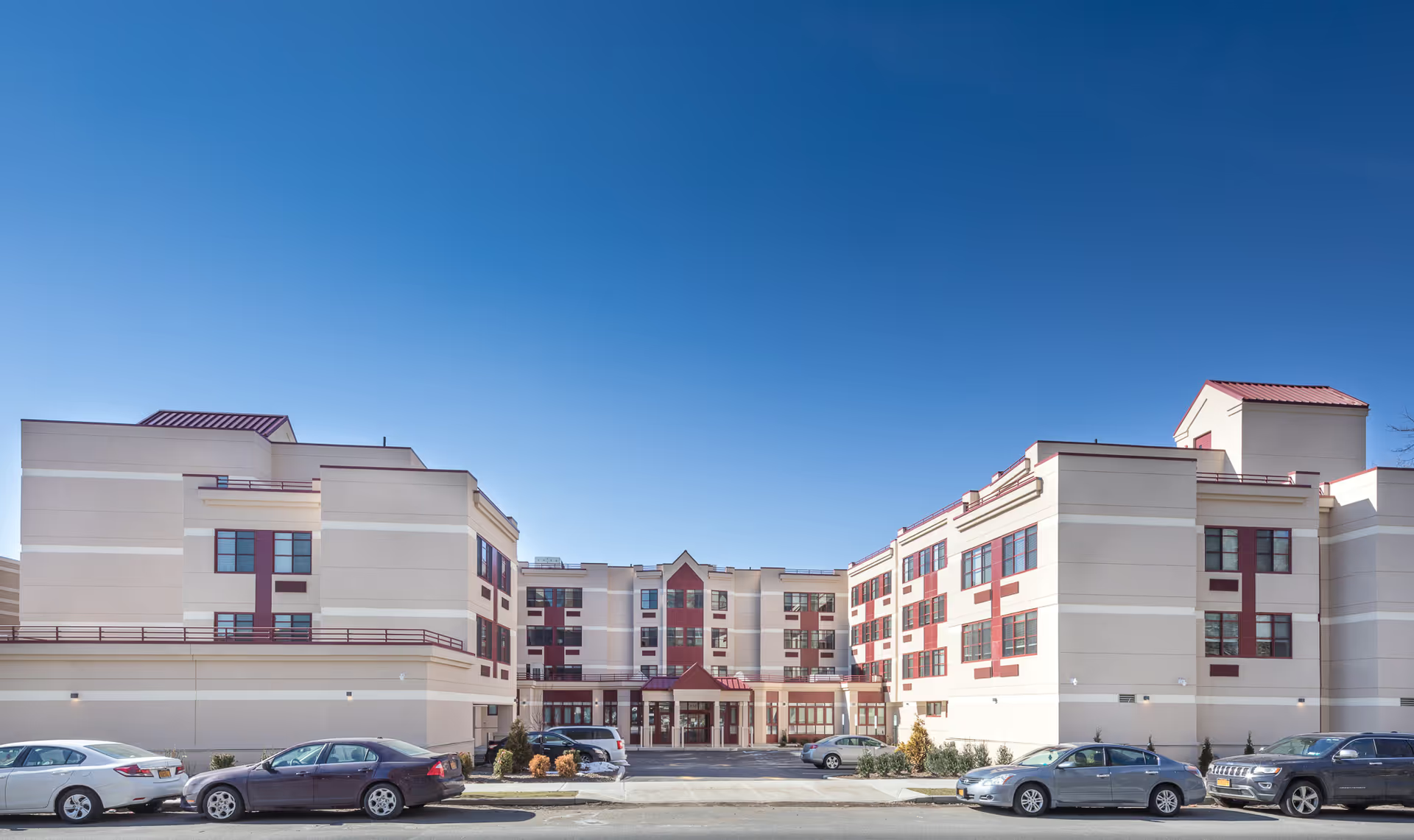
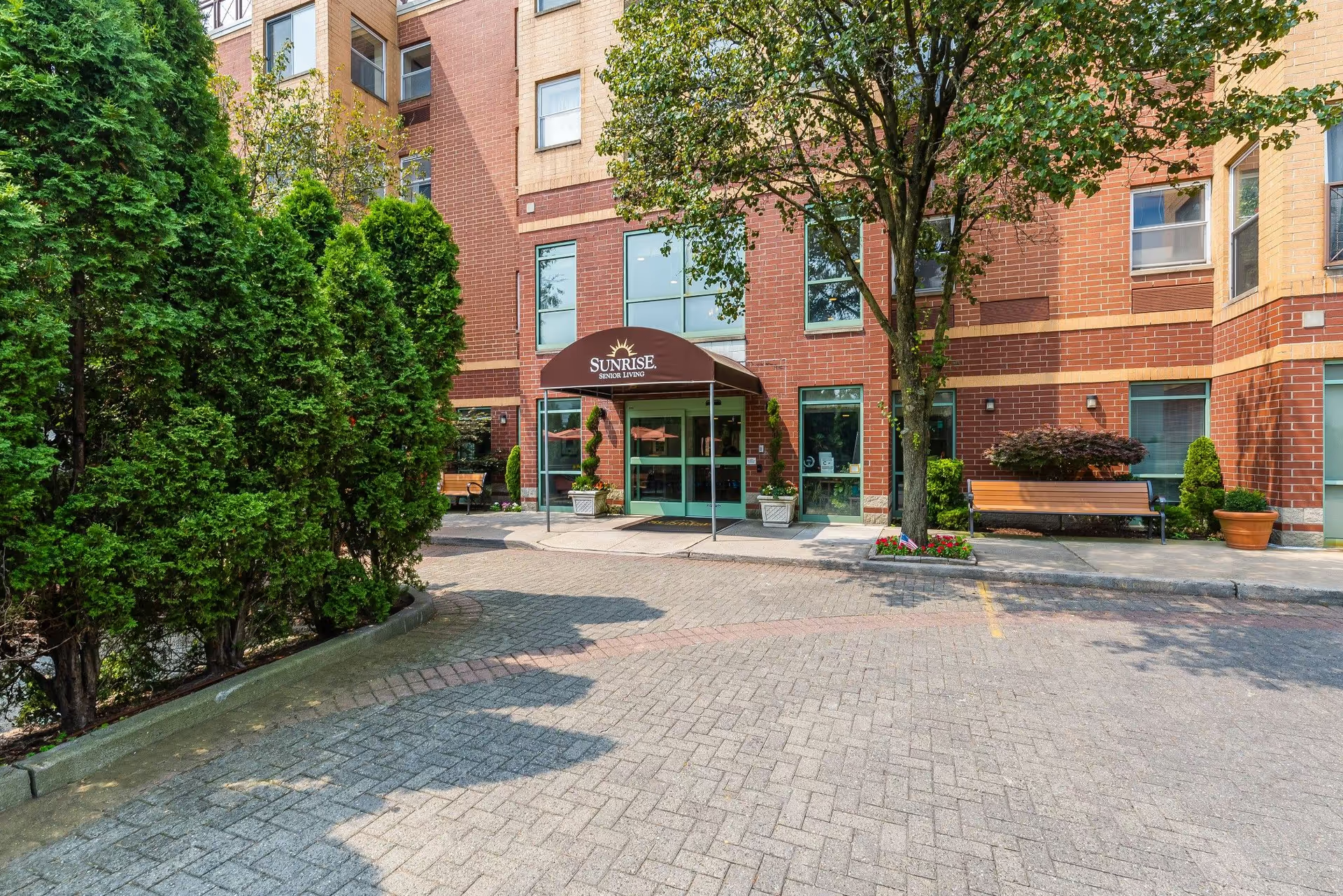
Facility and environmental observations are generally positive on a building level — many reviewers praise cleanliness, prompt maintenance, and an overall pleasant environment. However, there are recurring sanitation and pest-control concerns localized to particular units or rooms, as well as reports of delayed housekeeping, inconsistent bathroom upkeep in some areas, and occasional delays in repairing in-room fixtures or climate-control. These indicate variability in operations between units rather than a universal facility condition.
Management and administration receive mixed evaluations. Admissions, certain administrators, and finance staff are often commended for responsiveness and clear explanations. Conversely, there are many comments about poor follow-through on discharge coordination, difficulty obtaining medical records or prescriptions, voicemail/front-desk accessibility problems, and weak social-work support. Several reviewers noted that short-term audits or temporary interventions improved service briefly but that durable accountability and training systems were needed. There are isolated, serious allegations concerning mishandling of incidents and concerns following a resident's death; such claims warrant formal review and verification through regulatory channels.
Notable patterns and practical advice: experiences appear highly unit- and shift-dependent. The facility demonstrates strong rehabilitation capacity and a number of high-performing care staff, but families should assess staffing levels, nursing coverage, and communication protocols before placement. Ask specifically about: staffing ratios on the intended unit and shifts, therapy schedules and progress-tracking, procedures for dietary accommodation (especially post‑operative diets), housekeeping and pest-control records, medication administration and medical-record release processes, and the facility’s escalation pathway for clinical concerns. These targeted checks can help families reconcile the facility’s demonstrated strengths with the operational inconsistencies described in reviews.