The review corpus shows a bifurcated picture of Buffalo Center for Rehabilitation and Nursing: many families and clinicians praise the facility's rehabilitation capabilities and individual staff members, while a substantial set of concerns highlights operational and safety-related variability. Strengths most consistently noted relate to the therapy programs — physical, occupational, and speech therapy are frequently described as well organized, effective, and staffed by skilled therapists who contribute to measurable functional gains. Several comments also single out specific administrative and therapy staff who provide supportive, family-oriented service, and the facility's renovated common areas and therapy spaces receive regular positive mention.
At the same time, reviewers describe recurring operational issues that affect day-to-day care quality. Staffing inconsistency and coverage gaps — particularly on weekends and during shift changes — are a common theme; those gaps are associated with missed or delayed care responses, slow assistance with toileting and hygiene needs, and delayed linen changes. Families and visitors also raise concerns about medication administration and documentation, including missed or late doses and unclear communication about medication schedules. Safety practices around falls and post-incident communication are another persistent concern: some accounts describe delayed staff response, unclear incident reporting, and limited family notification following adverse events.
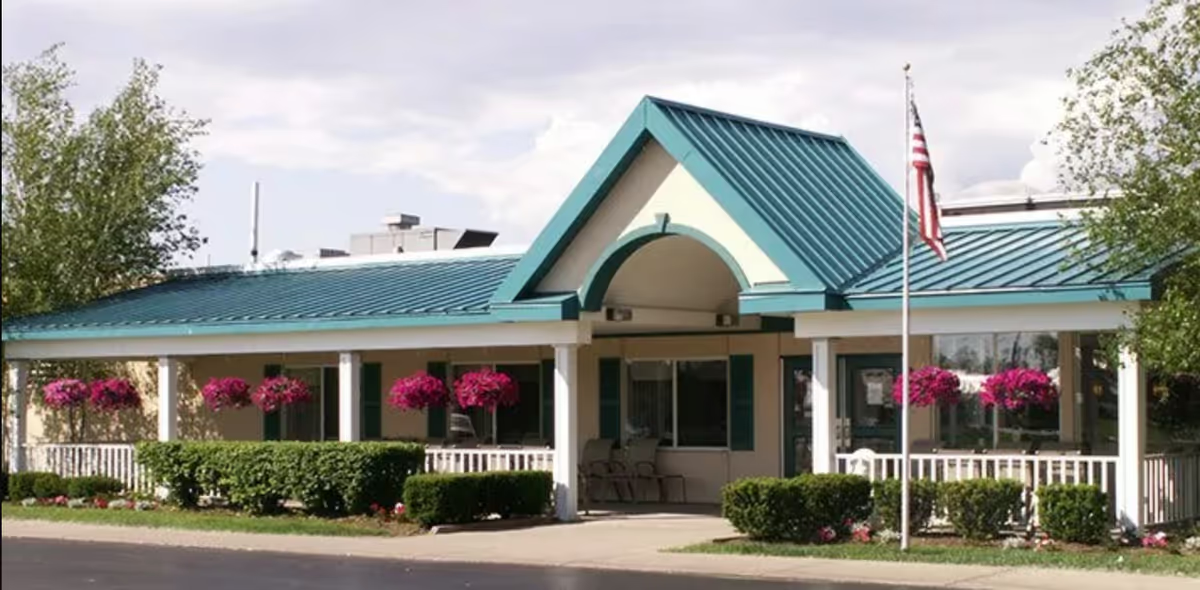
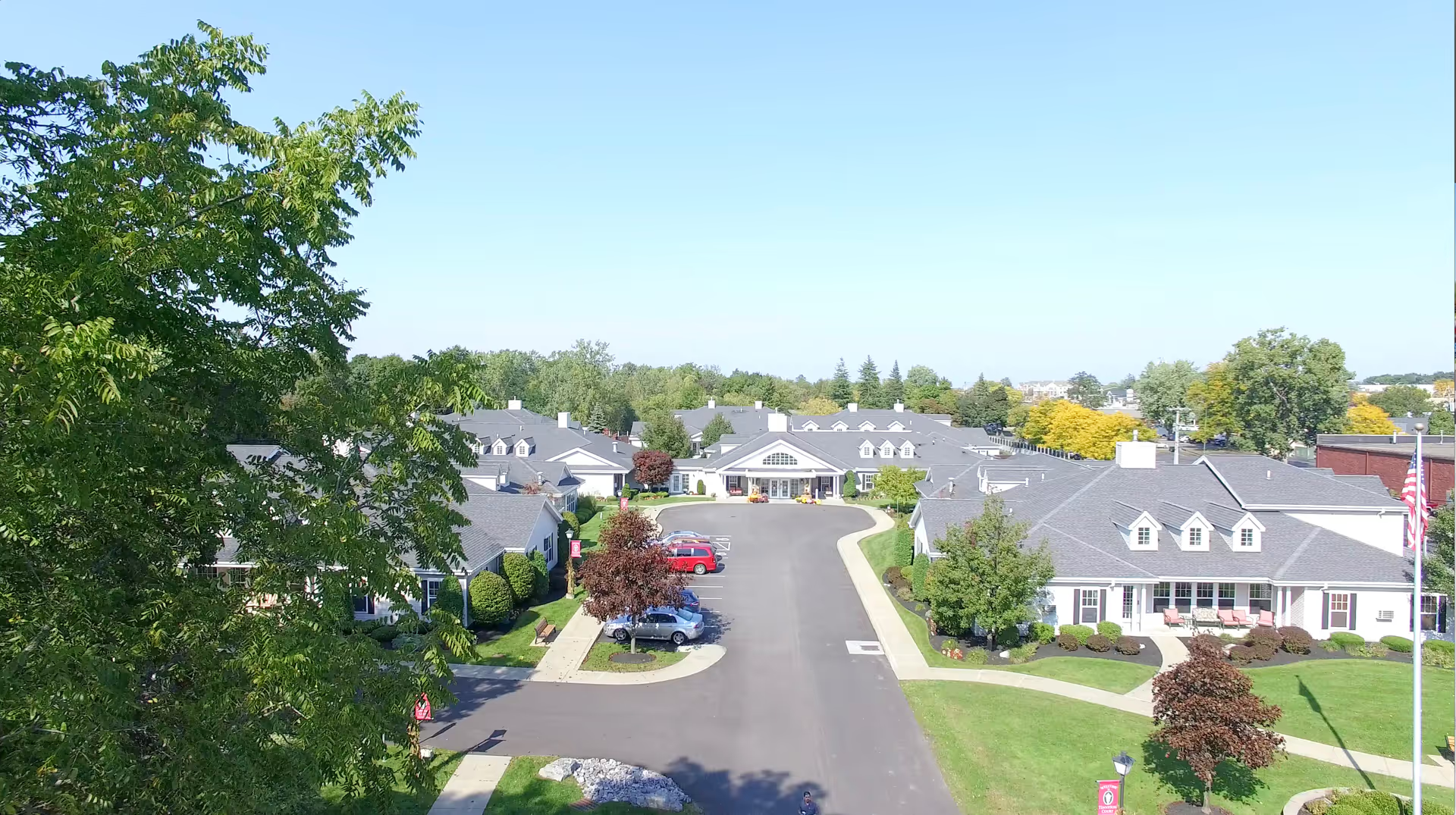
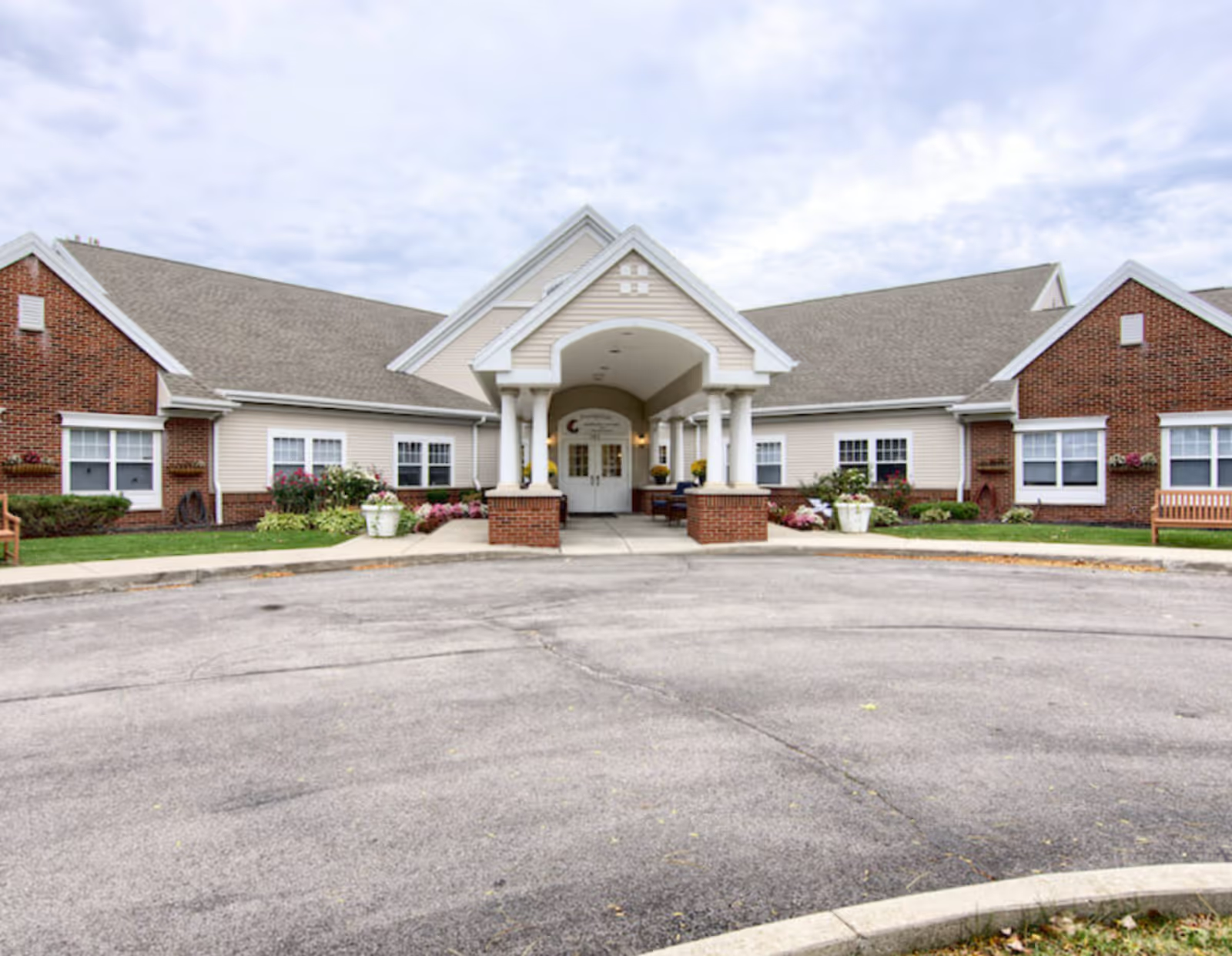
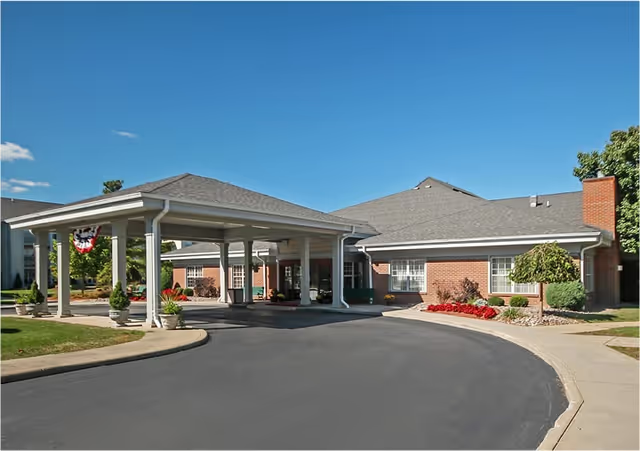
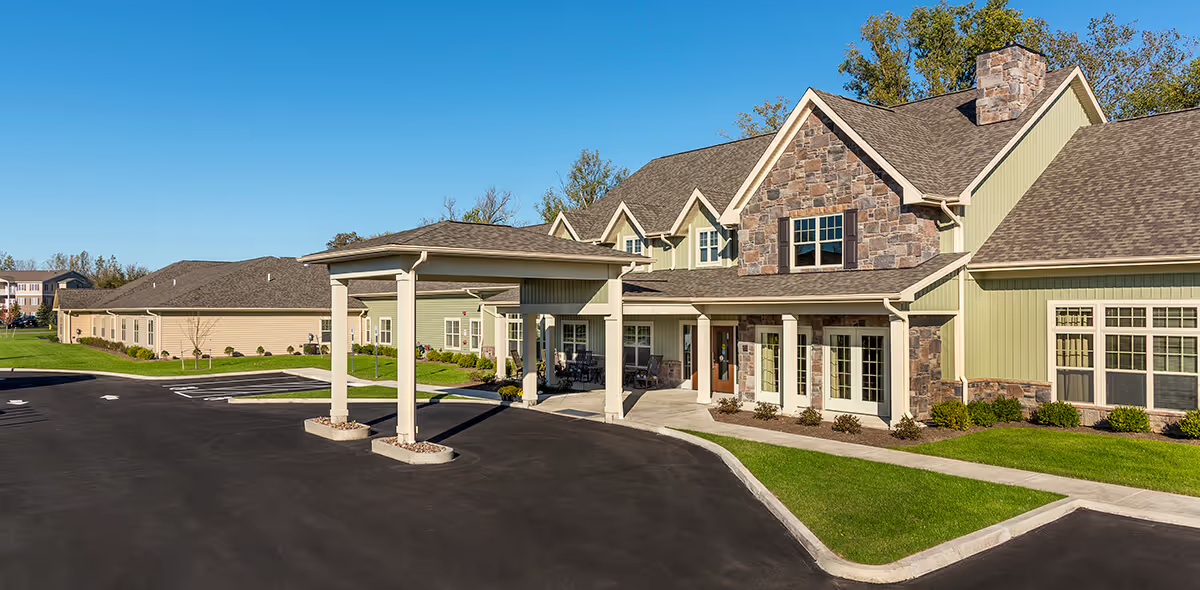
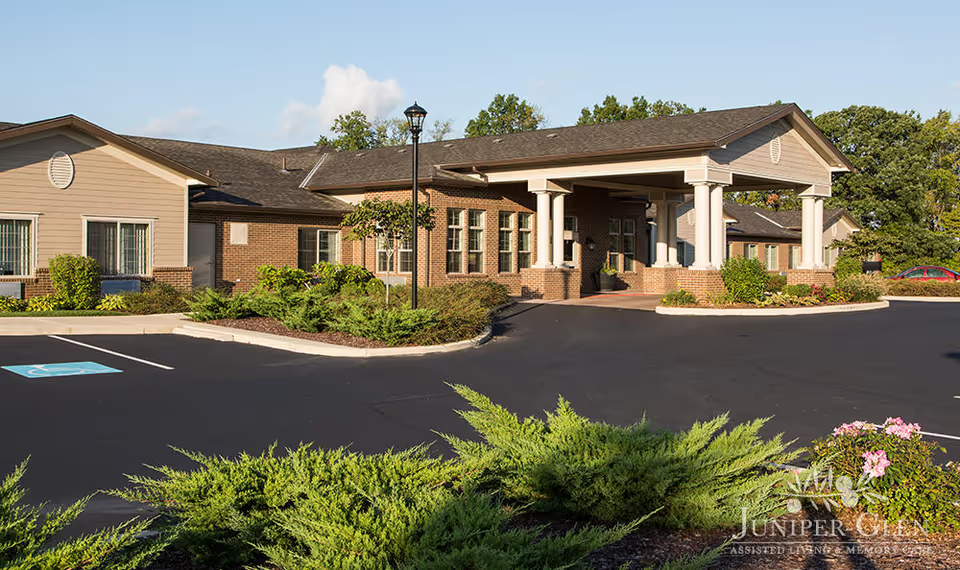
Facility maintenance and dining are mixed. The facility's recent remodeling and certain clean, attractive public spaces are viewed positively, but other areas are described as having cleanliness and odor issues and inconsistencies in housekeeping and pest-control follow-through. Meal quality and meal-delivery processes are variable; reviewers note dietary accommodations being overlooked for residents with specific restrictions, cold or delayed trays, and a decline in food quality after vendor changes in some accounts. Transportation coordination for dialysis and external appointments is also cited as unreliable at times.
Staff conduct and management responsiveness show sharp contrasts across reviews. Many direct-care staff are described as compassionate, attentive, and effective; however, other accounts point to poor staff conduct, use of personal devices while on duty, and weak frontline supervision. Reviewers describe difficulty reaching clinical leaders or social-work staff, slow or nonexistent return communication, and concerns about the facility's accountability pathways. In a limited number of stronger allegations, families reference theft, billing irregularities, and regulatory scrutiny; these items may warrant independent verification with state inspection reports and regulatory records.
Taken together, these patterns indicate a facility with demonstrable clinical strengths in rehabilitation and pockets of strong caregiving, coupled with significant variability in operational reliability and safety-related processes. Prospective residents and families should weigh the documented therapy strengths against the reported inconsistencies in staffing, medication practices, hygiene/sanitation processes, and communication. Before placement, it is advisable to tour the specific unit, ask for recent inspection and staffing information, confirm call-bell functionality and medication-safety protocols, review dining accommodations for restricted diets, and request documentation of incident-reporting and transportation procedures.