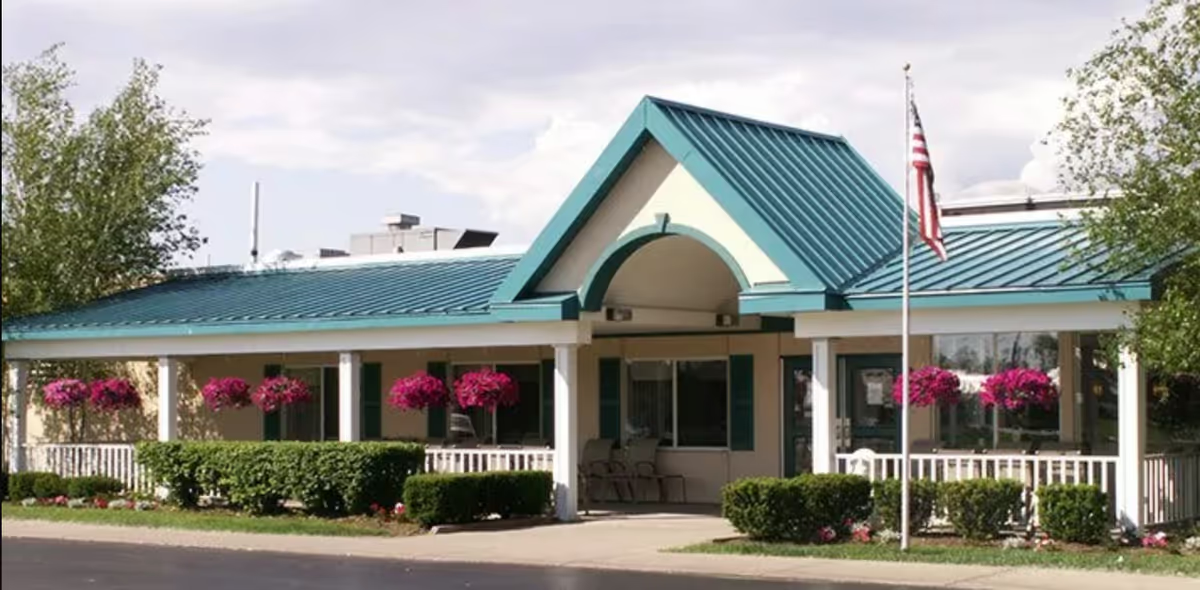
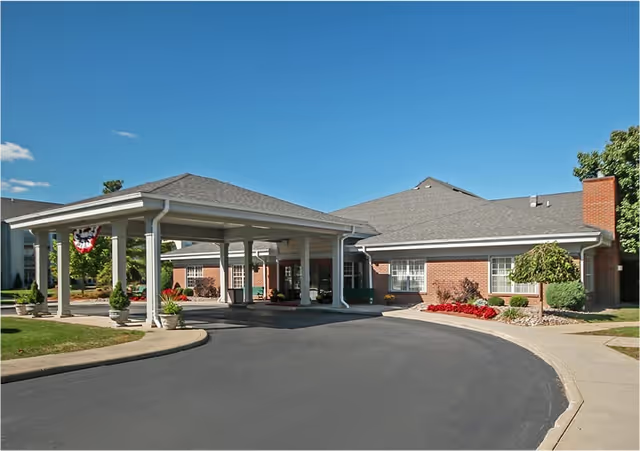
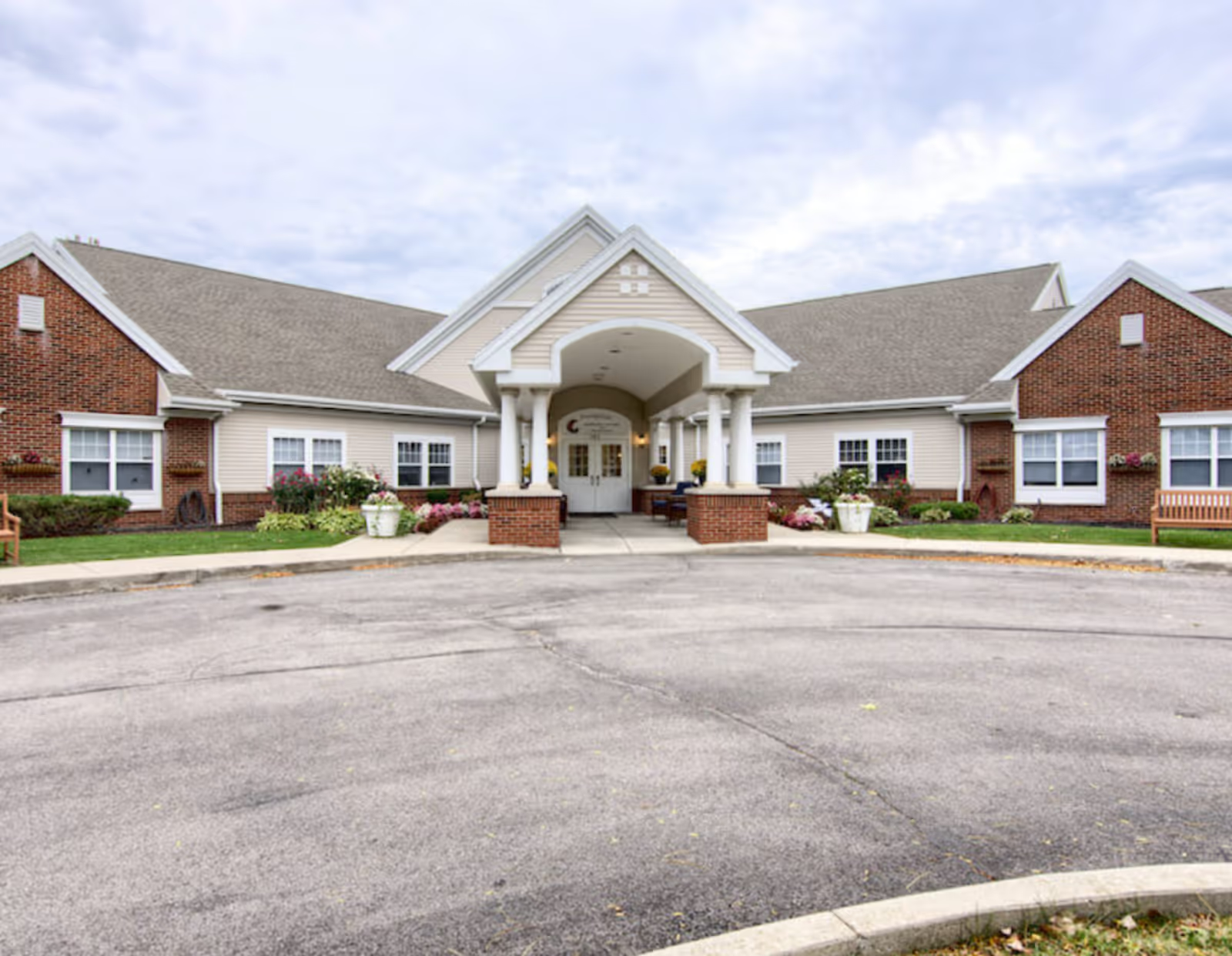
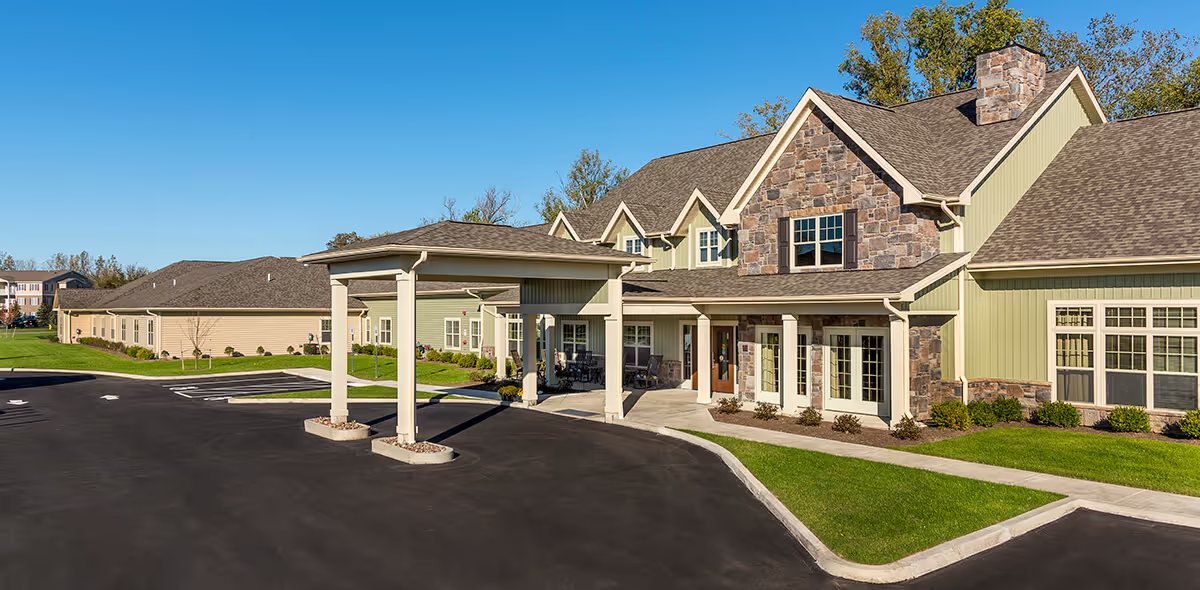
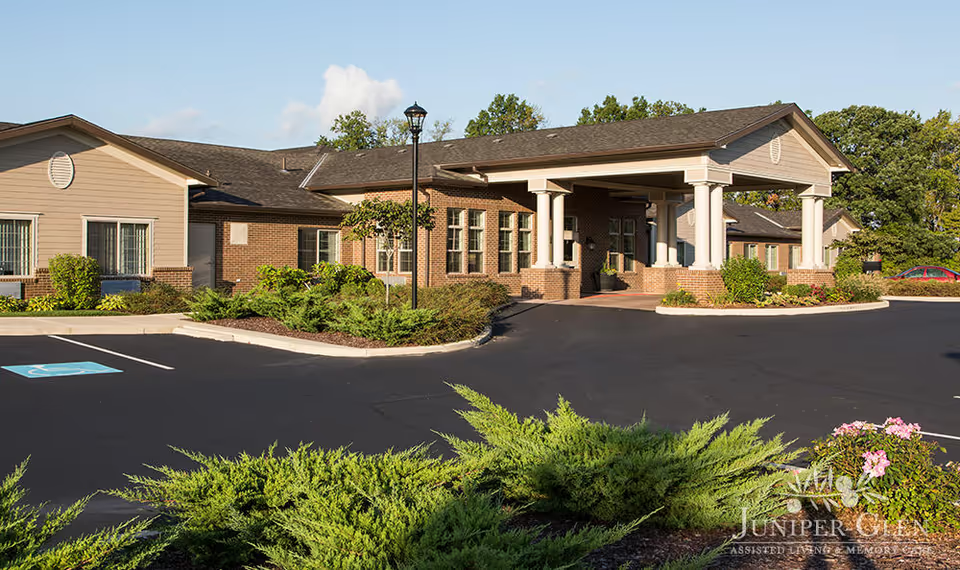
Reviewer accounts present a polarized picture of clinical and operational performance. The facility's rehabilitation program—particularly physical and occupational therapy—receives consistent praise for competence, motivation, and effective discharge planning. Several reviewers credited therapy staff with timely recovery and safe return home. Social work and front-desk personnel are also cited positively for helpfulness and administrative support. Renovation activity and a pleasant lobby were noted as signs of investment in the environment.
At the same time, a set of recurring operational deficiencies affects long-term care impressions. Many families described uneven nursing-floor performance: delays in medication administration and slow response to call lights, inconsistent adherence to individualized care plans, and concerns about incontinence-care processes. These items point to broader staffing and workflow constraints—reviewers frequently described short-staffing, high workload for on-floor staff, and times when only a single staff member was available for multiple residents. Several accounts referenced falls, transfers, and other events that highlight gaps in transfer-safety practices and incident-response coordination.
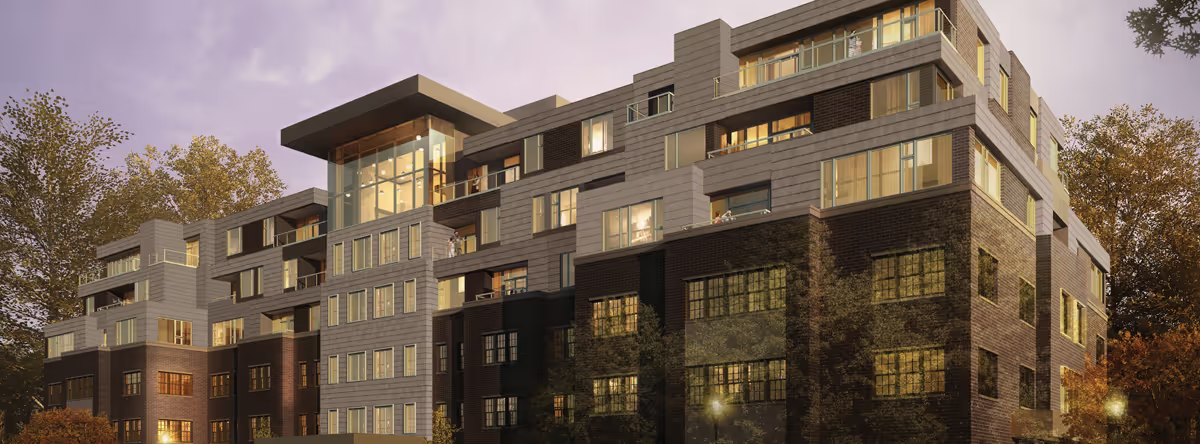
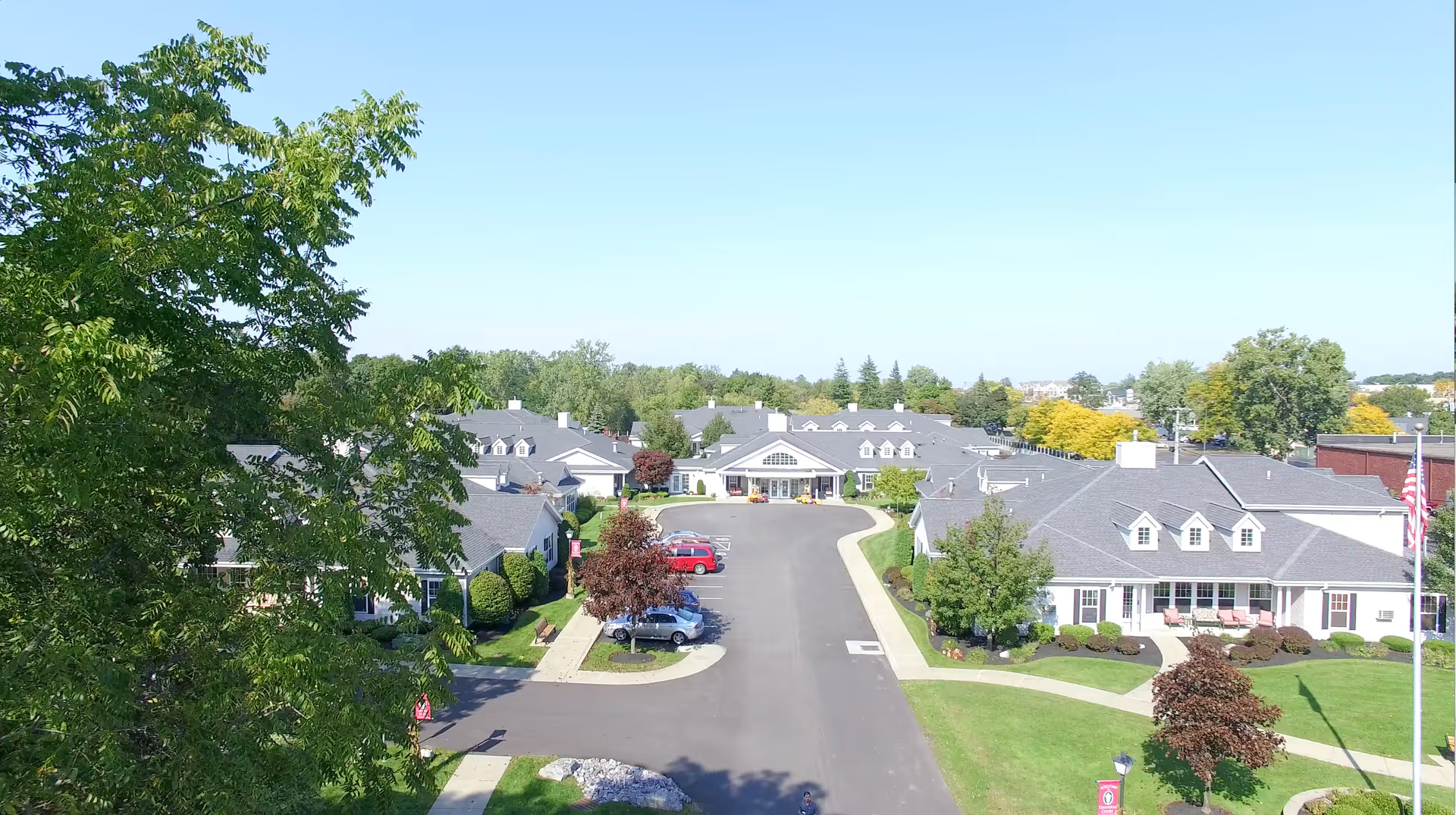
Facility and environmental issues form a second major cluster of concerns. The building is described as aging, with upper floors and some activity areas in need of updates. Housekeeping and sanitation lapses, odor-control problems in certain units and common areas, and pest-control concerns were repeatedly mentioned. While ongoing renovations were reported in some areas, the pace and scope of improvements appear uneven. Parking limitations and an appointment-based visitation policy were also raised as practical barriers for families.
Dining and activities show mixed feedback. A number of reviewers praised the social aspects of communal dining and noted positive mealtime interaction; others reported inconsistent meal quality and delayed service. Activity programming was characterized as adequate in some comments but outdated or limited in others, with the strongest programming concentrated around rehabilitation services.
Management and staff culture observations vary. Positive long-tenure staff and caring aides were contrasted with accounts of unprofessional conduct, dismissive supervisory responses, and communication breakdowns with families. A few reviewers referenced escalations to regulatory or executive offices, indicating serious individual concerns beyond routine complaints; these references suggest a need for transparent incident-handling and improved family communication.
Notable patterns: positive outcomes for short-term, therapy-focused stays versus more problematic experiences in long-term residential care; consistent praise for therapists and some direct-care staff alongside frequent operational weaknesses in staffing, sanitation, and communication. Prospective residents and family members should weigh the facility's strong rehabilitation services and individual staff strengths against documented facility-level concerns in environmental maintenance, staffing adequacy, and care-process reliability. An on-site visit focusing on cleanliness, staffing levels (including night coverage), medication-timing procedures, care-plan adherence, and recent renovation progress is advisable before making placement decisions.