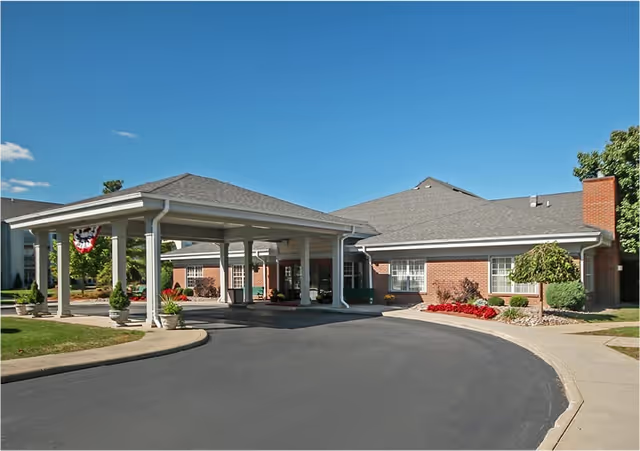
The set of reviews presents a polarized picture of Ellicott Center: notable strengths in therapy, certain frontline caregivers, and some social-work support coexist with recurring operational deficiencies. Families frequently praised the rehabilitation teams, therapists, and a number of individual staff members who provided personalized attention, helped residents progress in mobility and self-care, and supported discharge planning. A set of positive comments highlights meaningful activities (arts projects, crafts, some group games) and examples of clean, well-kept rooms and respectful front-desk interactions.
Quality of care descriptions are mixed but include several consistent clinical concerns. Reviews reference delays and omissions in medication administration, problematic wound-care follow-up, and lapses in feeding or suctioning for medically complex residents; these issues have been linked to hospital transfers and to family concerns about end-of-life care and clinical oversight. There are also repeated mentions of delayed responses to call bells and alarms, which reviewers identify as a safety risk. At the same time, the therapy department and a number of nurses and aides received positive feedback for facilitating recoveries and offering attentive hands-on care when available.
Staffing and conduct are central themes. Reviewers describe variable staffing levels, high turnover, and uneven training or supervision, which appear to underlie many of the operational issues—long waits for assistance, inconsistent bathing and toileting schedules, and inconsistent documentation practices. Several individual caregivers, including named staff and social workers, were singled out as supportive; however, families also describe poor phone responsiveness, voicemail problems, and managerial unavailability. There are also serious, isolated claims (including allegations of theft and an alleged sexual incident) that reviewers say prompted requests for external investigation; such claims warrant careful inquiry by regulators and prospective families.
Dining and activities receive mixed assessments. Some families report limited or inconsistent meal quality and mismatches between documented diets and served food, while others describe adequate dining and meaningful activities. The activity program appears uneven: examples of creative programming exist alongside reports of minimal engagement offerings for some residents.
Facility environment and operations reveal recurring themes: sanitation and odor concerns in common areas and rooms, laundry-management problems (mixing of clean and soiled clothing, missing personal items), maintenance delays, and pest-control concerns. Reviewers also note specific safety-related operational gaps such as missing bed rails or delayed assistance after falls. These items suggest inconsistent attention to environmental standards and resident property safeguards.
Management and communication practices are frequently criticized. Families report difficulty reaching supervisors, unanswered or full voicemail boxes, delayed incident follow-up, and what they perceive as insufficient accountability. Conversely, a subset of reviews commends specific administrative leaders and cites successful coordination in individual cases. Given the breadth of concerns, prospective residents and families should ask targeted questions about current staffing ratios, clinical oversight, medication-administration protocols, laundry/property procedures, pest-control measures, and incident-reporting practices during any visit.
Overall, Ellicott Center shows strengths in therapy and in the dedication of particular caregivers, but reviewers consistently identify systemic weaknesses in staffing, clinical follow-up, sanitation controls, property management, and communication. These patterns suggest that the facility’s performance may vary widely by shift and unit; in-person assessments, documentation requests, and direct conversations with clinical leadership are advisable before placement.