Overall impression: Reviews present a sharply polarized view of the facility. Several accounts describe successful short-term rehabilitation outcomes and positive interactions with specific therapists, nurses, and front-desk personnel. At the same time, a substantial body of feedback raises recurring operational and clinical concerns. Prospective families should weigh the facility's demonstrated rehabilitative strengths against these documented areas of inconsistency.
Care quality and clinical oversight: Reviewers describe a mix of competent clinical care (notably effective physical therapy and, in some instances, appropriate wound management) alongside significant gaps in basic nursing practices. Themes include inconsistent medication administration and monitoring, inconsistent application of topical treatments, and concerns about escalation of care when residents deteriorate. A number of accounts reference hospital readmissions and serious clinical outcomes, prompting questions about clinical oversight, handoffs at discharge, and adherence to safety policies such as appropriate bed-rail and transfer procedures.
Staff behavior and responsiveness: Feedback about staff is mixed. Many families singled out individual aides, nurses, and therapists as compassionate and professional; however, there are persistent reports of slow or delayed response to call bells, inattentive shifts, cell-phone use during work, and variability in tone and conduct. Night staffing and weekend coverage are described as particularly inconsistent. These patterns point to staffing-level constraints and supervision gaps that affect day-to-day responsiveness.
Dining, personal care, and activities: Dining experiences are described as inconsistent in both quality and timeliness—comments note cold meals, small portions, and instances where meal service did not meet expectations. Personal-care concerns include irregular bathing and grooming assistance, delays in toileting or incontinence care, and limitations in routine mobility support. Rehabilitation scheduling appears strong for some patients but limited at weekends, which can slow progress for residents relying on regular therapy sessions.
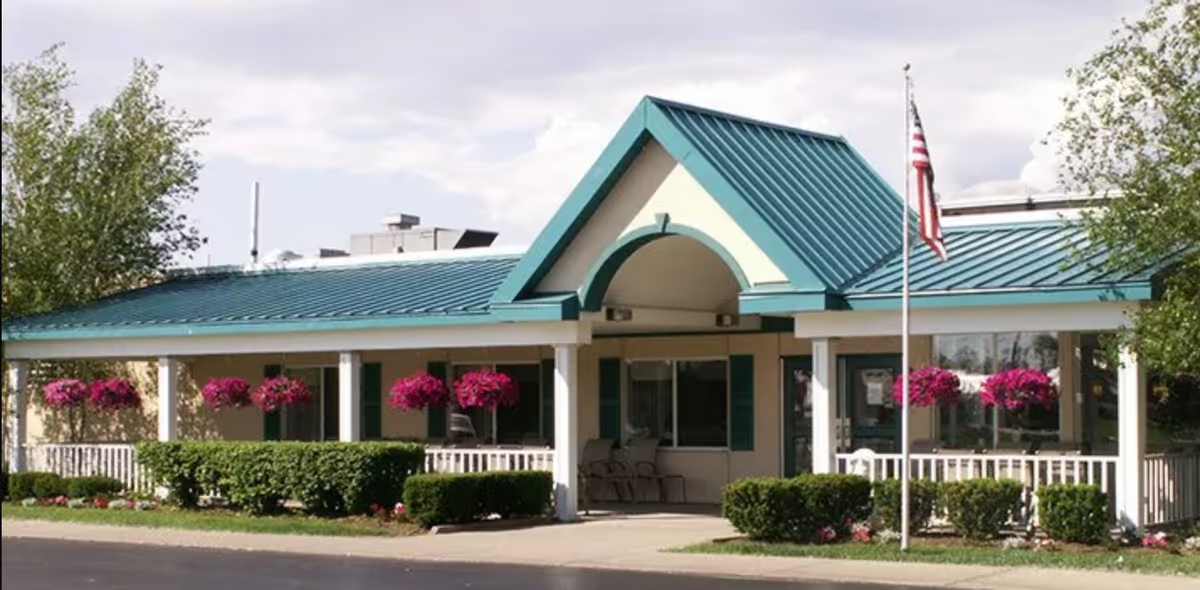
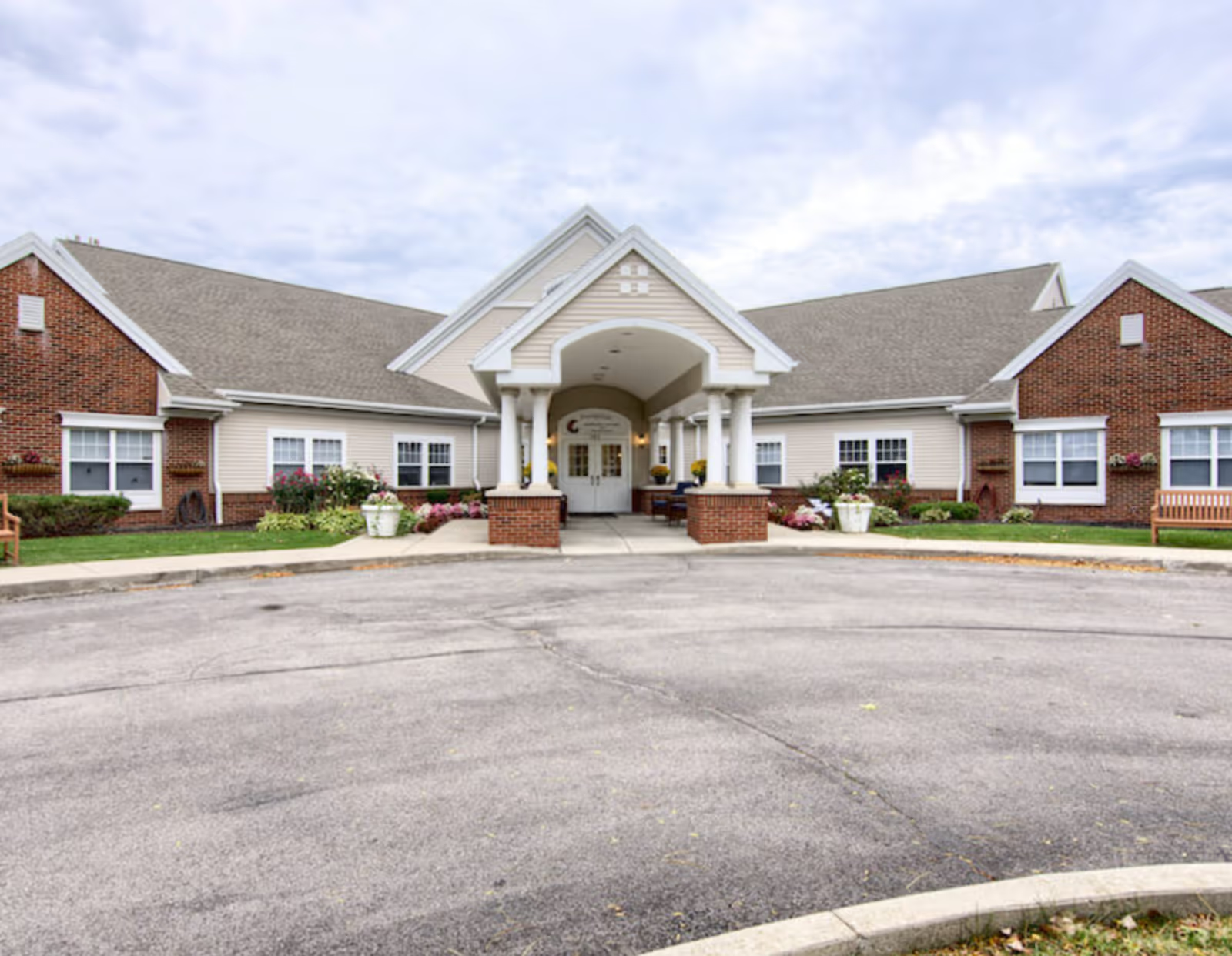
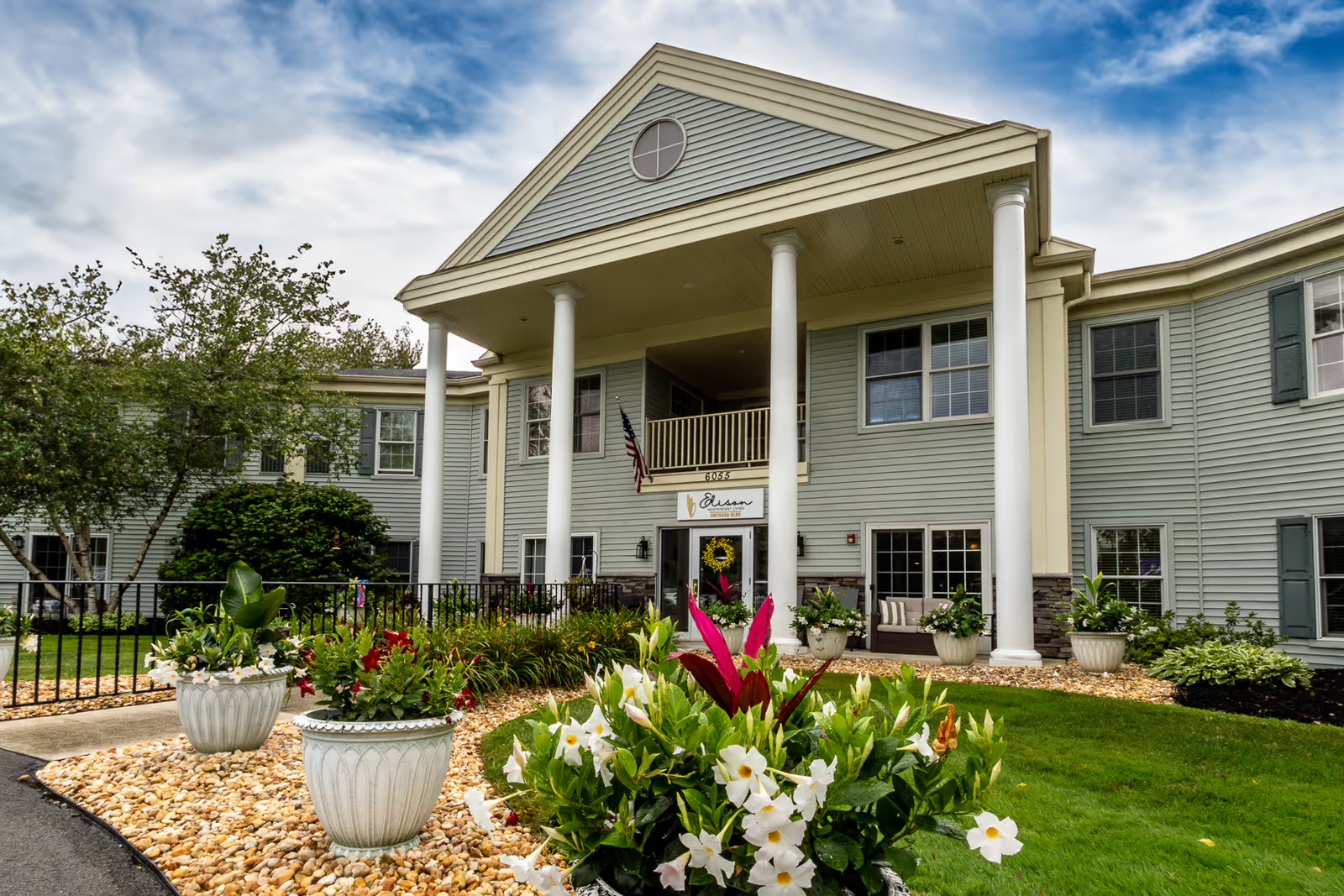
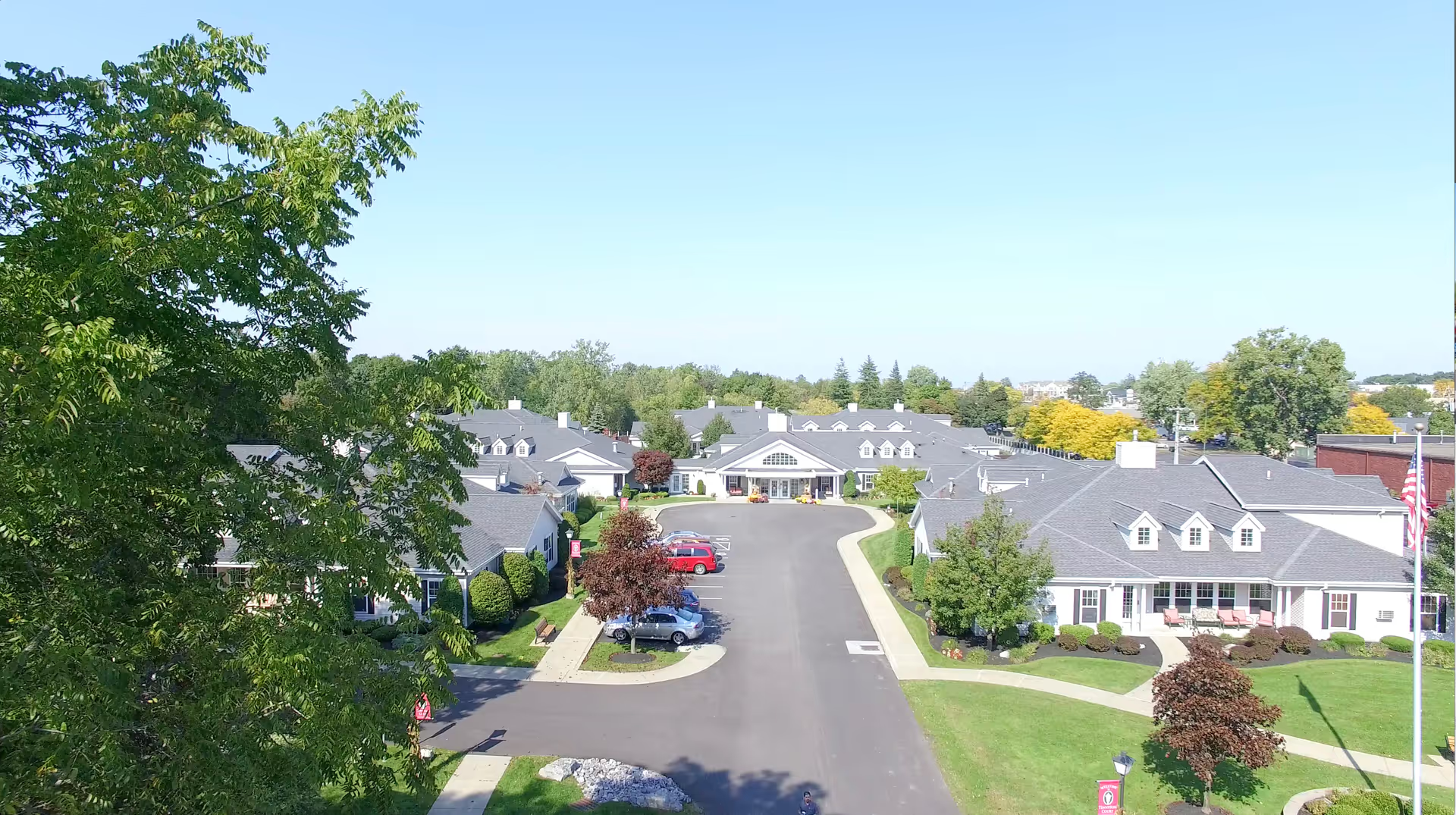
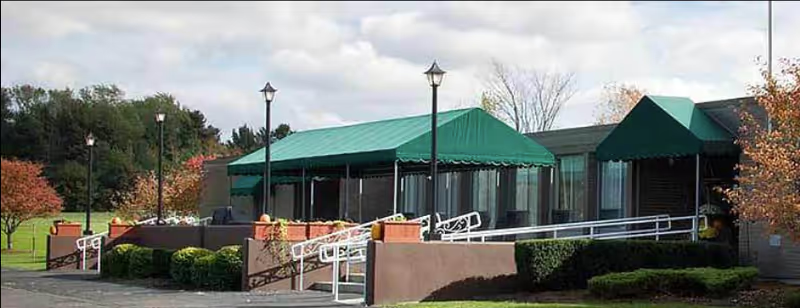
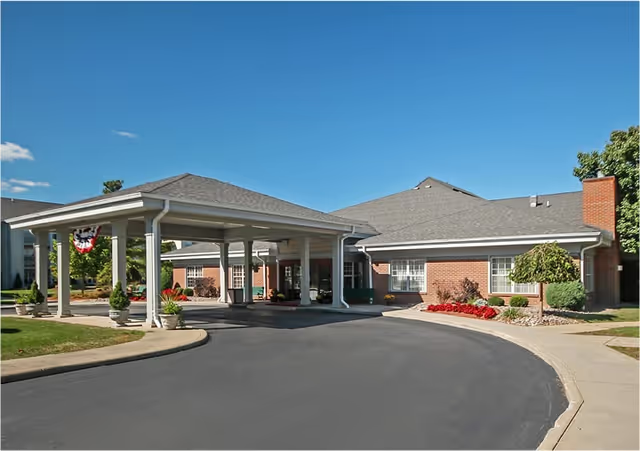
Facilities and environment: Multiple reviews raise maintenance and housekeeping issues: inconsistent cleanliness, supply shortages (towels, washcloths, bedding), furniture and equipment in need of repair, and erratic temperature control with reports of limited air-conditioning in warm conditions. These operational deficits affect resident comfort and may intersect with clinical risks for some frail residents.
Management, policies, and communication: Several reviews describe organizational problems such as frequent room moves without notice, documentation errors, and difficulty obtaining timely updates from administration. Some families reported that complaints were not resolved to their satisfaction and that regulatory or protective-services complaints were filed. There are also references to an ownership change; such transitions can contribute to inconsistency in policy enforcement and staffing stability.
Notable patterns and practical considerations: The strongest positive signal is the facility’s capacity to deliver effective, goal-oriented rehabilitation for certain patients under attentive therapists. The dominant negative signals are operational: inconsistent staffing and supervision, sanitation and personal-care management gaps, variable communication with families, and maintenance/temperature-control shortcomings. There are also a few serious allegations related to missing personal items and financial concerns that families may wish to clarify with facility leadership.
For families considering this facility: ask targeted questions about nurse-to-resident ratios and shift coverage (especially nights and weekends), protocols for medication administration and wound care, bathing and toileting schedules, visitor and security procedures, laundry and belongings management, and how the facility documents and responds to family complaints. If possible, seek references from recent residents who completed the same level of rehabilitation you anticipate, and consider unannounced visits to assess current cleanliness, staffing responsiveness, and dining service during typical mealtimes.