Greene Meadows presents a highly mixed profile: many families and clinicians praise the facility's rehabilitative strengths and the dedication of specific caregiving staff, while others raise operational concerns that appear to be correlated with staffing and leadership changes. The rehabilitation program (physical therapy, occupational therapy, and speech therapy) is a consistent strength across reviews, with numerous accounts of therapists and rehab techs who are patient-focused, effective, and engaged in individualized recovery plans. For short-term rehab patients the environment can be supportive and outcomes-oriented.
Nursing and direct-care staffing elicit polarized impressions. Numerous comments commend individual nurses and CNAs for compassionate, respectful care and for responsiveness when present. At the same time, persistent comments point to inconsistent staffing levels, particularly on nights and weekends, leading to delays in responding to resident requests and gaps in routine clinical tasks. These operational shortfalls are associated with missed or delayed medication administration, inconsistent clinical follow-up, and variability in bathing and hygiene schedules. Families identify specific caregivers by name as assets, which suggests that care quality can be highly dependent on who is on duty.
Dining and activities show a similar split. The activity program has several praised offerings — music, art projects, games, and organized interactions that residents enjoy — but reviewers also request greater variety and more consistent involvement from activity staff. Meal service is frequently described as uneven: while some find food satisfactory and nutritious, others cite late deliveries, cold trays, and inconsistent attention to dietary restrictions. Kitchen performance appears to be improving in some accounts but remains an area of recurring concern.
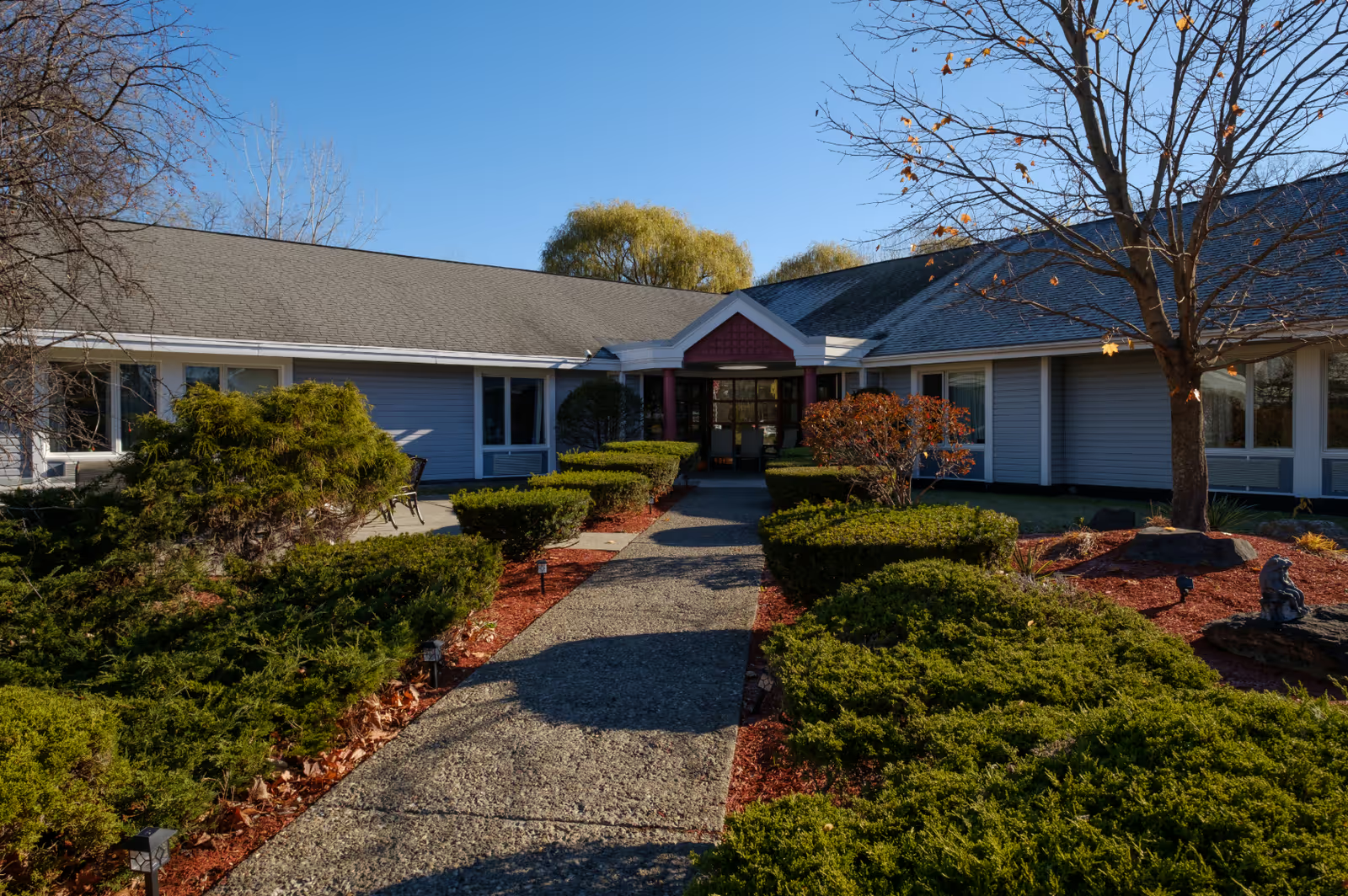
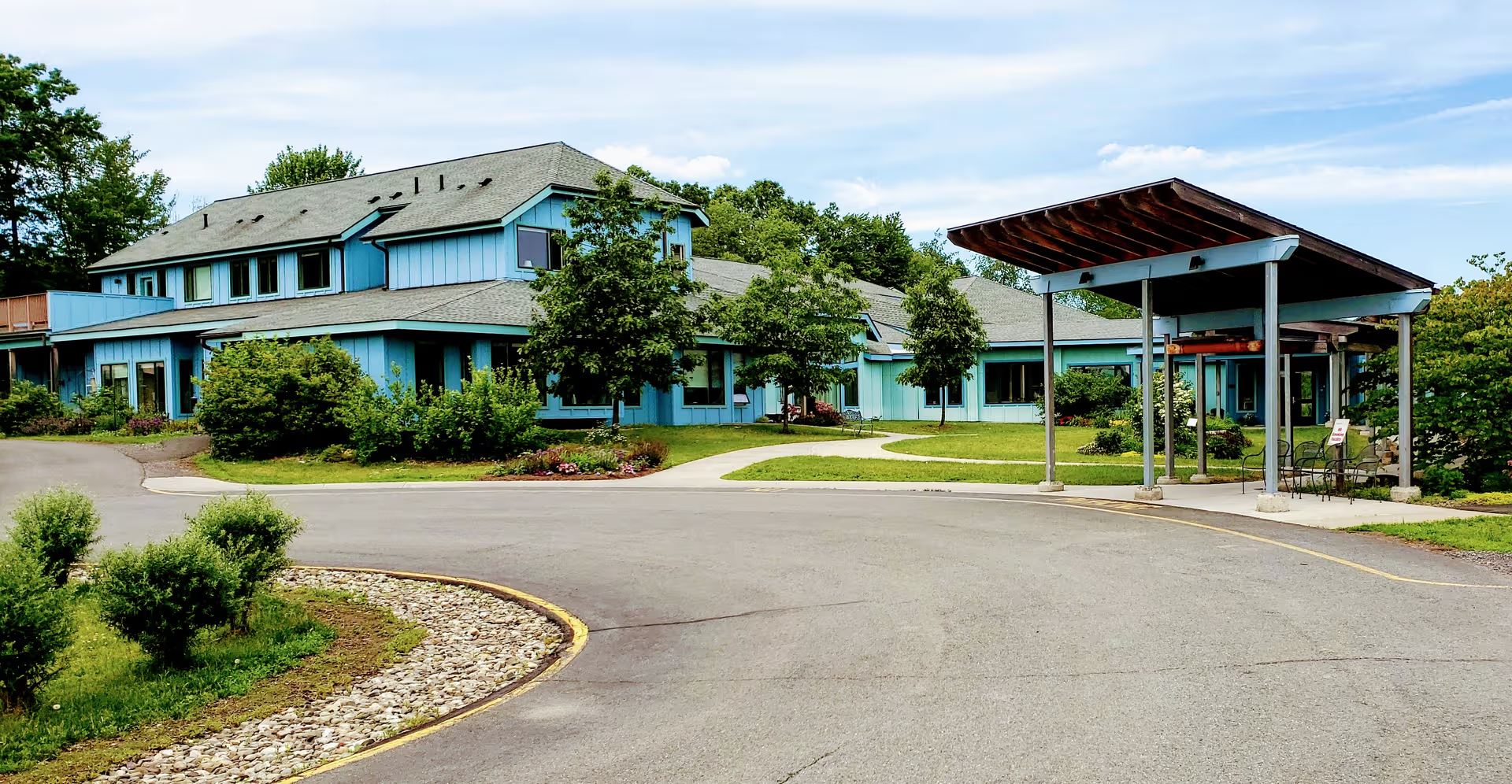
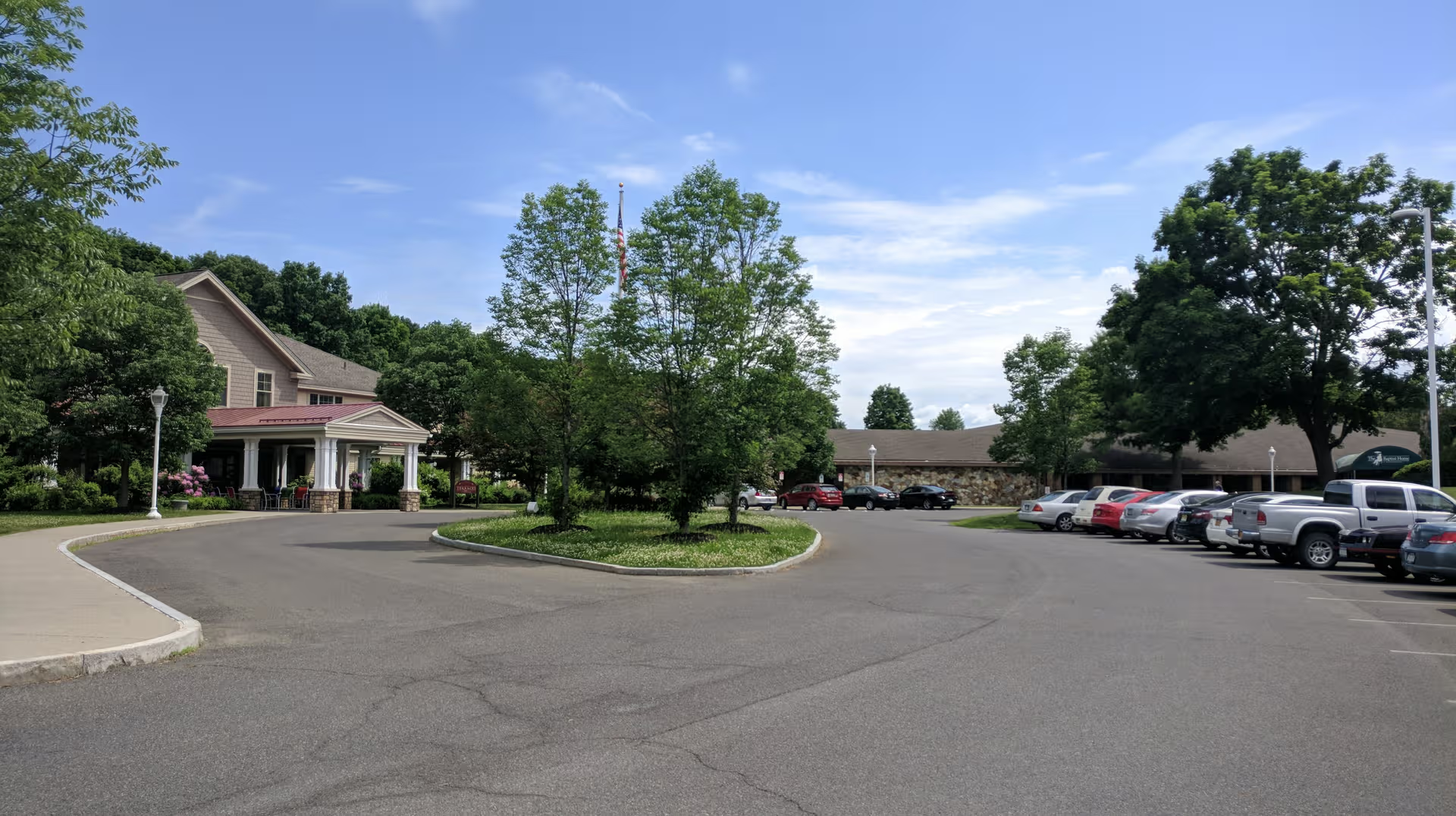
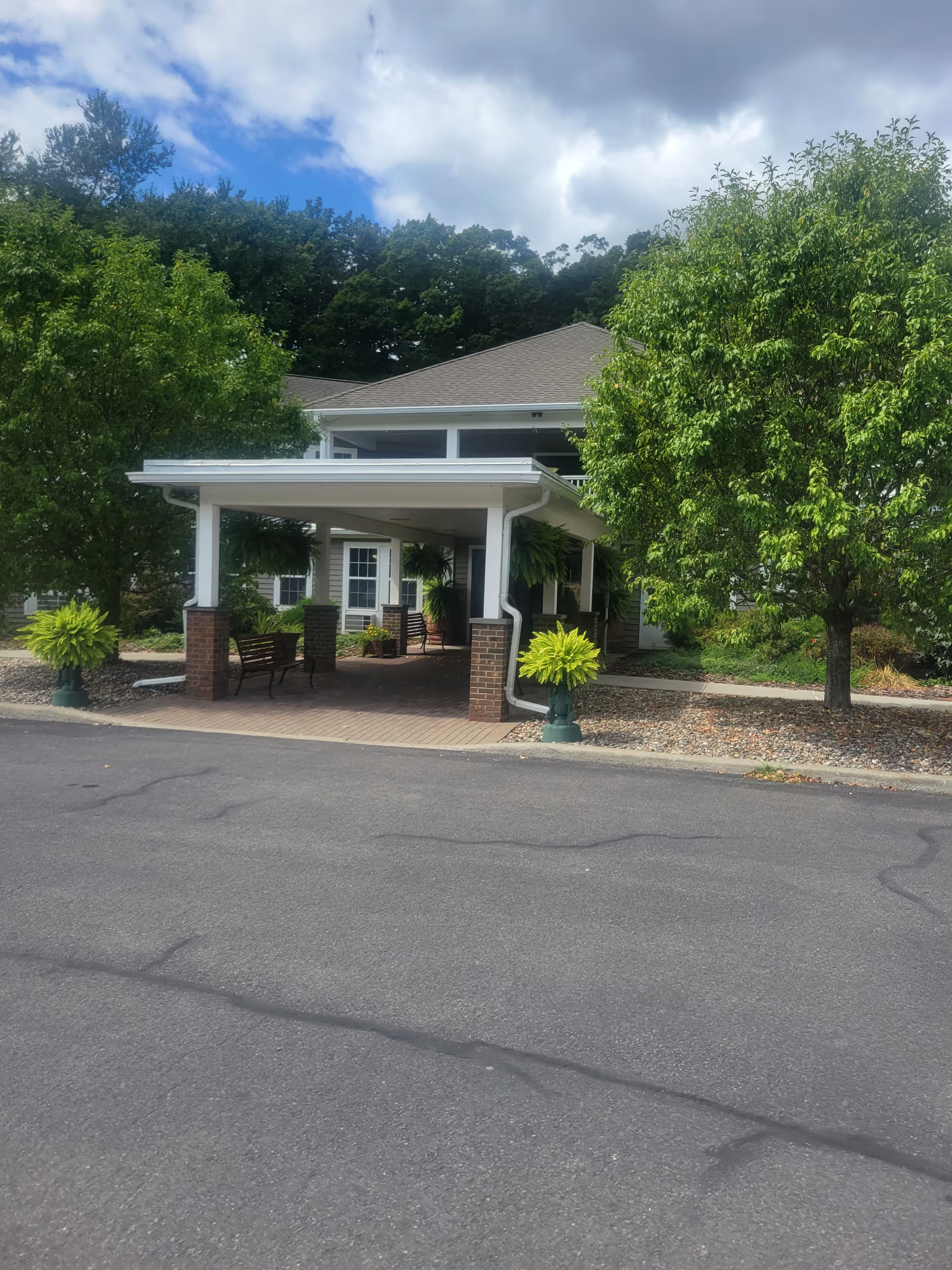
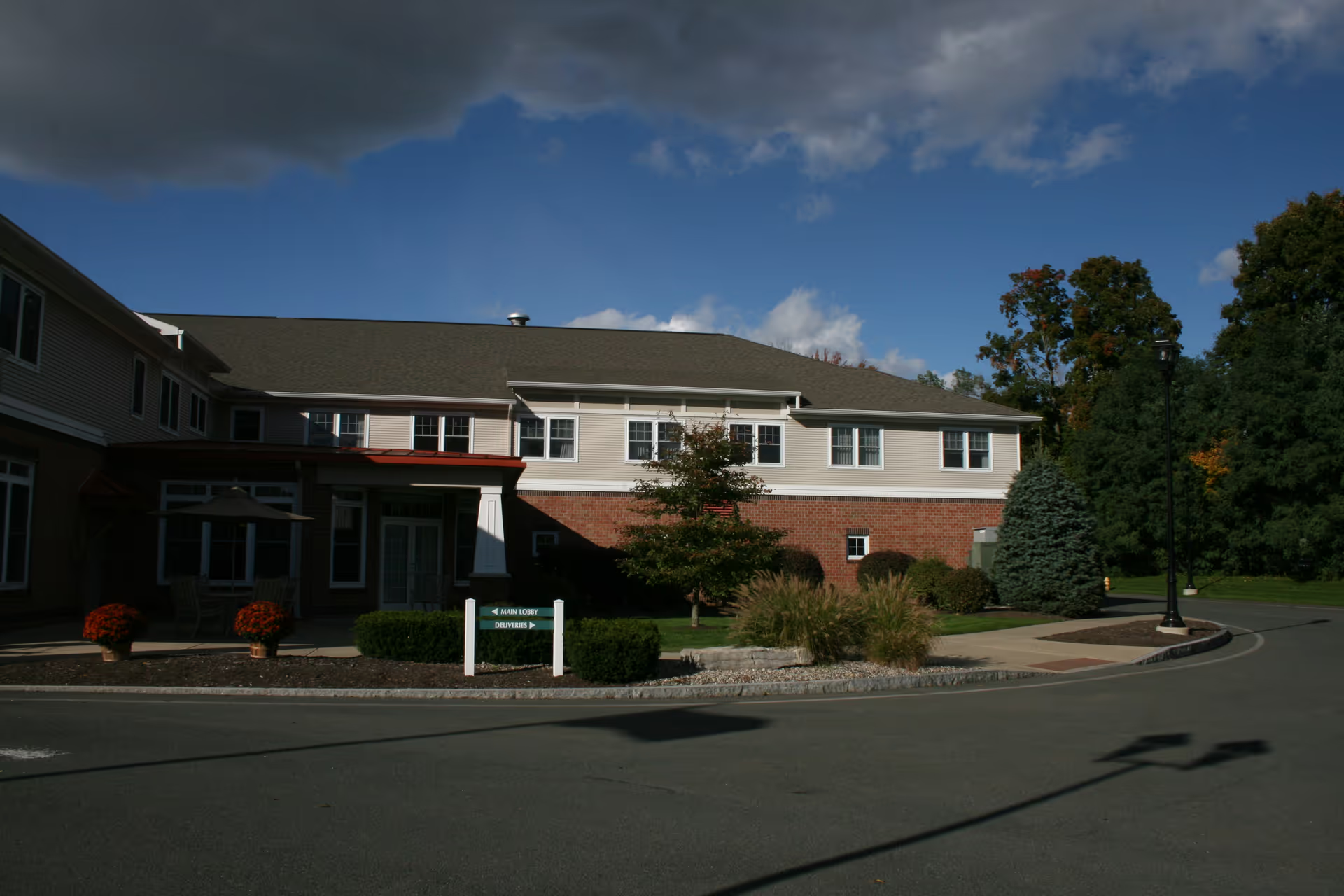
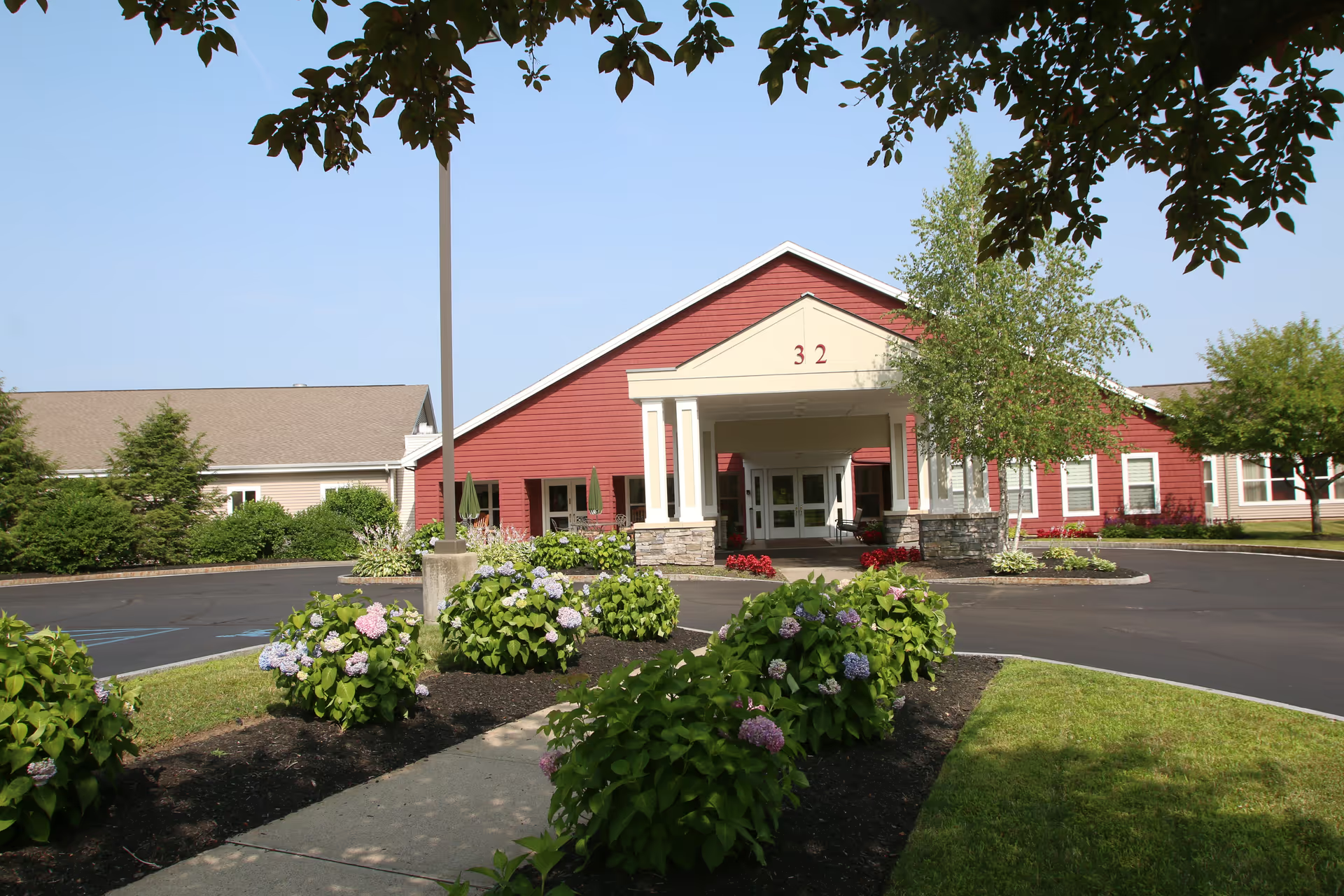
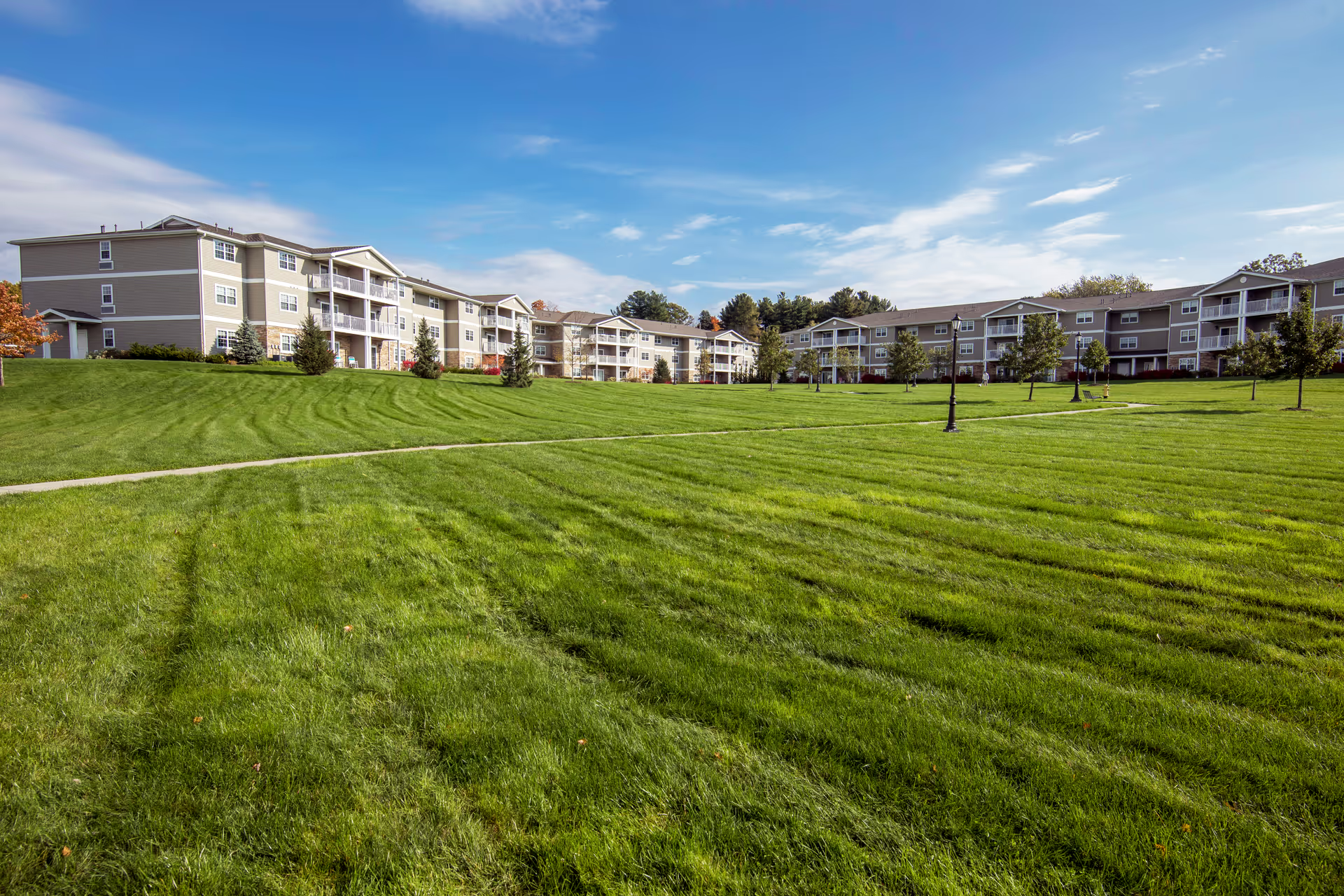
Facility condition and infection-control issues are inconsistent across reviews. Many families describe clean, modern common areas and well-maintained rooms; others report sanitation concerns in particular units, odor issues in some corridors, and pest-control problems. Maintenance responsiveness is often praised, suggesting that physical plant issues are addressed when raised, but the presence of sanitation and pest-control concerns indicates a need for more consistent housekeeping and preventive pest management practices.
Management, leadership, and administrative processes show signs of transition and instability. Reviewers reference ownership and administrator changes, variable supervisory presence, and instances of contentious front-desk or managerial interactions. Operational consequences noted include high staff turnover, HR and supervision gaps, and inconsistent enforcement of policies. There are also recurring concerns about billing and insurance coordination, including at least one significant unexpected charge, and allegations of missing personal items and security lapses; these issues suggest a need for stronger asset controls and clearer financial communication.
Taken together, the most salient pattern is a facility with clear clinical and rehabilitative strengths that is simultaneously challenged by uneven staffing, communication breakdowns, and periodic sanitation and security lapses. Prospective residents and families should weigh the strong therapy services and many examples of attentive staff against the documented operational variability. When considering admission, families may wish to: verify current staffing levels and leadership stability, discuss medication and hygiene protocols, confirm meal and dietary processes, and request written assurances about belongings security and billing practices. Visiting during different shifts may help prospective families assess the consistency of care and environment firsthand.