The Pines at Catskill Center for Nursing and Rehabilitation elicits a broadly mixed-to-positive impression with a strong concentration of praise for short-term rehabilitation and many individual staff members. Therapy services (physical and occupational therapy) are consistently described as a strength: reviewers attribute measurable functional progress, good therapist engagement, and a strong orientation toward returning residents home. Short-term rehab stays and rehab-focused outcomes are among the facility’s most prominent strengths.
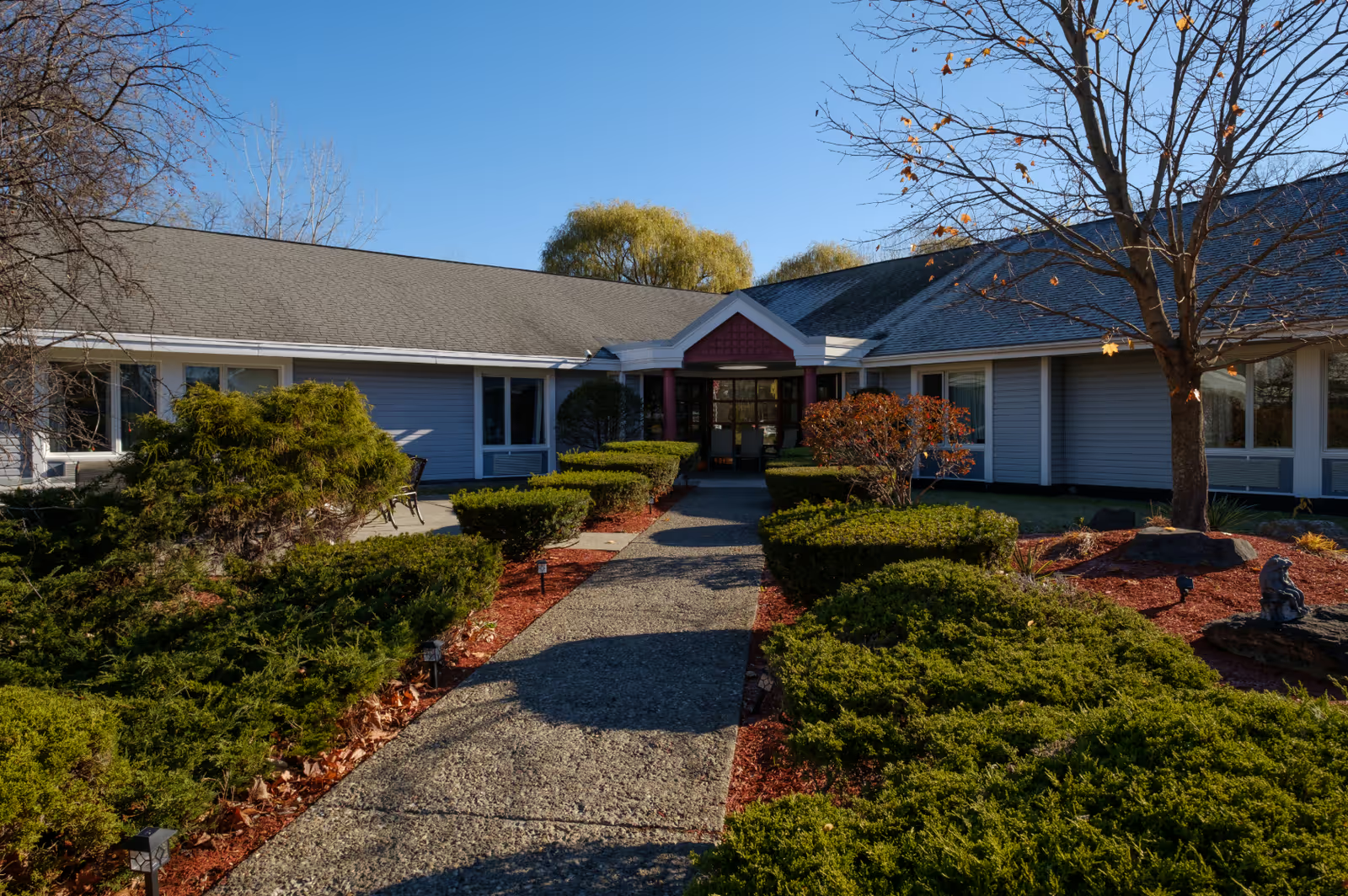
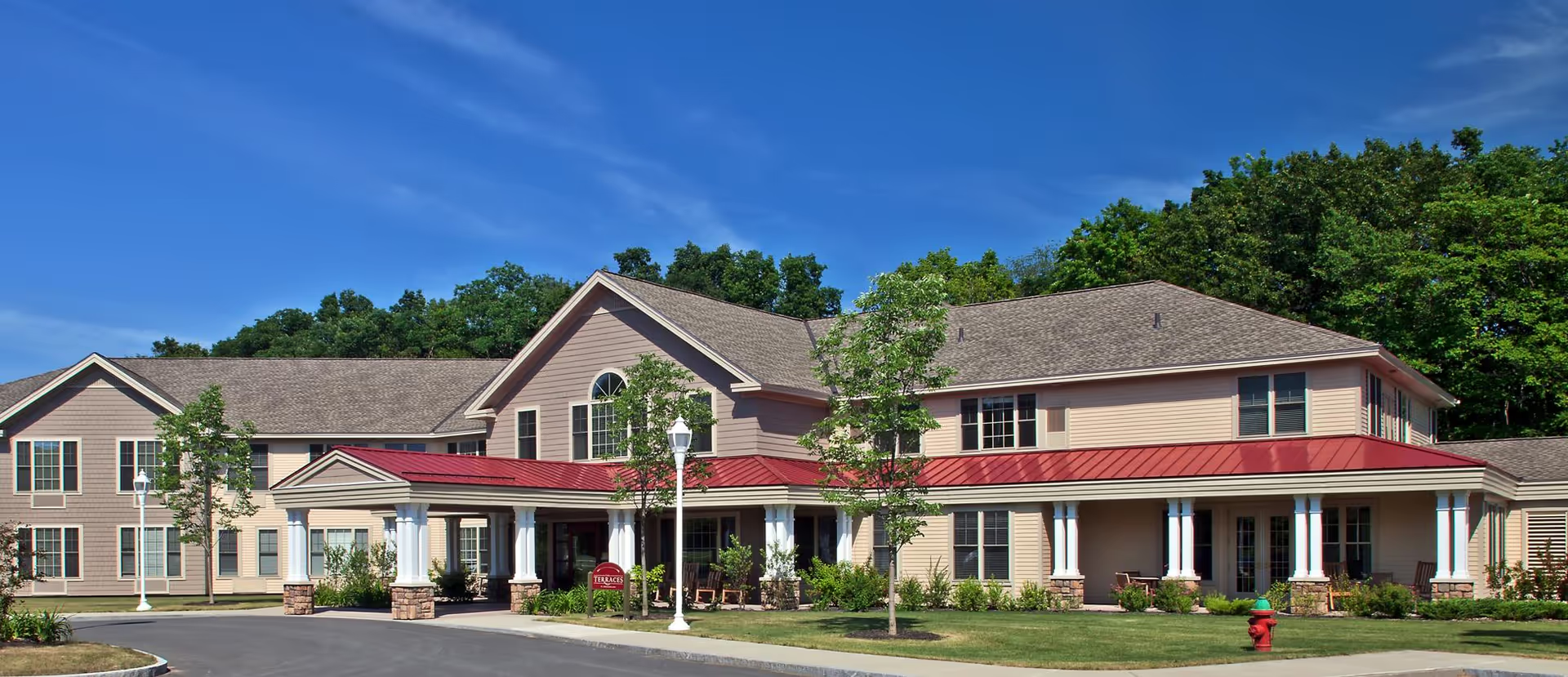
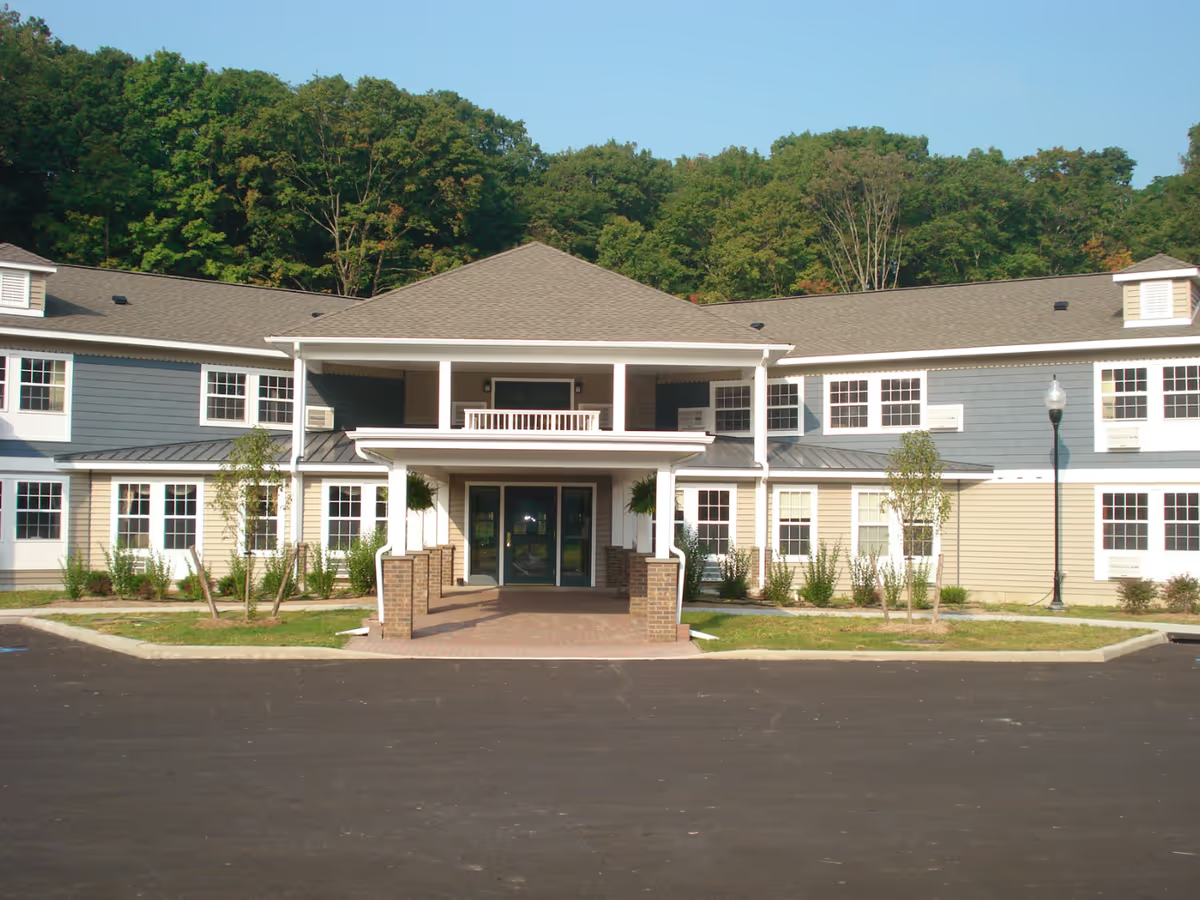
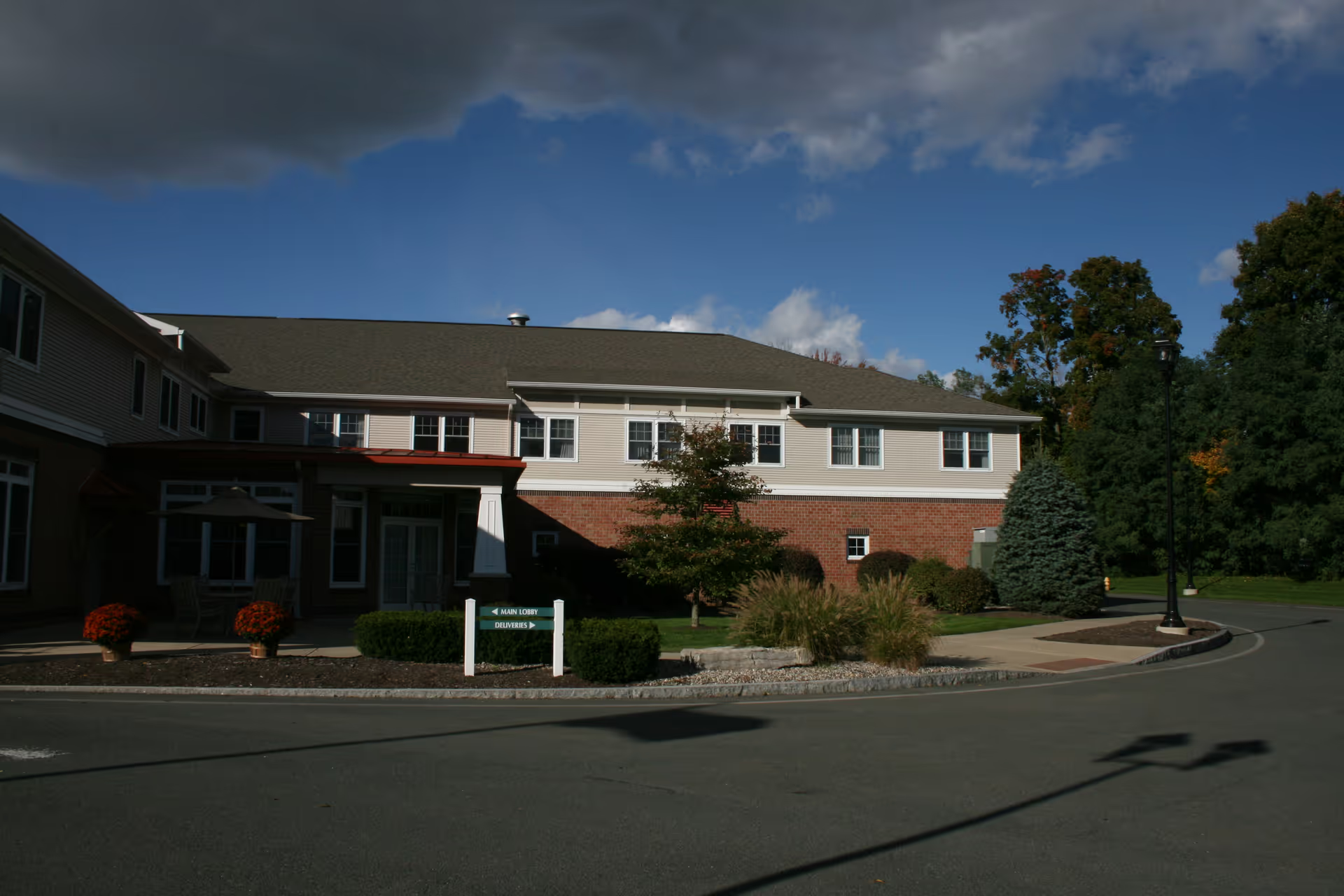
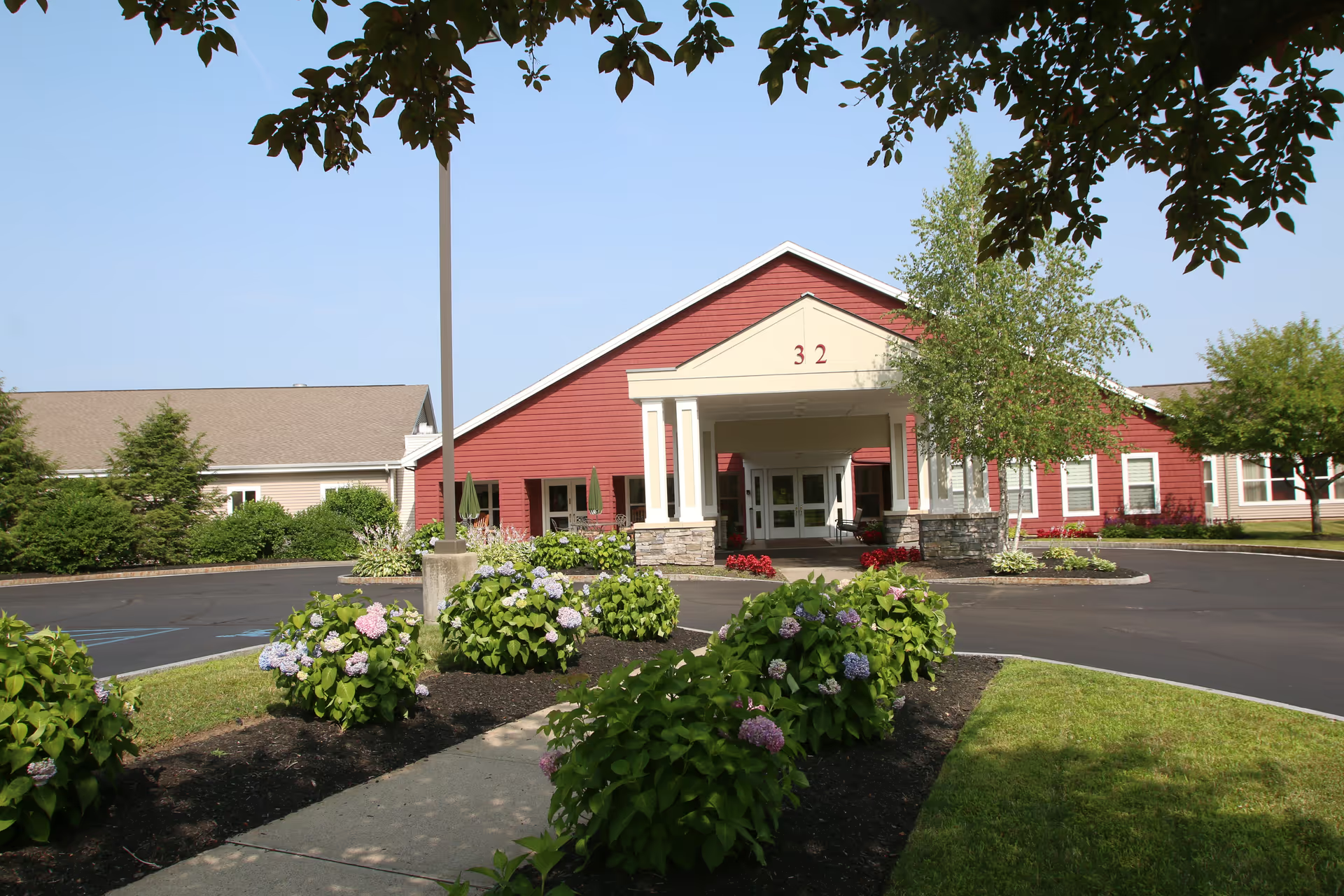
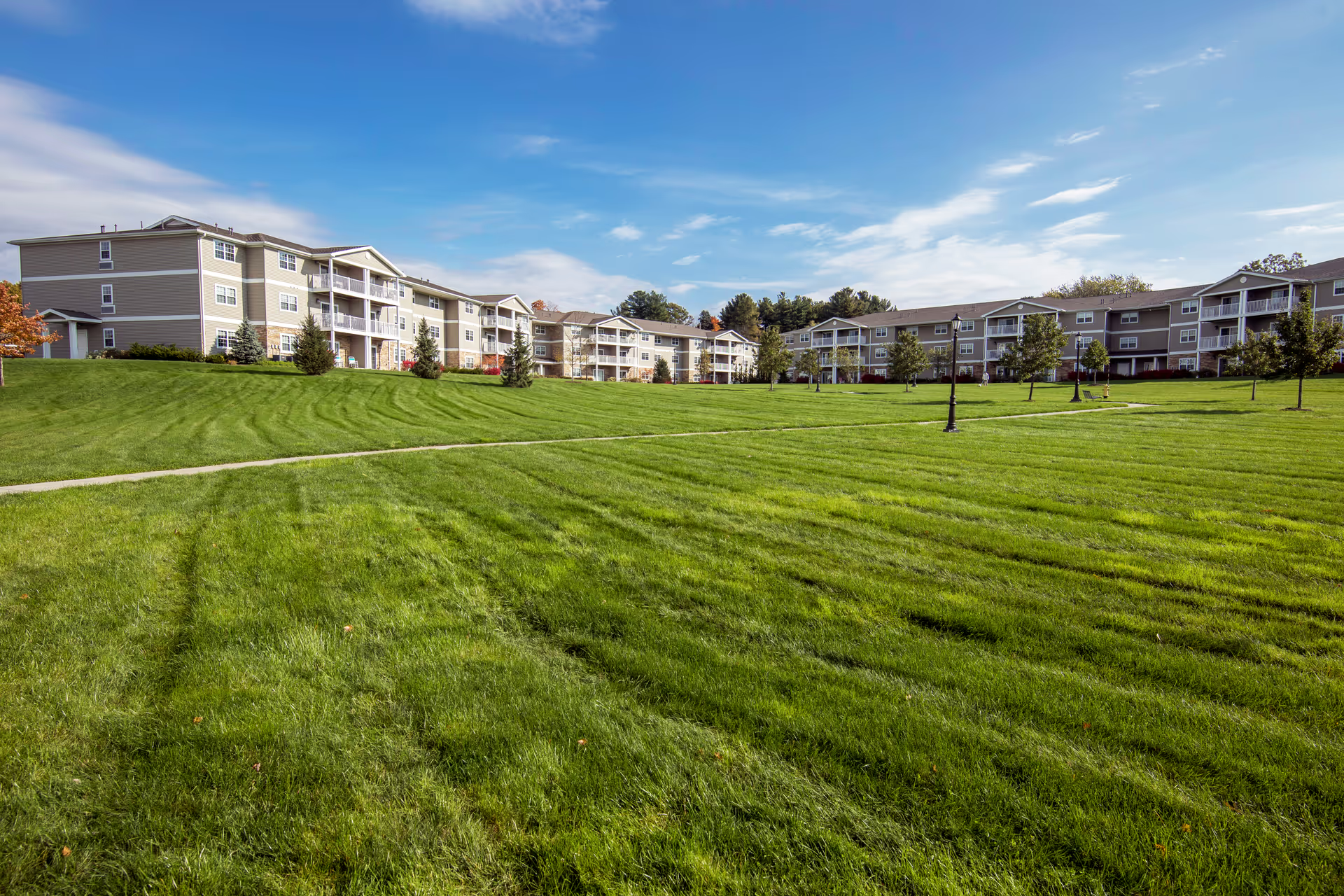
Nursing and direct-care staff receive frequent compliments for compassion, attentiveness, and dignity-preserving interactions. Many reviewers highlight warm front-desk and admissions experiences, helpful discharge planners, and an administrative team that has been responsive in numerous cases. Housekeeping and environmental services are often credited for a clean, well-maintained appearance, and several comments emphasize the facility’s home-like atmosphere and attractive grounds.
Dining is generally framed positively for providing home-style meals and accommodating special diets (including vegetarian and vegan options). At the same time, there is variability in perceptions of food quality and consistency: some families praise portion size and taste, while other reviewers describe bland or unsatisfactory meals. Families should confirm diet accommodations and menu options on admission if specific dietary needs are important.
Activities and social programming receive favorable remarks; an engaged activities director and opportunities for participation are noted as contributing to resident wellbeing. Clinical services such as wound care and infection-control protocols also receive positive mention in many reviews, and reviewers often report clear COVID-era procedures.
Several operational and quality patterns warrant attention. Staffing levels and on-call CNA availability are recurring concerns, with reviewers describing occasional shortages that affect responsiveness to call bells and timely assistance. There are also comments indicating inconsistent clinical monitoring and discharge decision-making in some instances, including questions about oxygen management and other post-acute transitions. Sanitation and odor concerns are raised in a minority of accounts and should be assessed directly during a visit. Additionally, some reviewers describe workplace-culture issues—perceptions of favoritism, gossip, or pressure on staff—that could affect consistency of care across units.
Taken together, the facility appears to provide strong rehabilitation services and many examples of compassionate, high-quality care, particularly on the rehab unit. However, variability in staffing, responsiveness, food quality, and unit-to-unit consistency creates mixed experiences for families. Prospective residents and families would be well served by an in-person visit focused on the specific unit they are considering, direct discussion of staffing and clinical-monitoring practices, and verification of meal/diet accommodations and infection-control procedures. For anyone evaluating placement, clarifying on-call coverage, discharge protocols, and mechanisms for raising and resolving concerns with administration would be prudent steps.