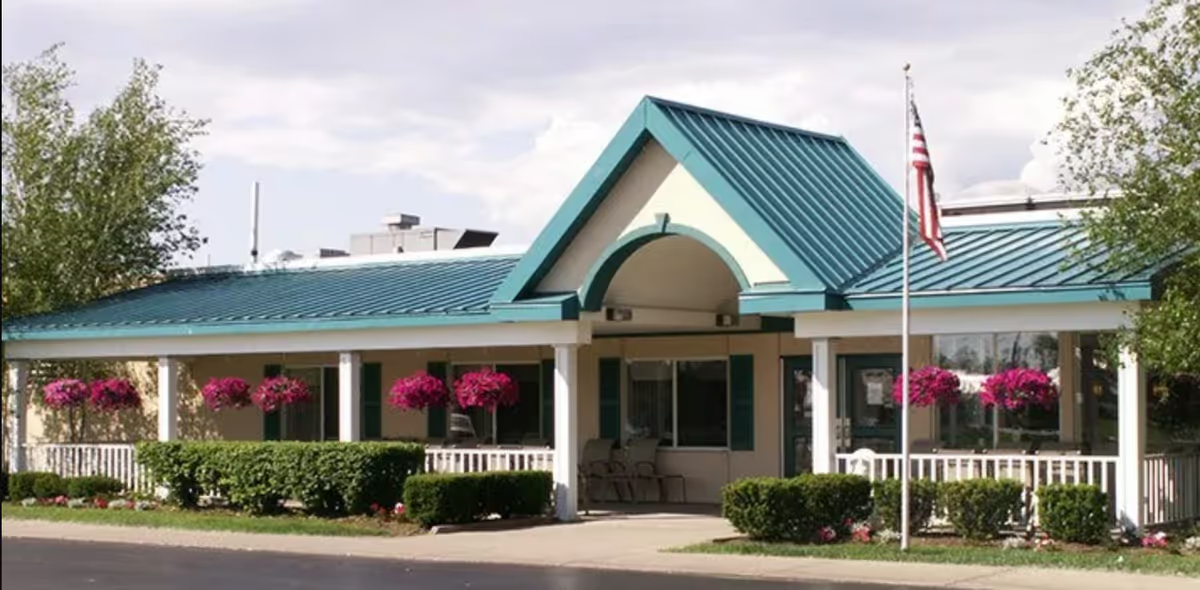
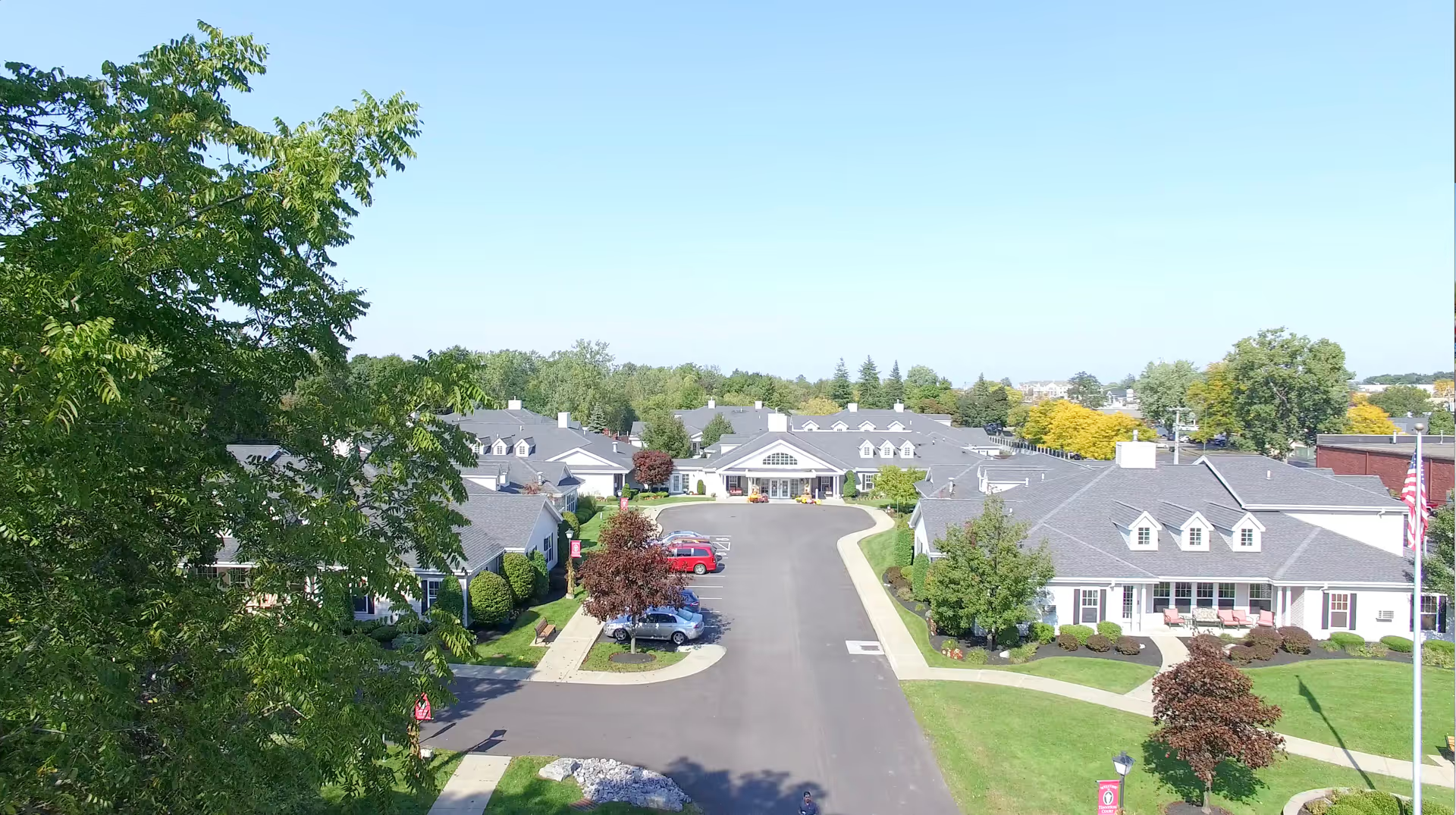
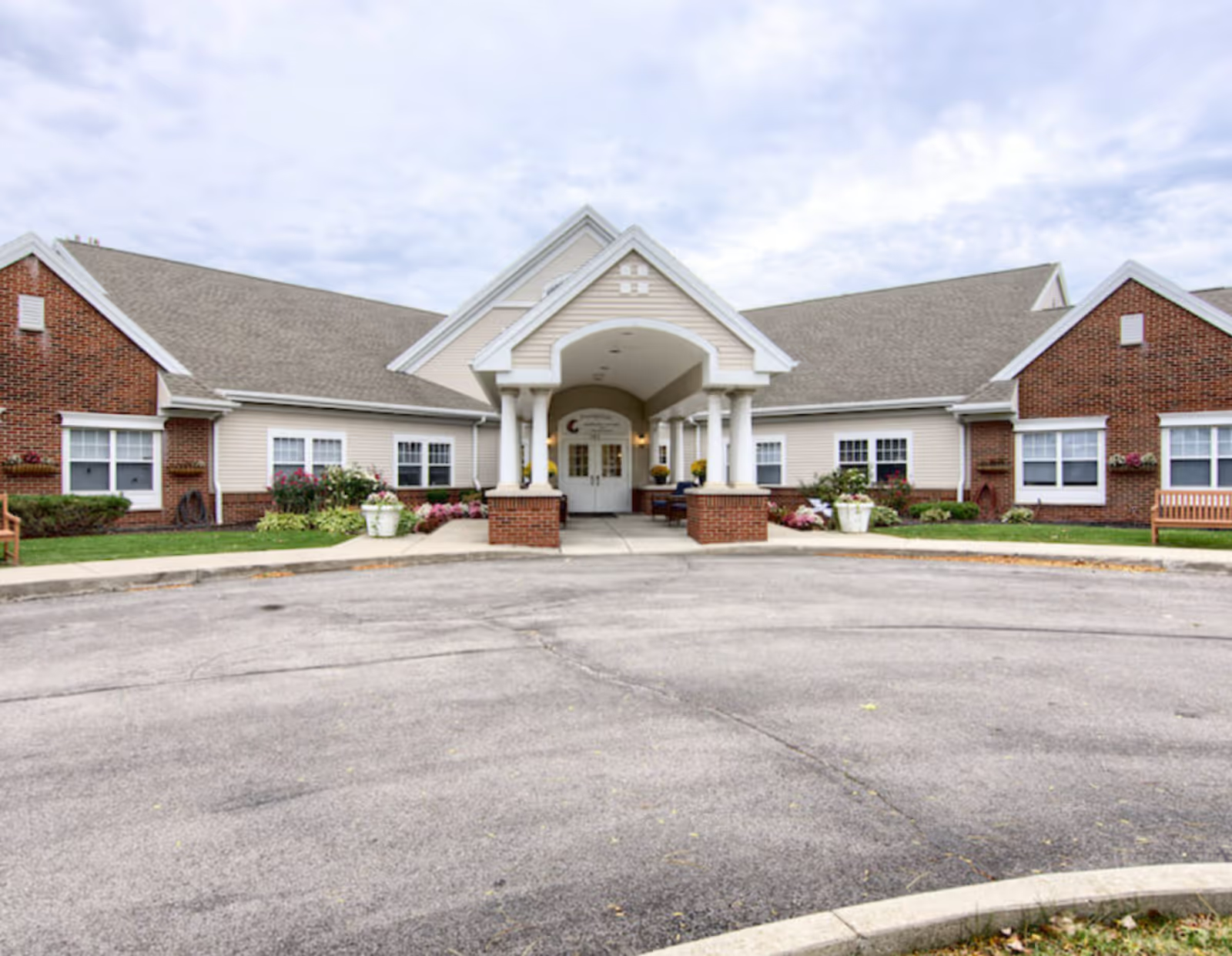
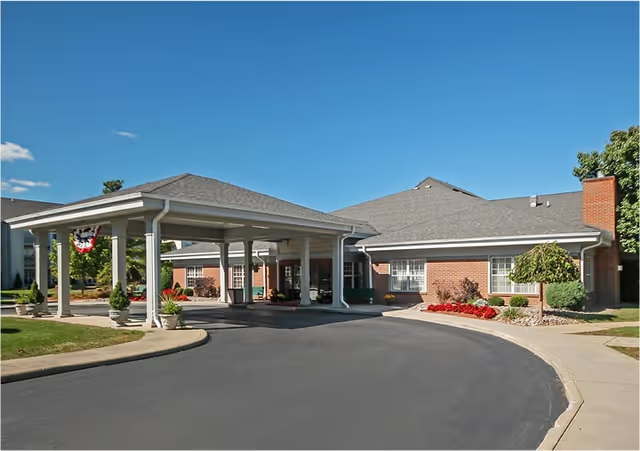
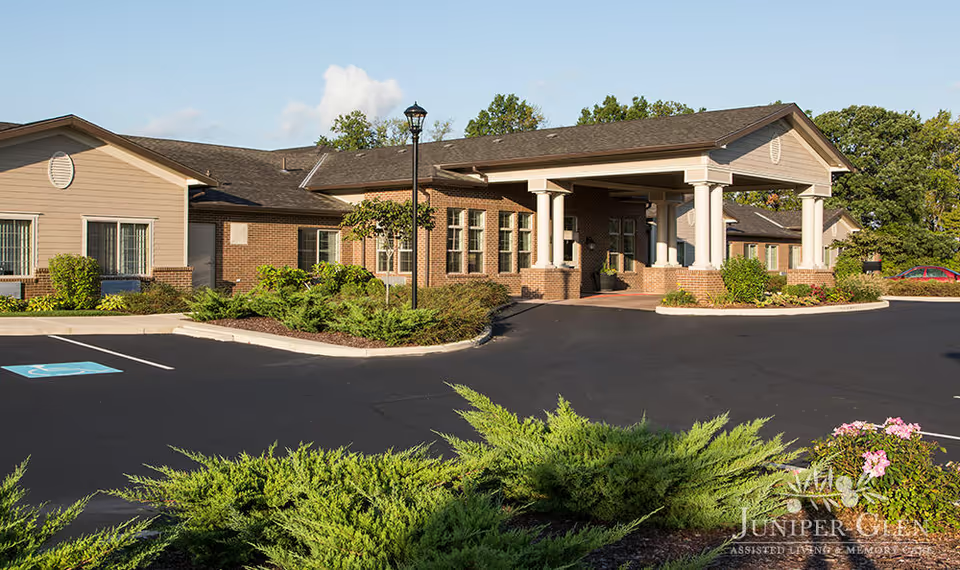
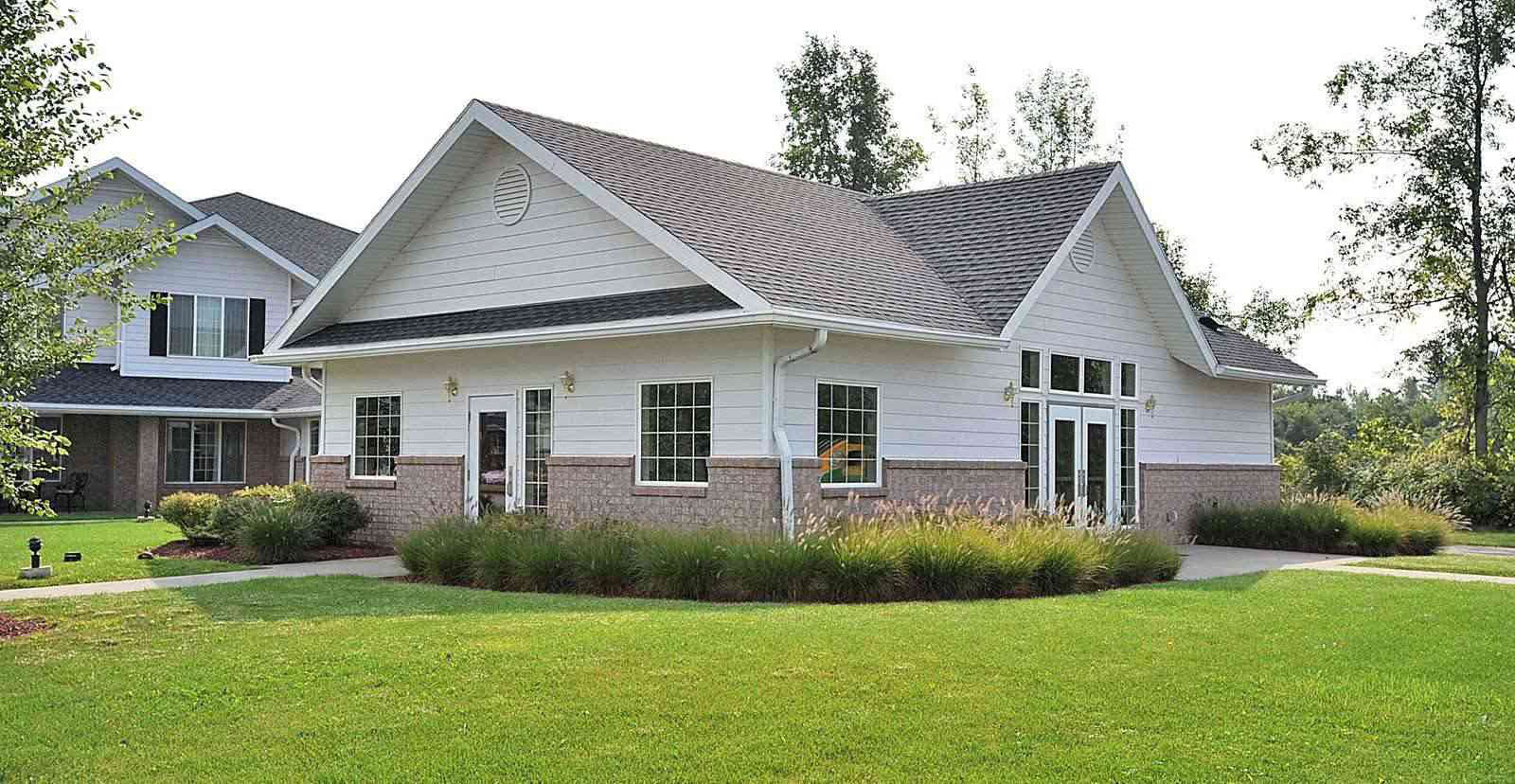
Elderwood at Cheektowaga elicits strongly polarized impressions. Many families describe strong rehabilitative outcomes and attentive frontline caregivers: the facility’s PT/OT/Speech offerings are repeatedly cited as effective, and several aides and nurses receive individual praise for compassionate, engaged care. Public spaces — including the library, salon, activity rooms and outdoor areas — are generally described as clean and welcoming, and families who experienced timely communication from nursing and social work staff report positive care transitions and discharge planning.
At the same time, a consistent set of operational concerns appears across reviews. Staffing levels — particularly on nights and weekends — are frequently described as inadequate, and that shortfall is linked to slow call-button response times, inconsistent bathing schedules, and apparent delays in basic personal care. Medication administration issues (late or missed doses and timing inconsistencies) and gaps in wound management and safety oversight are noted often enough to be a pattern-level concern rather than isolated incidents. Sanitation-related issues, including odor concerns and linen/room-cleaning inconsistencies in resident rooms, contrast with the generally cleaner common areas.
Dining experiences are mixed: some residents and families praise varied menu selections and desserts, while others report cold meals, difficulty accommodating dietary restrictions, and occasional illness attributed to food. Activity programming and amenities receive positive comments (bingo, wheelchair-accessible activities, library resources for visually impaired residents), contributing to a welcoming atmosphere for those who participate. Private rooms with ensuite bathrooms and accessible features are appreciated when available; double rooms are described as comfortable and roomy enough for visitors and mobility devices.
Management and communication are another area of divergence. When social work and nursing leadership are proactive, families report clear updates and smooth coordination. Conversely, other families experienced poor phone responsiveness, unclear visitation guidance during infection-control events, and limited discharge assistance. Reports of unprofessional conduct (excessive personal device use, inappropriate conversations) and concerns about belongings management have been raised and should be clarified during admissions.
Practical guidance for prospective residents and families: visit multiple units and different shifts if possible; ask about weekend and night staffing ratios, medication-administration protocols, wound-care and skin-check procedures, and specific dietary accommodations; request to see the resident room and common areas, and ask about linen/change schedules and infection-control/visitation policies. For families relying on rehabilitative progress, the therapy department appears to be a strong asset, but consistent oversight of daily care and maintenance practices may vary. Regular family involvement and clear, documented expectations appear to improve outcomes for residents at this facility.