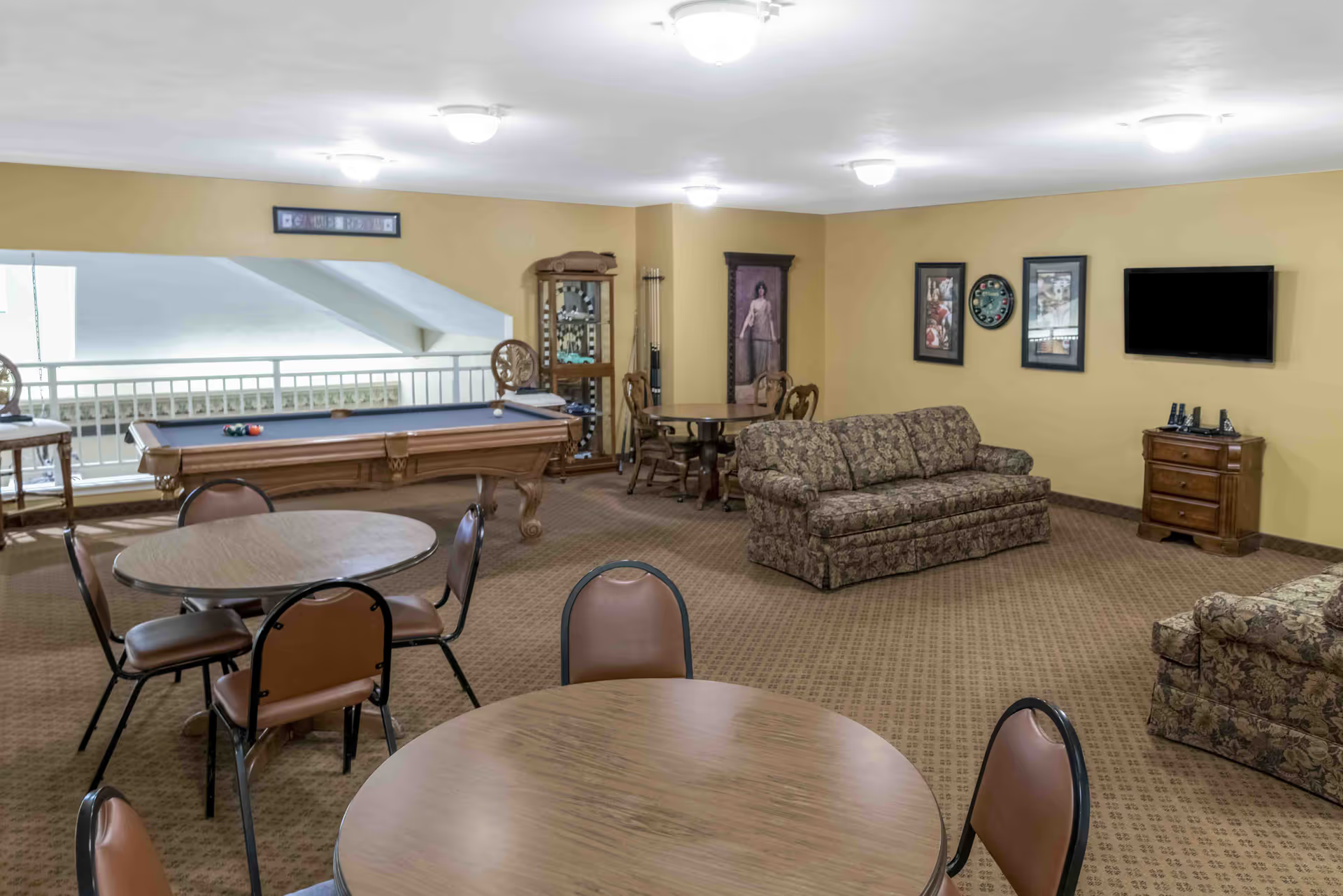
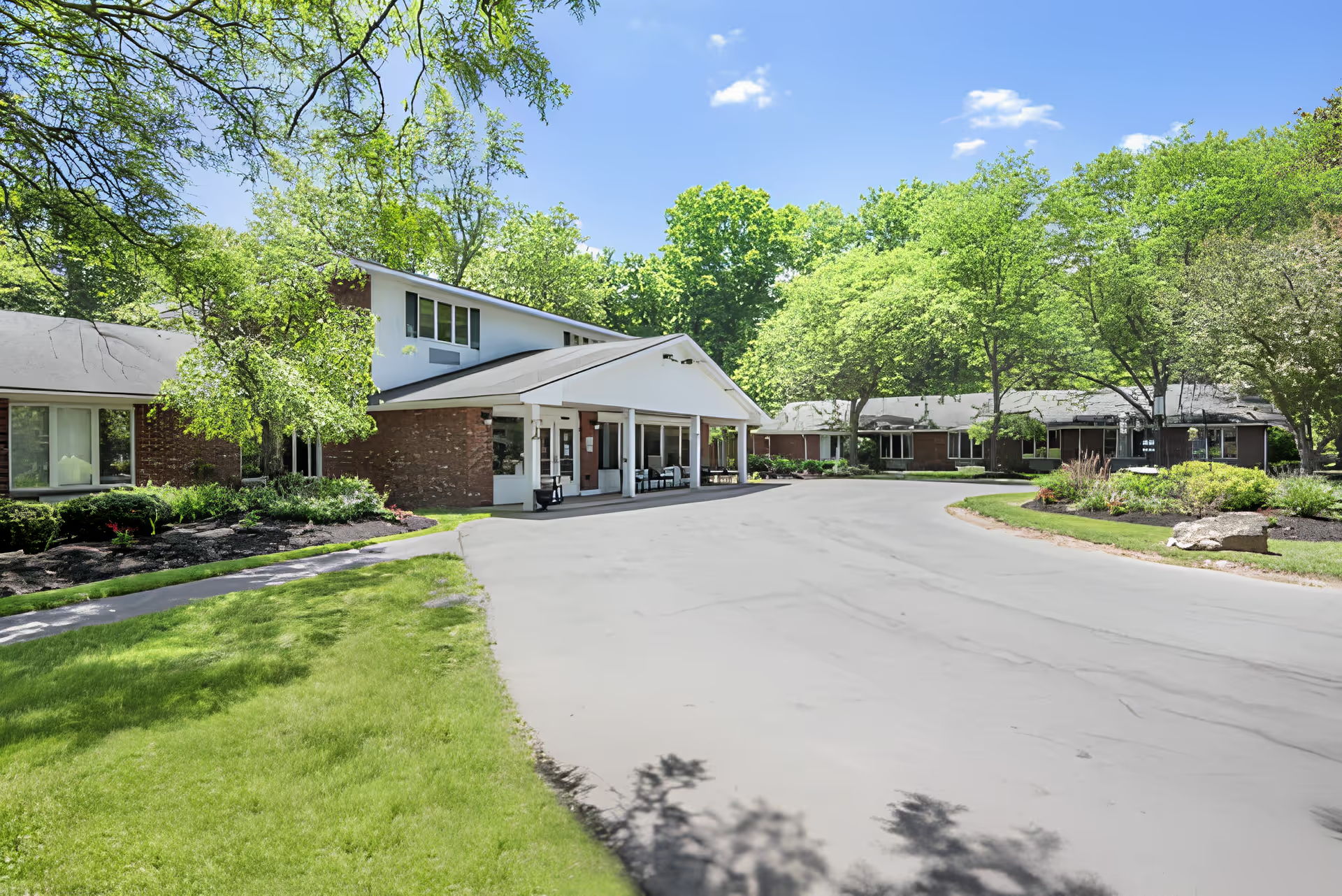
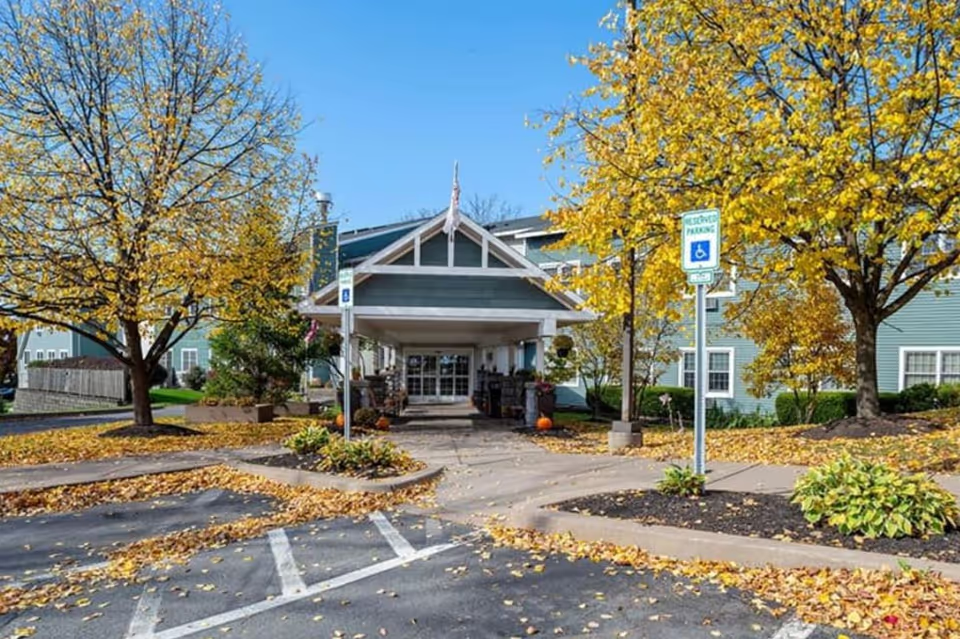
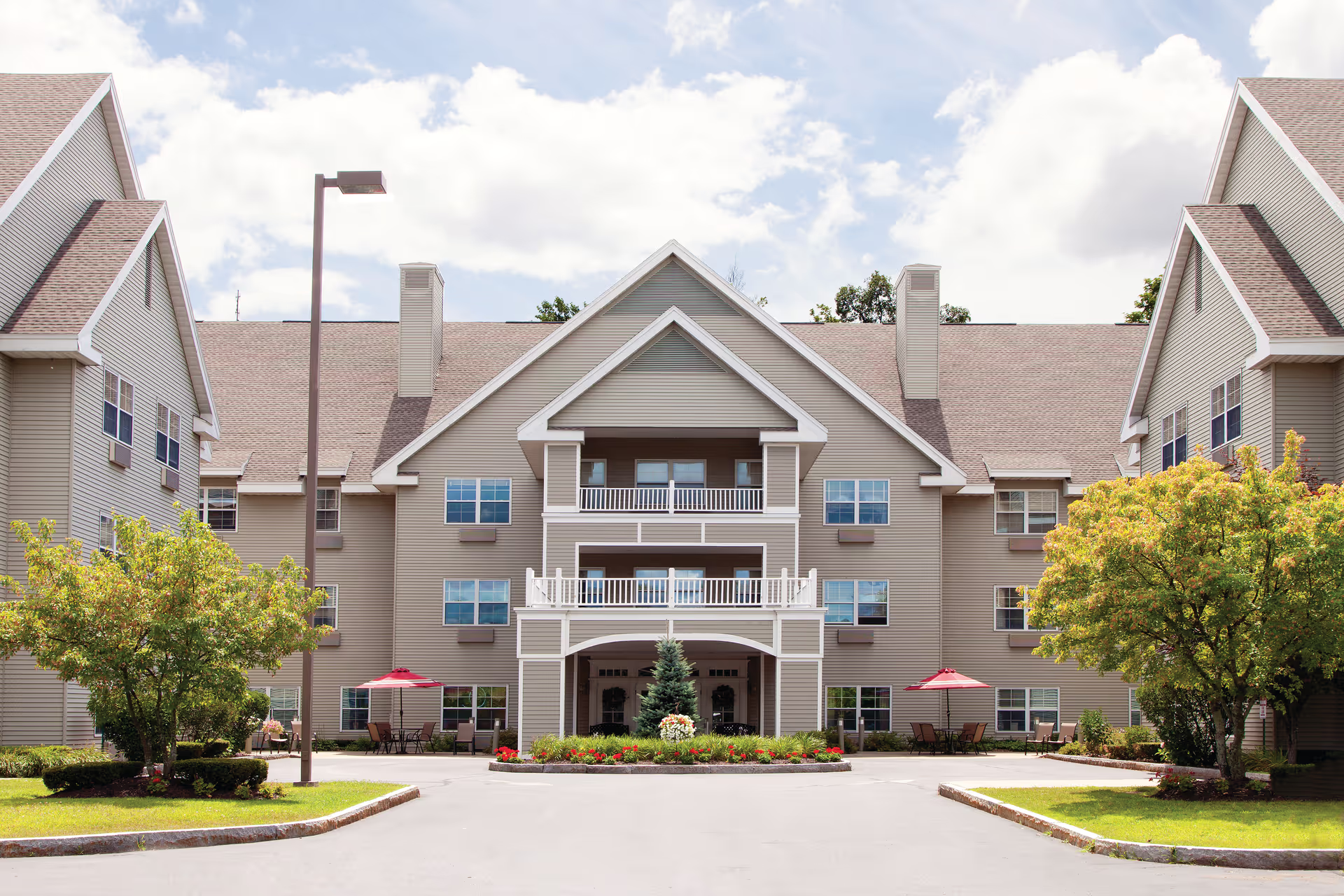
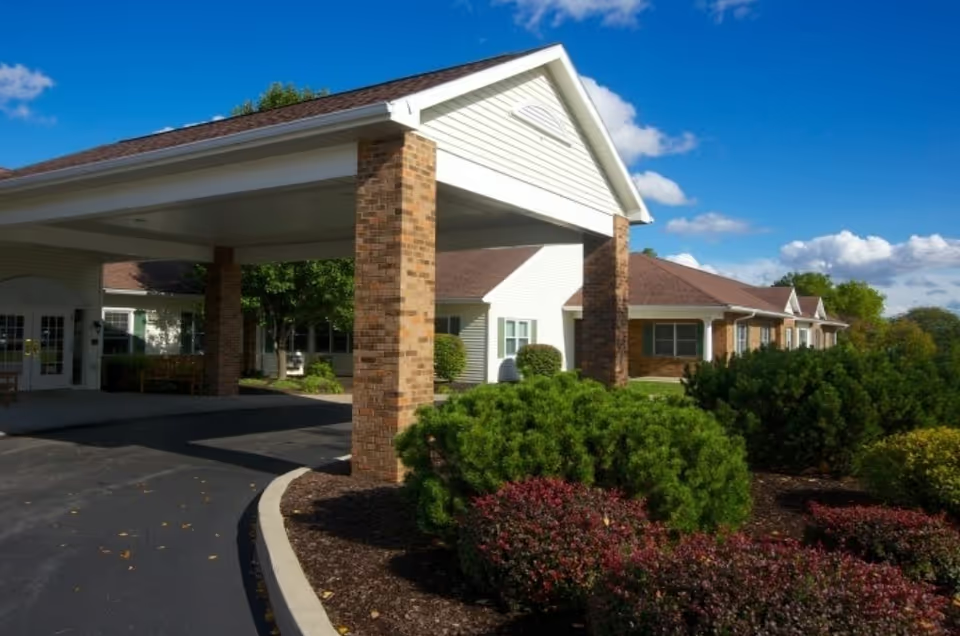
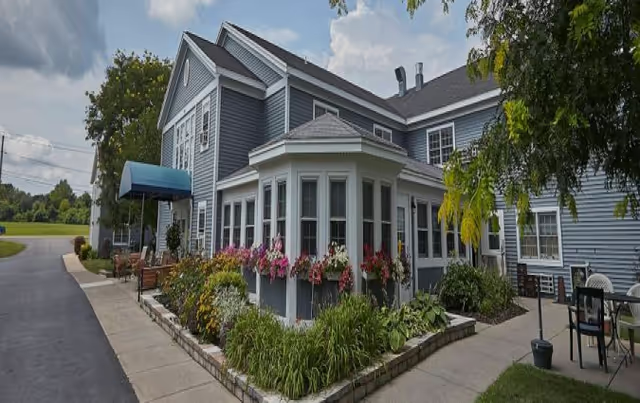
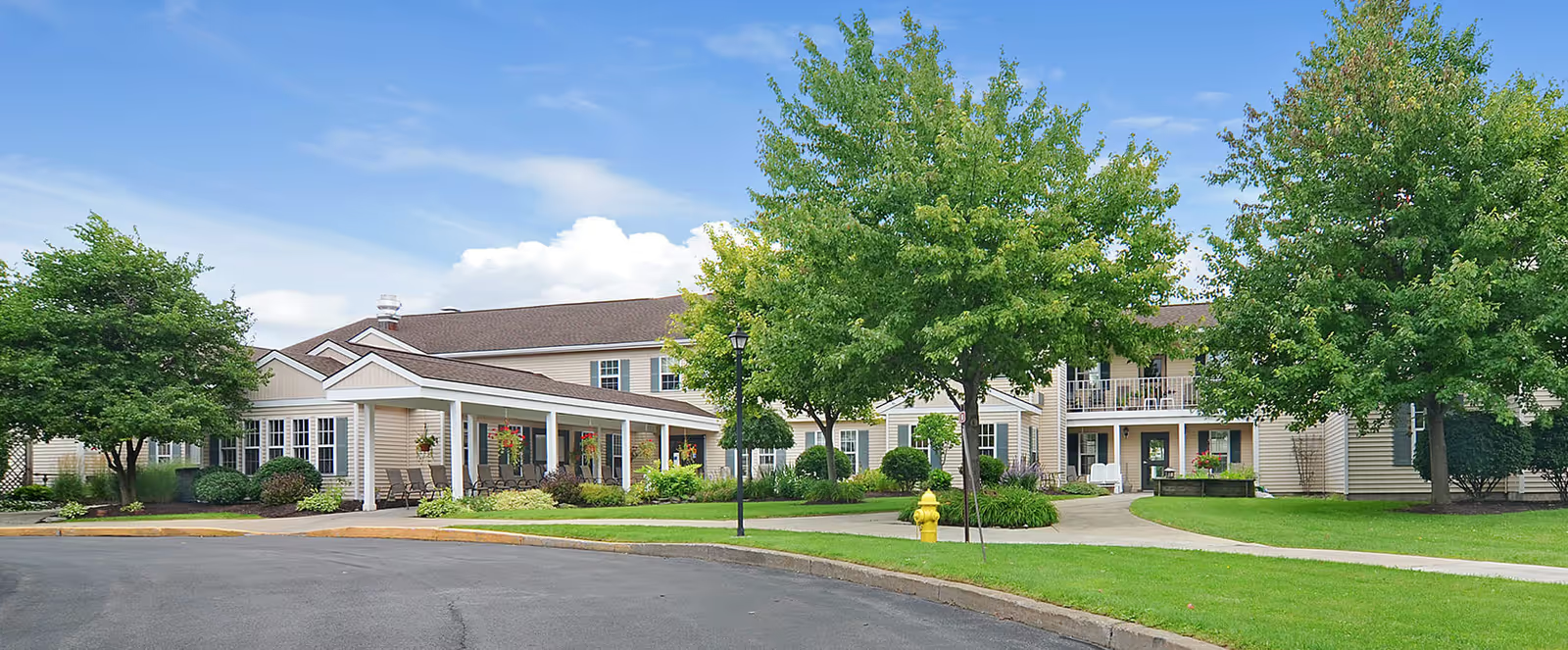
The reviews for The Grand Rehabilitation and Nursing at Chittenango present a mixed picture. Many families and residents singled out the therapy and activity programs as core strengths: physical and occupational therapists are frequently described as skilled, goal-oriented, and encouraging, and the activity department is credited with keeping residents engaged. Several reviewers described the facility as having a warm, home-like atmosphere with attentive CNAs who provide comforting, person-centered assistance. Administrative staff also received positive comments for helpfulness, particularly around placement logistics and transportation assistance. The property and grounds, including a creek-side setting, are noted as attractive and well maintained by multiple reviewers.
However, an important and recurring pattern across reviews involves operational inconsistency. Staffing levels and shift coverage were frequently described as uneven, with particular concern about weekend nursing and overall understaffing at times. This appears linked to delayed response times to assistance requests and call bells, inconsistent toileting/incontinence-care practices, and prolonged waits for help with mobility or transfers. Several reviews describe gaps in dementia-specific care and communication style, indicating a need for targeted training and standardization of approaches for residents with cognitive impairment.
Clinical and safety issues were raised in multiple areas. Reviewers identified medication-administration and documentation errors, intermittent problems with clinical record accuracy, and variability in clinical incident reporting. There are also repeated sanitation concerns related to resident rooms, linens, and some equipment maintenance (broken furnishings, appliances needing repair). Infection-control adherence and visitor-communication during outbreak periods were described as uneven, with some families expressing frustration about restrictive or poorly communicated visitation practices.
Dining and daily operations show similar variability: while some reviewers reported positive meal experiences, others described unreliable meal service, cold food delivery, and disorganized dining assistance for residents who require help. Families frequently noted the need to advocate to ensure timely feeding assistance or adherence to individualized plans of care. On the positive side, therapy-assisted ambulation and rehabilitation outcomes received consistent praise, with many former short-stay patients describing measurable improvement.
A small subset of reviews raises serious financial and administrative concerns, including allegations of improper billing and insurance handling. These comments are significant and warrant further inquiry; prospective residents and families may wish to request clarification on billing practices and review specific financial policies during the admissions process.
Overall, The Grand appears to offer strong rehabilitation and activity programming within a pleasant physical setting and has staff members who are highly regarded for compassion and skill. At the same time, variability in staffing, clinical consistency, sanitation practices, and communication emerged as recurrent themes. Families considering this facility should tour during mealtimes and therapy sessions, ask about staffing ratios and weekend coverage, review dementia-care training and infection-control protocols, and obtain clear written explanations of billing and medication-administration procedures before admission.