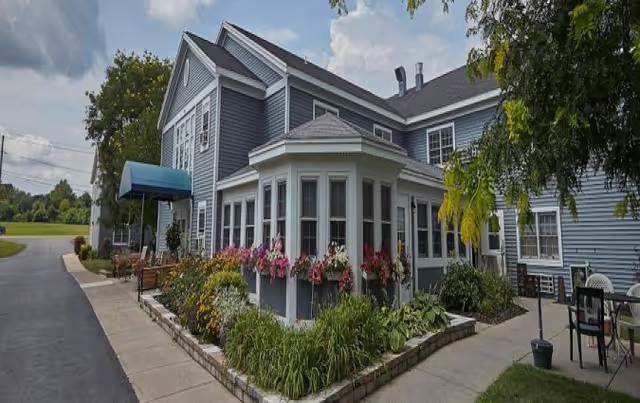
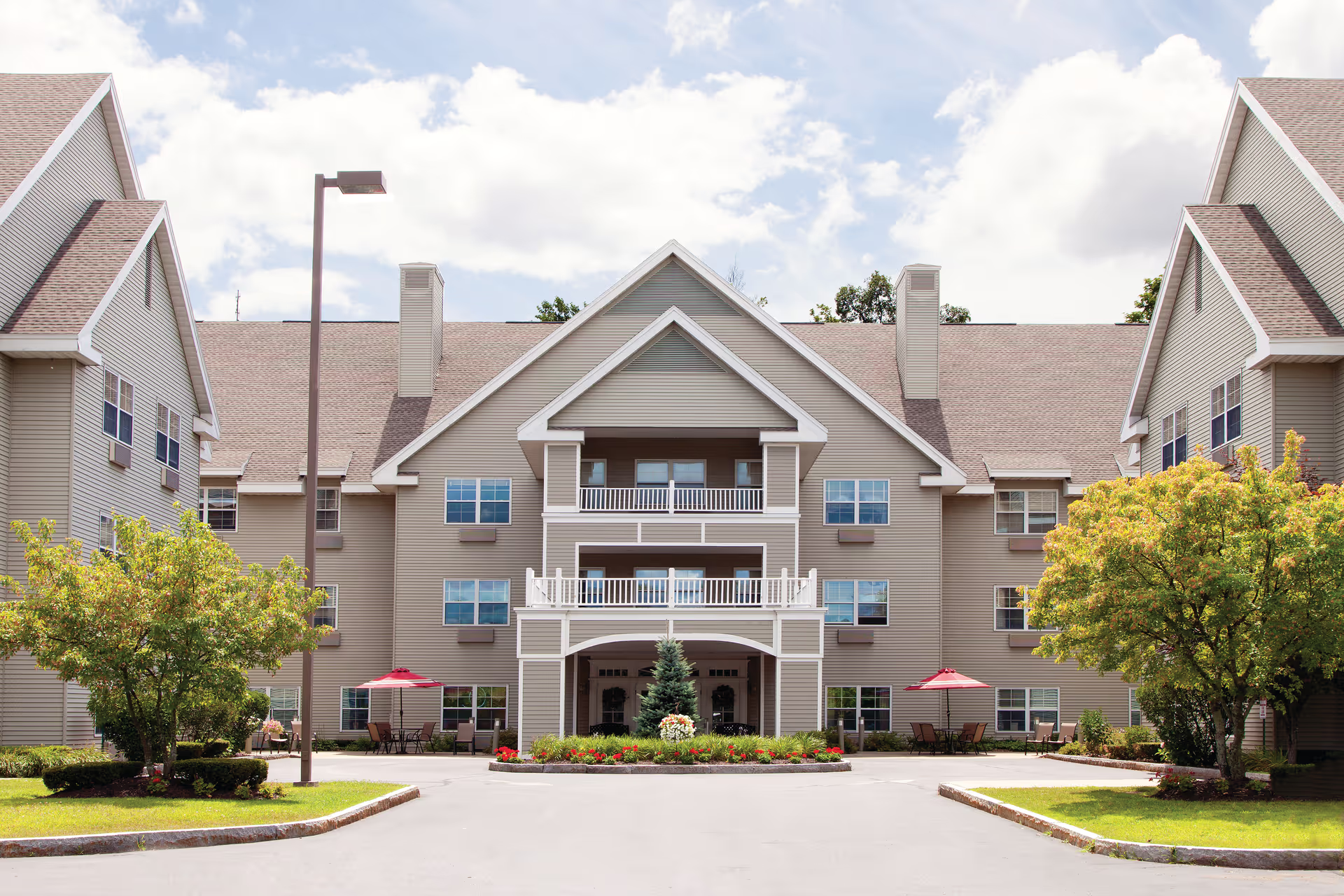
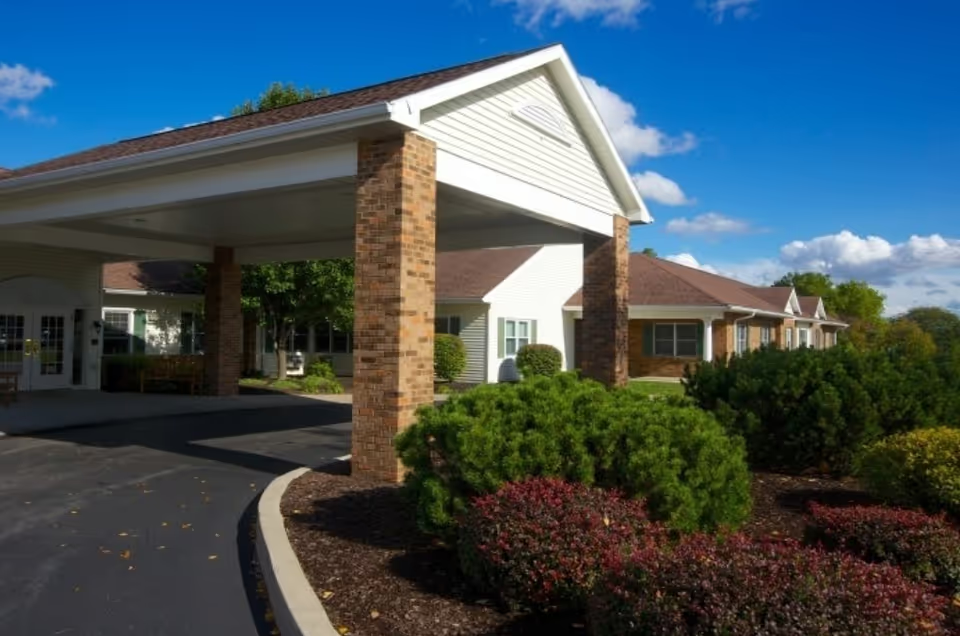
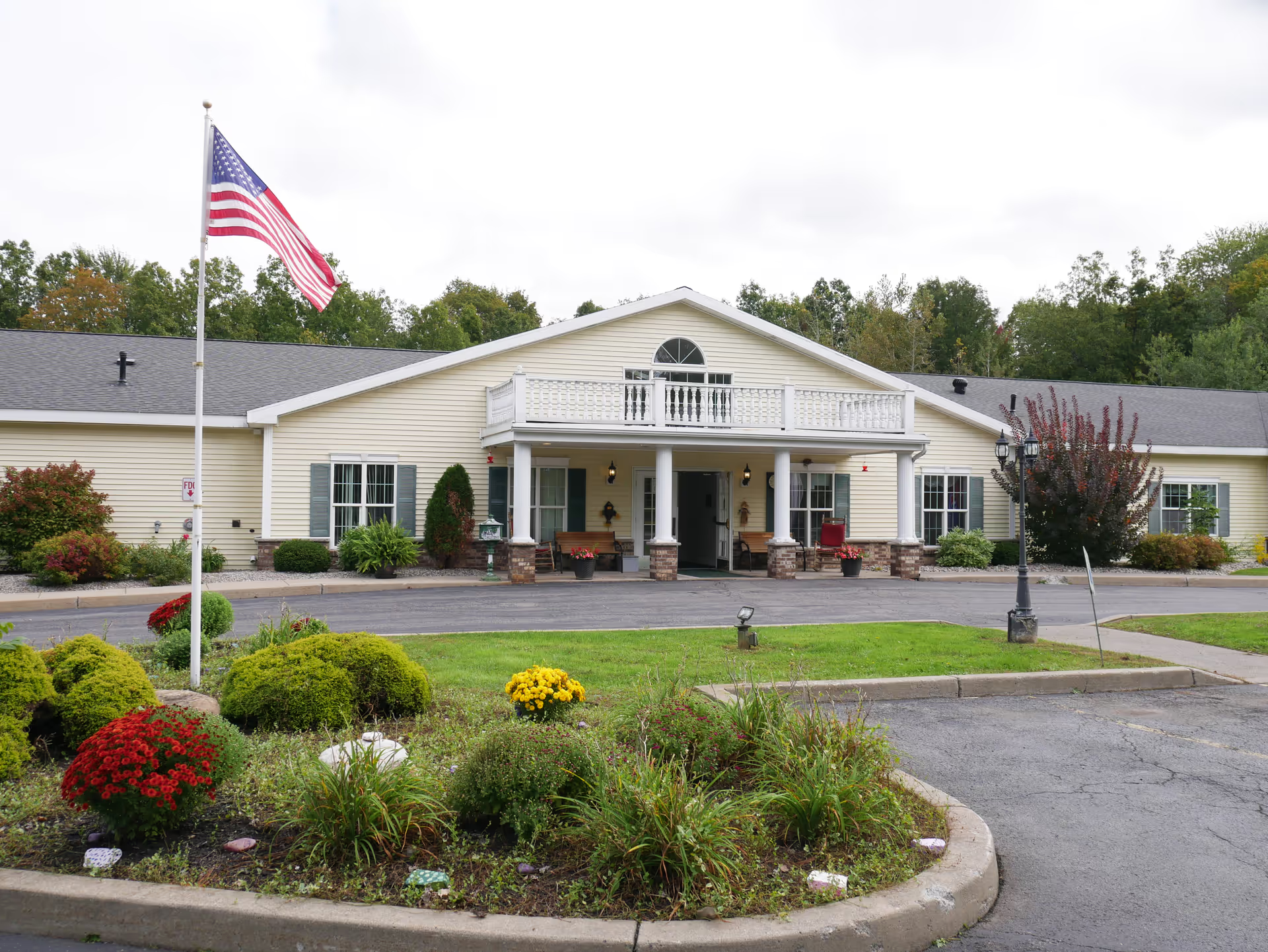
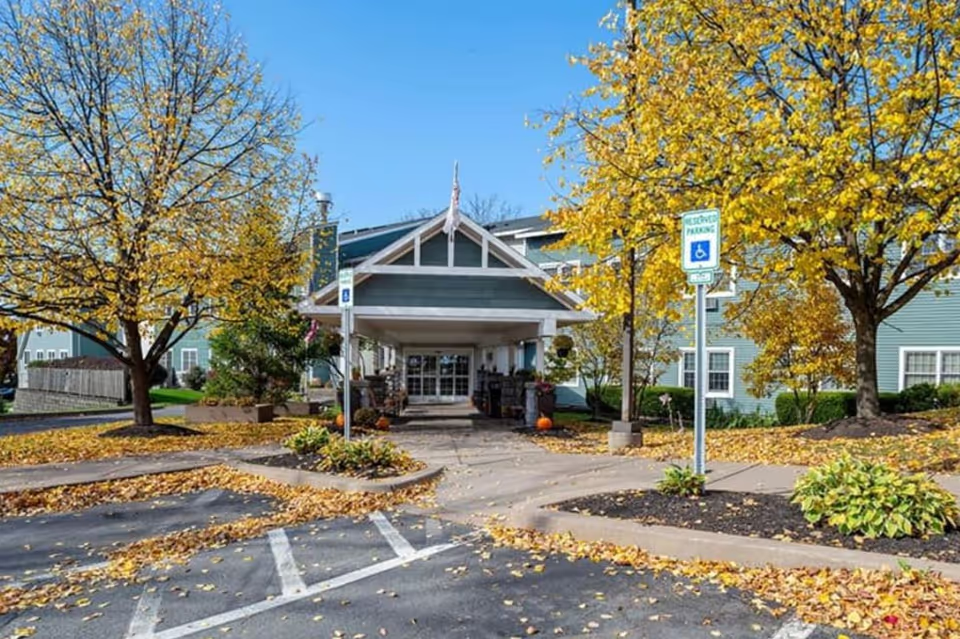
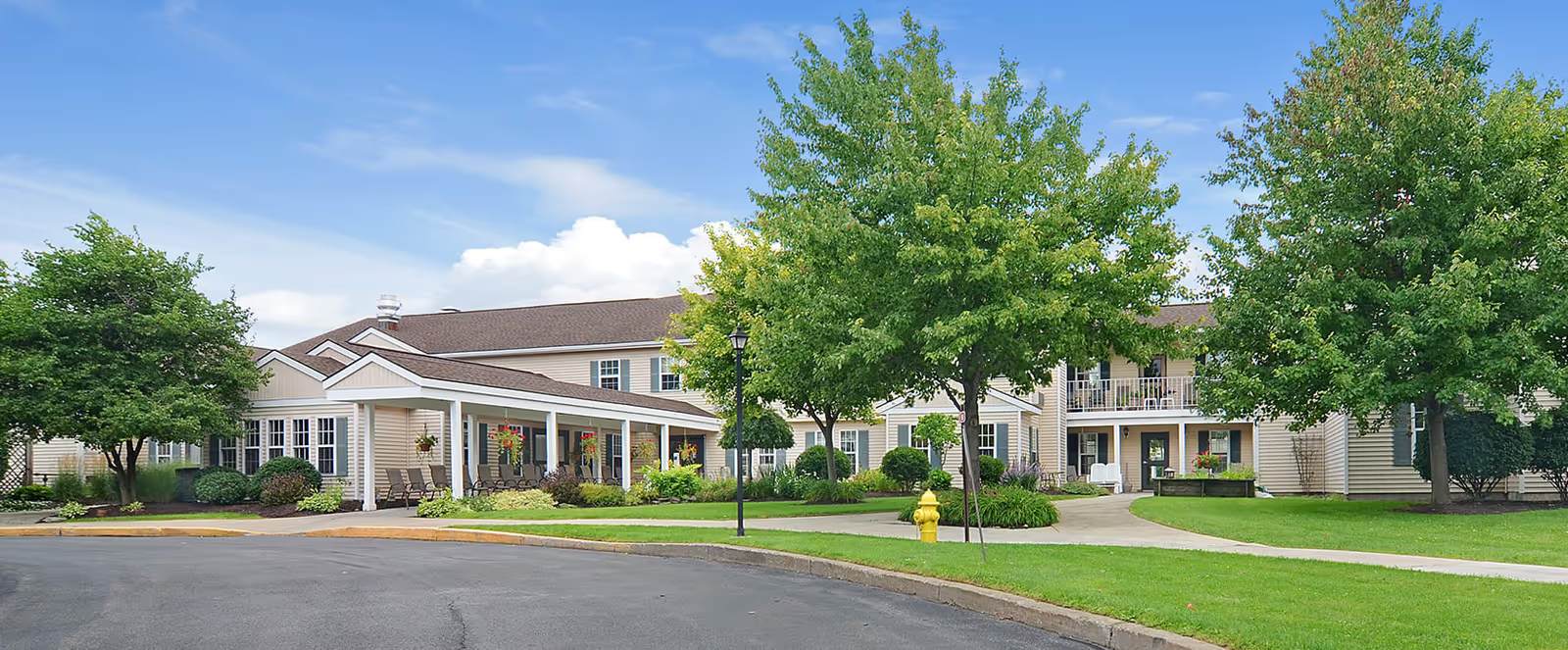
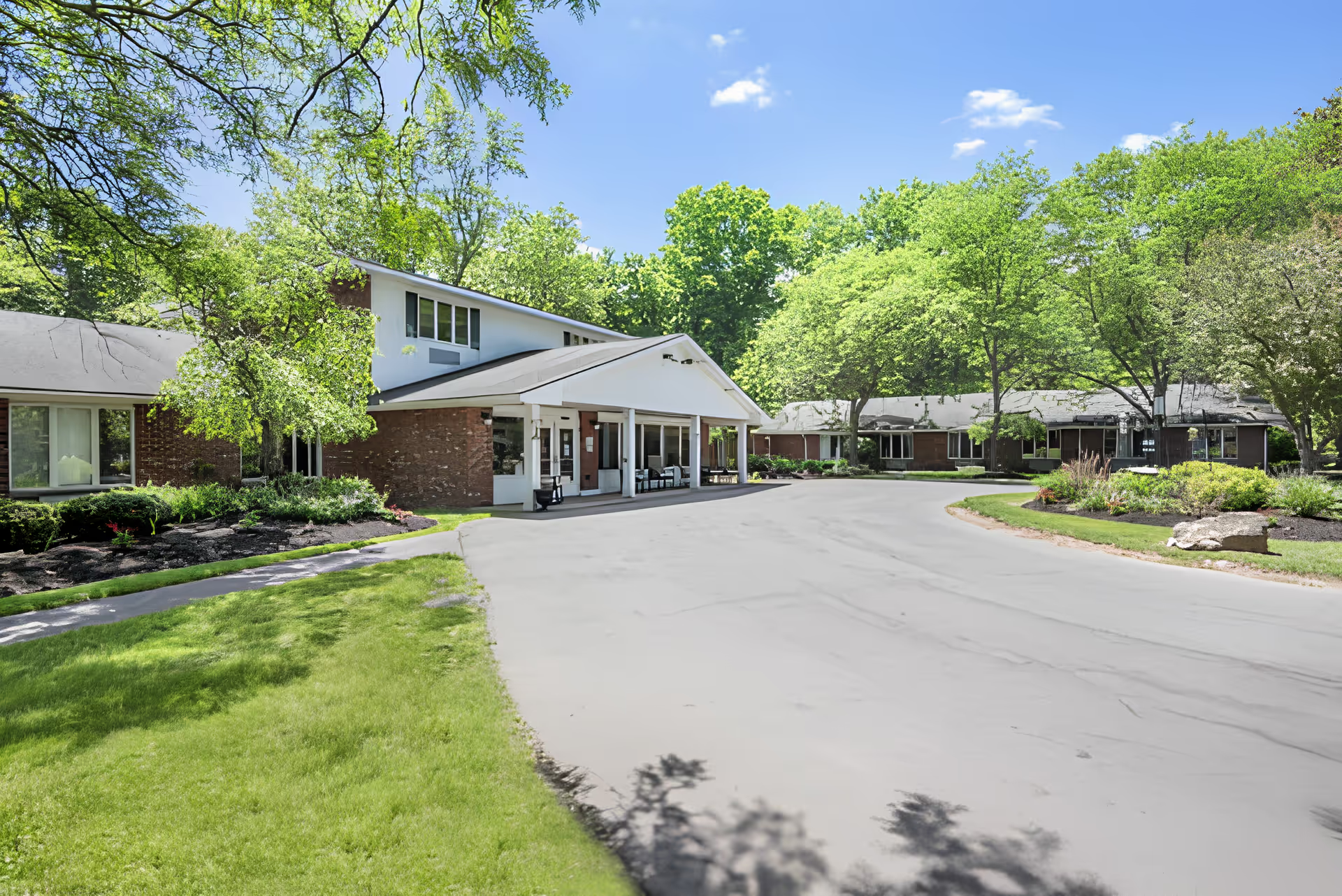
The reviews indicate a facility with many structural strengths — a small-house, cottage model, private spacious rooms with en-suite bathrooms, recent construction and pleasant outdoor spaces — that appeals to families seeking a homelike environment. Rehab and therapy services (PT/OT) receive frequent praise when staffed and coordinated; several families described meaningful short-term rehabilitation outcomes. Individual cottages and consistent caregiver assignments are cited as contributors to a comfortable, community-oriented atmosphere for some residents.
At the same time, a recurring operational pattern is evident. Chronic understaffing, especially on nights and during staff transitions, appears to drive many of the concerns: long waits for toileting and bathing assistance, extended response times, and inconsistent implementation of care plans. Reviewers describe variability in staff skill and behavior, with agency aides sometimes noted as less consistent than regular staff. These staffing gaps also connect to reported safety and transfer-practice weaknesses, including incidents that required additional medical intervention.
Medication management and documentation are another area of note. Multiple reviews raise concerns about medication handling, dosing decisions, and communication around changes in medication or end-of-life protocols. Families also report inconsistent communication from nursing leadership and the administrative office — delayed phone responses, slow relay of clinical changes, and difficulty obtaining timely updates for guardians. A few reviews specifically call out problems coordinating referrals, discharges and consented care decisions.
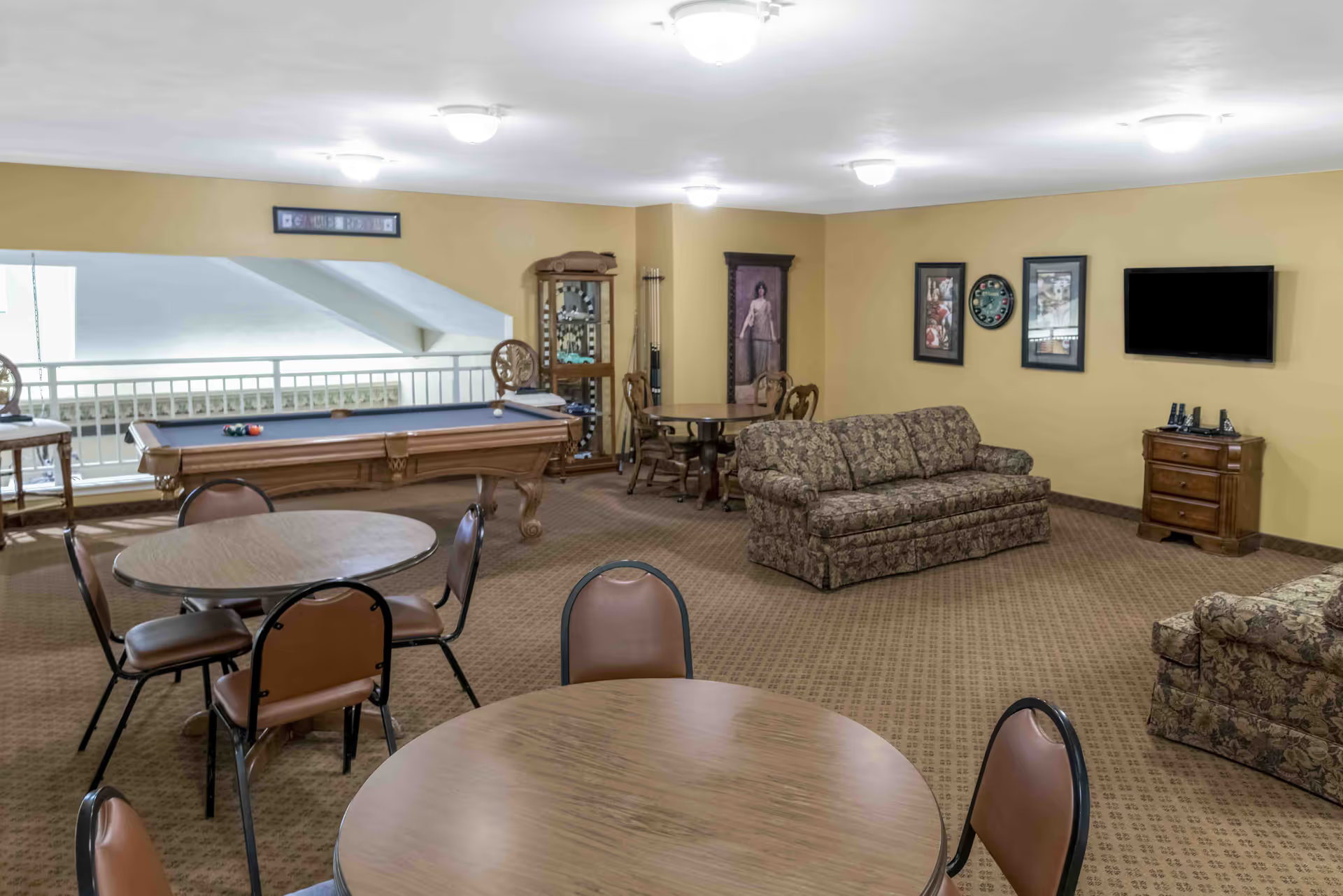
Dining and activities present a mixed picture. The facility’s open-kitchen concept, in-cottage meal service, and some onsite dining features (a la carte options, screened porches) are strengths for many. However, meal quality and consistency are frequent negative themes: catered or aide-prepared meals that families found repetitive or unappealing, limited between-meal options, and instances where kitchen staffing appears to be absorbed by nursing responsibilities. Activity programming exists and is sometimes well-run, but implementation is uneven — posted activities and a recreation director are positive elements, yet some families described limited or poorly executed programming.
Cleanliness and maintenance are generally described as good in many areas, but isolated sanitation and pest-control concerns in certain rooms or common areas were raised and warrant attention. Management and oversight are mixed in reviewer experience: some families praise particular administrators and social workers for strong support, while others describe slow managerial response, high turnover and inconsistent enforcement of policies.
Overall, the facility offers a desirable physical environment and strong rehabilitation capability in many cases, supported by caring frontline staff. The primary operational risks for prospective residents and families are systemic: staffing shortages, inconsistent training and agency usage, gaps in medication and care-plan management, and uneven communication with families. These patterns suggest that outcomes at this facility can vary substantially depending on staffing levels and which cottage/team a resident is placed with; families should evaluate current staffing stability, medication protocols, care-plan enforcement, and communication practices during the admission process.