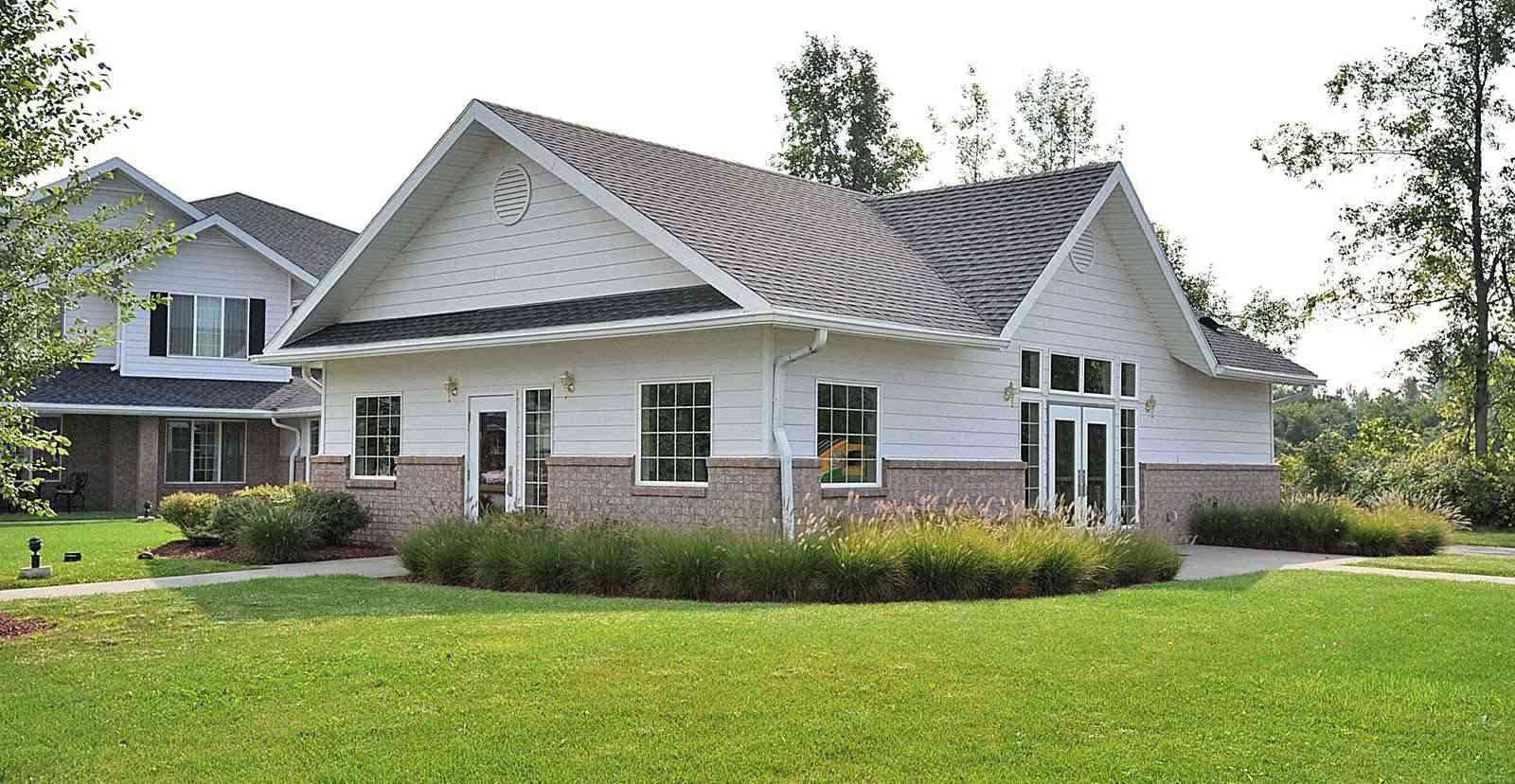
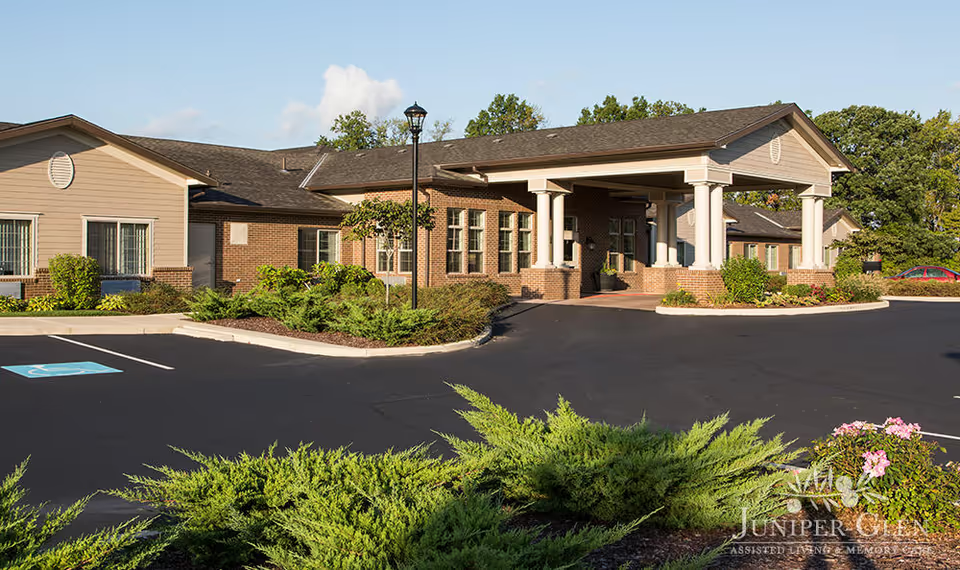
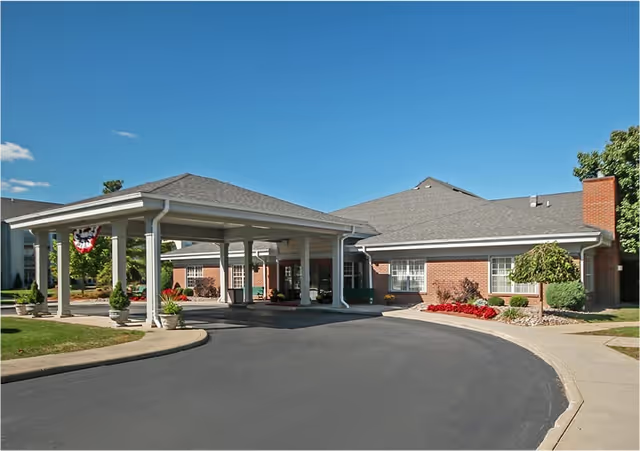
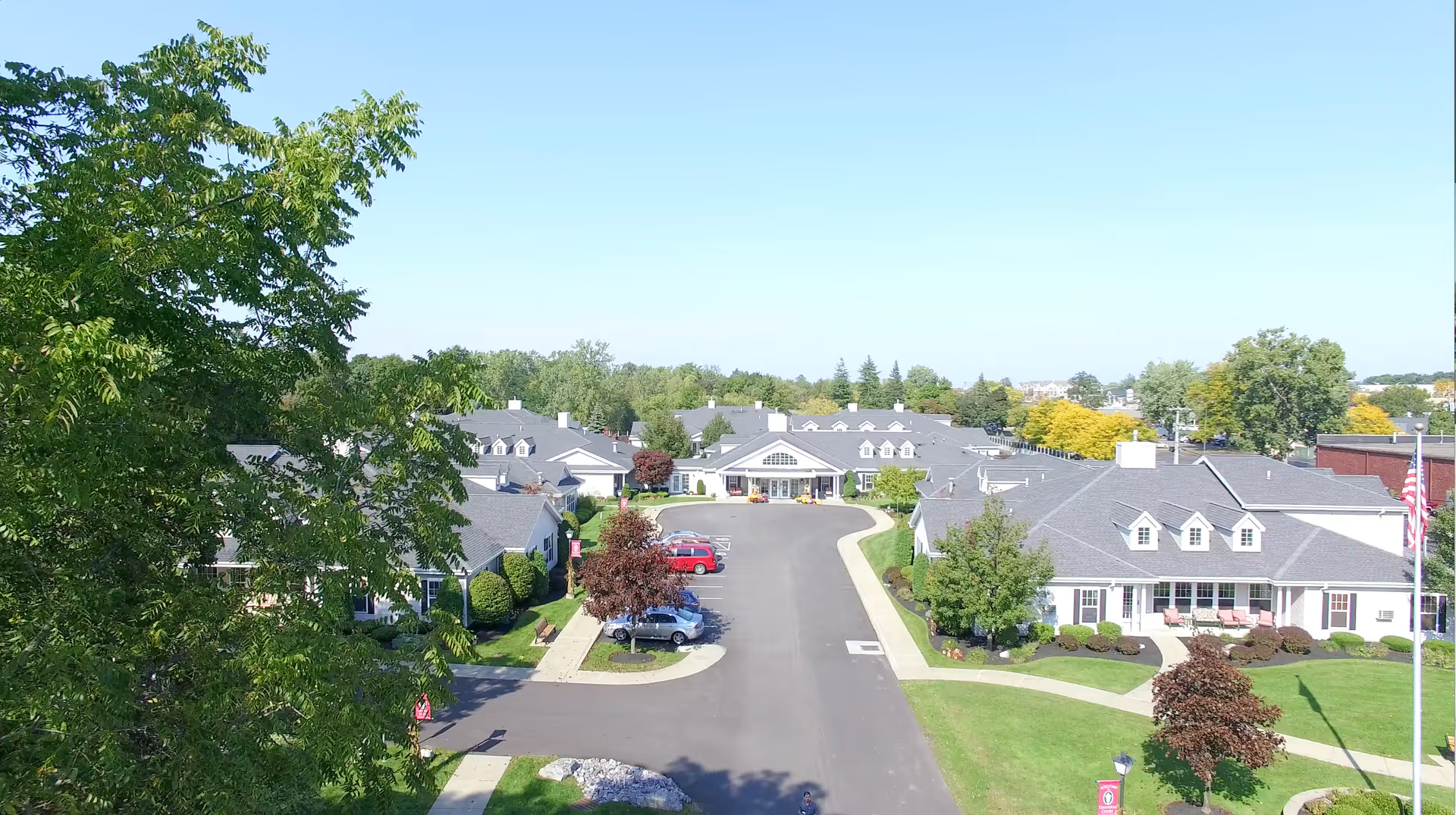
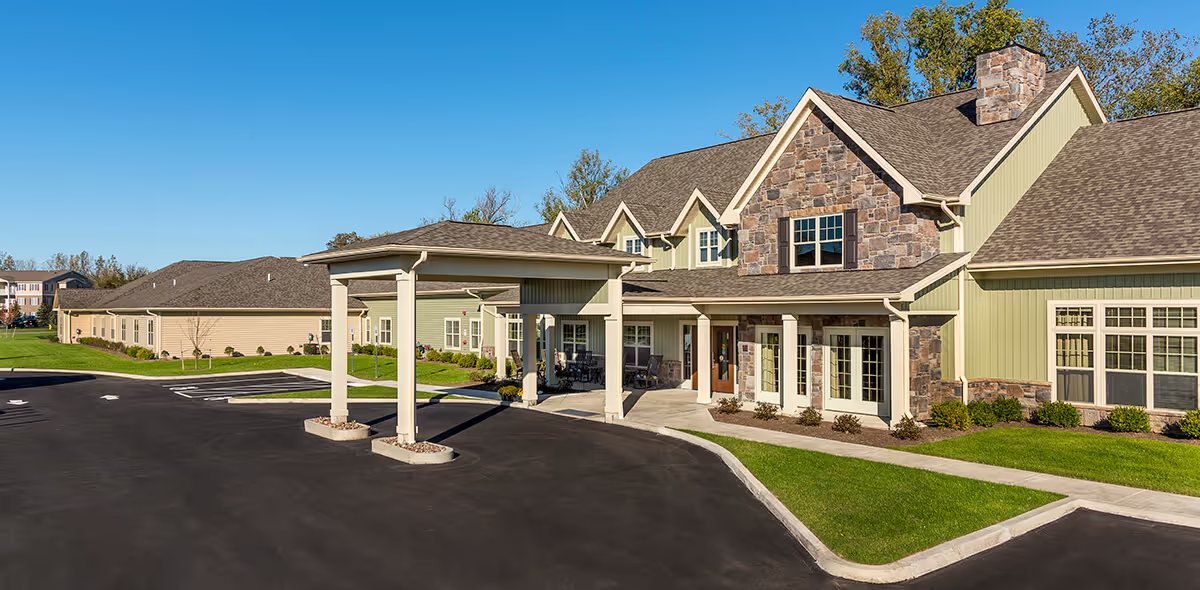
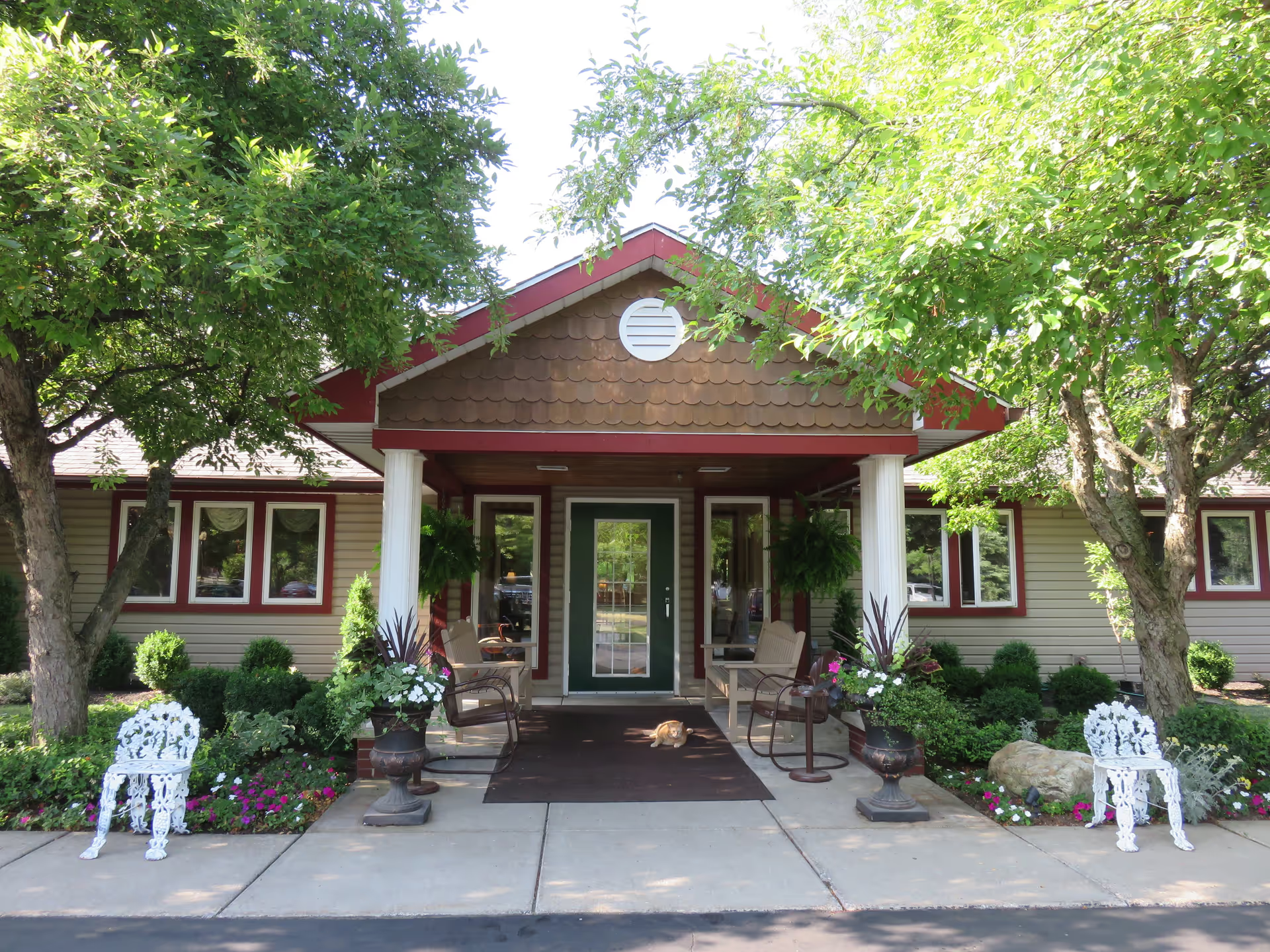
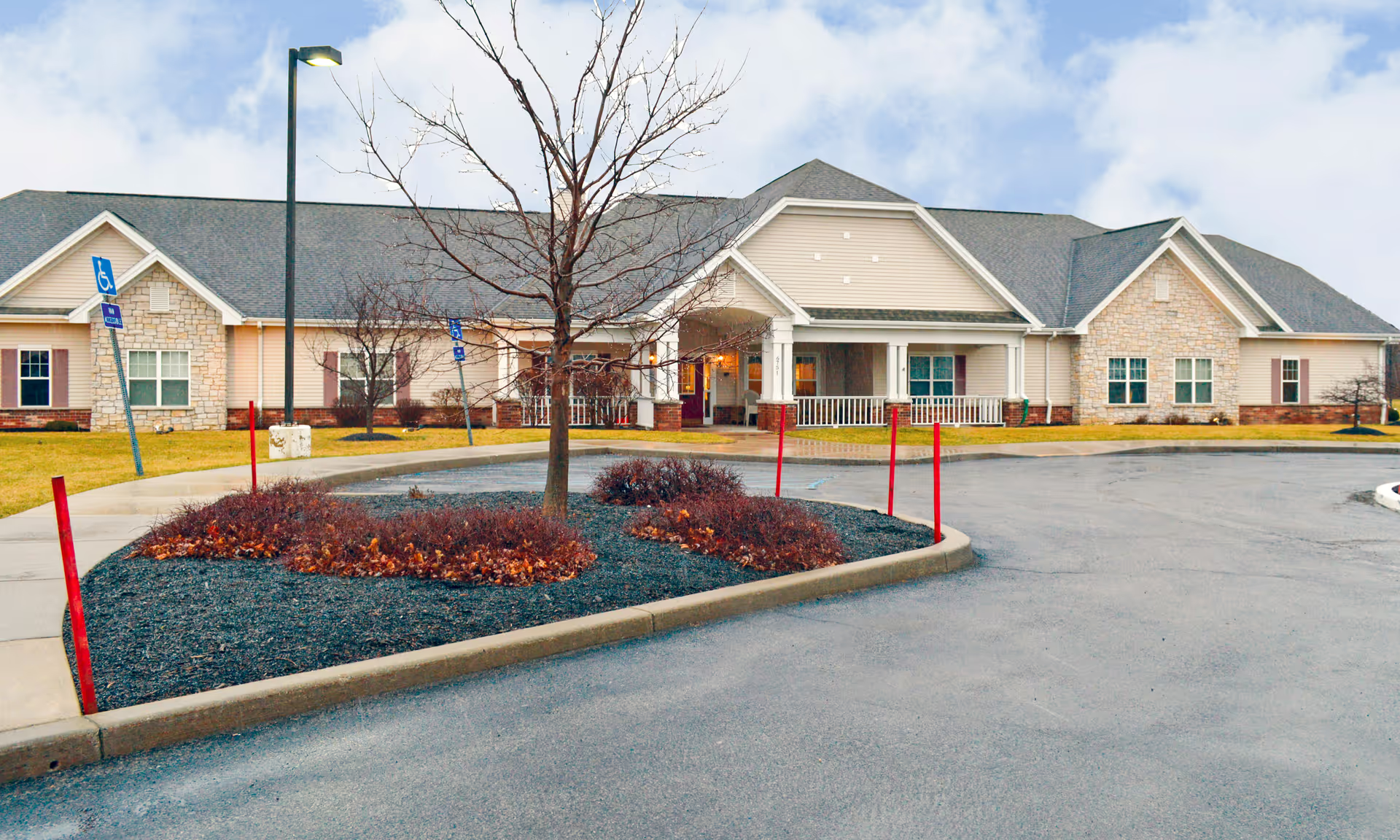
Bristol Village presents as a well-maintained, single-level community with resort-like grounds and a range of on-site amenities. Many families describe bright, clean common areas, attractive outdoor spaces with walking paths and a pond gazebo, and modern, spacious private suites and memory-care rooms with private bathrooms. The physical layout — primarily one floor with wide hallways and easy access to central areas — is repeatedly cited as a positive for mobility and day-to-day convenience.
Direct care and staffing are central strengths in the majority of accounts. Numerous families praise attentive, compassionate caregivers, low staff turnover, and staff who know residents by name; several reviewers specifically noted positive interactions with administrative contacts. There is also an on-site clinical/personal-services presence (GP, beautician) and 24/7 staffing for the secure memory unit, which supports routine ADL assistance and a sense of safety for many residents.
Dining and programming are frequently highlighted as community strengths. The dining rooms are described as pleasant and the food as home-style and appetizing by many families; activity calendars include live music, BBQs, bingo, exercise classes, outings via an on-site van, and a variety of hobby spaces (crafts, puzzles, exercise rooms). At the same time, there is a recurring theme that activity engagement may not meet every resident’s needs — some residents experienced boredom or limited involvement, and families suggested the program could do more to involve less-mobile or more cognitively impaired residents.
Despite many positive accounts, a number of operational concerns appear across reviews. Cost is a clear theme: the community is seen as more expensive than alternatives, with limited immediate availability. Admissions processes are described as having limited transparency and a long waitlist, which can be a barrier for families seeking timely placement. Operational weaknesses inferred from multiple comments include variability in staff conduct and communication tone, inconsistent maintenance or intermittent odor concerns in parts of the building, and lapses in controls over residents’ personal belongings.
More serious care-related patterns also emerge in a subset of reports. A missing-person incident raised questions about supervision and safety monitoring in the memory-care unit; other comments indicate that clinical capacity for residents with progressing dementia or high-acuity needs may be limited. These concerns point to potential gaps in supervision protocols and specialized clinical staffing for advanced cognitive impairment.
In summary, Bristol Village offers a well-appointed, accessible environment with many families reporting compassionate caregiving, attractive dining, and a lively activity program. Prospective residents and families should weigh these strengths against operational considerations: higher cost, limited immediate availability, occasional maintenance or odor issues, variability in staff conduct, and potential limits in specialized dementia care and supervision. A thorough in-person tour that includes specific questions about dementia-care protocols, supervision practices, personal-belongings safeguards, and clear, written information from admissions is advisable before making a placement decision.