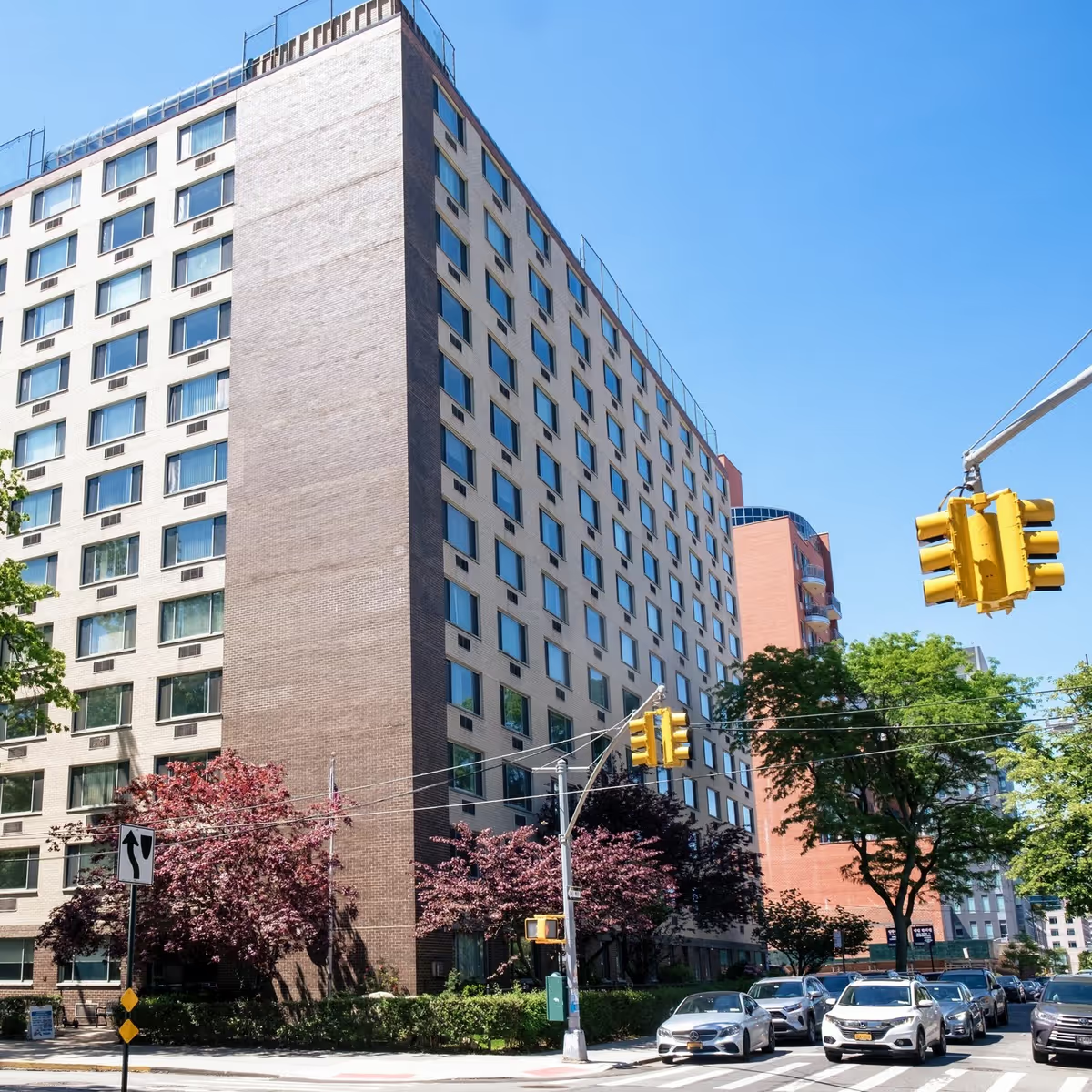
Madison York Assisted Living presents as a well-appointed, community-focused facility with strengths across caregiving, accommodations, and social programming. The physical environment is consistently described as bright, modern, and meticulously maintained, with multiple common spaces (library, outdoor seating, large theater) and roomy dining and living areas. Its central location near Flushing Meadows Park and availability of parking are noted conveniences for families.
Care quality is generally characterized positively. Nursing staff and dementia-care programming are described as thorough and compassionate, with families reporting improved resident health and regained weight under the facility’s routines. Staff interactions are frequently called attentive and supportive: employees learn residents’ names, assist with moves, provide timely updates to families, and facilitate structured daily routines that contribute to resident stability and wellbeing.
Dining and activities are highlighted as strengths. The dining program is described as providing ample, fresh, wholesome meals served in a spacious, bright dining room. A busy activities calendar, regular celebrations, and opportunities for meaningful connections indicate a vibrant social environment that supports engagement and quality of life.
Management and operations show mixed patterns. Several accounts praise the Director of Community Relations and responsive managers, particularly during admissions and care transitions; expedited move-ins are possible in many cases. However, the intake process is also described as challenging by some families, and there appear to be accessibility gaps affecting wheelchair users that may require advocacy or accommodation workarounds.
A notable area of concern centers on front-desk and customer-service consistency. Reviews describe inconsistent professionalism and communication tone at reception, including allegations of unprofessional conduct severe enough that a regulatory complaint was mentioned. These issues seem concentrated at the reception/customer-service interface rather than reflecting the caregiving teams overall, but they can affect family interactions and first impressions. Additionally, the facility has implemented restrictive room-viewing policies during infection-control periods, which has limited in-person tours for some prospective families.
In sum, Madison York offers strong clinical and social programming in a well-maintained, congenial setting with attentive caregiving and robust amenities. Prospective residents and families should weigh the facility’s operational strengths against the reported variability in front-desk professionalism and the need to clarify accessibility accommodations and admissions steps prior to move-in. Visiting in person (when possible) and discussing intake, accessibility, and communication protocols with management can help set expectations and address any concerns before a transition.