Reviews for this facility are highly polarized: many families and residents highlight compassionate caregivers and strong therapy services, while others describe persistent operational weaknesses that materially affect day-to-day care. The facility appears to deliver meaningful strengths in rehabilitation, memory-care programming, activity engagement, and certain aspects of clinical leadership; at the same time, recurring process and environment issues create variability in resident experience.
Care and staff: Direct-care staff, therapists, and some nursing personnel are frequently praised for kindness, patience, and effective therapy outcomes. Several accounts cite successful rehab discharges, attentive aides, and positive interactions in the memory-care unit. However, a clear pattern of staffing shortfalls and long response times emerges in many accounts. These operational constraints are associated with delayed assistance for toileting and bathing, inconsistent hygiene support, slow call-light responses, and uneven medication administration or renewal. Reviewers describe a wide spread in staff professionalism and communication style — some staff are described as highly compassionate and communicative, others as brusque or unresponsive — which contributes to inconsistent care quality.
Dining and activities: Dining is often described favorably, with above-average food quality and willingness to accommodate dietary needs. Activity staff receive positive mention for engagement and programming. That said, there are also reports of interruptions in meal service, cold meals, and occasional service lapses, indicating variability in dining delivery consistency.
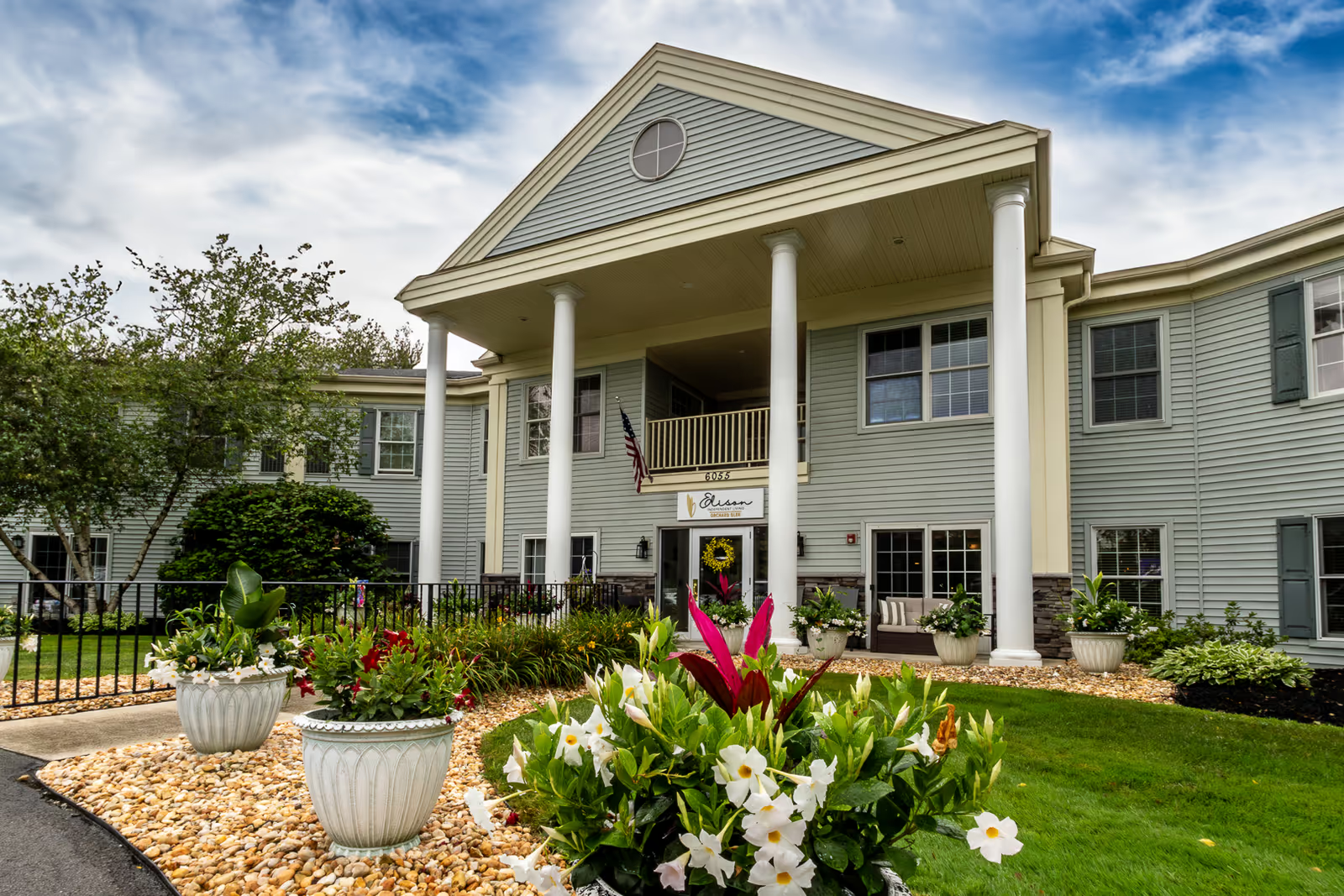
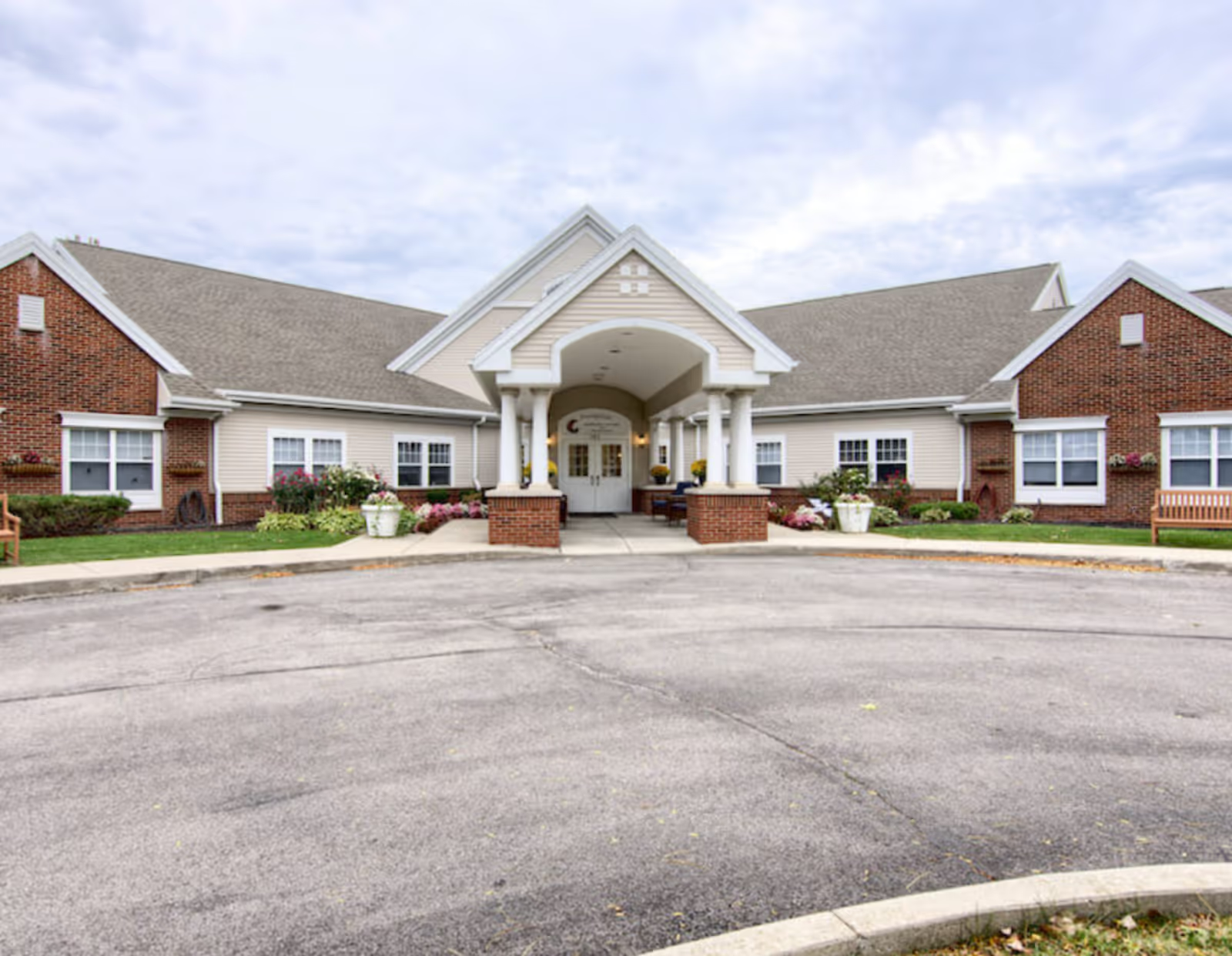
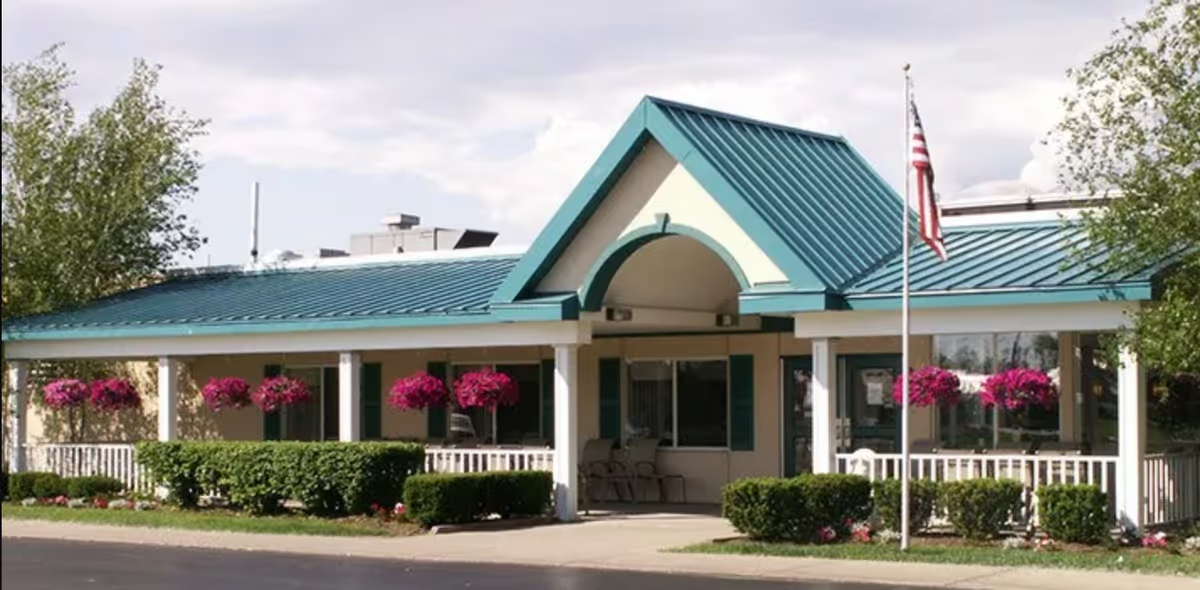
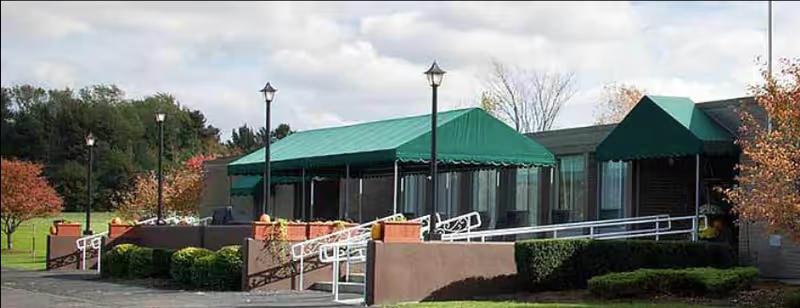
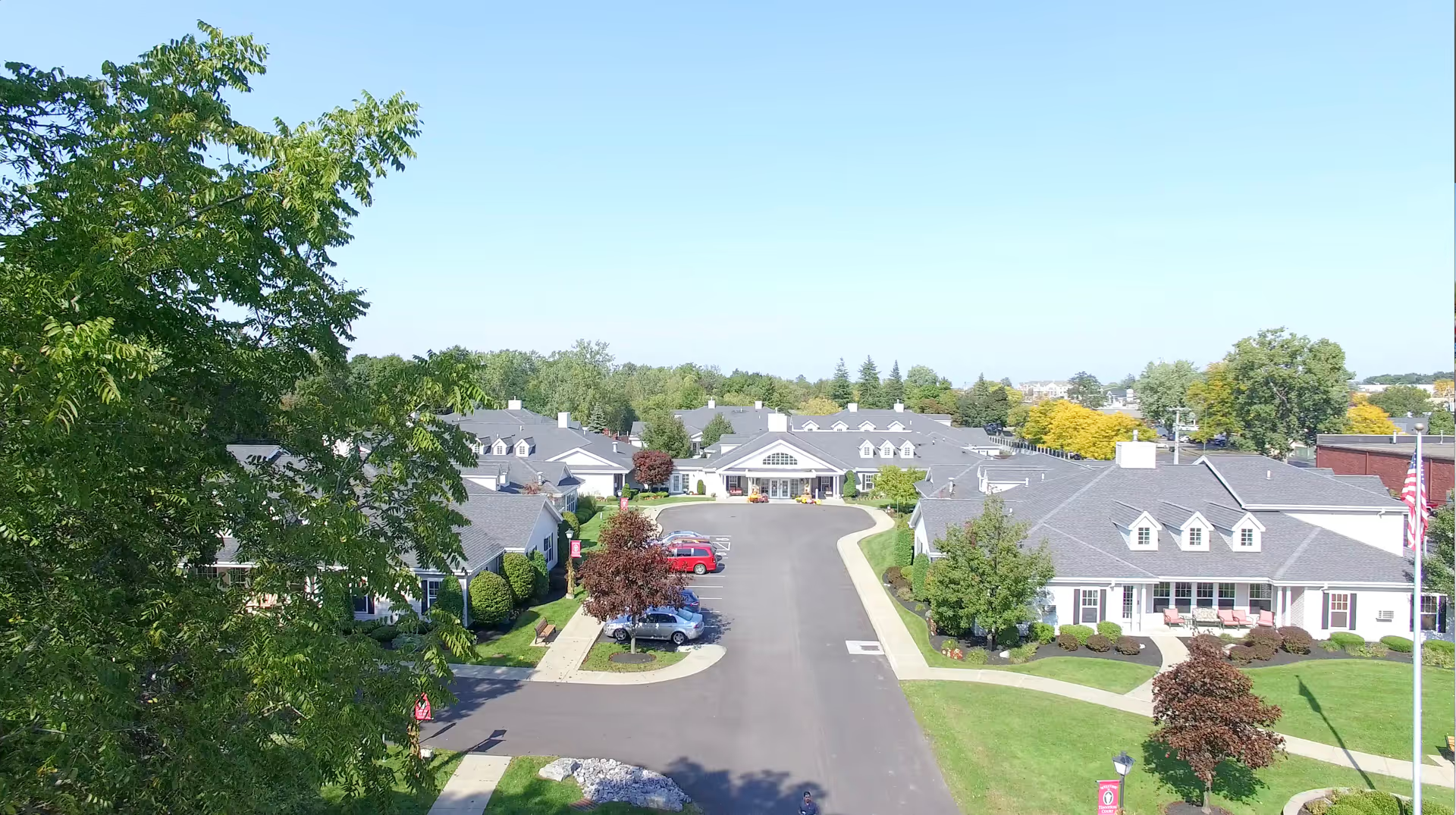
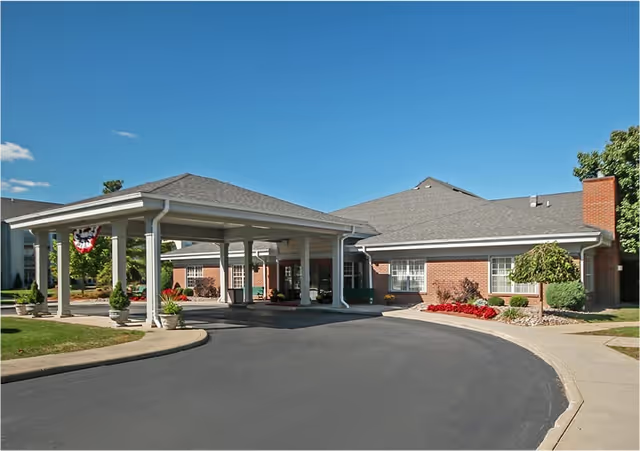
Facilities and environment: The facility has renovated and welcoming public areas, outdoor seating, and a generally pleasant first floor. Contrasting accounts raise concerns about environmental maintenance in other units: persistent sanitation and odor concerns, maintenance issues such as peeling paint and dirty windows, and pest-control issues in specific common areas. These environmental problems are described as uneven across floors, with the first floor often noted as better maintained than upper units.
Management, communication, and safety: Experiences with administration are mixed. Some families report responsive nurse managers and clear physician engagement; others describe poor follow-through on test results, billing or insurance inaccuracies, and difficulty getting timely answers to complaints. Safety issues are highlighted in multiple accounts, including falls, transfer-related errors, and coordination problems during transports. Medication-management concerns — delayed doses, renewals not processed, and inconsistent pain control — are a recurrent theme. There are also serious individual allegations involving discharge coordination and property handling that suggest the need for further inquiry.
Notable patterns and guidance: The most consistent positive signal is the strength of the therapy teams and the presence of highly dedicated direct-care staff. The most consistent negatives are operational: chronic understaffing, delayed responses to resident needs, environmental maintenance gaps, and inconsistent medication/clinical oversight. Prospective residents and families should consider an in-person visit focused on observable staffing levels on a unit, call-light response times, medication administration procedures, infection-control and cleaning protocols, theft/property policies, and how management documents and follows up on concerns. Given the polarized reviews, decisions about placement would benefit from targeted questions and direct observation of the unit(s) under consideration.