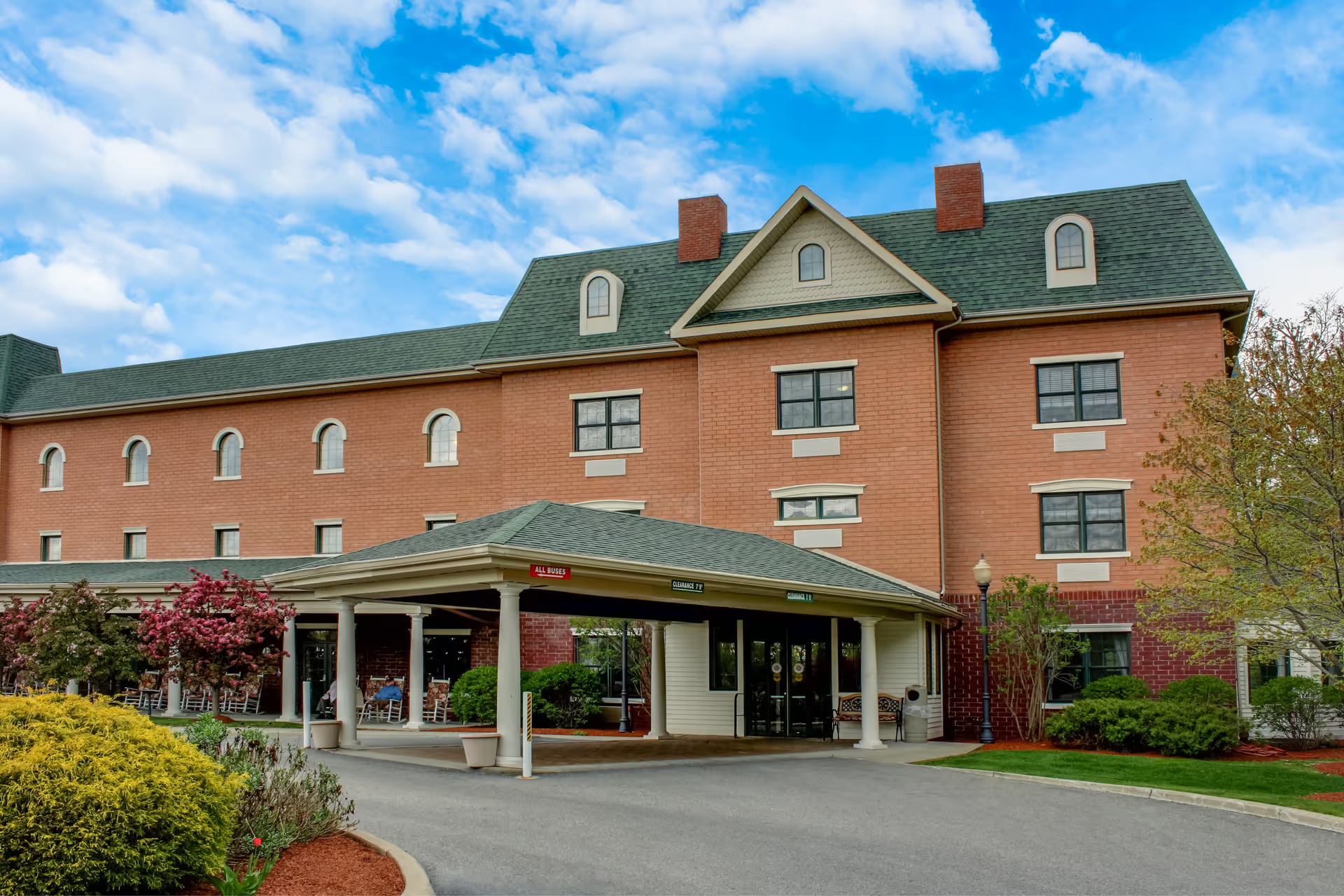
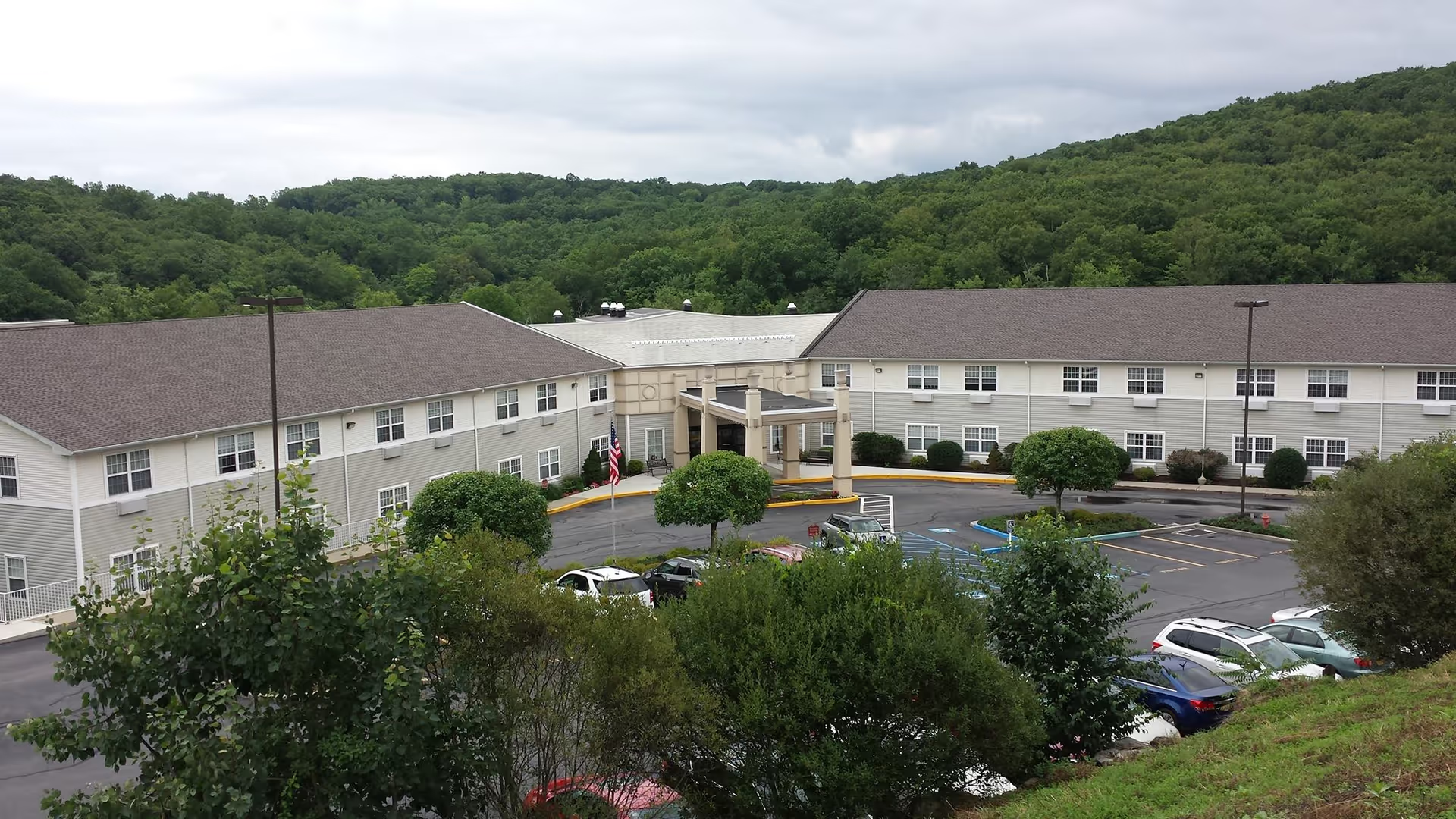
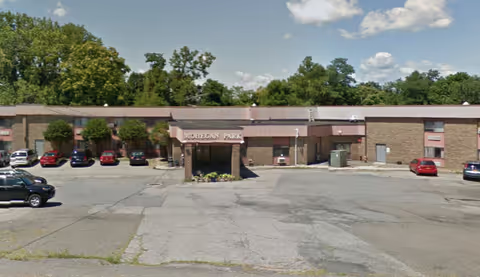
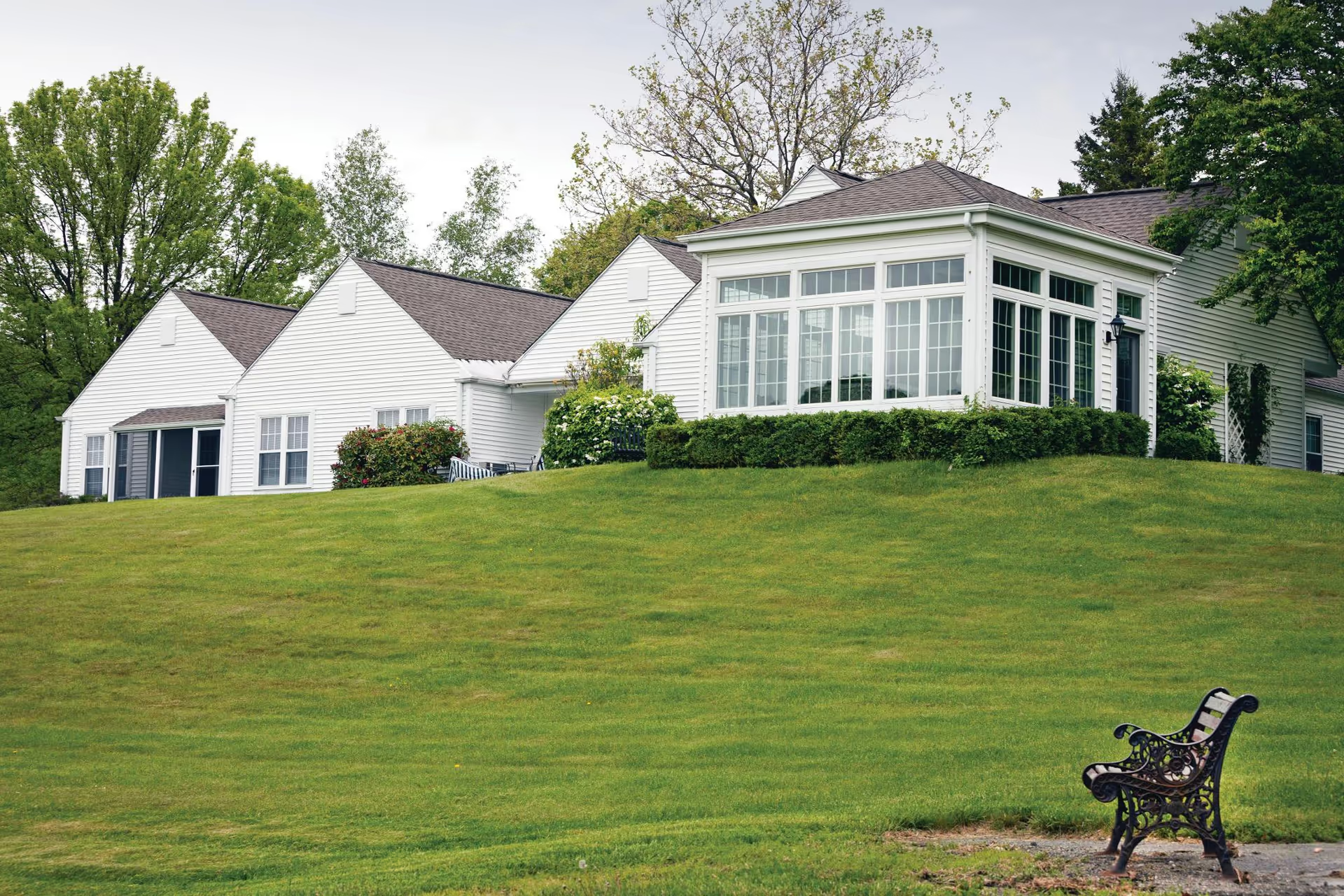
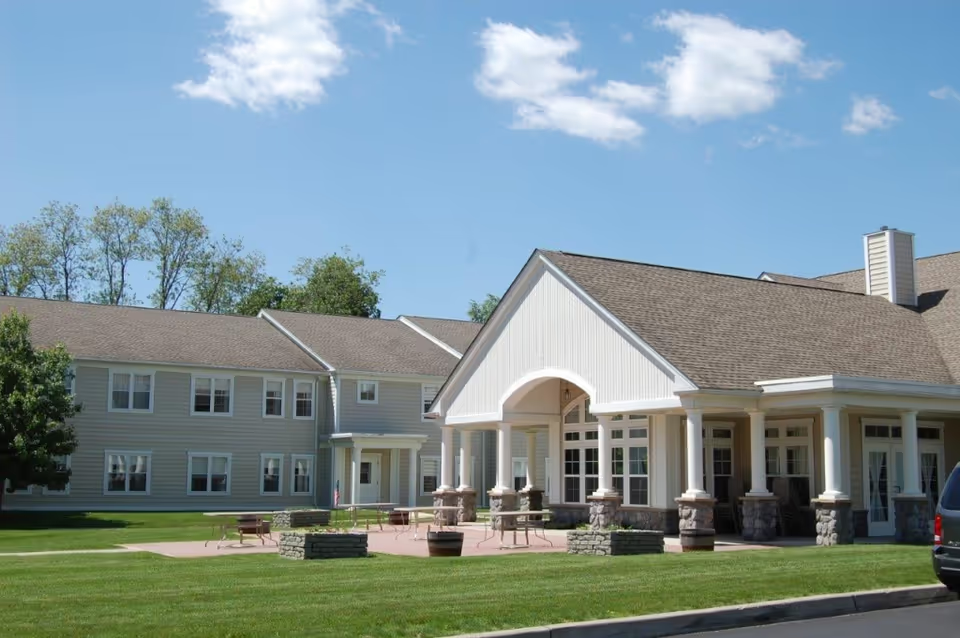
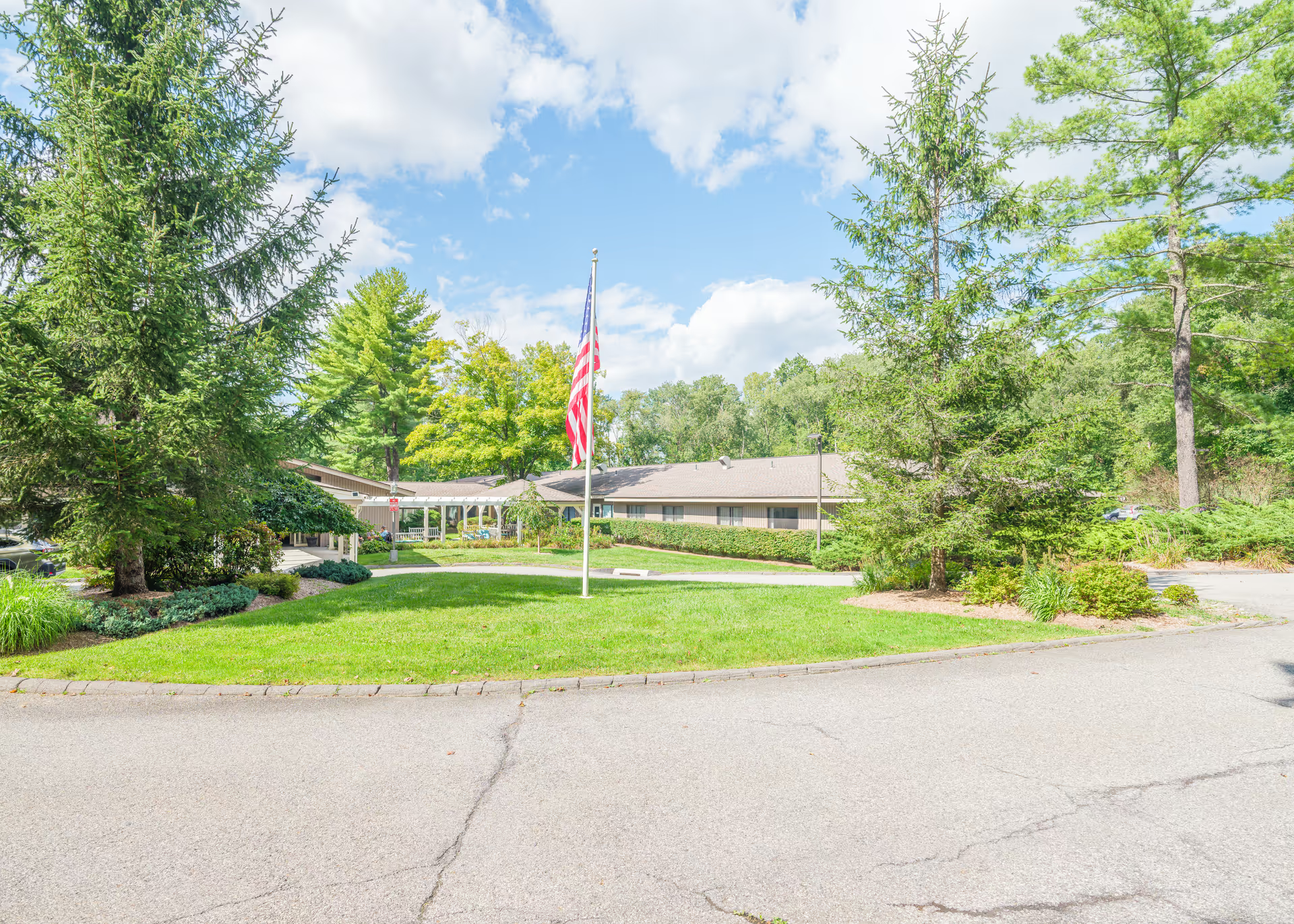
The reviews for Taconic Rehabilitation and Nursing at Hopewell present a highly mixed picture: many families and patients praise the clinical rehabilitation services and individual caregivers, while others describe serious operational and management shortcomings. The facility's physical therapy and occupational therapy teams receive consistent positive mention for clinical skill, individualized programs, and effective discharge equipment coordination. Numerous reviews also single out bedside nursing staff and specific care coordinators and social workers for compassionate, attentive care. Several accounts describe the campus as modern, bright, and resort-like with useful amenities such as exercise spaces, library/TV rooms, and an active activities program; 24-hour hospice and post-acute services are available and valued by some families.
At the same time, a recurrent theme is variability in day-to-day operations. Cleanliness and housekeeping were described positively in many accounts but criticized in others; reviewers reported sanitation concerns and odor concerns in certain areas, indicating inconsistent housekeeping standards across units or shifts. Staffing levels were another frequent concern: multiple reviewers described long waits for assistance, call-bell delays, and difficulty reaching nursing leadership or advanced practitioners. These patterns were tied by some families to delayed medications, missed or late clinical interventions, and concerns about wound care and pressure-injury prevention.
Dining and nutrition emerged as a polarized area. Several families appreciated attentive dietary staff and options for special diets, but many more noted inconsistent meal quality, meals frequently arriving cold, and failure to follow individualized diet orders. Environmental-service issues such as intermittent hot water or heating problems and inconsistent room readiness were also reported, suggesting gaps in facilities maintenance or contingency planning.
Management and documentation practices are another area of divergence. While some reviewers praised proactive case managers who arranged timely meetings and coordinated care transitions, others described poor communication from administrators, unresponsive leadership, and strained interactions during care-planning. A subset of reviews raised serious concerns about clinical documentation and therapy authorization processes; these include allegations related to rehabilitation reporting and Medicare therapy approvals. The facility was also noted to have had safety/health citations in 2023, underscoring the importance of reviewing regulatory records during any evaluation.
Overall, the pattern suggests that patient experiences at Taconic Rehabilitation and Nursing at Hopewell are highly dependent on unit, shift, and individual staff members. Strengths include robust rehabilitation services, many dedicated nurses and therapists, and modern amenities; weaknesses center on inconsistent housekeeping, staffing variability, lapses in medication and wound-care processes, meal-service reliability, and variable management responsiveness. Prospective residents and families would benefit from asking targeted questions about current staffing ratios, wound-care protocols, medication administration checks, recent state inspection results, and contingency plans for environmental or meal-service disruptions before admission.