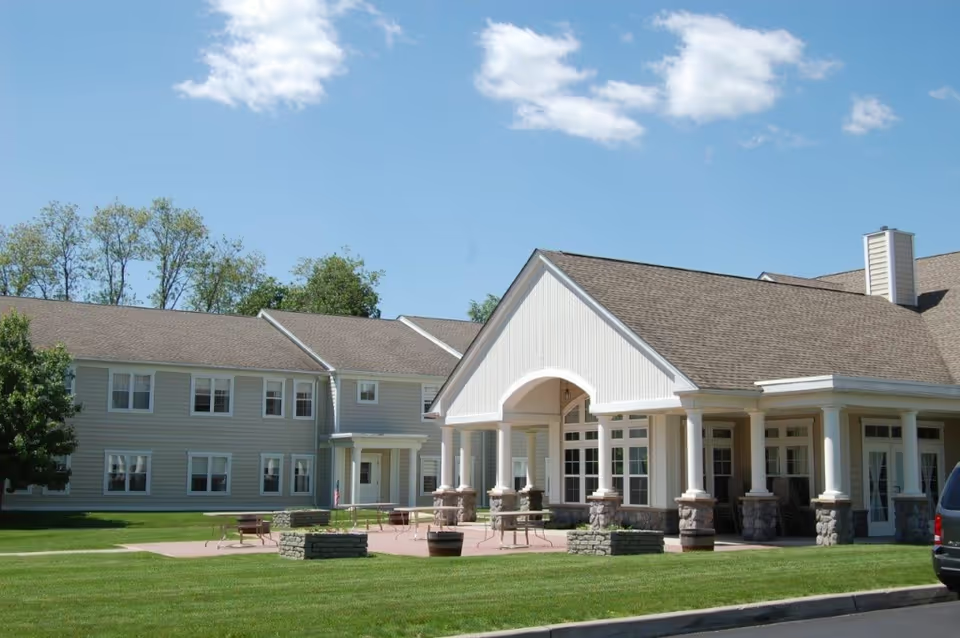
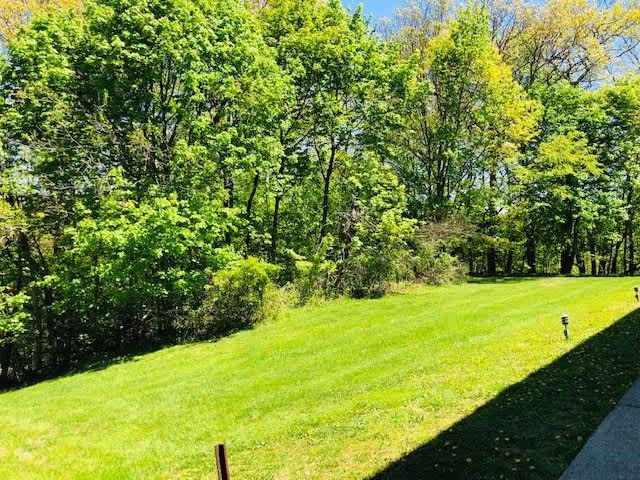
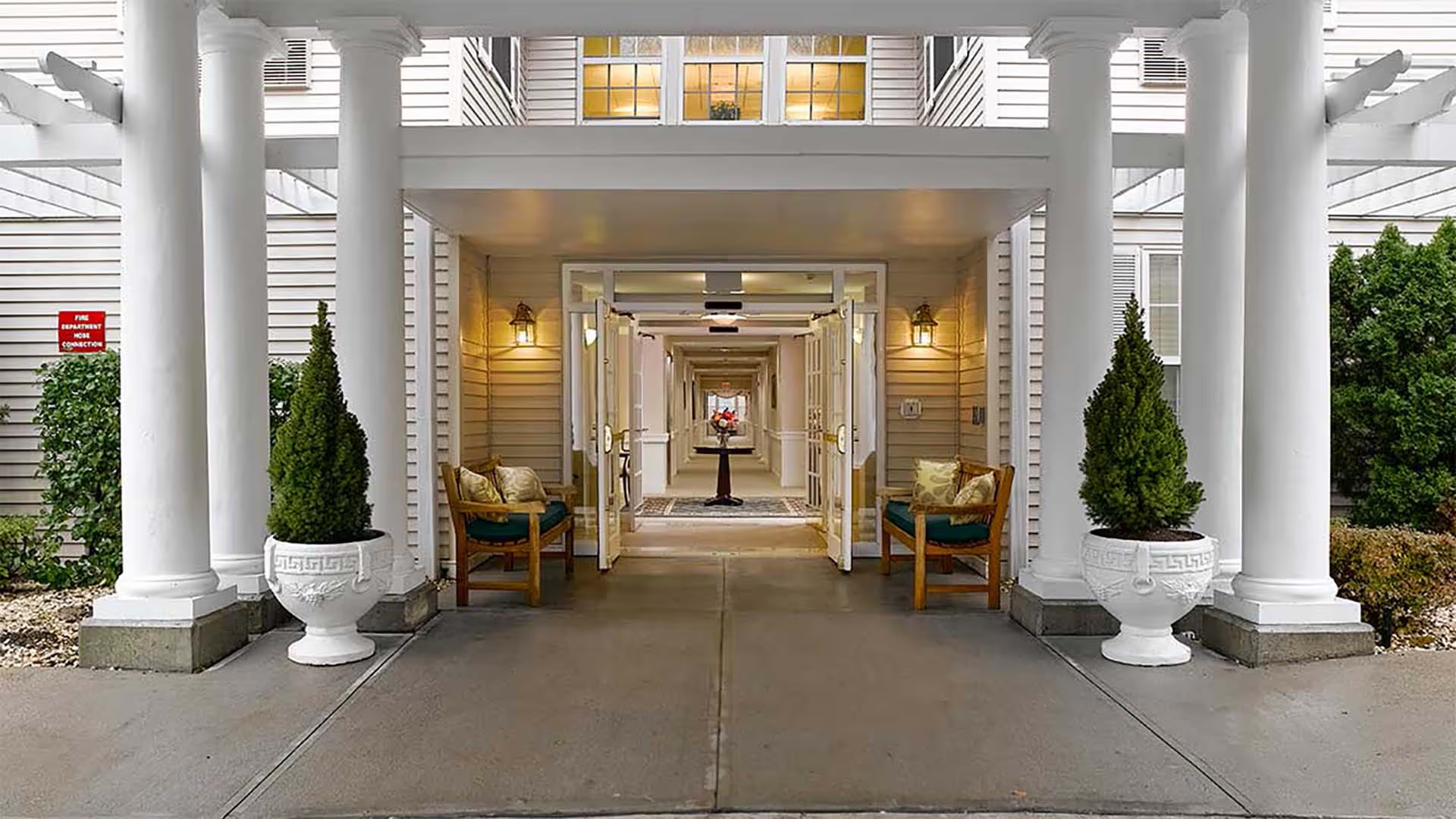
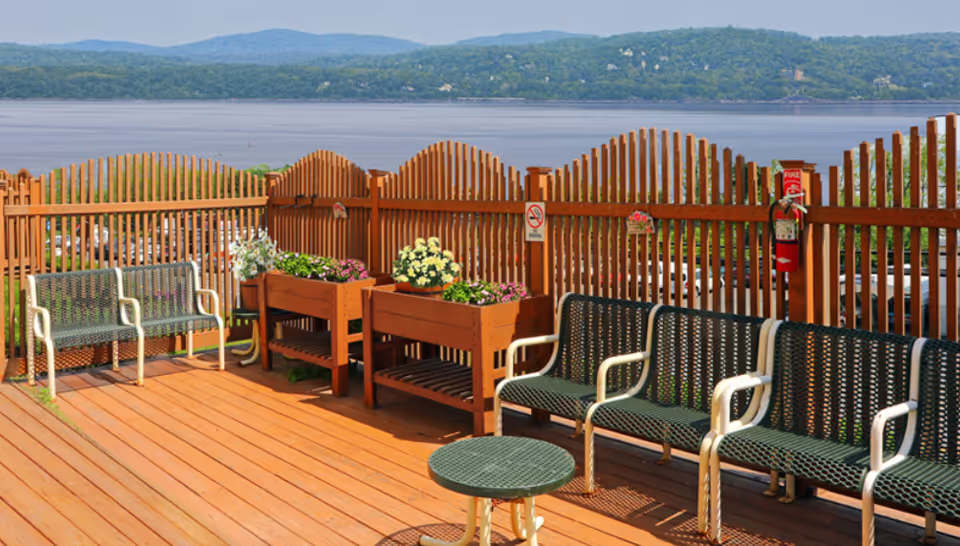
Overall impression The Country House in Westchester is consistently described as a small, home-like assisted living community with a strong emphasis on personalized, relationship-based care. Reviewers frequently highlight warm, attentive staff, an engaged nursing presence, and a lively activity program. The property’s grounds, gardens and outdoor seating areas contribute to a pleasant, domestic atmosphere that many families and residents find comforting.
Care and staff Staffing and caregiver attitude are the facility’s most commonly cited strengths: reviewers describe compassionate aides and nurses, quick responses to call buttons, and individualized attention that promotes resident dignity and independence. That said, reviewer accounts point to variability in staffing stability. High turnover and periodic understaffing—notably on weekends or certain shifts—are recurrent themes and are associated with uneven performance and occasional delays in care. A small number of accounts raise serious concerns about emergency responsiveness and post-incident communication; these descriptions suggest gaps in clinical oversight and family-facing communication that merit direct inquiry.
Dining Dining is generally reported as a positive feature. Many reviewers praise appetizing meals, flexible portions, and accommodating kitchen staff. A minority of comments note variability in meal quality and individual dislikes on occasion. Overall, the dining program is described as generous and adaptable, though families who prioritize gourmet dining should temper expectations.
Activities and social life Activity programming is a clear strength. The Country House offers a broad slate of engagement opportunities—music, sing-alongs, art classes, religious services, outings, wine-and-cheese events, and frequent live performances—that support social interaction and participation. The smaller community size appears to foster friendships and high activity participation, which many families cite as improving residents’ mood and engagement.
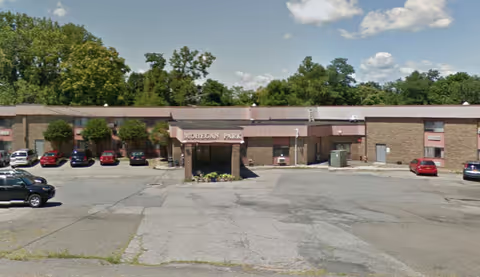
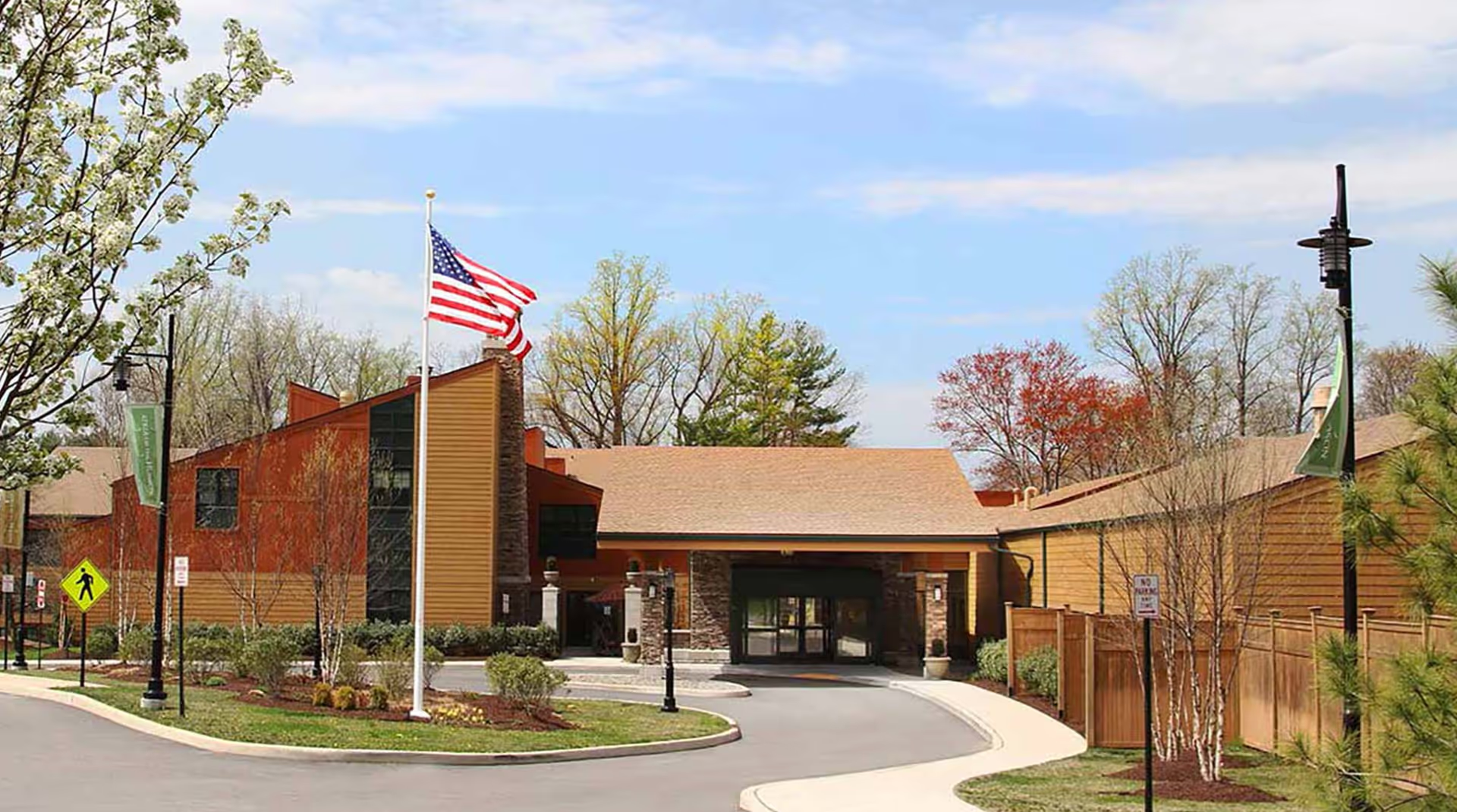
Facility and environment The campus and common spaces receive positive remarks for cleanliness, maintenance of gardens and attractive outdoor areas, and a cozy interior ambiance. Reviewers note private studio options and adequate room sizes, although the building is older and renovations are ongoing; room conditions can vary. Transportation services and proximity to local amenities are additional conveniences.
Management, operations, and cost Management and operational stability are mixed themes. Many accounts describe strong frontline staff and effective family communication, but others describe management turnover, periods without a permanent director, and perceived chaos in administrative responsiveness. Financially, reviewers cite significant rent increases over time and note that the community does not accept Medicaid, which affects long-term affordability for some families.
Patterns and considerations for families Taken together, reviews paint a picture of a community with strong person-centered caregiving, robust activities, and a homelike setting, tempered by operational risks tied to staffing turnover, management instability, and the limitations of an older building. There are isolated but serious accounts related to emergency response, medication administration, and care for residents with advanced cognitive impairment; these suggest the need for focused questions during a tour (for example, current staffing levels, weekend coverage, medication-safety protocols, dementia-care programming, elopement-prevention measures, and the facility’s approach to family communication and complaint resolution). Prospective residents and families who value warm, social, small-scale communities and strong dining and activity programs will likely find the Country House appealing; those who require high-touch clinical oversight, robust dementia-specific services, or predictable long-term financial arrangements should perform targeted due diligence.