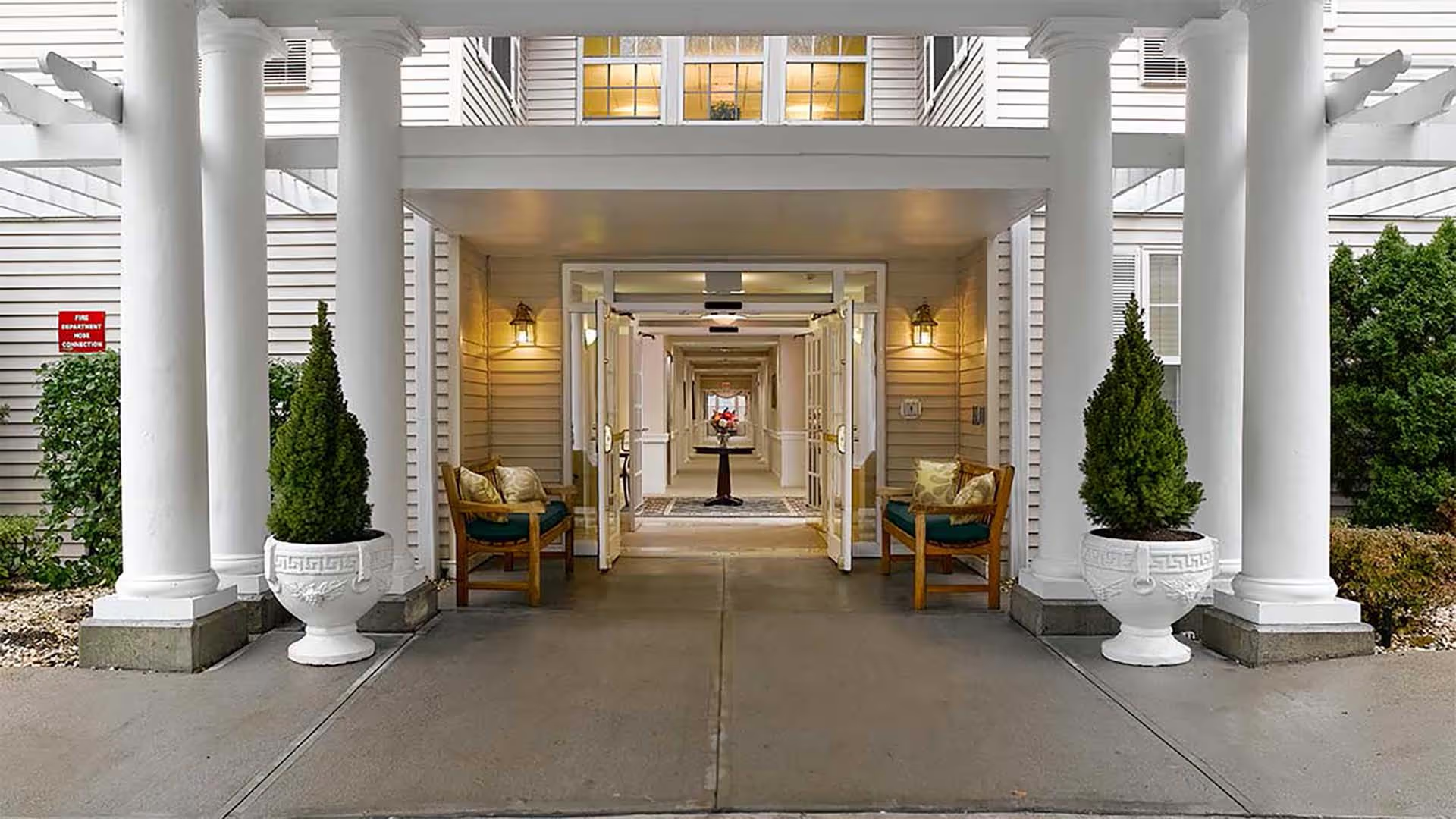
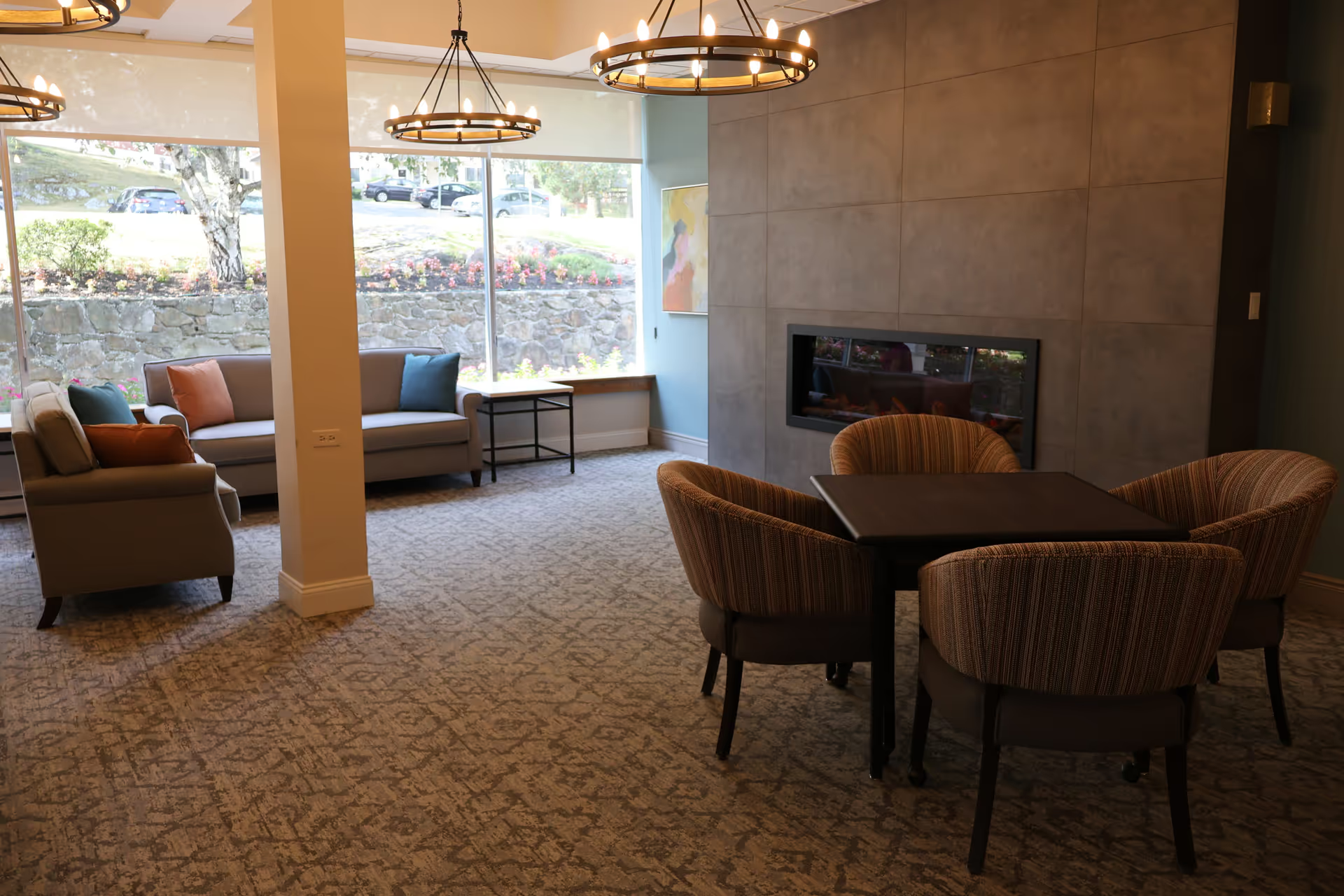
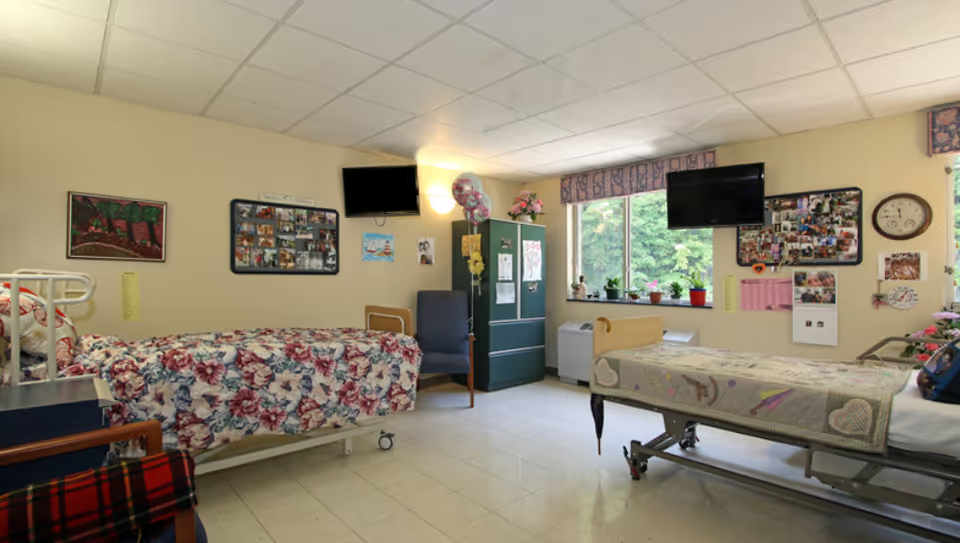
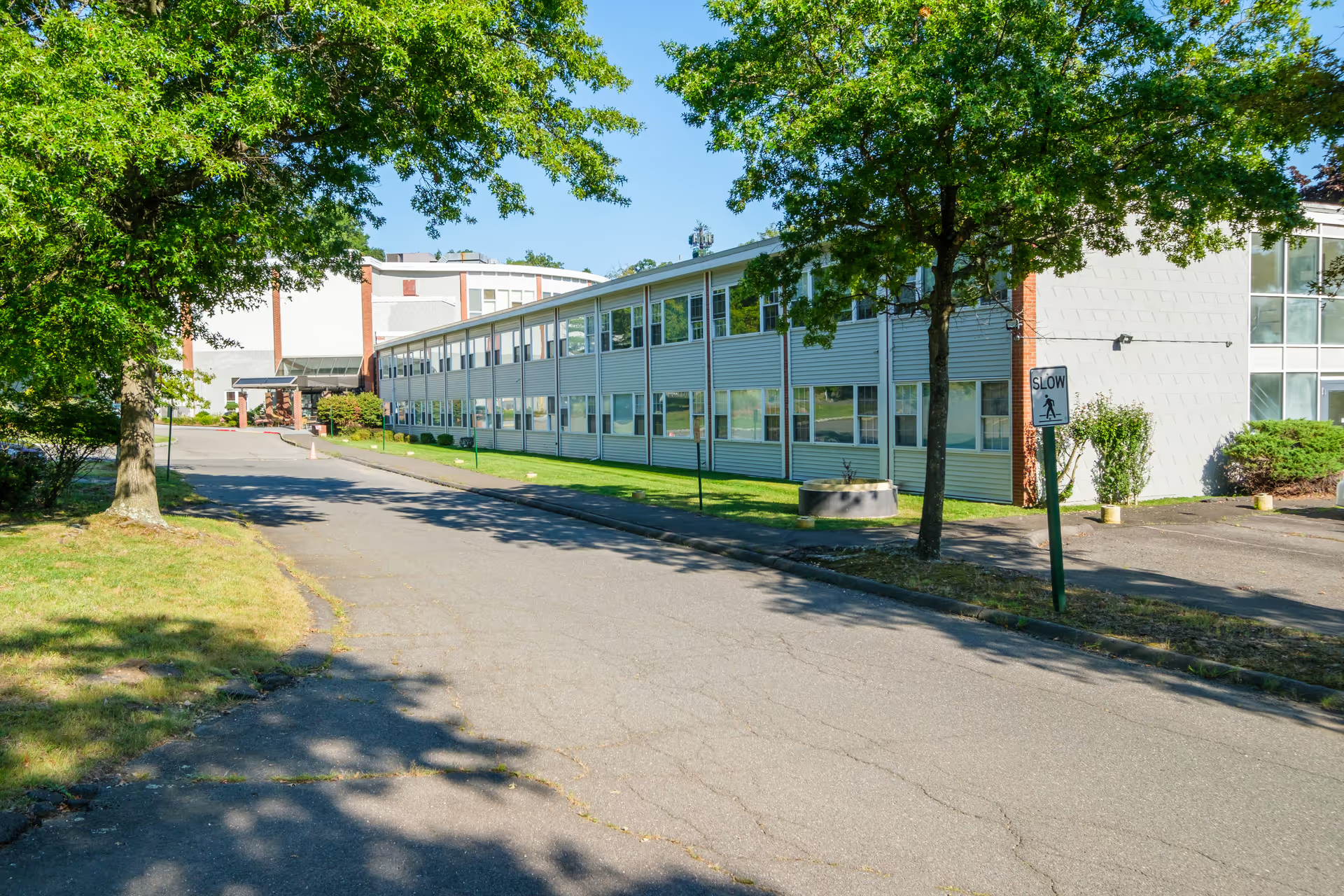
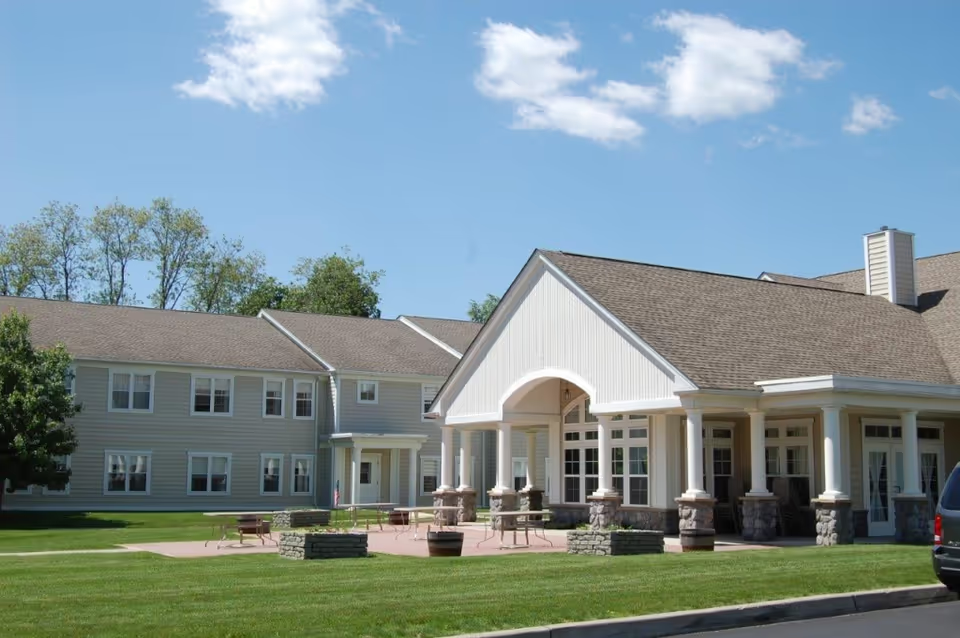
Atria on the Hudson presents as an upscale, resort‑style assisted living community with consistently praised staff, amenities, and programming. Reviewers frequently highlight the facility's strong life‑enrichment program, robust calendar of activities and outings, and a wealth of on‑site amenities — notably an indoor pool, movie theater, fitness center, art studio and multiple communal spaces. The property is described as bright, well maintained and attractive, with a variety of apartment configurations (including patios and balconies) and convenient location near medical centers and retail.
Clinical and day‑to‑day care are commonly described in positive terms: families cite compassionate, hands‑on staff, accessible nursing leadership, and on‑site rehabilitation and wellness services. Memory care programming receives particular praise for engagement and staffing expertise. Housekeeping, weekly laundry and concierge services are ongoing strengths, and the community's COVID‑safety measures and vaccine/testing practices drew positive attention.
Dining is a prominent strength in many accounts: reviewers commend restaurant‑style service, an experienced culinary team, expanded menus and family dining options. Several families noted improved meal quality after pandemic restrictions. That said, dining service is also a recurring area of inconsistency — common concerns include slow table service, fluctuations in food quality or portioning, small dining‑room capacity at peak times, and menu choices that do not always align with individual clinical or appetite needs.
Operational patterns worth noting relate to staffing and administrative consistency. While many reviewers praise individual caregivers, nurses and activity leaders by name, others describe variable staffing levels, occasional staff turnover, and delays responding to call buttons or assistance requests. There are also multiple mentions of medication‑administration lapses and gaps in clinical communication with outside providers; these should prompt prospective families to ask specific questions about pharmacy workflows, medication reconciliation and error‑prevention practices.
Families also described administrative friction points: billing or charge disputes, occasional front‑desk responsiveness problems, and uneven management communication. Facility climate control and thermostat regulation have been raised as recurrent comfort issues, and isolated sanitation/odor concerns were noted for some apartments — indicative of spot maintenance or housekeeping gaps rather than a universal condition.
Taken together, Atria on the Hudson appears well suited to older adults and families seeking an active, amenity‑rich environment with strong life‑enrichment, restaurant dining and accessible clinical services. Prospective residents who require very high levels of daily personal care or who are budget‑sensitive should evaluate the community carefully: ask for current staffing ratios, medication‑management protocols, written billing practices, sample menus and dining schedules, and specifics about memory‑care apartment options and climate‑control remediation. A tour that includes conversation with nursing leadership and a meal service observation will help determine fit given the community's combination of notable strengths and the operational inconsistencies described above.