Overall impression: Reviews present a mixed but actionable picture. Many families praise the facility for compassionate bedside care, strong therapy outcomes, and a clean, secure environment; simultaneously, a subset of accounts raises operational and clinical concerns that prospective families should evaluate when considering placement.
Care and clinical quality: The facility receives consistent positive feedback for rehabilitation services — physical and occupational therapy staff are frequently credited with measurable recovery (for example, improved mobility and reduced pain) and effective transfer techniques. Nursing and CNA attentiveness is also cited as a strength on multiple units, and several reviewers described supportive end-of-life and hospice-oriented care. Contrasting these strengths are substantive clinical-process concerns: reviewers described delays in scheduled exams, inconsistencies in following physician orders, and instances suggesting gaps in medication/therapy follow-up. There are also accounts of pressure-injury and nutritional decline issues; these indicate the need for careful review of skin‑care, nutrition, and high‑risk resident monitoring policies prior to placement.
Staffing, communication, and management: Many staff members — from admissions personnel to floor nurses and therapists — are described as polite, professional, and helpful. Recreation staff and volunteers are noted for creating meaningful engagement. However, the facility appears to struggle with consistent internal communication and family notification practices. Examples point to poor handoffs, incomplete documentation, and difficulty reaching physicians or administrators at times. Reviewers also noted variability between floors (stronger performance on some units than others) and periods when nurses felt overwhelmed, with greater reliance on temporary aides; these patterns suggest uneven staffing distribution and potential continuity-of-care interruptions.
Dining and personal-care services: Families report that dietary needs are addressed through involvement of a dietitian in many cases, and meals are generally serviceable, though several reviewers raised concerns about meal continuity and appropriate diet management for medically complex residents. Personal-belongings management is another recurrent operational issue — clothing has been lost or returned in inadequate packaging, indicating shortcomings in inventory, labeling, or laundry processes that families should clarify before admission.
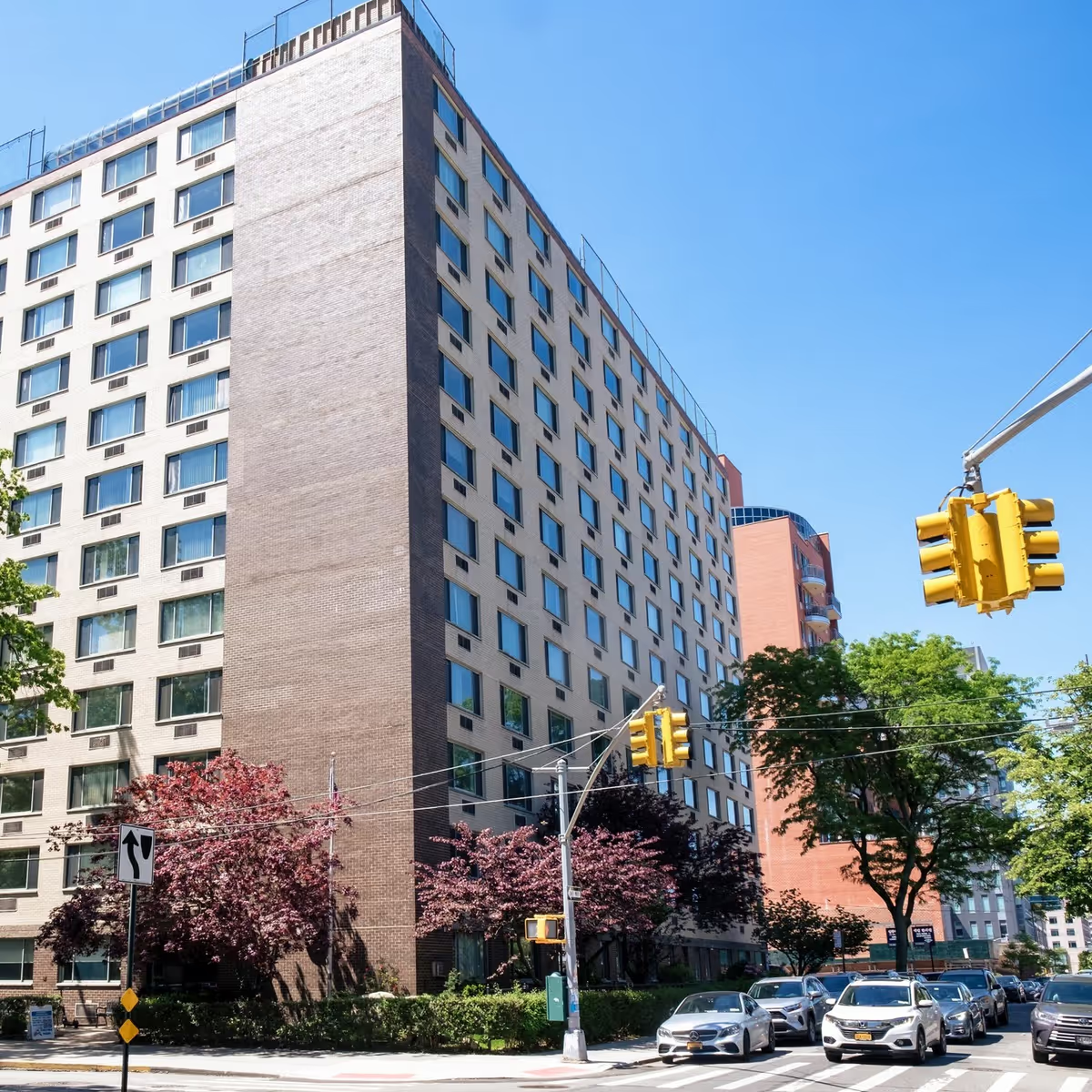
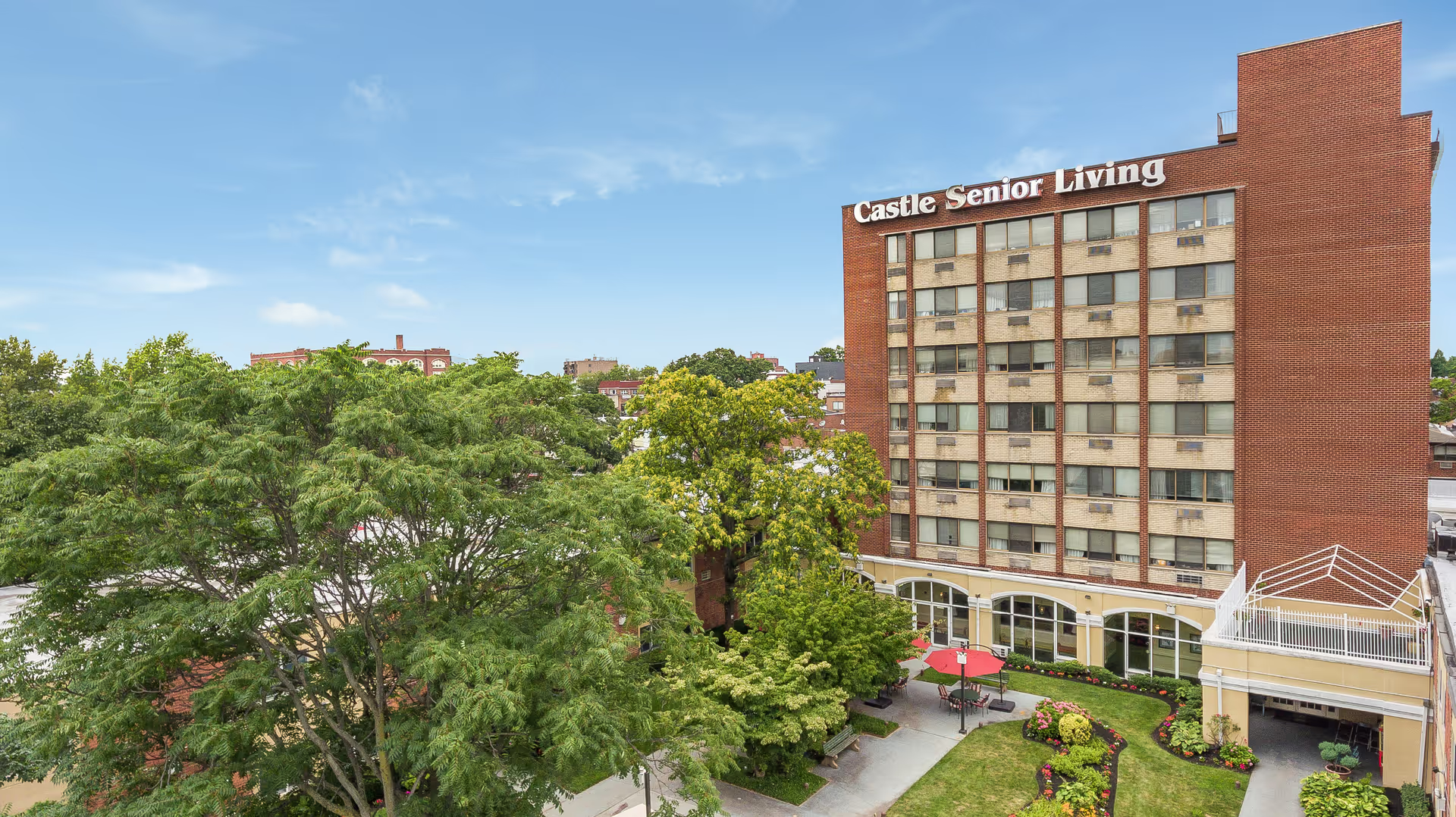
Facilities, activities, and safety: The physical plant is described as clean and recently updated in several accounts, with clear infection‑control measures (COVID-area separation, hand‑sanitization protocols) and a visible security presence. Recreational offerings, volunteer visits, and a rooftop garden are frequently praised for contributing to resident well‑being and social engagement. Visitor access is convenient for local families, though parking and access for visitors from farther away can be challenging.
Notable patterns and recommendations: The dominant positive themes are compassionate caregiving, effective rehabilitation, cleanliness, and active programming. The dominant concerns are operational: inconsistent adherence to clinical orders, communication and documentation gaps, variable unit-level performance, and personal‑property handling. Prospective residents and families who are considering this facility may find it well suited for short‑term rehabilitation or when therapy goals are clear and staff continuity is strong; for longer stays or higher-acuity needs, families should verify clinical protocols. Specific questions to ask during a tour include: how the facility manages physician-order adherence and medication reconciliation, skin‑integrity and nutrition monitoring protocols, unit staffing ratios and use of temporary aides, procedures for family communication and incident notification, and the process for labeling and returning personal belongings.