The Pavilion at Queens elicits strongly mixed impressions: a substantial proportion of families praise the rehabilitation services, certain nurses and therapists, and the facility’s modern common spaces, while other families describe significant operational shortcomings. Positive accounts emphasize an effective physical-therapy program, skillful and attentive therapists, a welcoming lobby and rehab area, multilingual staff and culturally tailored food options, and several individual nurses, CNAs, and social workers who consistently receive high marks for compassionate care and responsiveness.
Clinical-care quality appears uneven across the facility. Many reviews highlight good outcomes in rehabilitation and attentive pain management by specific clinicians, but numerous reports describe delayed responses to call bells, inconsistent bathing and incontinence-care routines, and episodes suggesting gaps in medication administration and shift-to-shift documentation. There are also recurring concerns about airway clearance/suctioning familiarity and post-acute clinical handovers; a small number of severe clinical incidents prompted family concerns about timeliness of emergency escalation and follow-up. These patterns suggest variability in staff training, supervision, and floor-level staffing ratios that can affect clinical reliability.
Staff performance is highly variable: reviewers identify both exemplary, compassionate individuals and instances of poor conduct or curt communication. Compliments frequently single out physical therapists, some nurses, CNAs, and front-desk/security staff for professionalism and empathy. Conversely, other accounts describe inattentive or discourteous behavior, phone use during care, and inconsistent staff presence at nursing stations. This variability often maps to particular shifts and floors, implying that day/night coverage and unit leadership influence the resident experience.
Dining and activities are generally viewed positively when they are delivered as intended. Families report a range of meal choices, recreational programming (bingo, weekly services, social activities), and community-oriented events that support recovery and engagement. However, several reviews note declines in food quality or meal-service continuity, and requests for supplemental nutrition were not always honored promptly.
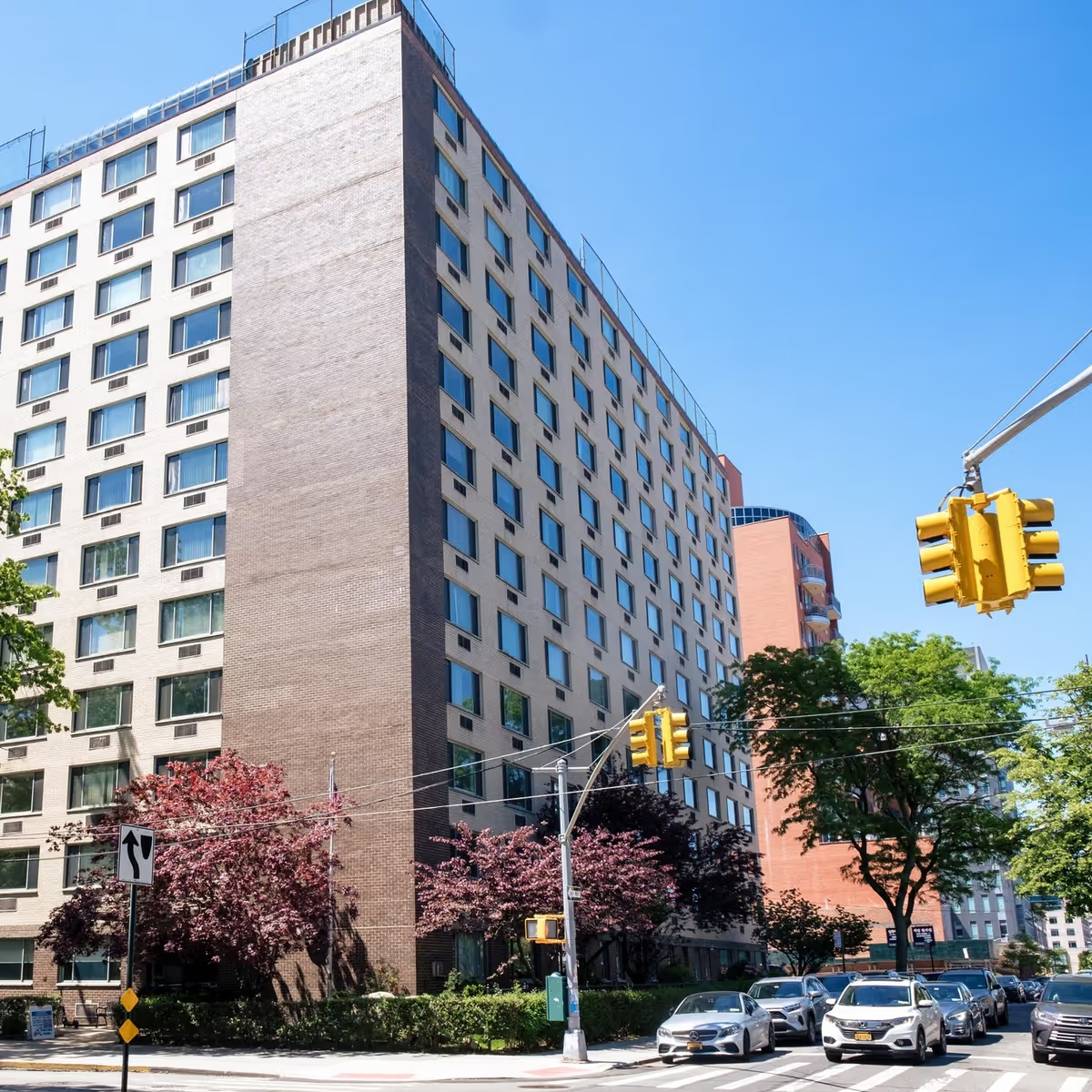
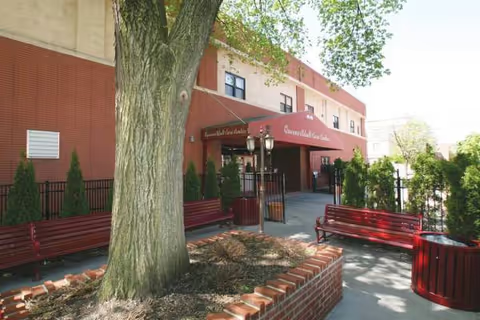
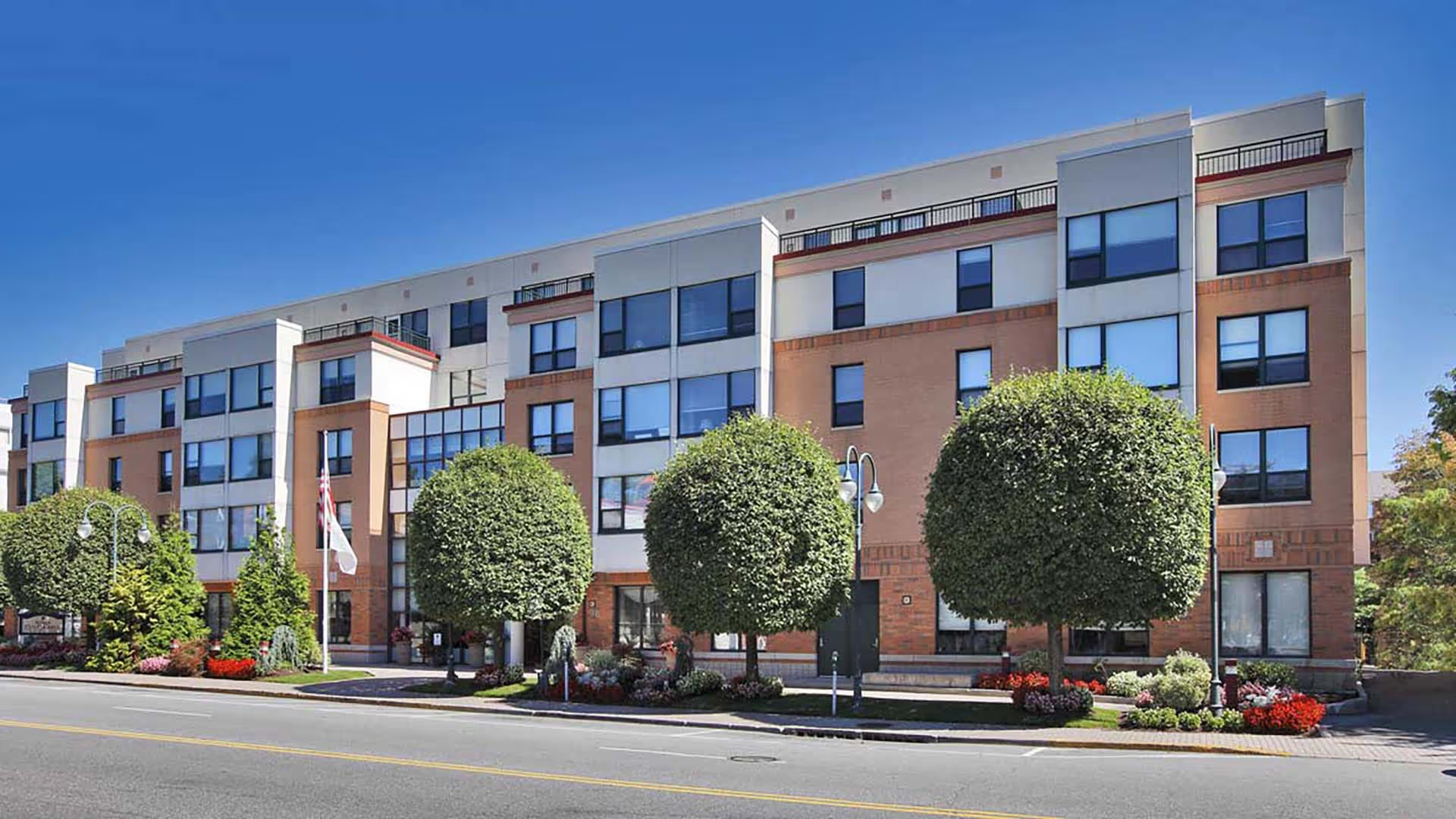
Facility and maintenance feedback is also mixed. The building’s public areas, therapy rooms, and admission lobby are frequently described as modern and well maintained, with convenient features such as valet parking and tech-enabled sign-in. At the same time, reviewers mention localized cleanliness concerns, bathroom and shower maintenance issues, pest-control worries in some units, slow elevators, and insufficient handrails or sink space in certain bathrooms. These infrastructure items appear concentrated on specific floors or wings rather than facility-wide.
Management and administrative processes are another recurring theme. Positive interactions with social workers and admissions staff are noted, including useful discharge planning and coordination of outpatient services. However, other families report delays in paperwork, abrupt or poorly explained discharge decisions influenced by insurance, lapses in front-desk coverage, and concerns about belongings handling and inventory procedures—some reviewers raised allegations regarding missing items that they felt were not adequately investigated. Several reviewers suggested that better communication, clearer handover practices, and more consistent supervisory presence would reduce safety and satisfaction gaps.
Taken together, the pattern is one of a facility with strong rehabilitation capabilities and many dedicated staff members, but with operational inconsistencies that affect safety, hygiene, and family trust on certain units and shifts. Prospective residents and families should consider an in-person tour, ask specific questions about staffing ratios by shift and floor, call-bell response times, medication-administration protocols, infection-control and pest-control measures, handover procedures, and the facility’s policy for documenting and securing personal belongings. Requesting to speak with the unit manager for the intended floor and seeking recent state inspection or complaint records can also help assess whether the facility’s strengths are matched by consistent operational reliability.