The compiled reviews for Fairview Rehab & Nursing Home describe a highly polarized resident experience: several families and patients describe excellent rehabilitation outcomes, compassionate caregivers, and supportive ancillary services, while a substantial portion of feedback raises operational and clinical concerns that affected safety, comfort, and communication.
Care quality is described as uneven. Positive comments focus on effective physical, occupational, and speech therapy programs and individual therapists who achieved functional gains. Contrasting accounts identify delays or inconsistencies in medication administration and changes in medication without clear family communication, failures to adhere to special-diet requirements (notably for residents with diabetes), missed or delayed pain control, and episodic gaps in clinical follow-up. Multiple reviews allege problems with wound management and pressure-injury prevention and describe recurrent urinary and other infections; these accounts point to variability in clinical oversight across units.
Staff performance likewise varies by unit and shift. Numerous reviewers praise individual nurses, aides, and concierge personnel for kindness, communication, and professionalism. At the same time, many reviews cite chronic understaffing, especially on night shifts and specific floors, high personnel turnover, and instances where CNAs performed tasks beyond their scope due to workforce shortages. Common operational consequences described include slow responses to call bells, inconsistent bathing and toileting assistance (framed here as incontinence-care delays), and concerns about staff conduct or tone during family interactions.
Dining and activities present a similar mixed picture. The facility offers organized programming, social events, and an animal-assisted therapy program that several families found meaningful. Therapy and recreation teams are often noted as strengths. However, meal quality and dietary consistency are recurrent concerns: reviewers reference unappealing meals, inconsistent adherence to therapeutic diets, lost food brought from home, and small or variable portions. Activity availability may be robust in some units while limited in others.
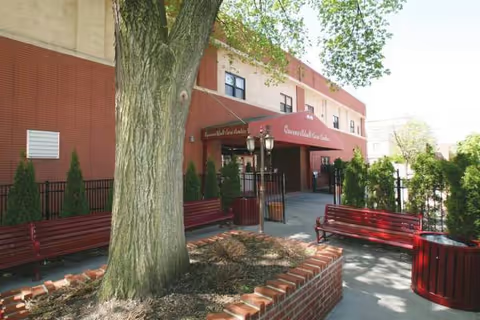
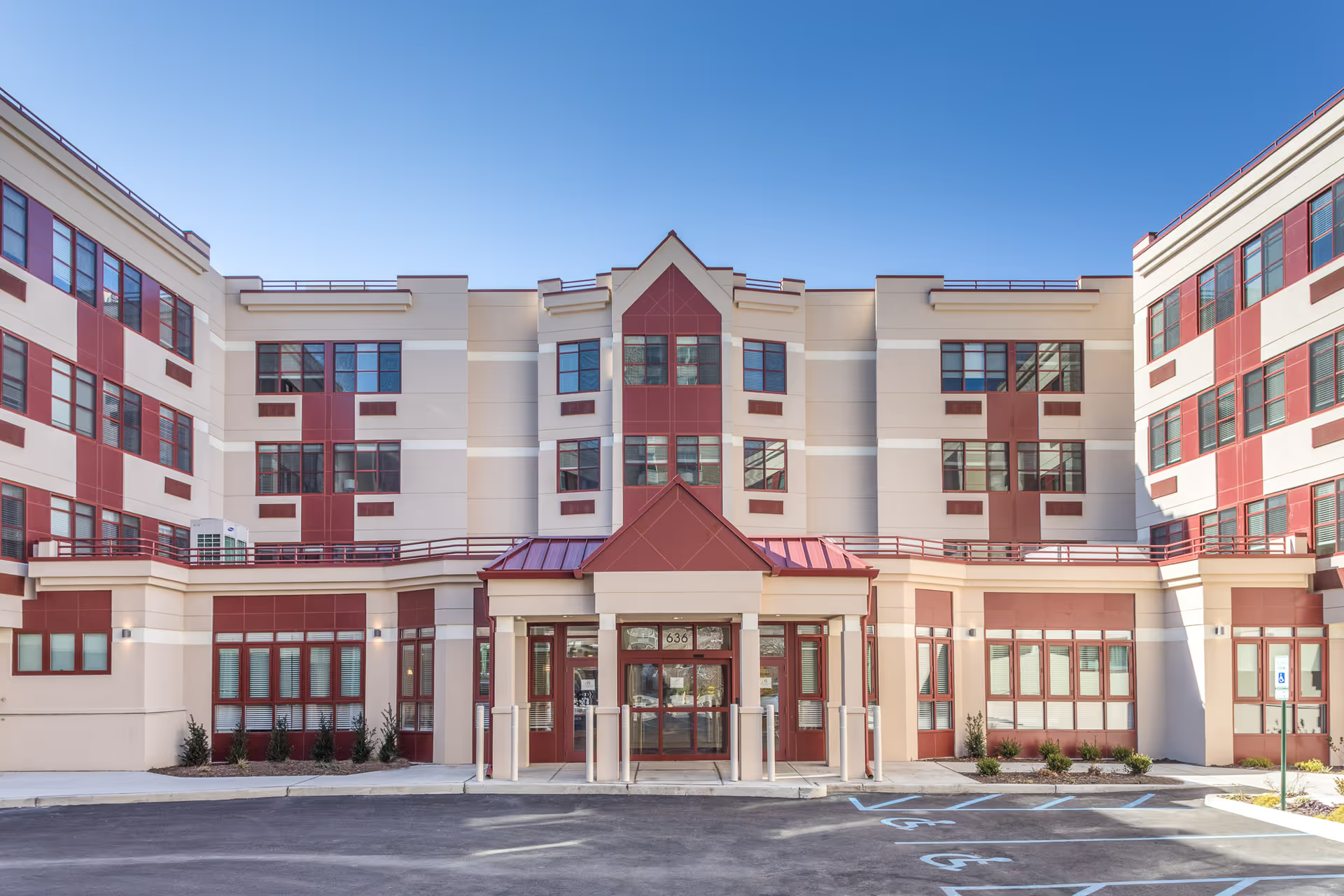
Facility condition and cleanliness reports are inconsistent across floors. Renovated areas and common spaces receive positive remarks for being bright and well maintained; other areas are described as aging, with maintenance shortcomings such as broken equipment, mold or water-damage concerns, and pest-control or odor issues. These differences suggest variability in environmental condition by unit rather than uniform facility-wide standards.
Administration and management emerge as a frequent source of family frustration. Common themes include poor phone responsiveness, delayed or unreturned messages, inadequate case-management follow-through, and contested billing or insurance-handling practices; there are also a limited number of allegations concerning improper billing or insurance switching that families escalated to external authorities. Several accounts describe adversarial or unhelpful interactions with social work or leadership when families sought transfers or escalations. These patterns have led some families to involve regulatory or law-enforcement agencies.
Notable patterns for prospective residents and families: outcomes appear strongly dependent on the specific unit, shift, and individual staff. Rehabilitation services and certain staff members can deliver high-quality, goal-oriented care, while other operational areas—particularly staffing levels, medication and wound management processes, family communication, meal/diet consistency, and environmental maintenance—show recurrent deficiencies. Families considering placement should request current staffing ratios for the intended unit, inquire about protocols for medication changes and wound care, verify dietary accommodations in writing, obtain direct contact information for responsible clinicians or supervisors, and visit the particular floor where the resident would be placed to assess cleanliness and activity programming. Reviewing recent state inspection reports and confirming billing/consent procedures in writing are also prudent steps given the billing and authorization concerns raised in some reviews.