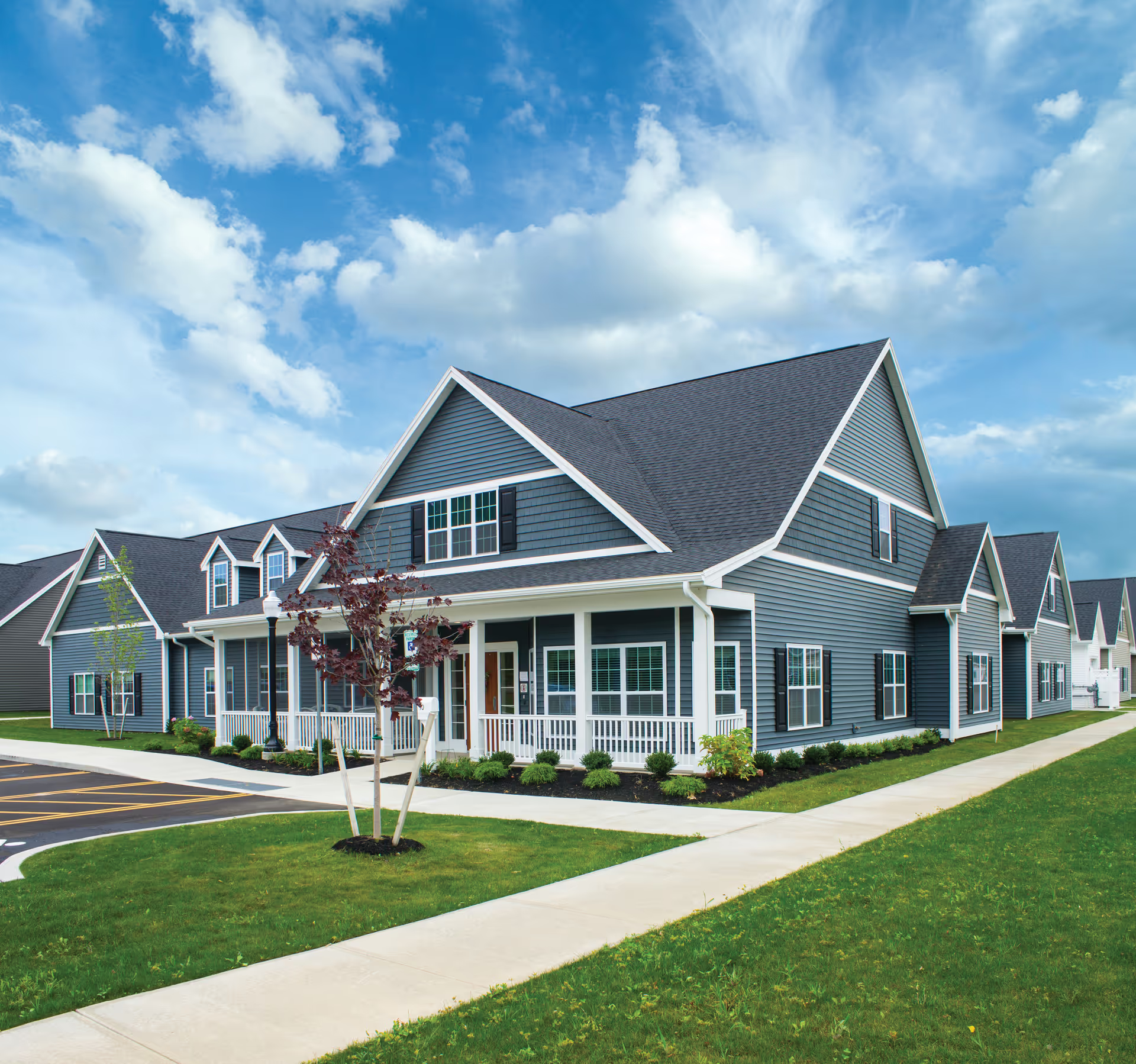
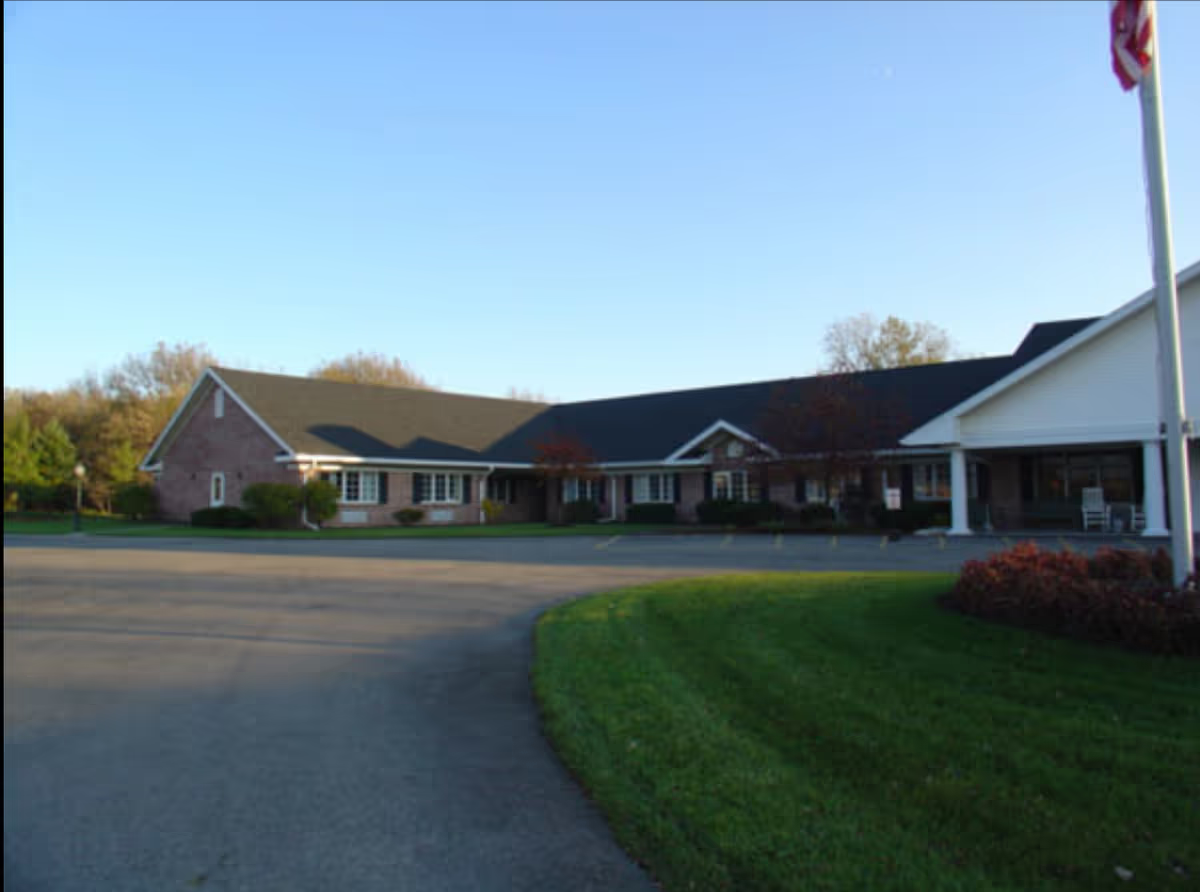
Reviews of Seneca Lake Terrace describe a mixed but detailed picture. Many families praise the caregiving staff for being compassionate, attentive, and responsive when engaged; reviewers commonly note thorough admission tours, a rapid move-in process, and relief among families after placement. The community offers several operational strengths that attract residents: an active activities calendar (including music visits and themed nights), on-site personal-care services such as a salon, private rooms with en-suite bathrooms, meal modifications, and rehabilitation/physical-therapy support. The facility's location and decor are often described as convenient and pleasant, and common areas receive favorable remarks for cleanliness and ambiance from multiple families.
Care quality and staffing present a mixed pattern. Numerous accounts highlight individualized attention and competent medication and hygiene oversight in many cases, but there are recurring concerns about inconsistent staffing levels and high turnover. These staffing fluctuations are linked in some reviews to variability in daily care and challenges completing personal-hygiene routines for residents with advanced memory impairment. Several families also raised issues about staff training specific to memory care needs and about the tone or conduct of some employees in memory-care areas; these concerns point to training and supervision gaps rather than uniformly poor practice across the whole staff.
Dining and activities are also described unevenly. Positive comments emphasize outstanding meals, the ability to modify diets and request made-to-order options, and an energetic activities program that supports social engagement. Conversely, other reviewers noted variability in food quality and mentioned kitchen-safety and sanitation concerns, suggesting inconsistencies in food-service operations that prospective families should verify. Activities are generally viewed as a strength; schedules appear robust and family invitations to participate are common, though a few families desired more outdoor time or greater diversity of social stimulation.
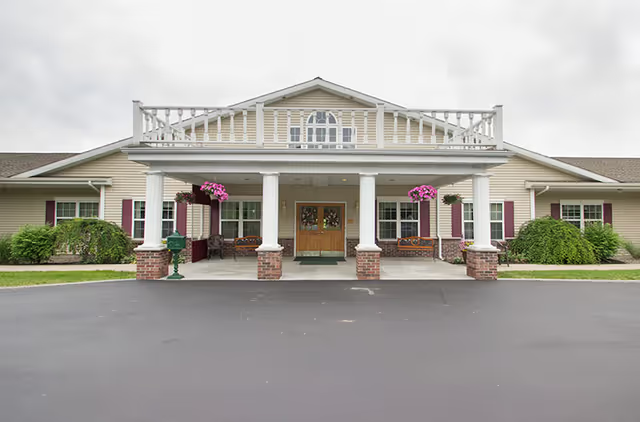
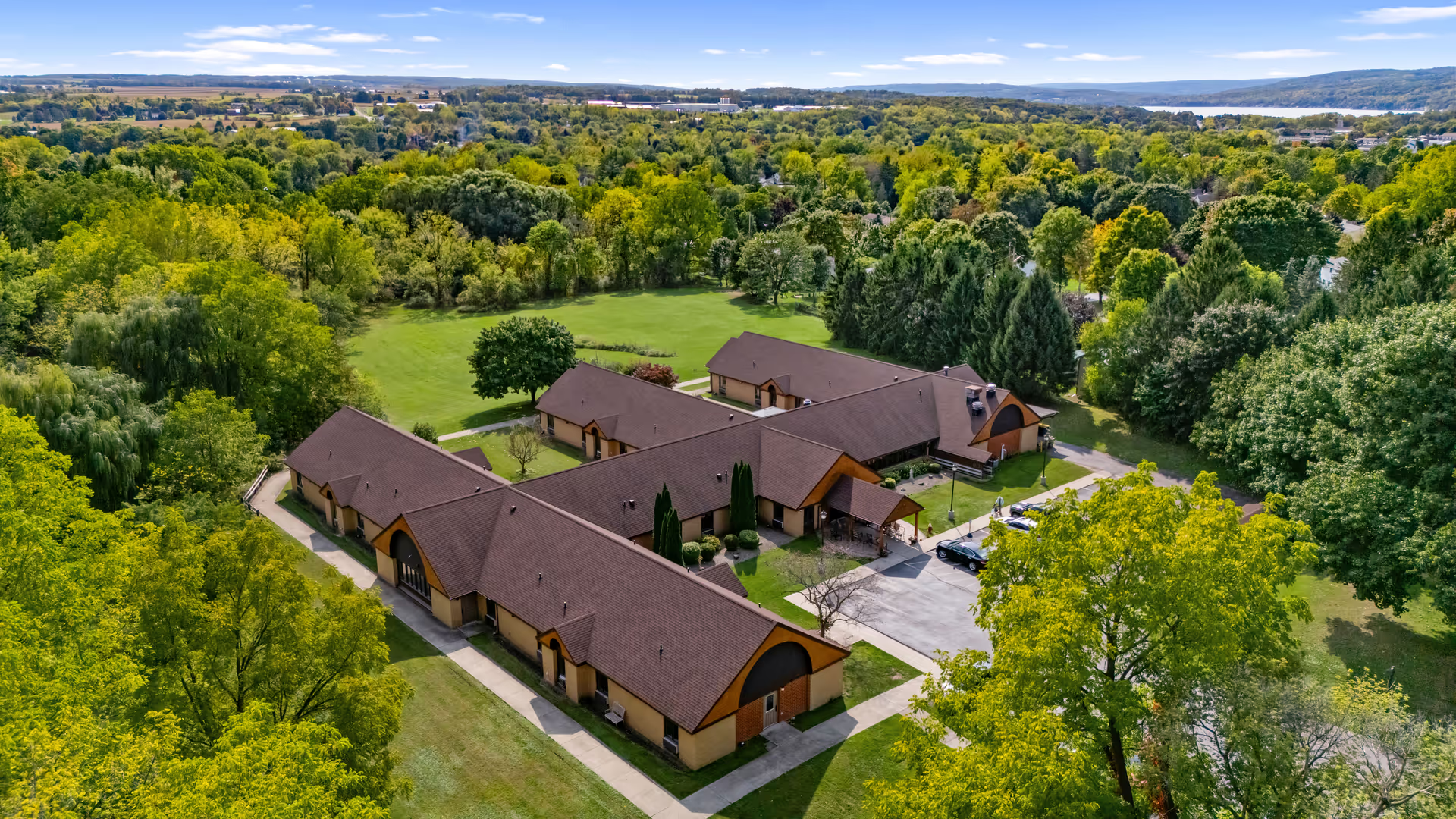
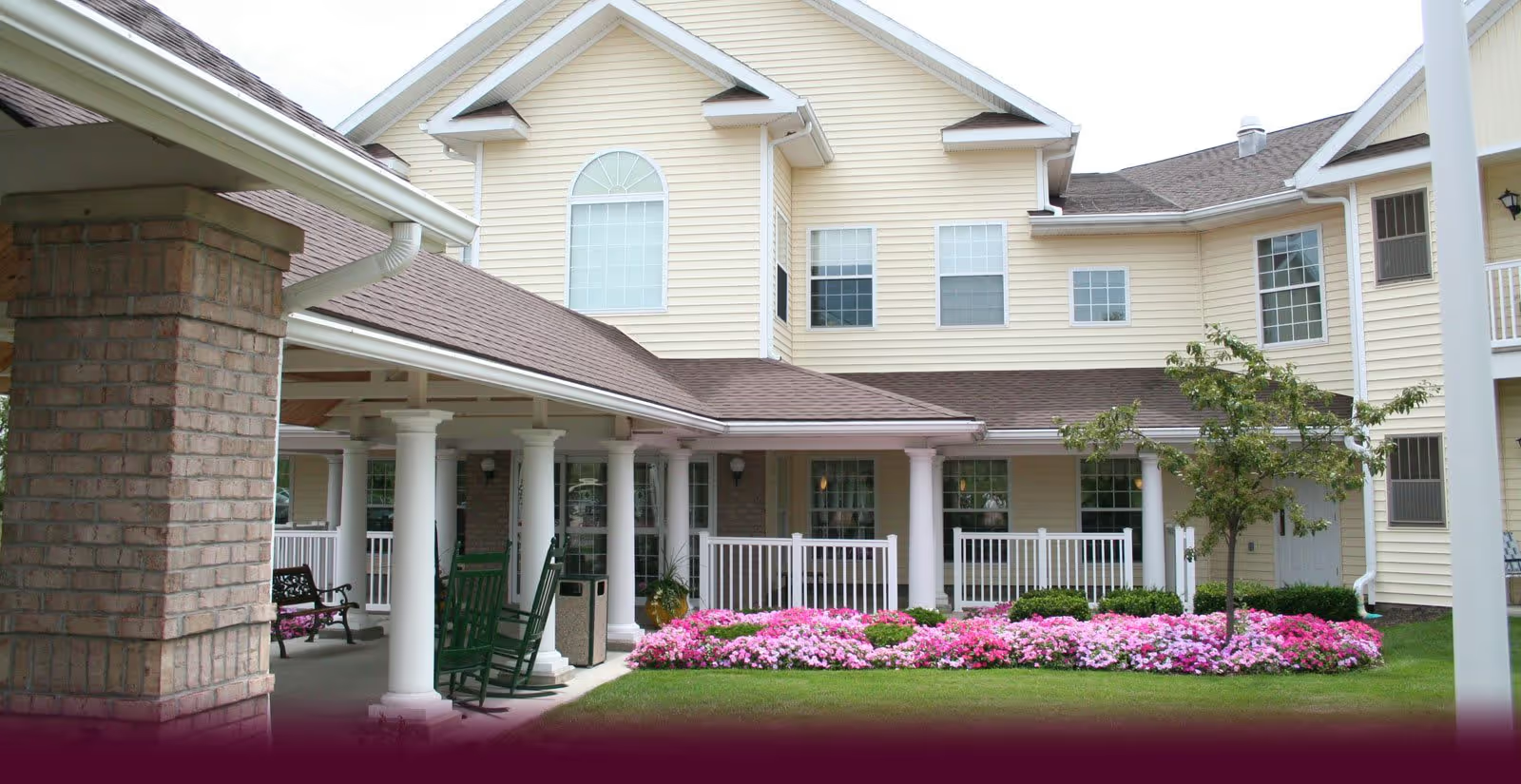
Facility condition and operational management show contrast as well. Parts of the building and decor are praised as attractive and well-kept, yet several reviewers observed areas that feel worn and in need of updates. There are repeated mentions of inconsistent cleaning and sanitation practices, delayed maintenance or slow resolution of work orders, and specific safety-related concerns in the kitchen. On the management side, feedback ranges from approachable, collaborative leadership to criticisms of organizational disorganization, management absence from the office, and poor communication with families. These mixed experiences suggest variability in day-to-day administrative follow-through.
Notable patterns for prospective residents and families: experiences appear polarized — some families describe a “perfect match” with responsive care, while others encountered operational and communication problems that affected confidence in the community. Key topics to evaluate during a visit include current staffing stability and training (especially in memory care), maintenance-response timelines, specific sanitation and kitchen-safety practices, the availability of on-site medical services, and total private-pay cost and room availability. Asking for recent staffing schedules, training protocols for memory care, examples of resolved work orders, and a sample weekly activities calendar can help clarify whether the facility’s strengths align with an individual resident’s needs.