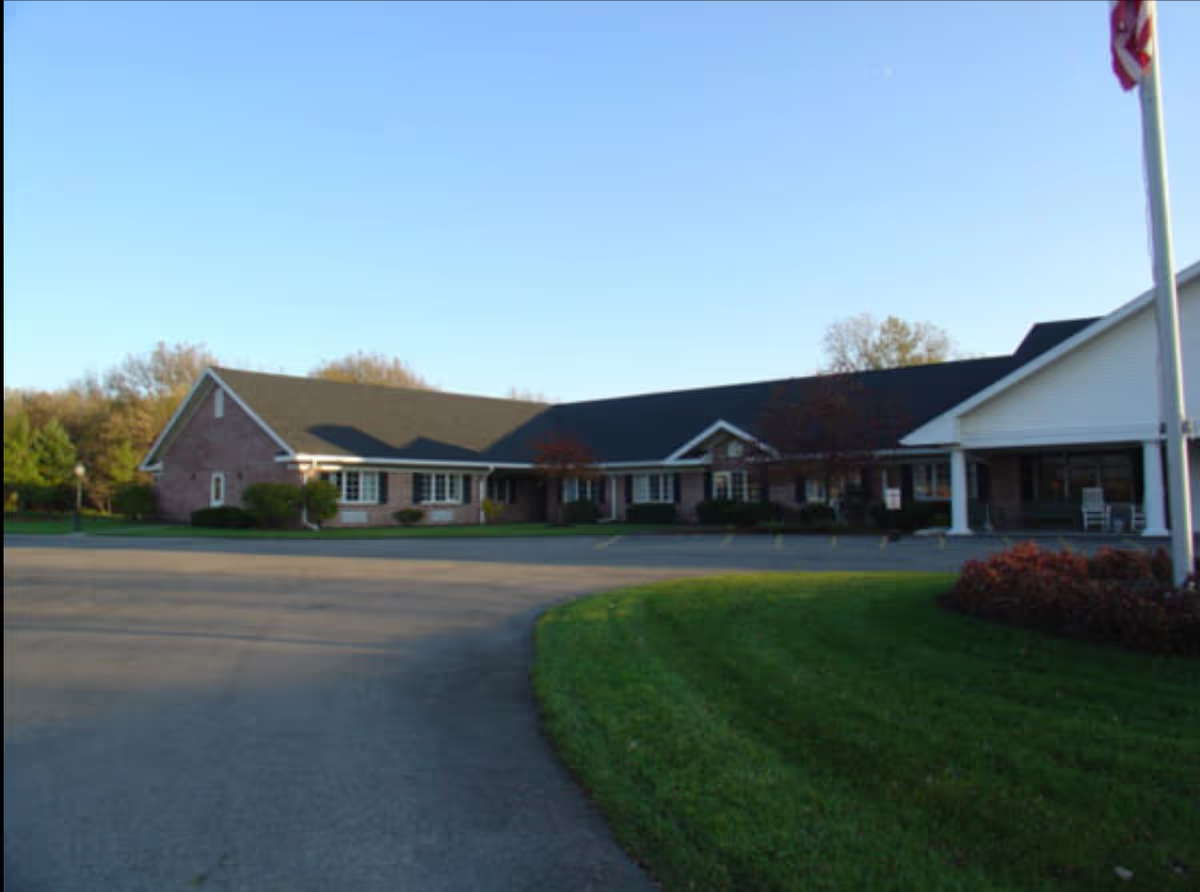
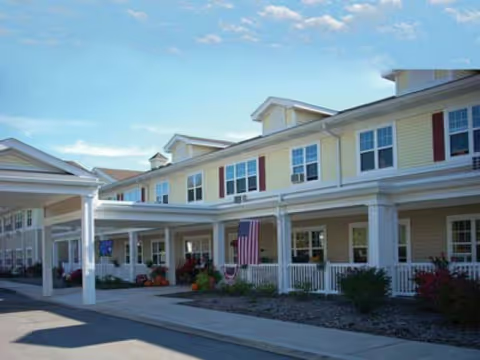
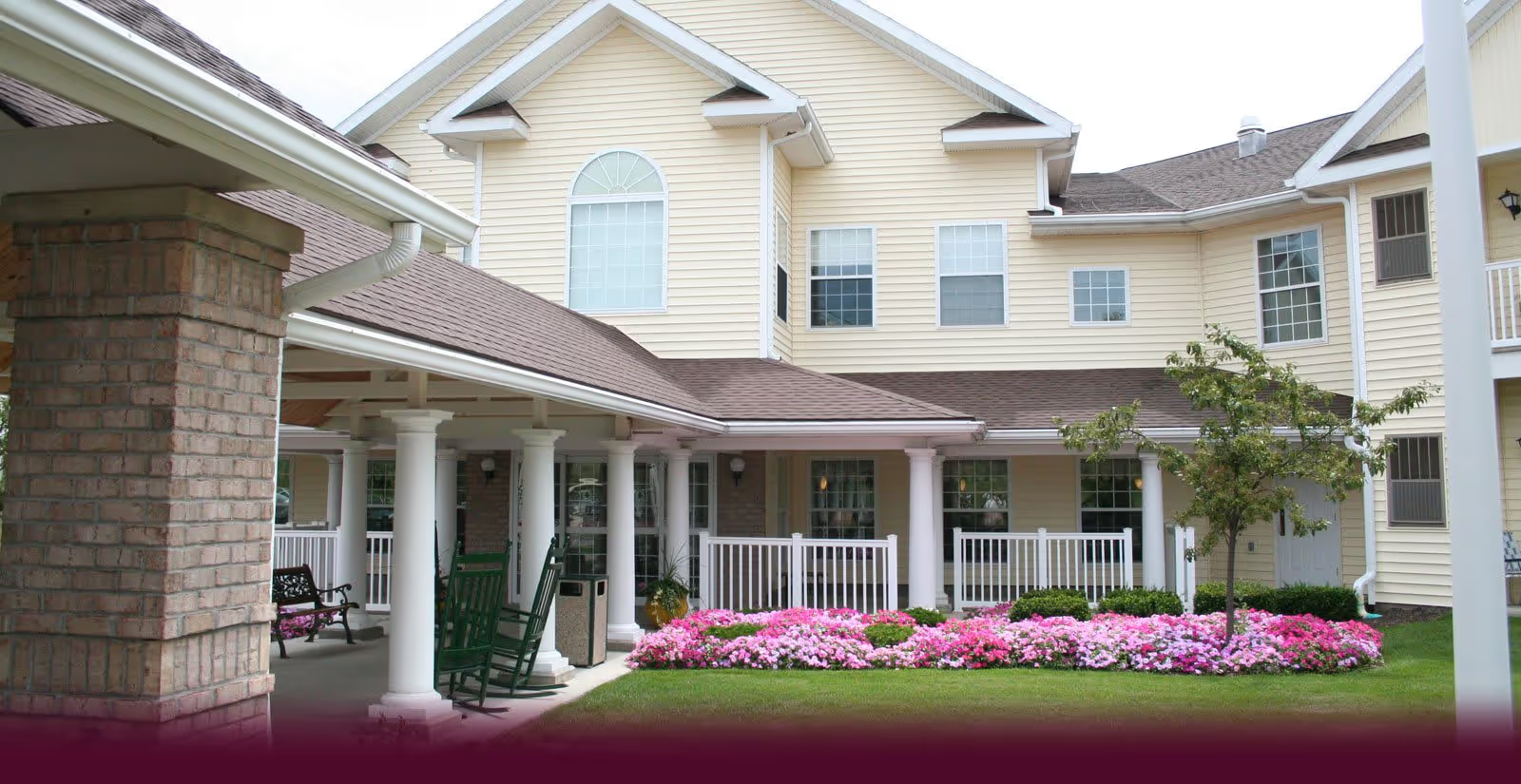
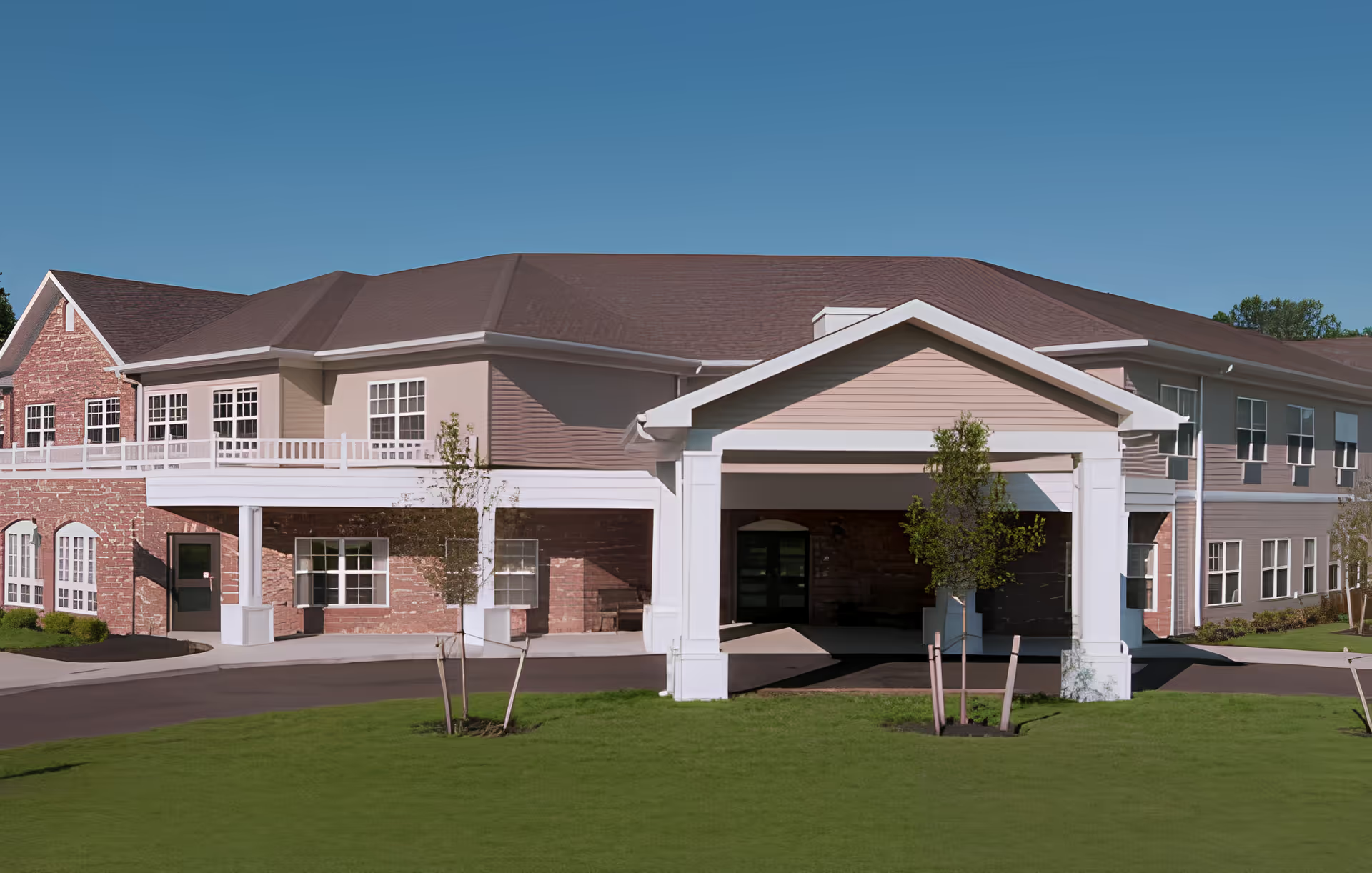
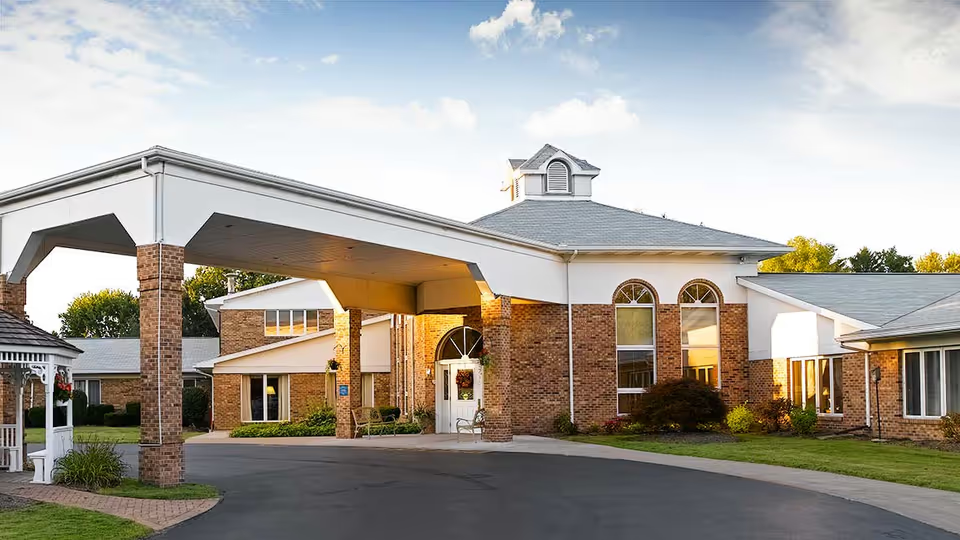
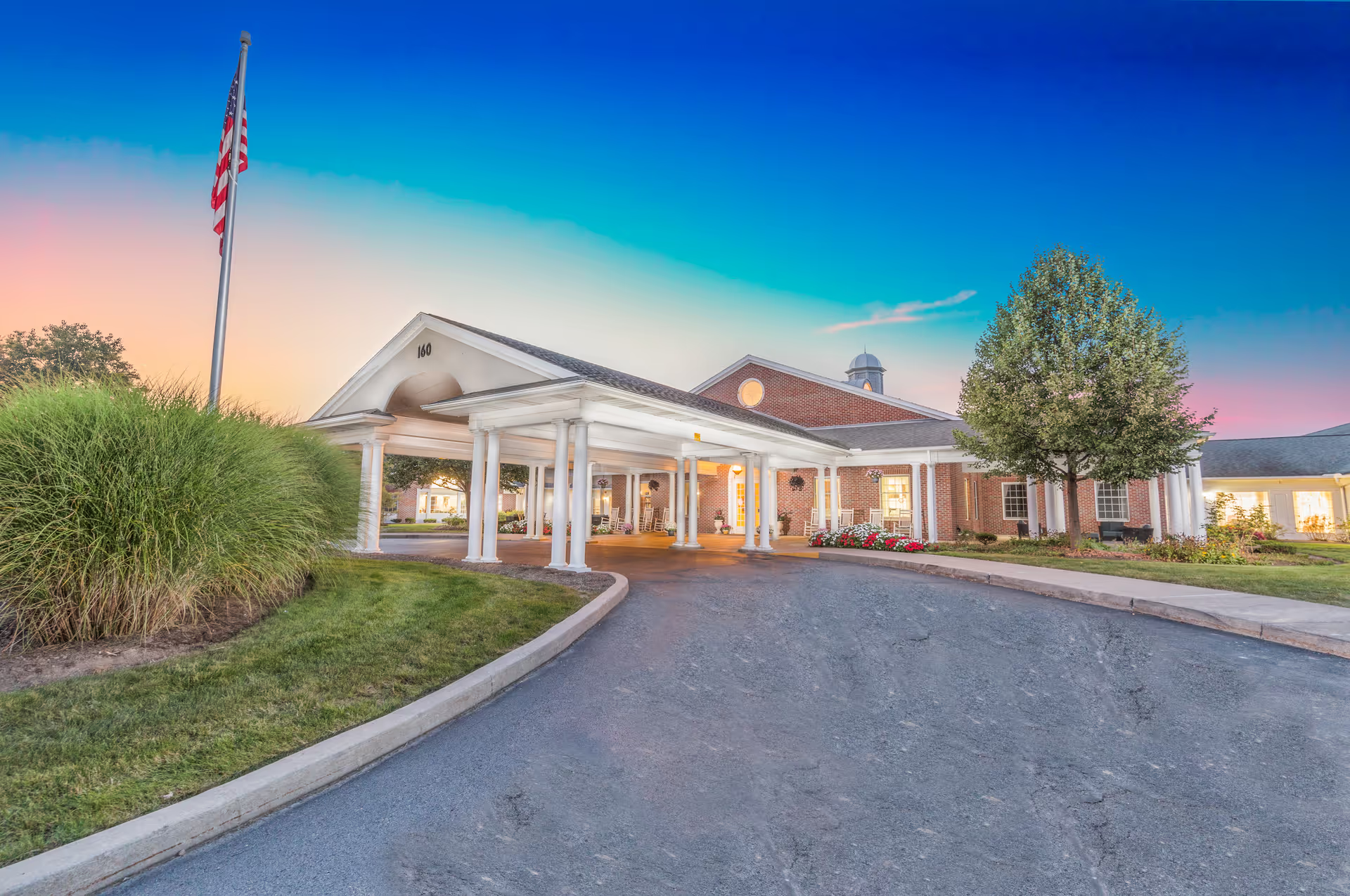
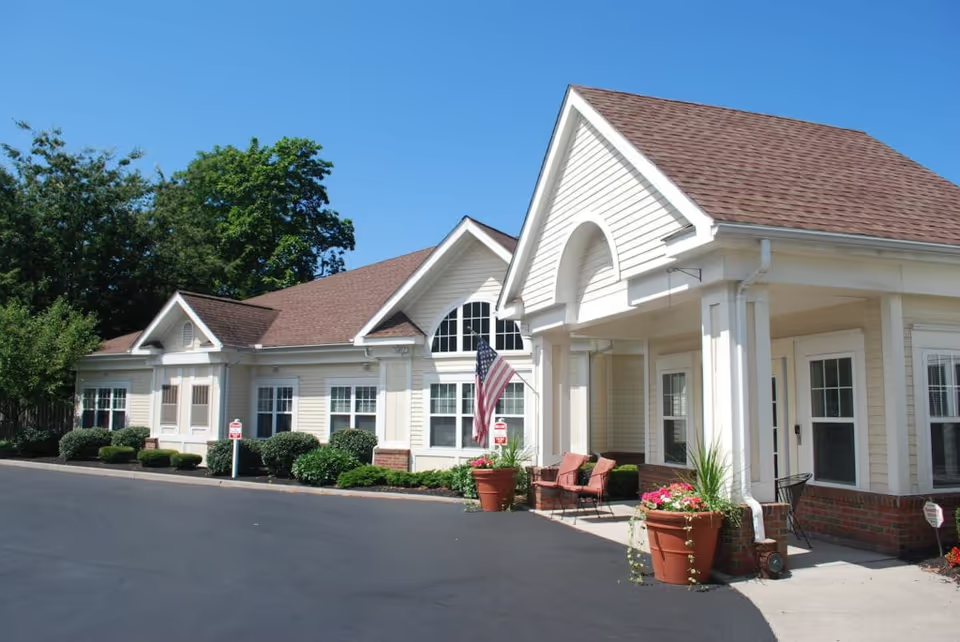
Creekstone is presented consistently as a purpose-built, cottage-style senior living community with a strong emphasis on a home-like environment. Physical features that attract families include private rooms with in-room bathrooms, spacious and handicap-accessible layouts, a central open kitchen, a secured courtyard and several homelike common areas (fireplace, fountain, gazebo, vegetable garden). The property is described as well maintained and clean, and the small-community scale supports social opportunities and family-style interaction.
Staffing and direct care are frequently cited as core strengths. Reviewers describe a consistent staff presence, dementia-trained caregivers, and a low staff-to-resident ratio that supports familiarity and personalized interactions. Many families highlight compassionate, attentive staff who engage residents in grooming and daily routines and who provide responsive, respectful oversight for residents with cognitive impairment. At the same time, the review set includes serious concerns about variability in responsiveness: some accounts indicate delays or inconsistencies in assistance, personal-care follow-through, and weight/health monitoring. These accounts suggest an operational gap in reliably translating staffing and training into consistent day-to-day care for every resident.
Dining and programming are strong points in most accounts. Meals are prepared on-site in an open kitchen, described as fresh, hot, and restaurant-style; the chef is depicted as accommodating, and breakfast schedules are flexible. Activity offerings are active and varied, including exercise classes, movies, reading groups, outings to parks, and frequent one-on-one engagement; reviewers also note two activity directors and good family-facing communication channels such as photos, FaceTime, and newsletters.
Management and systems show mixed signals. Many reviewers describe professional, family-oriented management that fosters a culture of caring and strong staff teamwork. However, a subset of reviews raises concerns about how the facility handles clinical incidents, hospital transfers, and communication during adverse events. Those concerns point to potential gaps in incident response protocols and in timely, transparent family communication. There is also an indication that the community's capacity for higher-acuity or rapidly progressive medical needs is limited; a planned expansion for enhanced needs is referenced, but current capability may be constrained. Cost is noted as higher than some alternatives, though several families consider it justified by the setting and staff.
For prospective residents and families: Creekstone appears well suited to those seeking a small, homelike memory-care or assisted-living atmosphere with strong emphasis on fresh meals, social programming, and consistent staffing. Due diligence is recommended around care-continuity practices and clinical incident protocols—ask about staffing patterns across shifts, specific procedures for responding to falls or acute changes, documentation of meal and weight monitoring, and protocols for hospital transfers and family notification. A focused visit during multiple times of day and direct conversations with current families can help assess whether the facility’s positive attributes are delivered consistently for the particular care needs you anticipate.