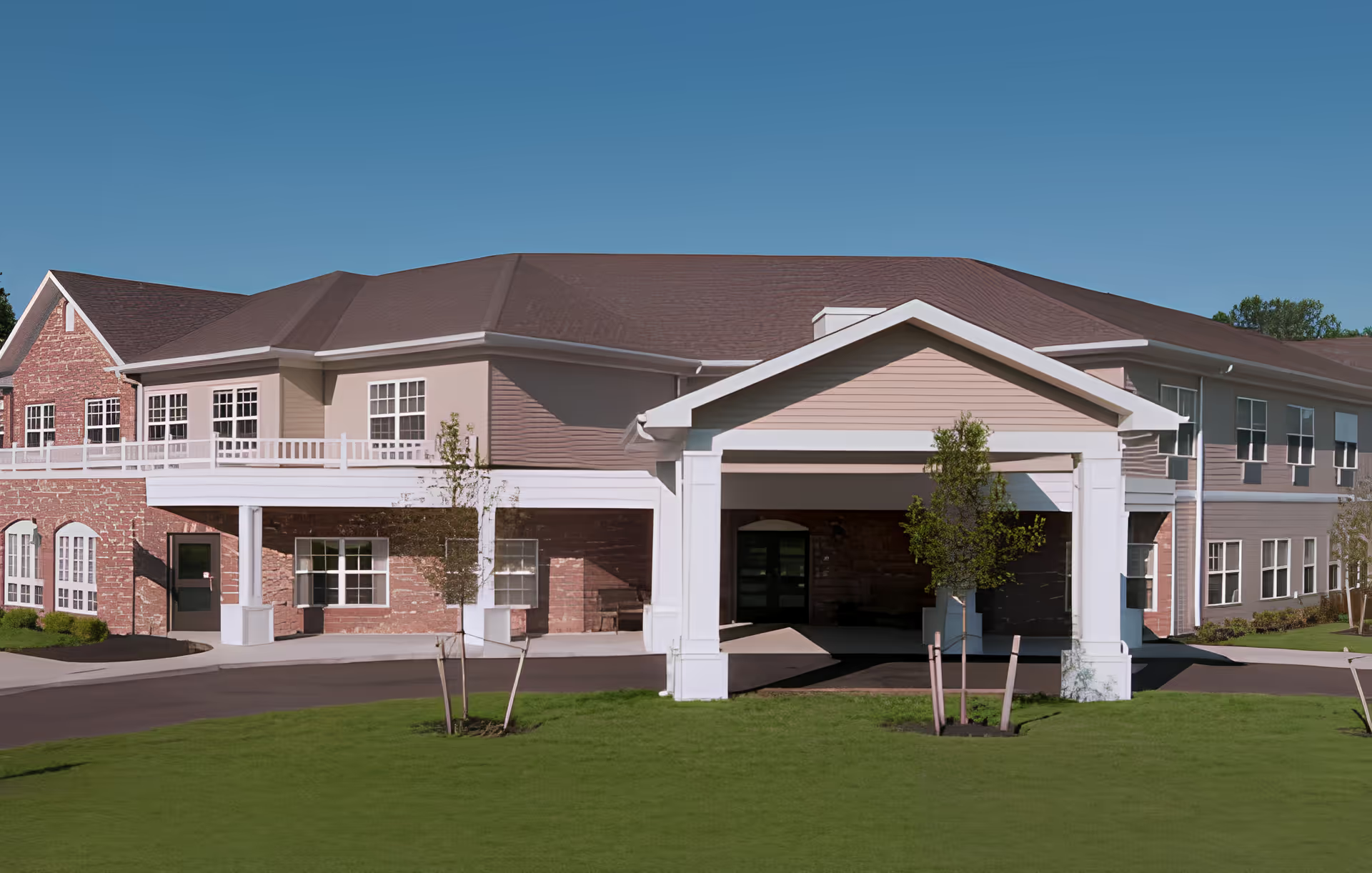
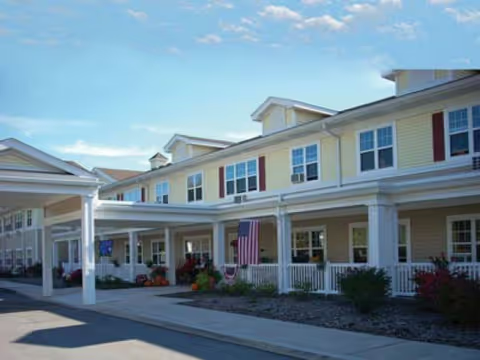
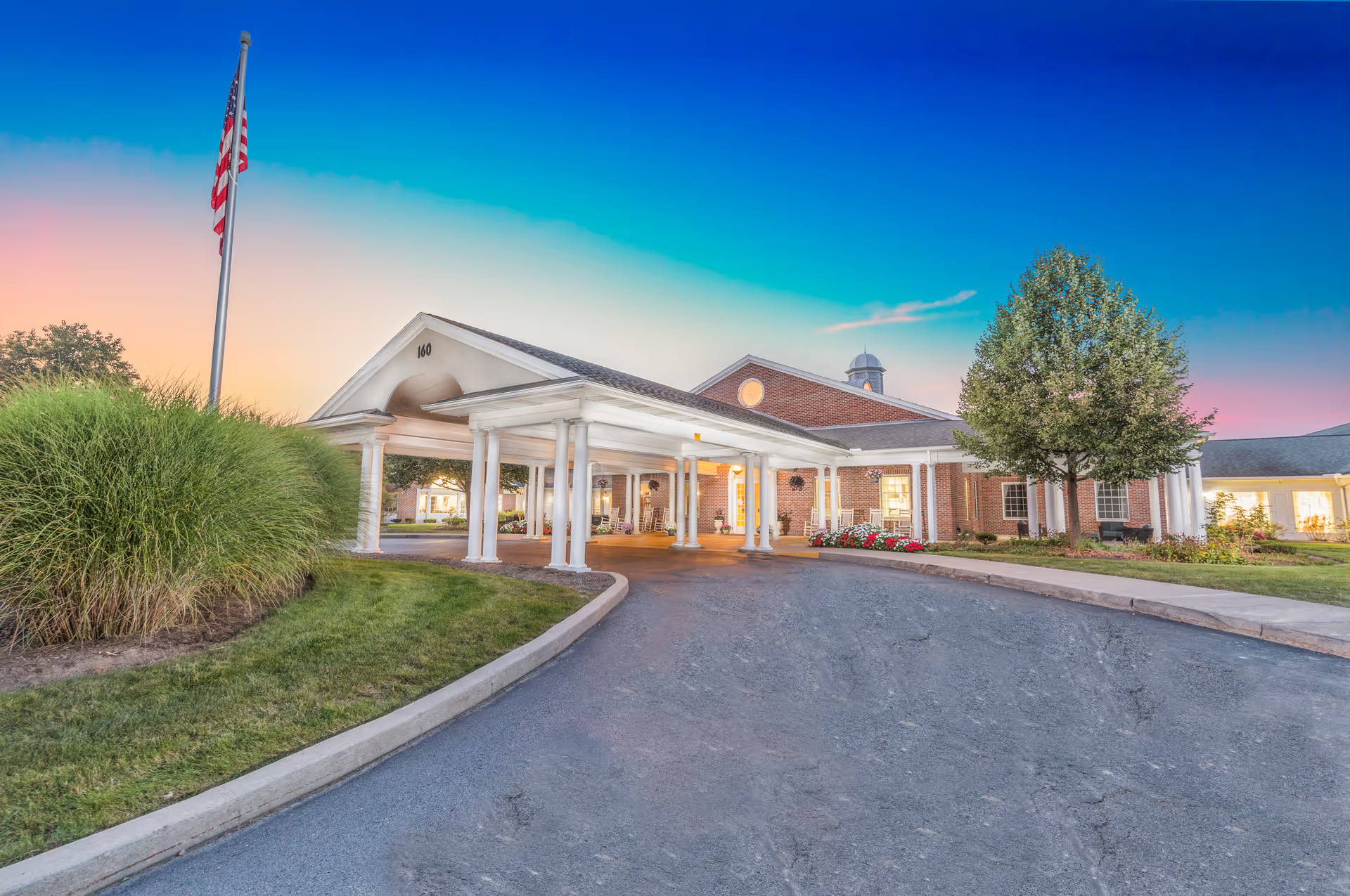
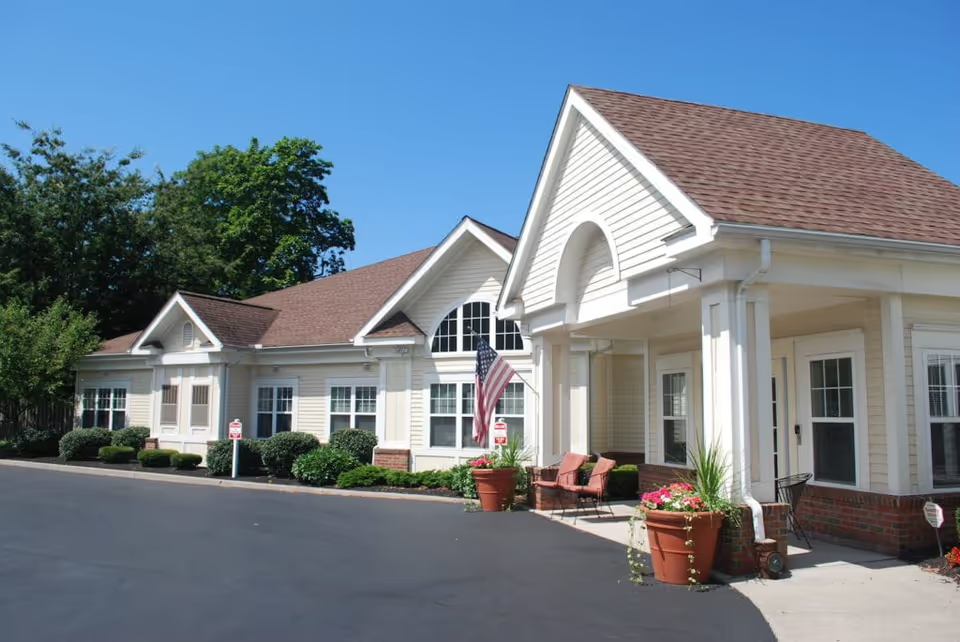
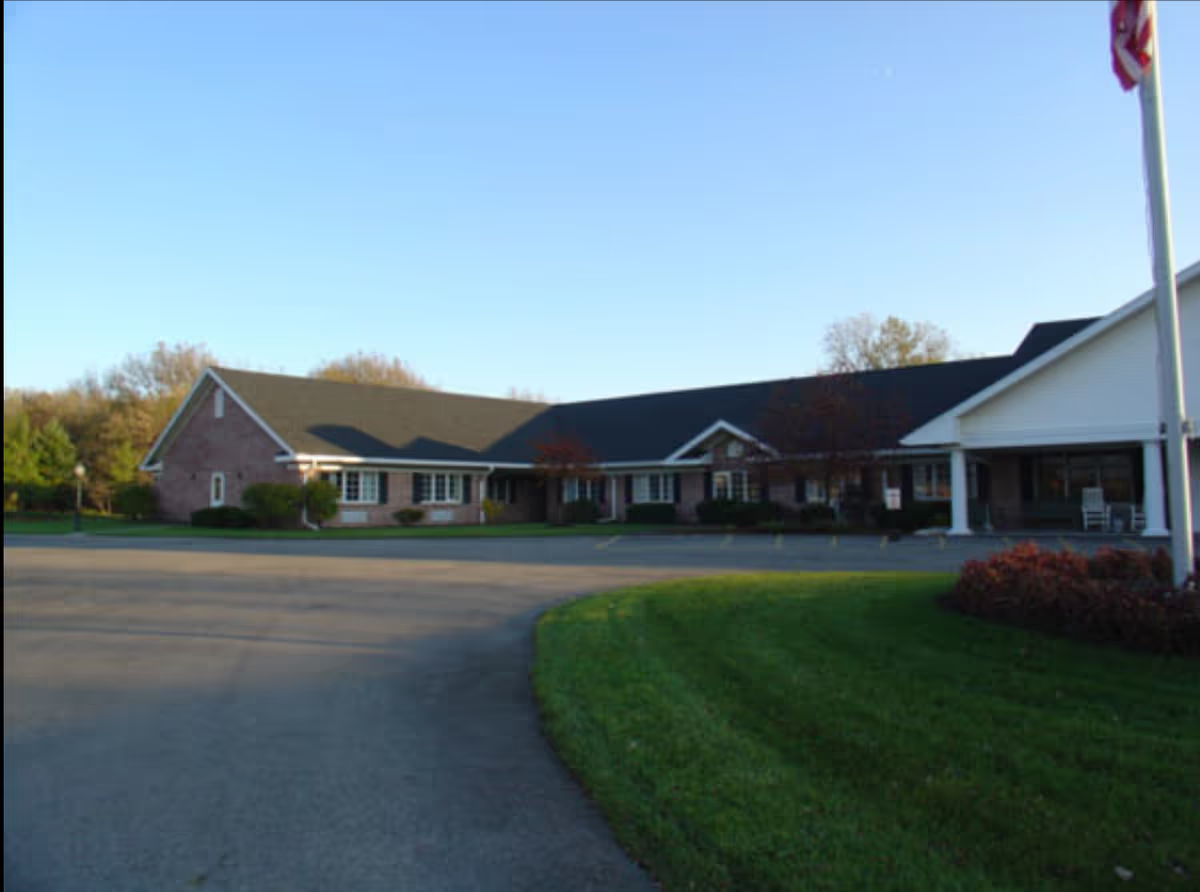
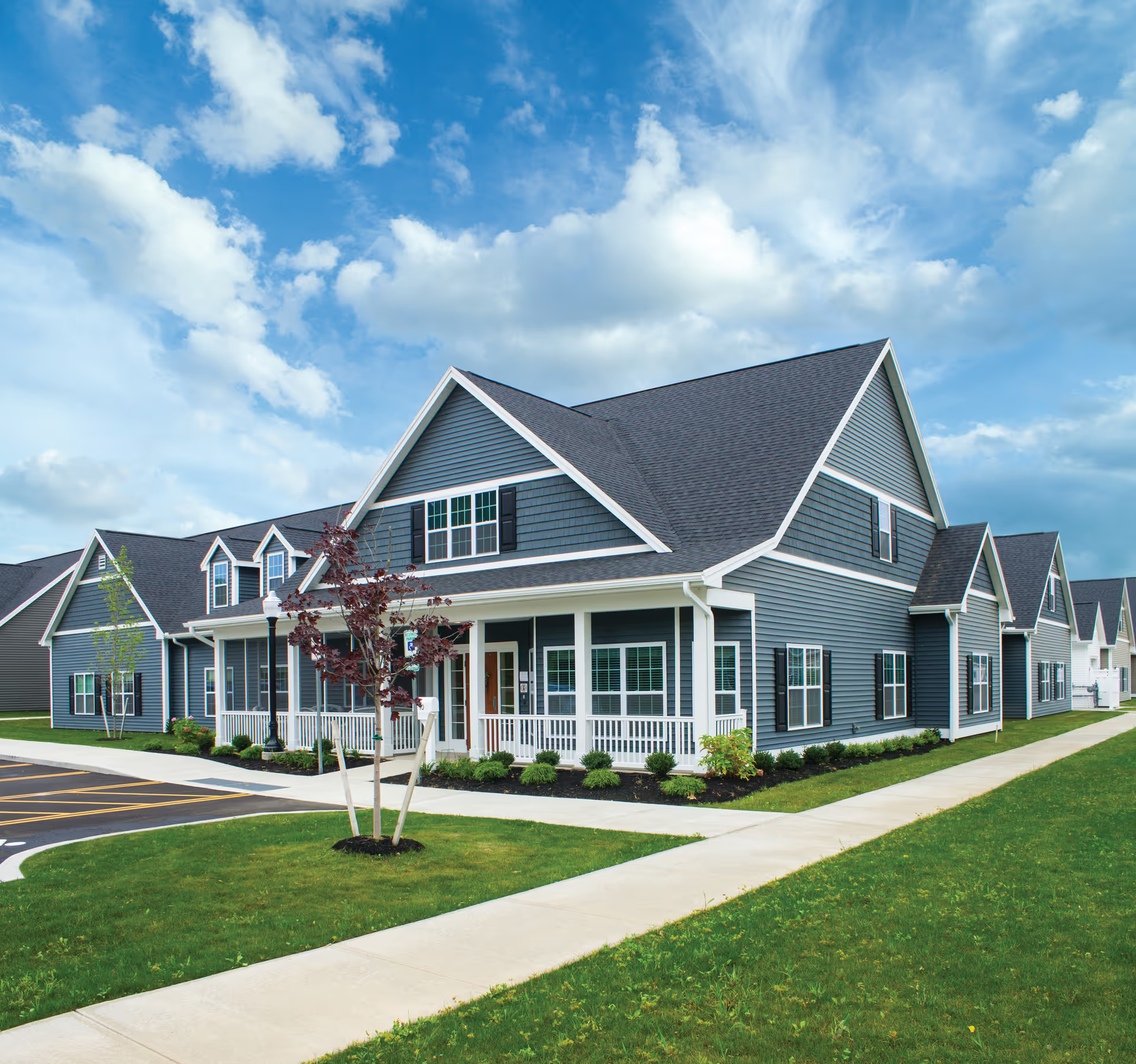
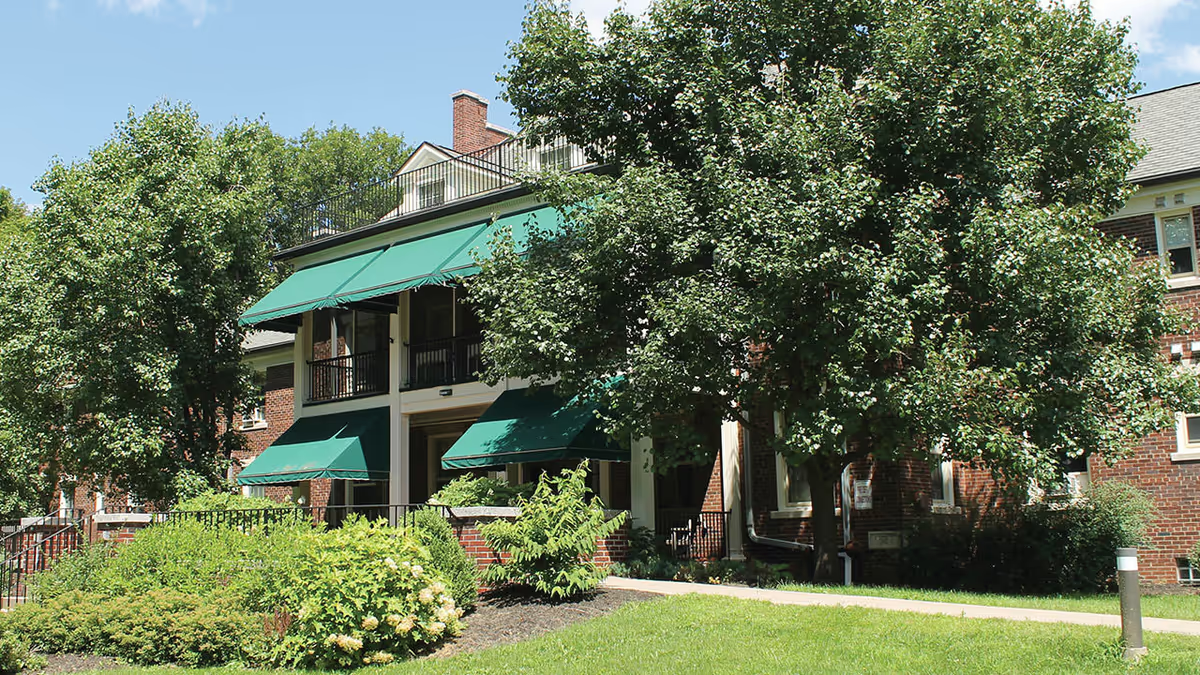
The Village at Penfield / Willow Ridge community attracts consistent praise for its caregiving culture and small, home-like environment. Many families described staff who know residents by name, long-tenured employees who provide individualized attention, and an overall welcoming atmosphere that residents and visitors find comforting. Clinical coverage is a recurring positive: RN availability and a 24/7 care team are highlighted, and staff commonly assist with orientation and transitions. Common areas, courtyards, and a fishbowl-style dining room with a fireplace contribute to the “village” feeling that appeals to prospective residents.
Care quality and clinical capacity: Reviewers often note compassionate caregiving, proactive check-ins, and support for daily needs. At the same time, there is a clear pattern indicating limits to the facility’s clinical scope. Several families described situations in which the community acknowledged upfront that it could not safely manage higher-acuity needs (for example, residents who wander, are combative, or require full nursing oversight). Comments also point to variability in nursing and medical-visit consistency and occasional delays in clinical responsiveness. There are serious operational concerns referenced by families — including billing errors and communications after an outbreak and a resident death — which underscore the importance of clarifying clinical scope, emergency protocols, and family-notification processes during any tour.
Staff and management: Staff performance is frequently cited as the facility’s strongest asset: many reviewers singled out attentive aides, an engaged activities team, responsive front-desk personnel, and an involved executive director. At the same time, reviewers note variability in staff conduct and responsiveness across roles and shifts. Some families reported difficulty getting satisfactory responses from executive leadership about specific incidents, while others praised leadership accessibility. Administrative consistency — including admissions, billing, and finance communication — emerges as an area with mixed experiences; prospective families should seek clear written commitments about fees, spend-down policies, and refund/deposit terms.
Dining and nutrition: Dining is a prominent selling point for many; the chef-led, scratch-made menus, restaurant-style service, and a bistro for snacks and coffee receive frequent compliments. Several reviewers pointed to menu variety and accommodated preferences as strengths. Conversely, there are repeated remarks about declining food quality since the pandemic for some diners, repetitive menu cycles, cold entrees at times, and uneven ability to meet complex dietary needs. Ask for a current sample menu, special-diet procedures, and how meal service is handled during staffing or outbreak disruptions.
Activities and social life: The community offers a broad set of activities: music programs, bingo, exercise, concerts, clubs, salon services, and frequent outings. Many residents are described as engaged and socially connected. Post-pandemic reductions in programming and smaller activity spaces were noted by some families; activity variety and frequency appear to have rebounded for many but remain inconsistent depending on staffing and infection-control conditions. Prospective residents should confirm current weekly schedules and transportation availability for off-site trips.
Facilities and maintenance: Physically, the community is often described as clean, well-landscaped, and cozy, with rooms that residents personalize. Positive comments about maintenance responsiveness are common. However, reviewers also describe dated décor in areas, small apartment footprints, and a frequent limitation: many units lack private in-room showers. A handful of notes mention maintenance issues (e.g., leaks) and occasional sanitation or odor concerns in particular areas. Clarify unit types, bathroom configurations, and any upcoming renovation plans when touring.
Management, finance, and safety patterns: Financial and administrative reliability shows variability. Compliments about transparent sales interactions and helpful admission staff occur alongside reports of billing mistakes, disagreements over added charges for ADLs/medication services, and dissatisfaction about promised policies around stay-after spend-down. There are also isolated but significant concerns about personal-property security and handling of belongings that prospective families should address directly (inventory procedures, incident reporting, and financial-audit practices). Communication during infection-control events drew criticism from some families for being delayed or inconsistent; others praised thorough COVID precautions and timely updates.
Bottom line: The Village at Penfield offers a warm, community-oriented assisted living option with strong strengths in personalized caregiving, chef-driven dining, active programming, and a small, village atmosphere. However, the community has operational limits around higher-acuity medical care and shows variability in staffing consistency, dining service, activity breadth, and administrative reliability. Prospective residents and families should: verify the facility’s clinical scope and staffing ratios for the anticipated level of care; inspect unit layouts for private bathing and space needs; request written explanations of billing, spend-down, and included services; and ask for current schedules for activities and transportation. These concrete questions will help match expectations to the community’s demonstrated strengths and limitations.