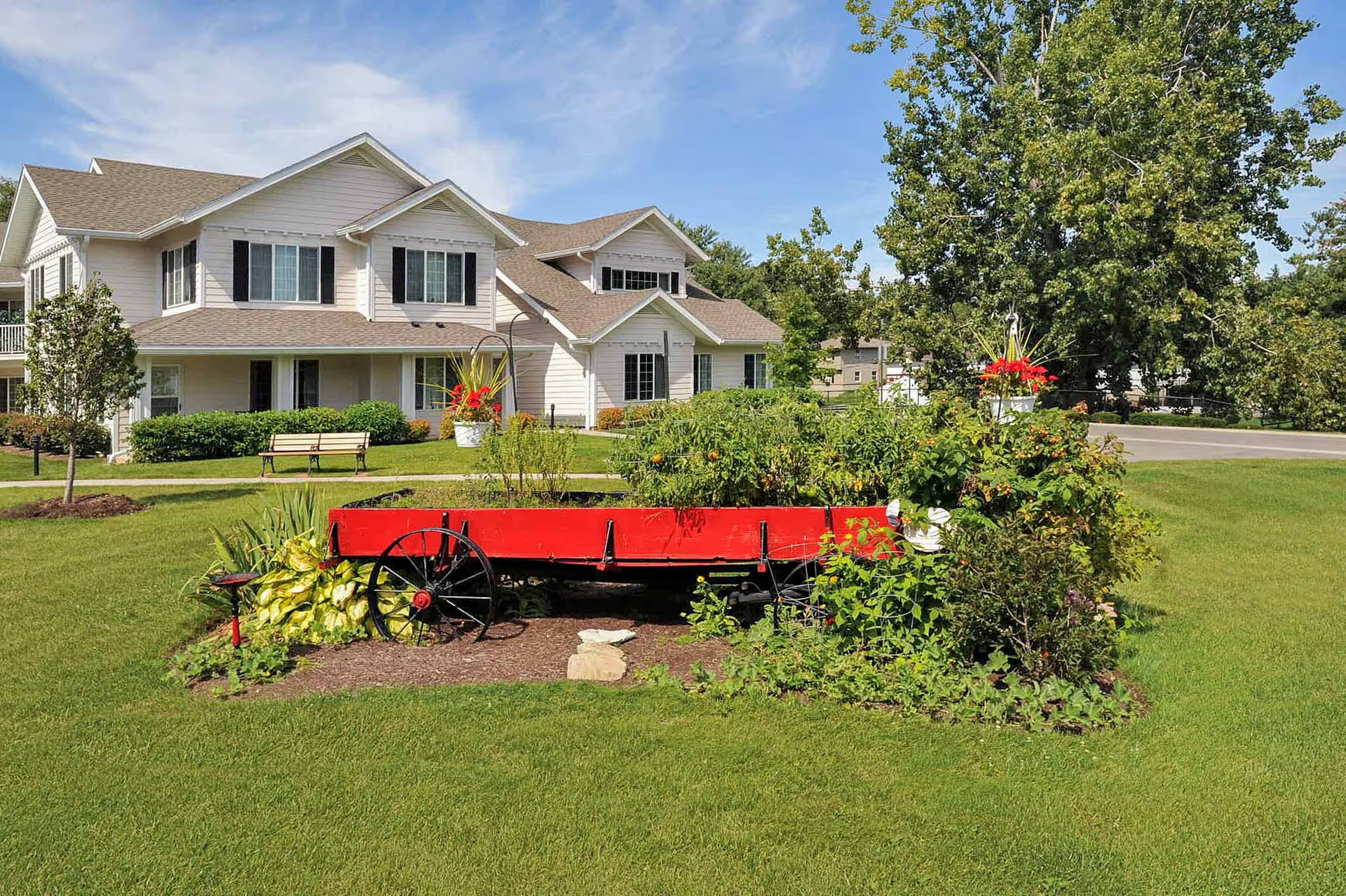
Rochester Presbyterian Home — The Homestead receives consistently strong praise for its staff culture, person‑directed care philosophy, and active engagement programs. Many families describe a warm, home‑like atmosphere guided by Eden Alternative principles; reviewers commonly highlight compassionate, long‑tenured caregivers, responsive administrative leadership, and routine on‑site clinical services such as physician visits and physical therapy. The facility is presented as secure and family‑oriented, with a 24‑hour front desk, flexible visitation, spiritual programming, pet‑friendly options, and frequent community outings that contribute to resident engagement and family peace of mind.
Care and staffing are the facility's most frequently cited strengths. Caregivers are described as patient, attentive, and willing to work with families; the memory‑care program is repeatedly noted for expertise and person‑centered engagement. At the same time, a recurring pattern in the feedback is variability in day‑to‑day caregiving attentiveness. Some families report recent lapses in continuity of care and delays in attending to residents’ needs during particular shifts. These accounts suggest that staffing and shift‑to‑shift consistency can be uneven, especially for residents who require more hands‑on assistance.
Clinical and dining services are also mixed in the reviews. On‑site clinical support (doctors and physical therapy) and ready access to nursing staff are positive operational features that many families value. Dining is described positively by some residents but as merely adequate by others; there is enough variability in meal quality and service that prospective families should ask about current menus, accommodations for assisted feeding, and mealtime supervision for residents with cognitive or physical impairments.
Activities and social life emerge as important strengths: a broad range of daily activities, music events, museum and restaurant outings, holiday programming, and spiritual services are frequently mentioned. The person‑directed philosophy appears to inform engagement across memory and non‑memory units, supporting resident autonomy and dignity. However, a few reviewers described a less active or more depressed atmosphere at times, indicating that program intensity and communal tone may vary by unit or period.
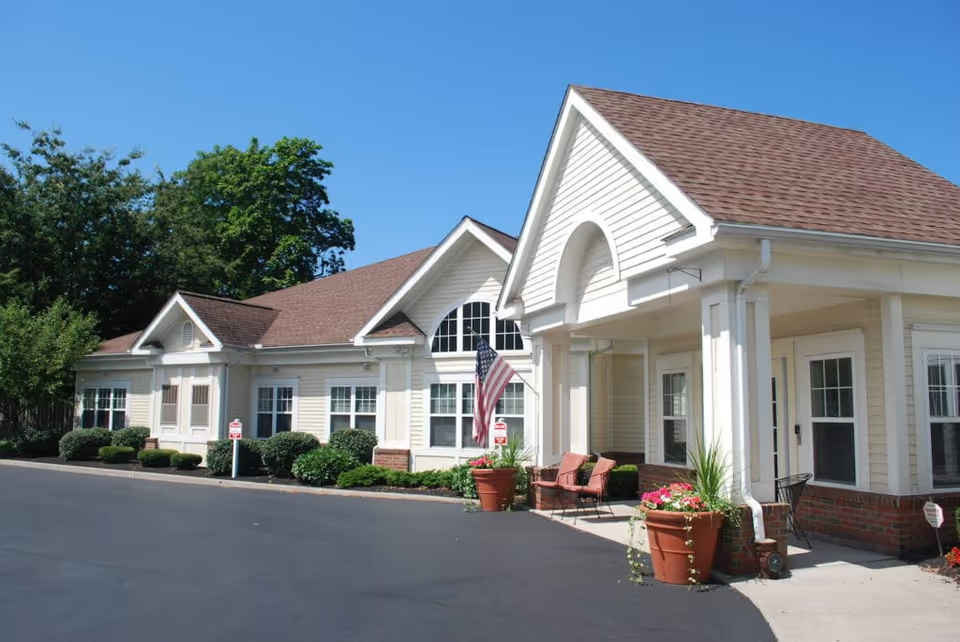
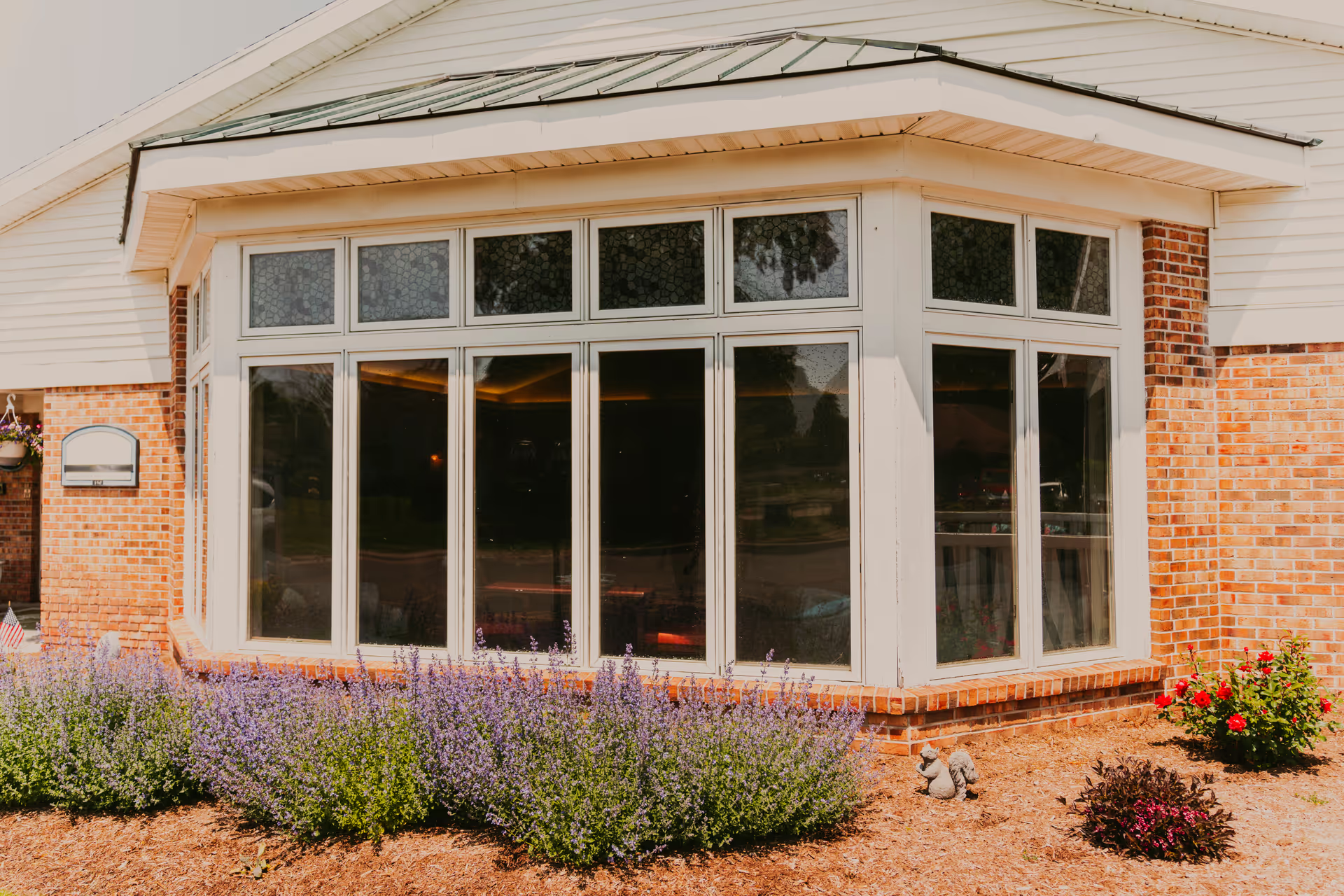
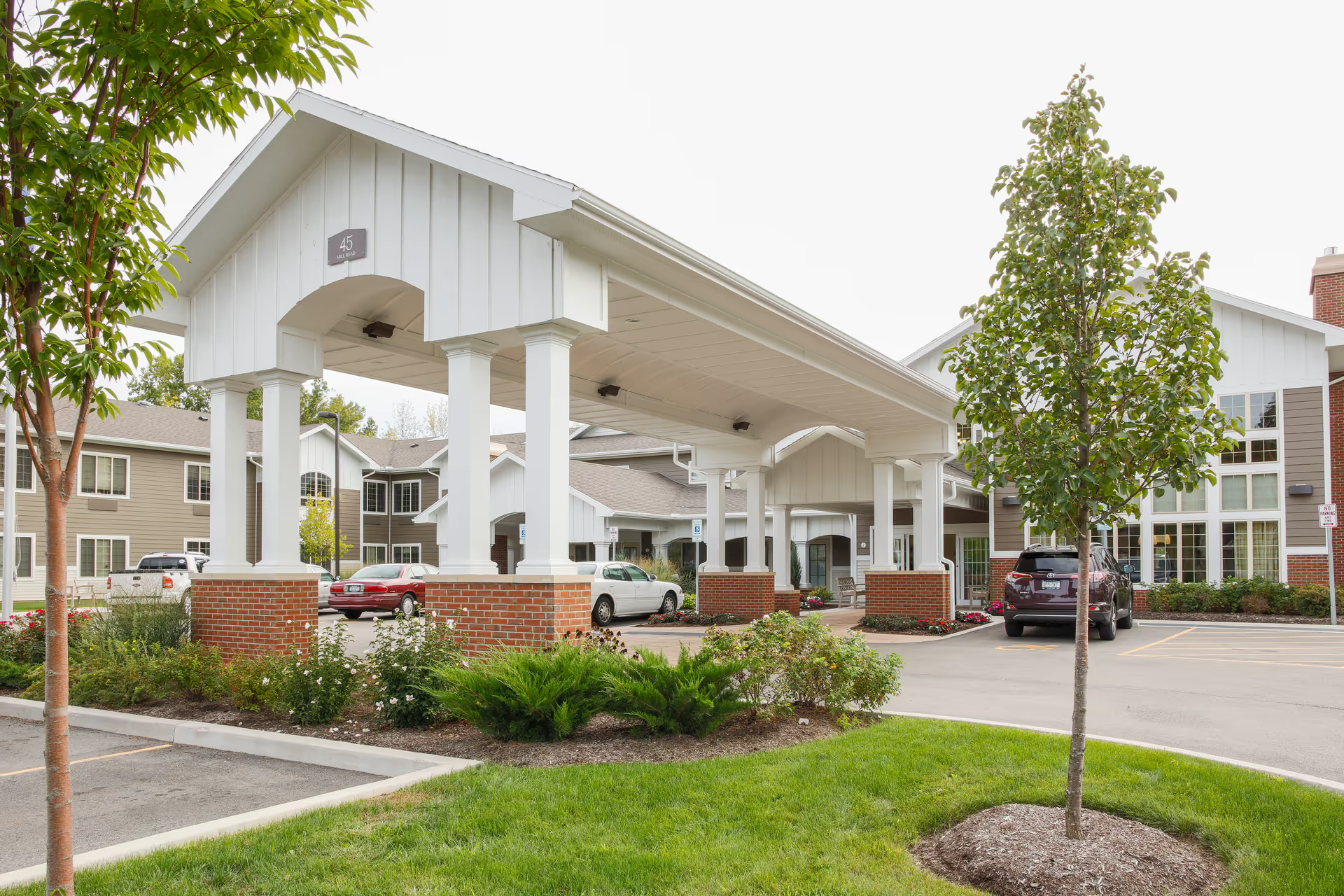
Facility condition and location are mixed considerations. The building, grounds, and common areas are often described as clean and well kept, and security features are appreciated. Simultaneously, several reviewers note that parts of the physical plant and resident rooms are dated, with uneven air conditioning and older finishes. Some families also raised concerns about neighborhood safety and the facility’s distance from a hospital—factors that may matter depending on a prospective resident’s clinical needs. There are occasional mentions of inconsistent personal‑property management and a few isolated personal‑care lapses, which suggest the benefit of clarifying policies on belongings, documentation, and personal‑care protocols before move‑in.
Overall, Rochester Presbyterian Home — The Homestead presents as a community with strong relational care, a clear person‑centered philosophy, and robust activity and clinical offerings. Prospective residents and families who prioritize warm staff relationships, memory‑care programming, and a faith‑based, home‑like environment are likely to find it a good fit. Families should, however, ask specific operational questions about staffing patterns, mealtime assistance, current room condition and climate control, and safeguards for personal belongings to assess consistency for higher‑dependency needs.