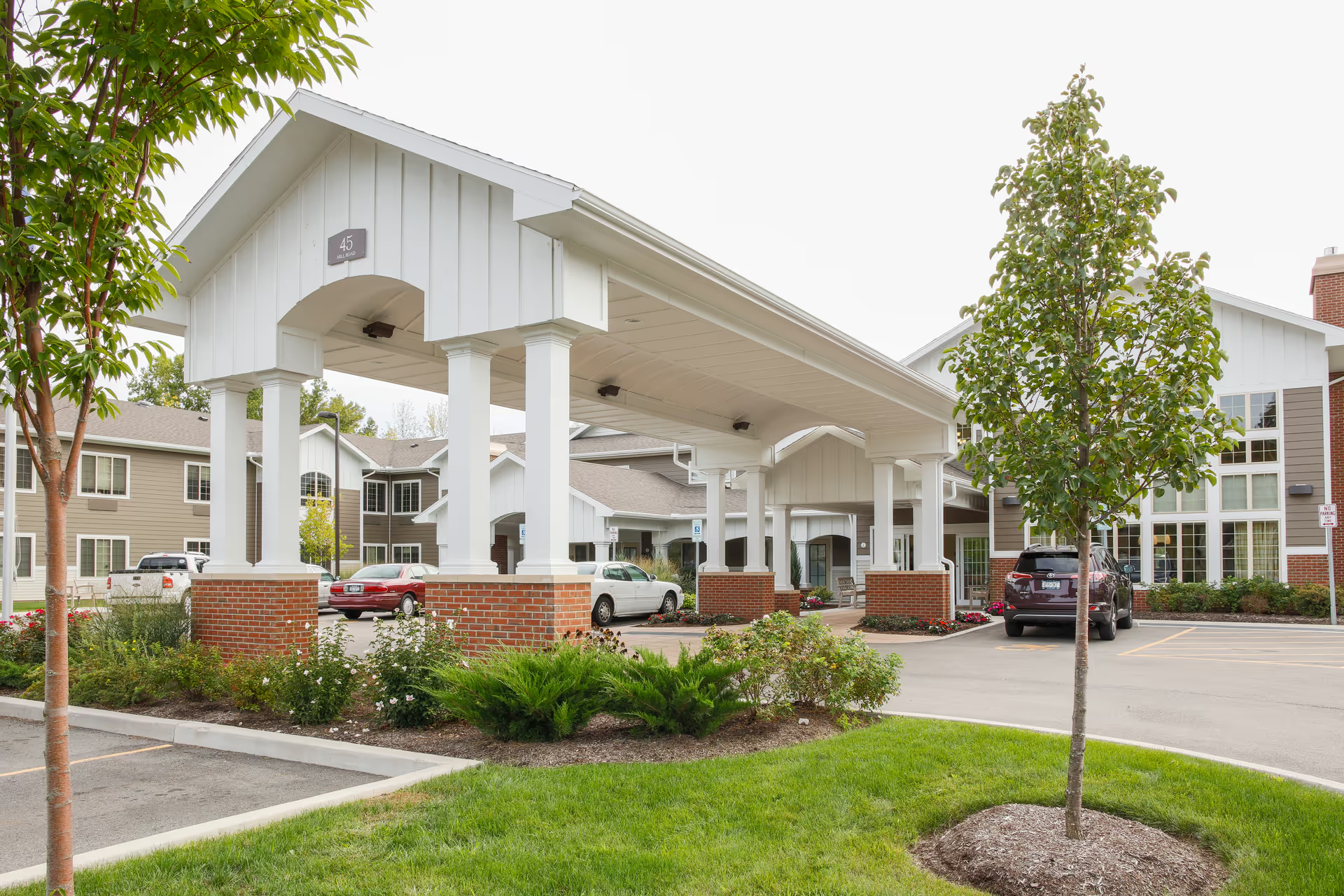
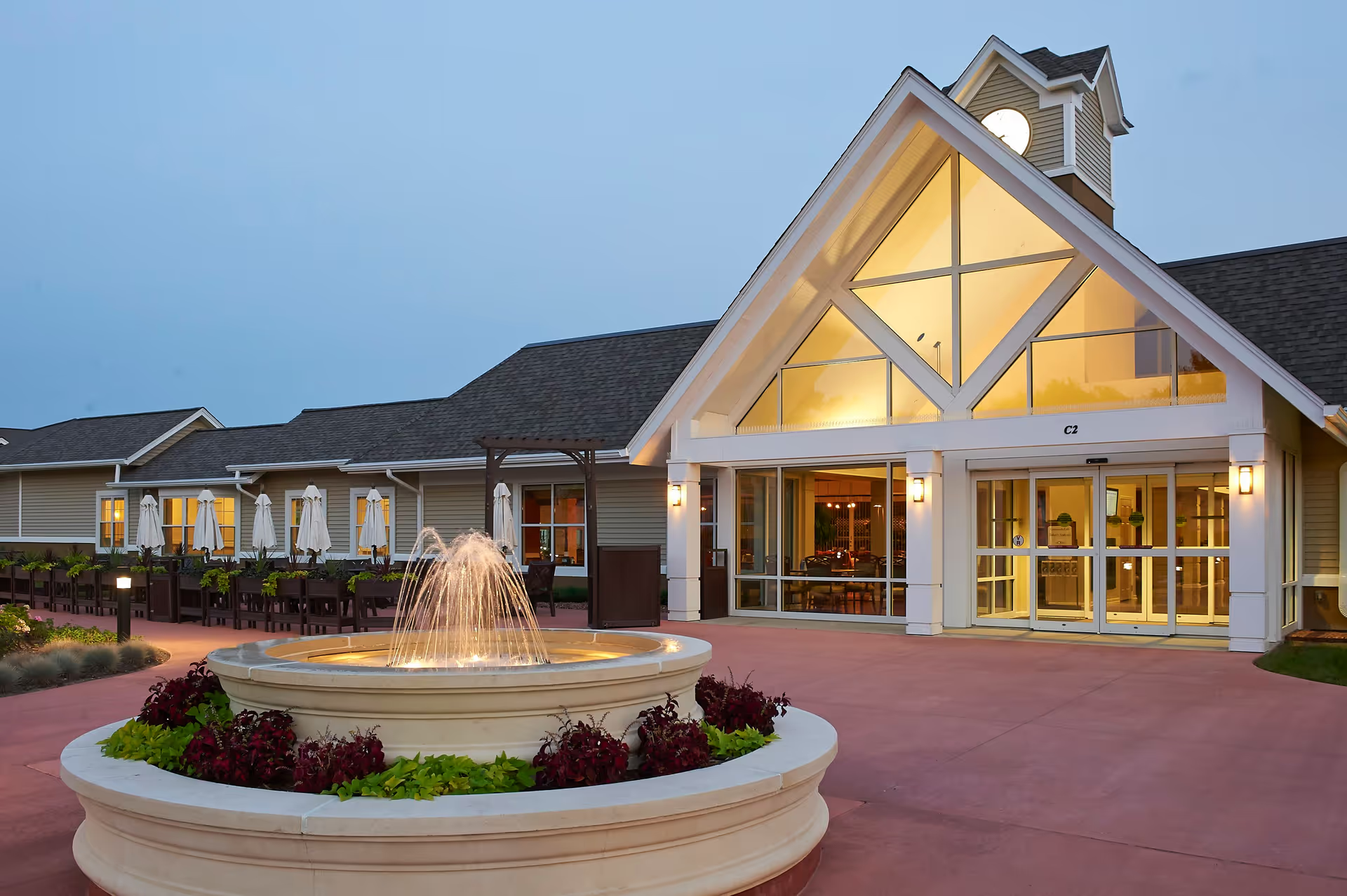
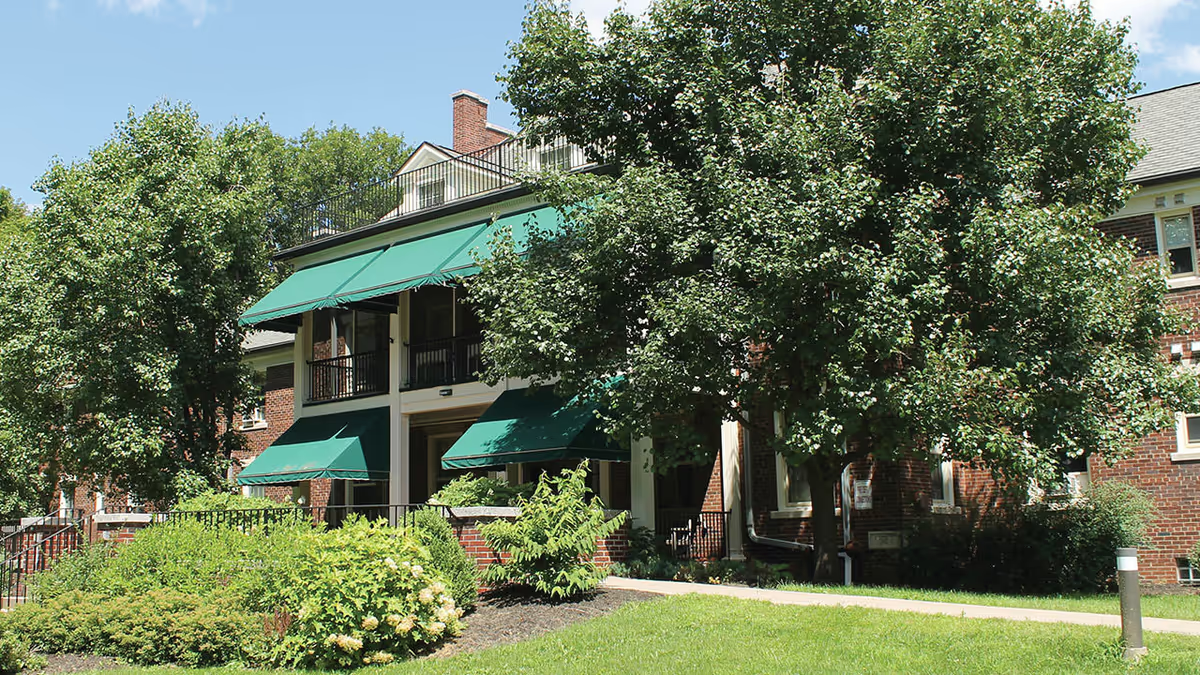
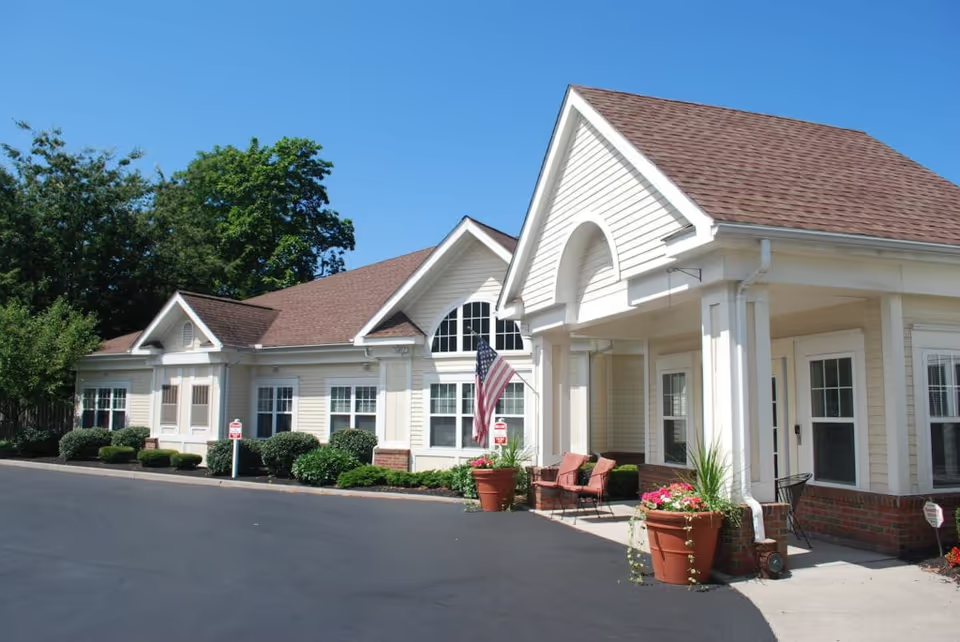
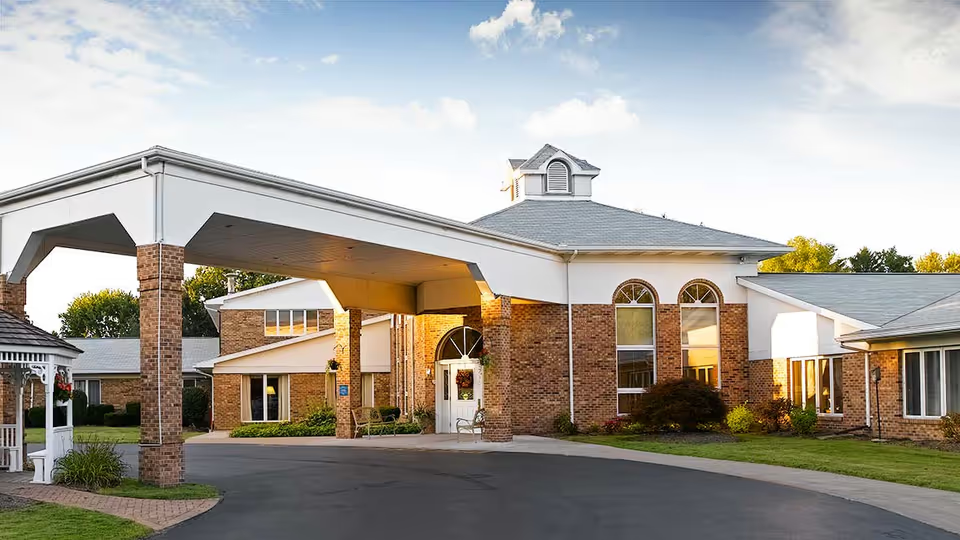
Overall impression: Holiday Fleming Point is consistently described as a clean, well‑maintained community with a warm, family‑oriented culture and visible onsite leadership. Many families and residents highlight attentive and personable staff who know residents by name, strong management presence, and a broad set of common spaces and amenities that create a hotel‑like environment. The property’s landscaping, dining room design, bright apartments and outdoor spaces are frequent strengths cited by prospective residents and long‑term occupants alike.
Care quality and staffing: Day‑to‑day care is characterized by attentive staff and a willingness to individualize service, including the availability of privately contracted in‑facility aide services. Reviewers praise staff responsiveness, especially by managers who live on site, and note positive effects on residents’ emotional wellbeing. However, recurring operational themes include high staff turnover and episodic staffing shortages. Those patterns have produced intermittent delays in housekeeping and assistance, variable follow‑through on room cleaning tasks, and periods when families perceived a decline in thoughtfulness or responsiveness. The facility is positioned as an independent living community with add‑on aide options rather than a skilled nursing provider; families seeking substantial clinical care should verify the level of onsite clinical and skilled‑nursing capacity.
Dining and nutrition: Dining is a prominent feature of the community’s appeal. Many reviewers describe restaurant‑style service, multiple daily menu choices, generous portions and a social dining atmosphere. At the same time, reviewers also reported variability in meal quality and consistency, occasional reliance on processed/frozen items, and uneven success accommodating therapeutic diets (for example, low‑sodium or diabetic needs). Prospective residents should confirm current menu sourcing, special‑diet policies, and meal delivery procedures if dietary management is a priority.
Activities and social programming: The community offers a broad calendar — exercise classes, arts and crafts, bocce, garden club, music and outings — and reviewers often credit this programming with improving social engagement and quality of life. That said, patterns emerge indicating programming is stronger for general independent residents than for those with cognitive impairment; families of residents with dementia or significant memory loss report a need for more targeted, cognitively appropriate engagement options. In addition, some outings and transportation arrangements are not fully accessible to all mobility levels, which limits participation for certain wheelchair users.
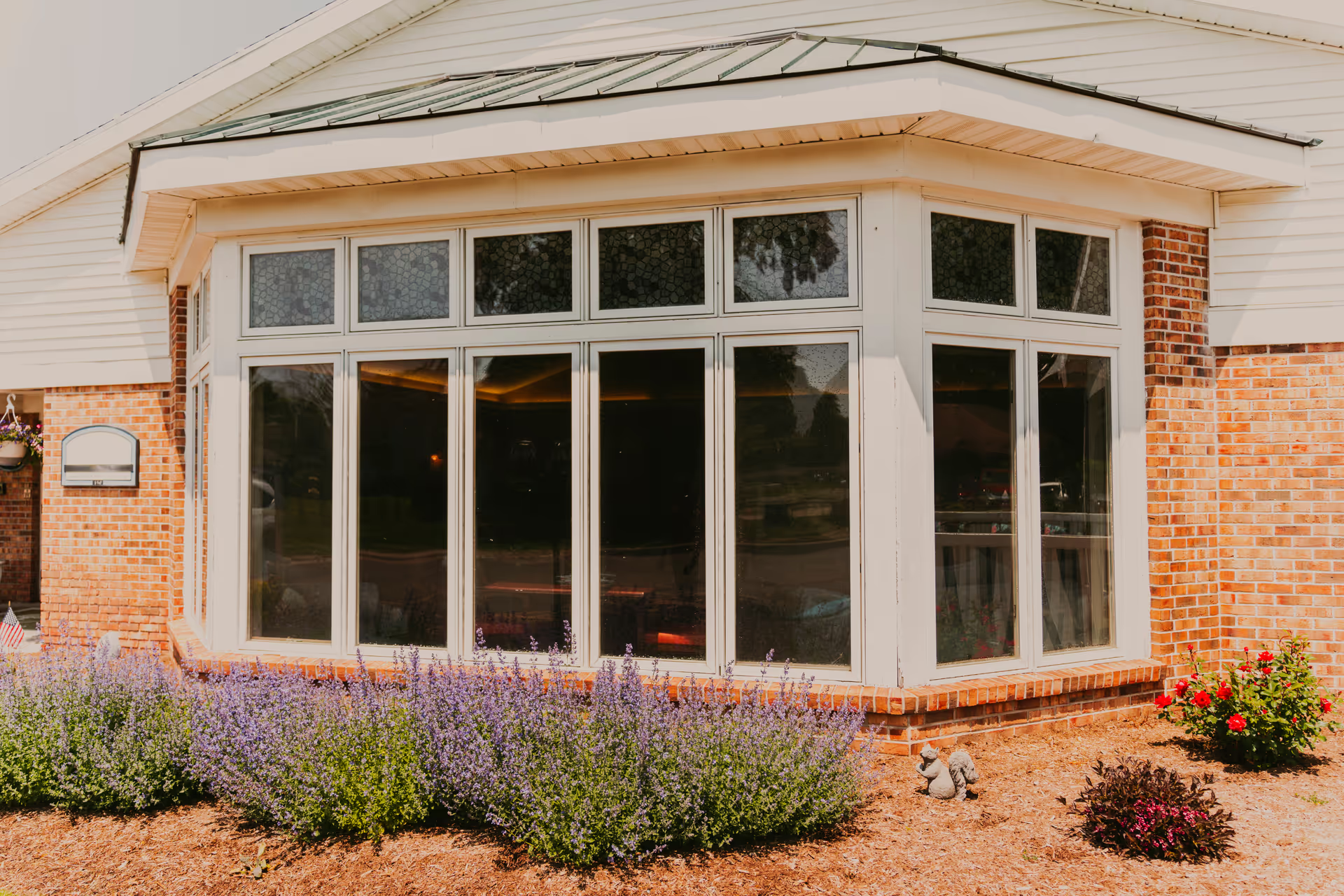
Facilities and accessibility: Physical plant and apartments receive frequent praise for cleanliness, modern finishes, roomy layouts and natural light. Units generally include kitchenettes, ample storage and some private outdoor access. Notable infrastructure constraints include a single elevator in parts of the building and limited ramping in some parking areas; combined with bus designs that require climbing steps, these factors create occasional accessibility and transportation limitations. Prospective residents who rely on wheelchair transport or need frequent off‑campus trips should assess accessibility logistics in person.
Management, operations and notable patterns: Leadership and front‑line staff are consistently called out as strengths; many reviews single out directors and managers for rapid response, transparency during COVID, and hands‑on engagement. Conversely, several reviews describe transitional periods after ownership or staffing changes that coincided with billing errors, inconsistent housekeeping schedules, and perceived reductions in service consistency. There are also recurring mentions of billing clarity issues and extra charges not initially expected in lease discussions, so families should review the contract and ask about ancillary fees and invoicing practices.
Bottom line: Holiday Fleming Point appears to be a well‑appointed independent living community with a warm social culture, strong management presence and a robust activity and dining program that benefit many residents. Key considerations for prospective residents and families are the facility’s current staffing stability, the fit between available programming and any cognitive or mobility needs, dietary‑accommodation protocols, and contract/billing transparency. An in‑person visit focused on accessibility, current activity offerings for specific care needs, and a clear discussion of additional charges will help determine whether the community meets an individual resident’s clinical and lifestyle requirements.