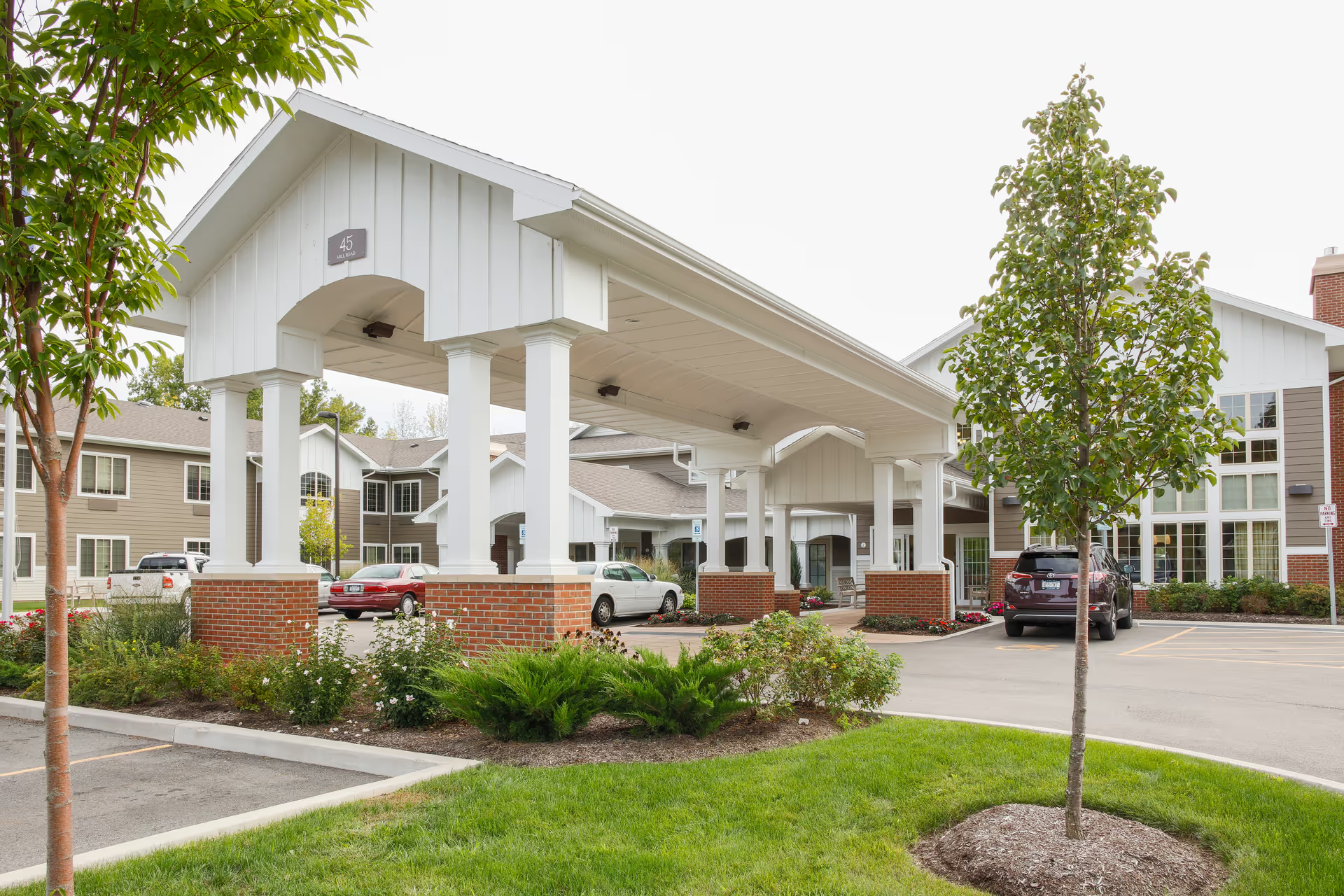
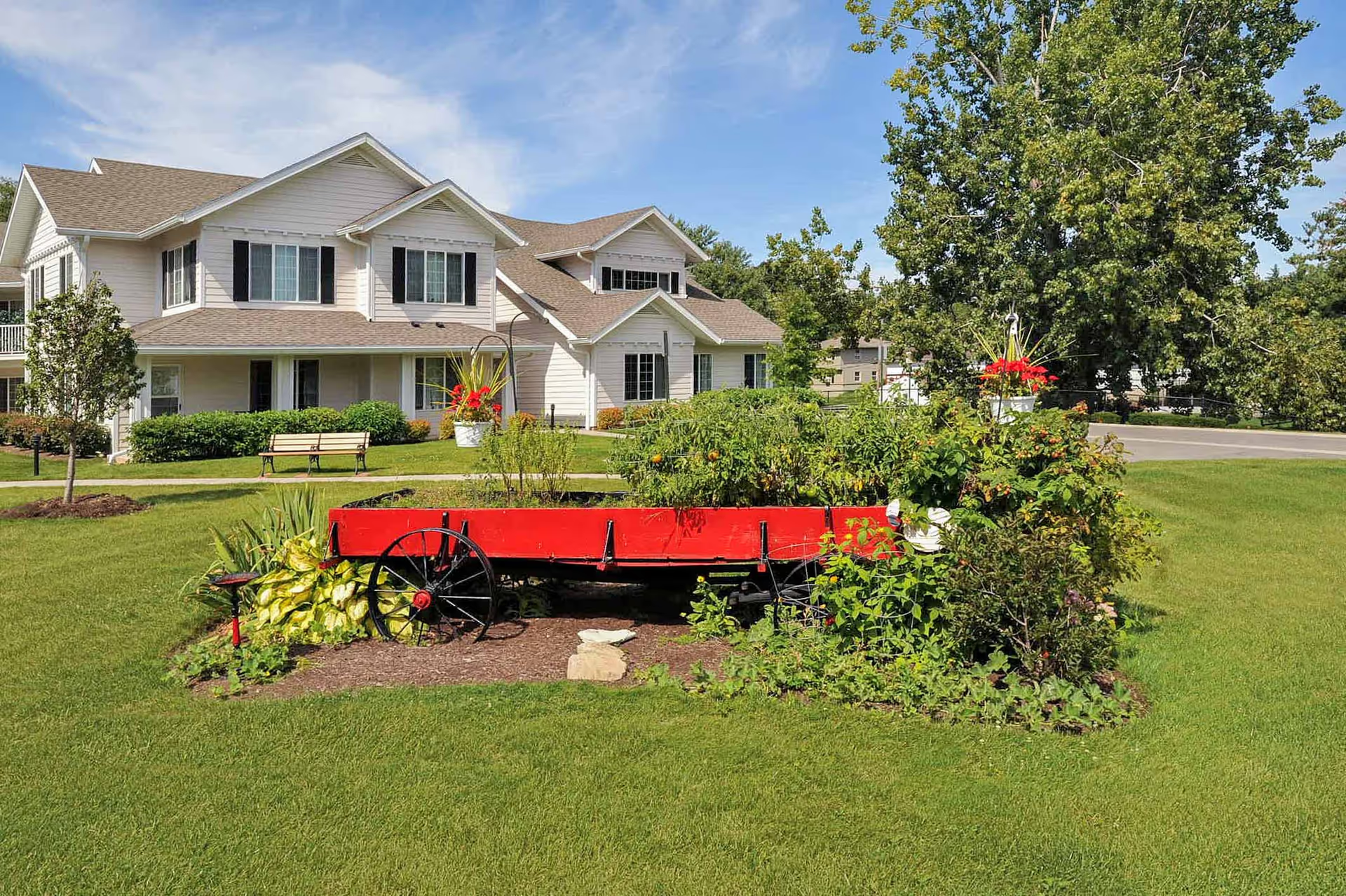
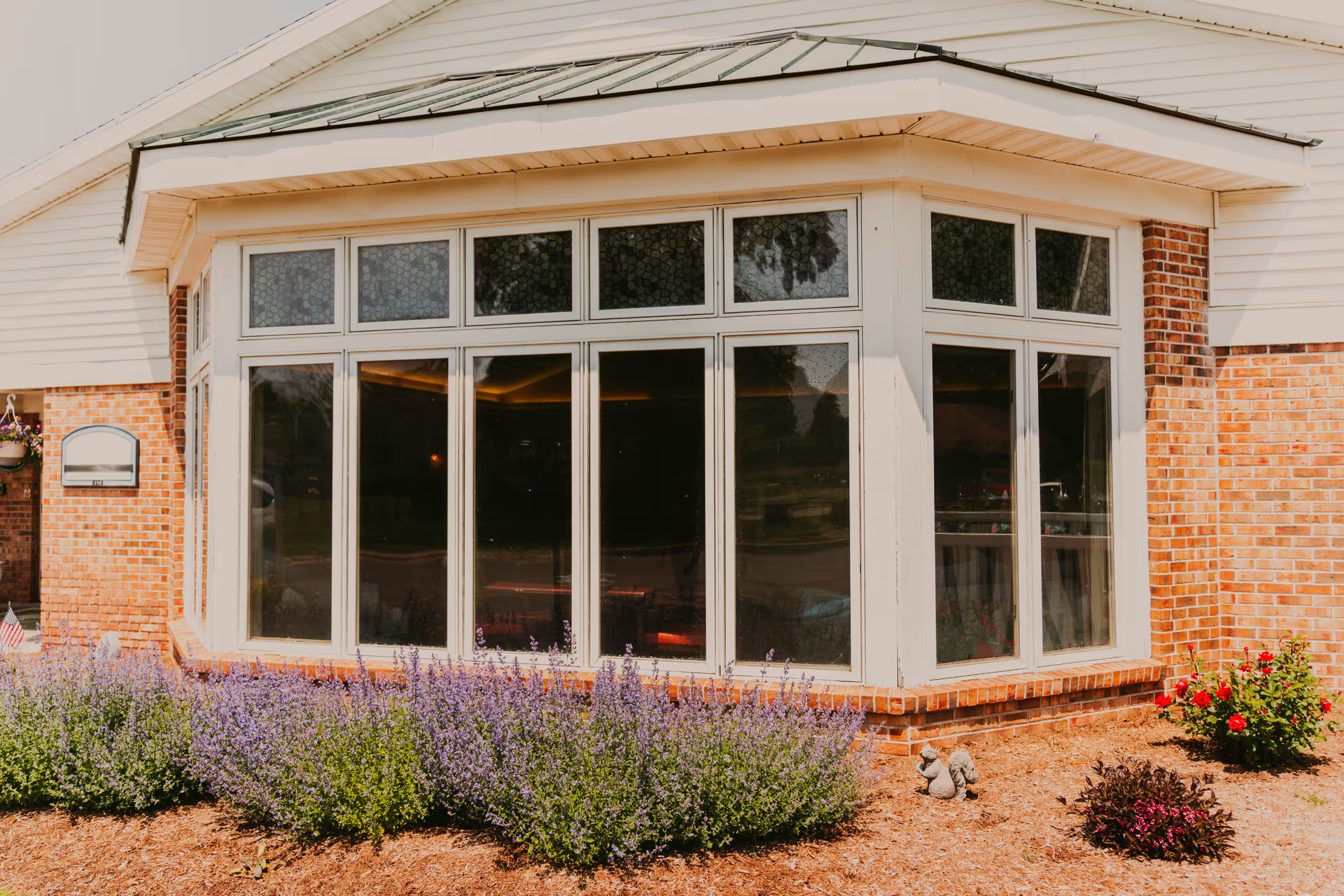
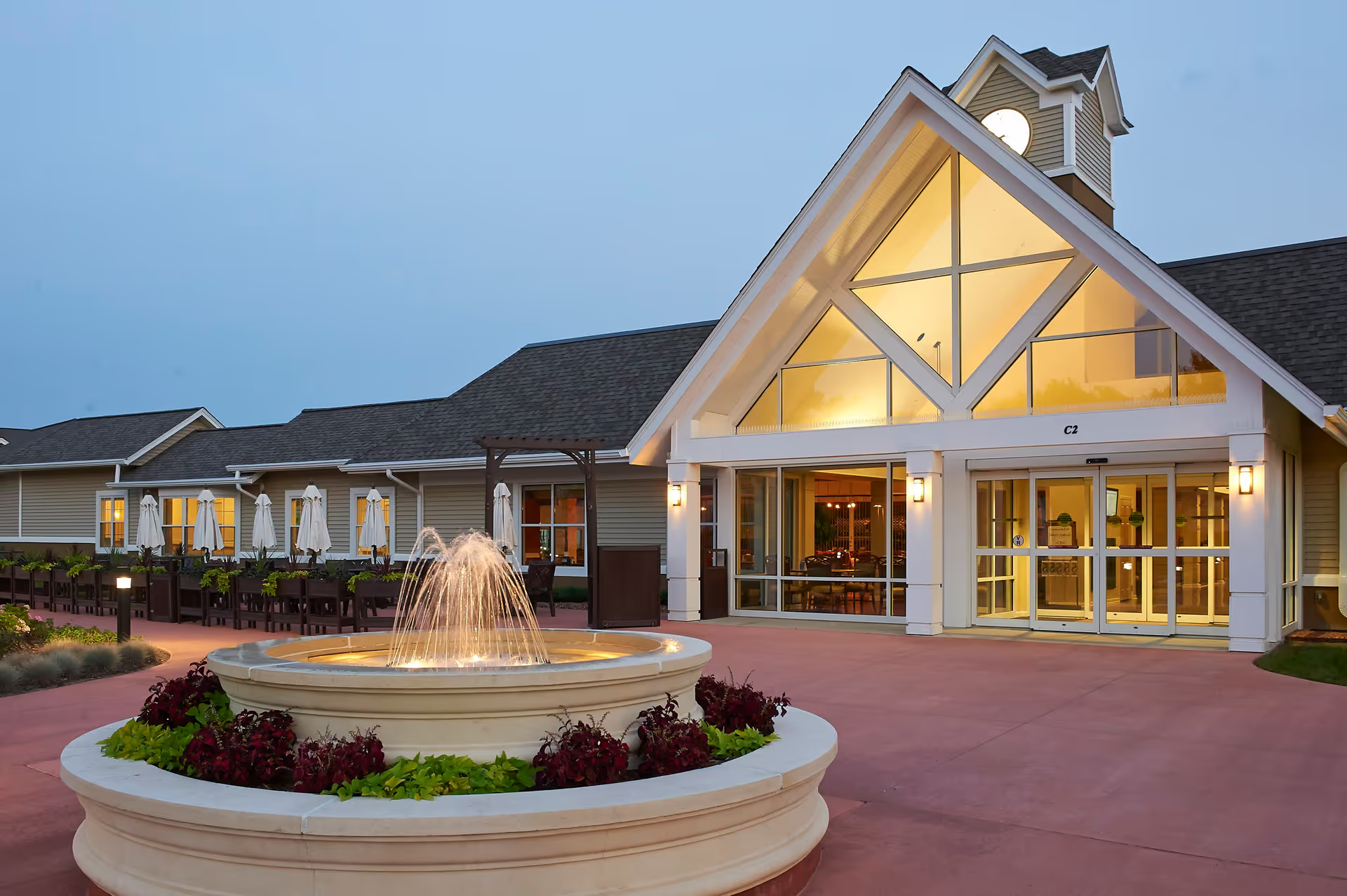
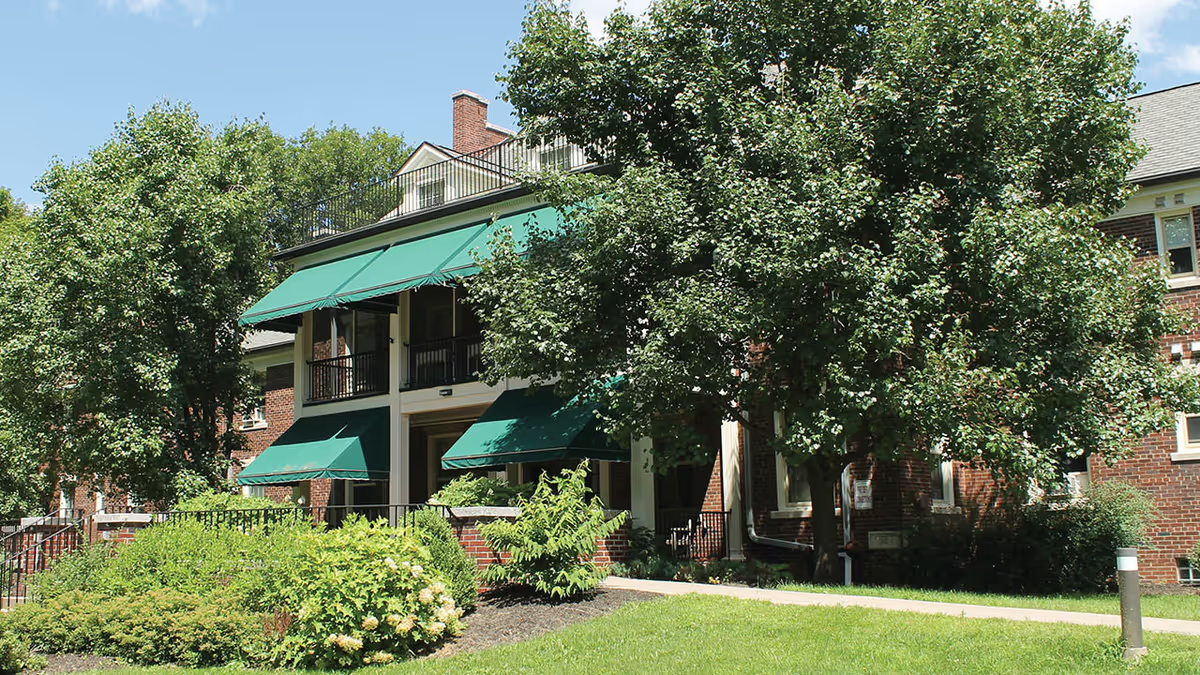
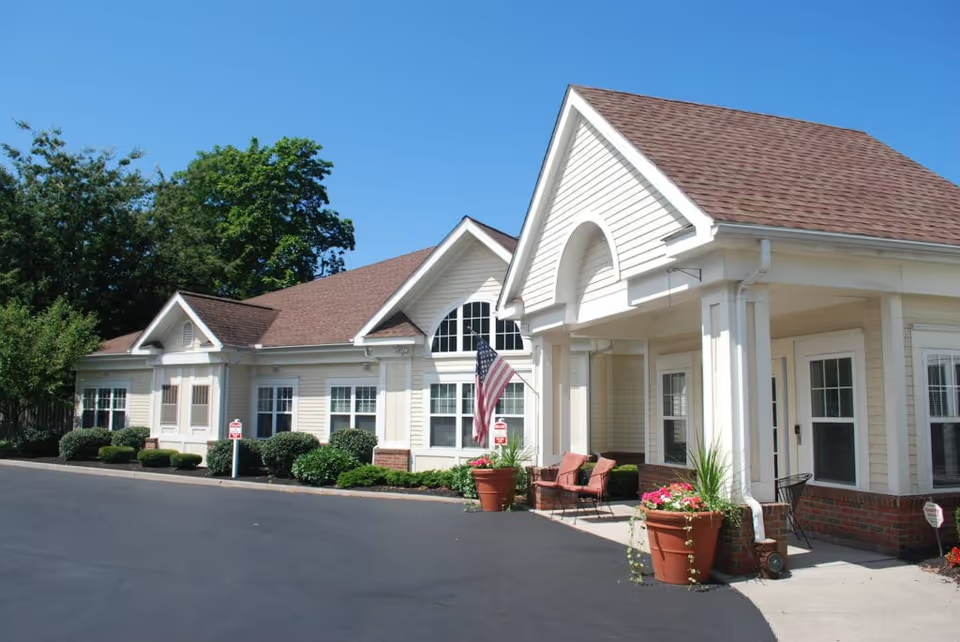
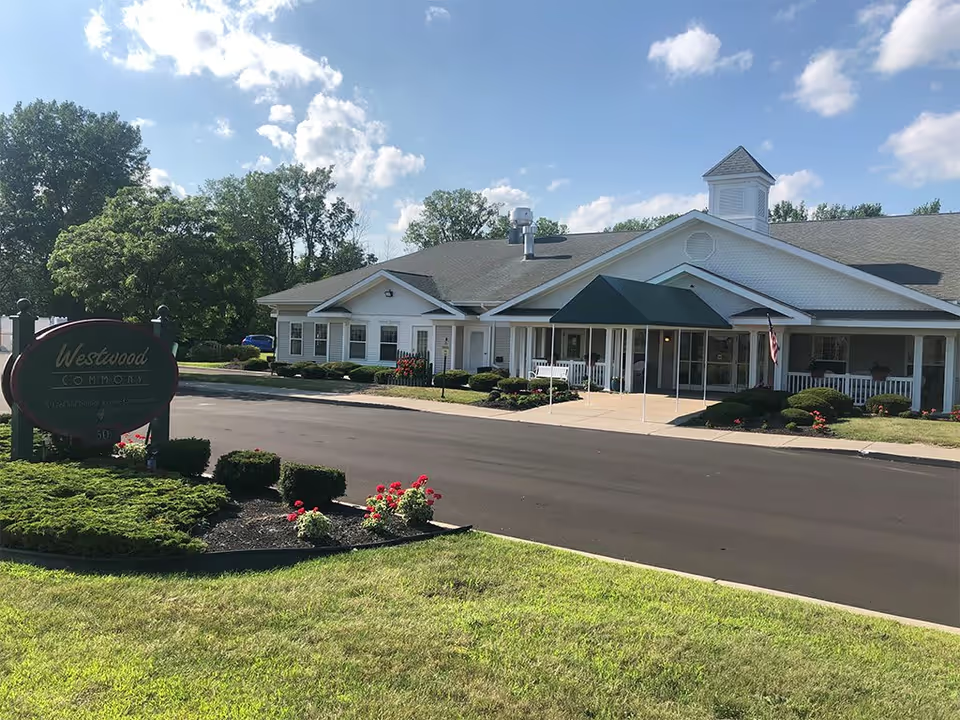
Crimson Ridge Meadows presents a decidedly mixed but clearly patterned picture. Many families describe a clean, well-kept facility with bright common areas, enclosed patios and spacious, walker-friendly apartments. Numerous comments praise the staff for being caring, respectful and knowledgeable, and many residents benefit from comprehensive services such as on-site therapy, visiting podiatry, an in-house salon, transportation to appointments, and chef-prepared meals. The community offers a wide range of activities, live music, outings and social programming that several families found engaging and beneficial for resident well-being.
Care quality and staffing are areas of divergence. Positive accounts describe attentive caregivers, good communication with families, and staff who accommodate care needs promptly. Conversely, other reports point to inconsistent staffing levels and turnover, limited nighttime responsiveness, and what families described as insufficient supervision for residents with higher acuity or memory-care needs. These operational patterns appear to drive the largest differences in family experience: when staffing and supervision are sufficient, families report high satisfaction; when they are not, clinical concerns and safety-related incidents were noted.
Dining and nutrition likewise receive mixed evaluations. Many reviewers compliment the chef-prepared meals, communal dining experience and occasional special meals or events. However, there are recurring concerns about meal temperature, reliance on processed items at times, and inconsistent adherence to individualized dietary plans. Prospective families should verify current kitchen practices and diet accommodation procedures during a visit.
Activities and social life are generally strengths: the facility is frequently described as active, offering music, games, trips and structured programs that encourage participation. At the same time, engagement can vary by resident capability and interest; some residents were actively encouraged to join events while others did not participate, and activity visibility can be affected by infection-control restrictions or staffing availability.
Facility and operational issues raised include sanitation inconsistencies in particular common areas, occasional odor concerns, confusing entry or wayfinding signage, and constrained dining capacity at peak times. Separate operational concerns include lapses in medication administration and clinical recordkeeping, and instances of missing or damaged resident personal items, which point to weaknesses in property controls and documentation practices. Several families also cited perceptions of high cost relative to the value received and requested clearer billing transparency.
Management impressions are mixed: many families commend proactive communication, individualized care coordination and accommodating admissions, while others describe delays in responsiveness from administration and dissatisfaction with how clinical or property issues were handled. Taken together, the reviews indicate a polarized set of experiences rather than uniform performance.
If you are considering Crimson Ridge Meadows, key topics to address on a tour and in contract discussions include current staffing ratios (including night coverage and turnover rates), medication-administration and documentation protocols, property-inventory and lost-item procedures, how individualized diets are implemented, activity participation strategies for residents with mobility or memory limitations, and detailed billing and fee explanations. The facility offers many positive, tangible amenities and programs, but prospective residents and families should verify operational consistency in the above areas to match expectations with care needs.