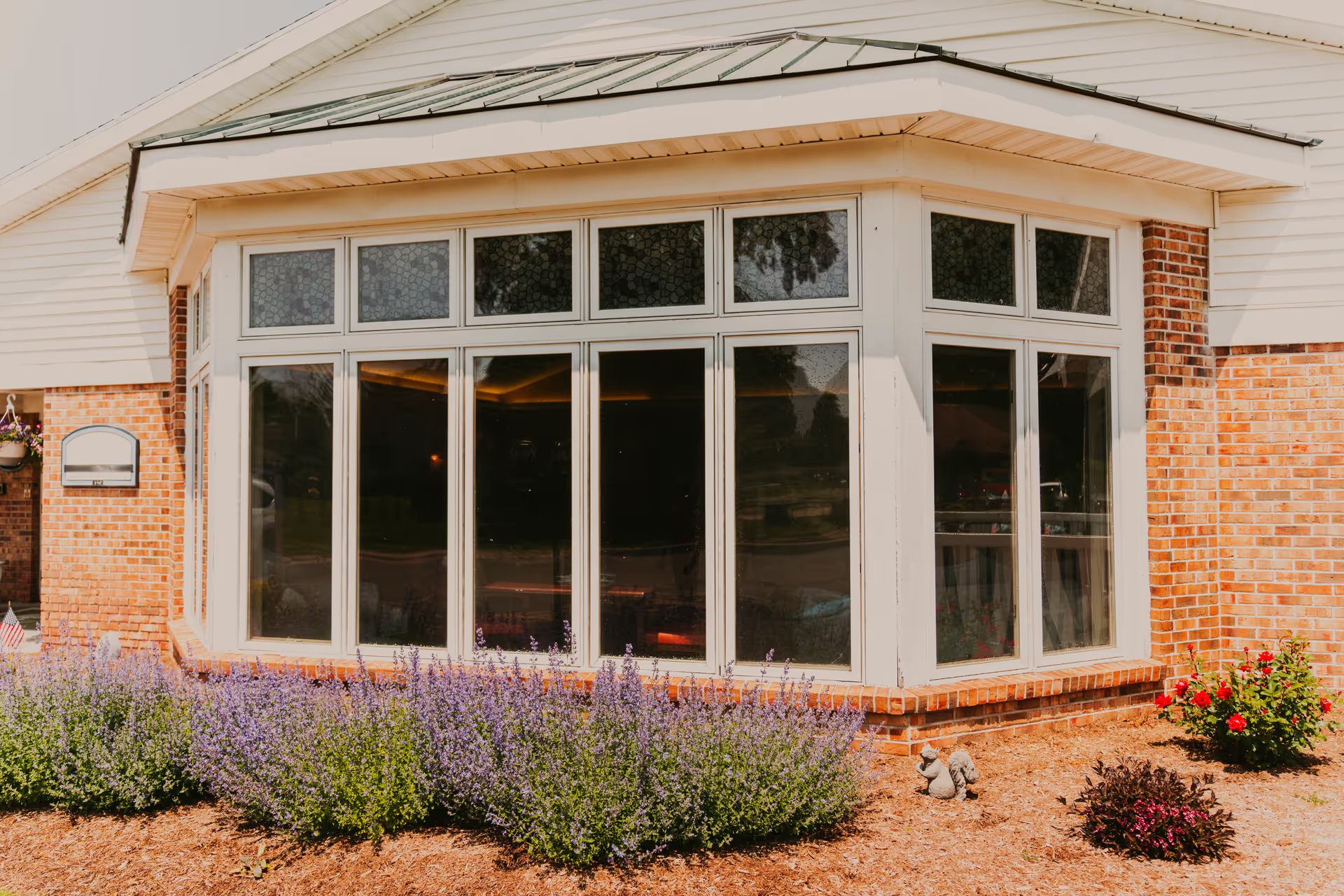
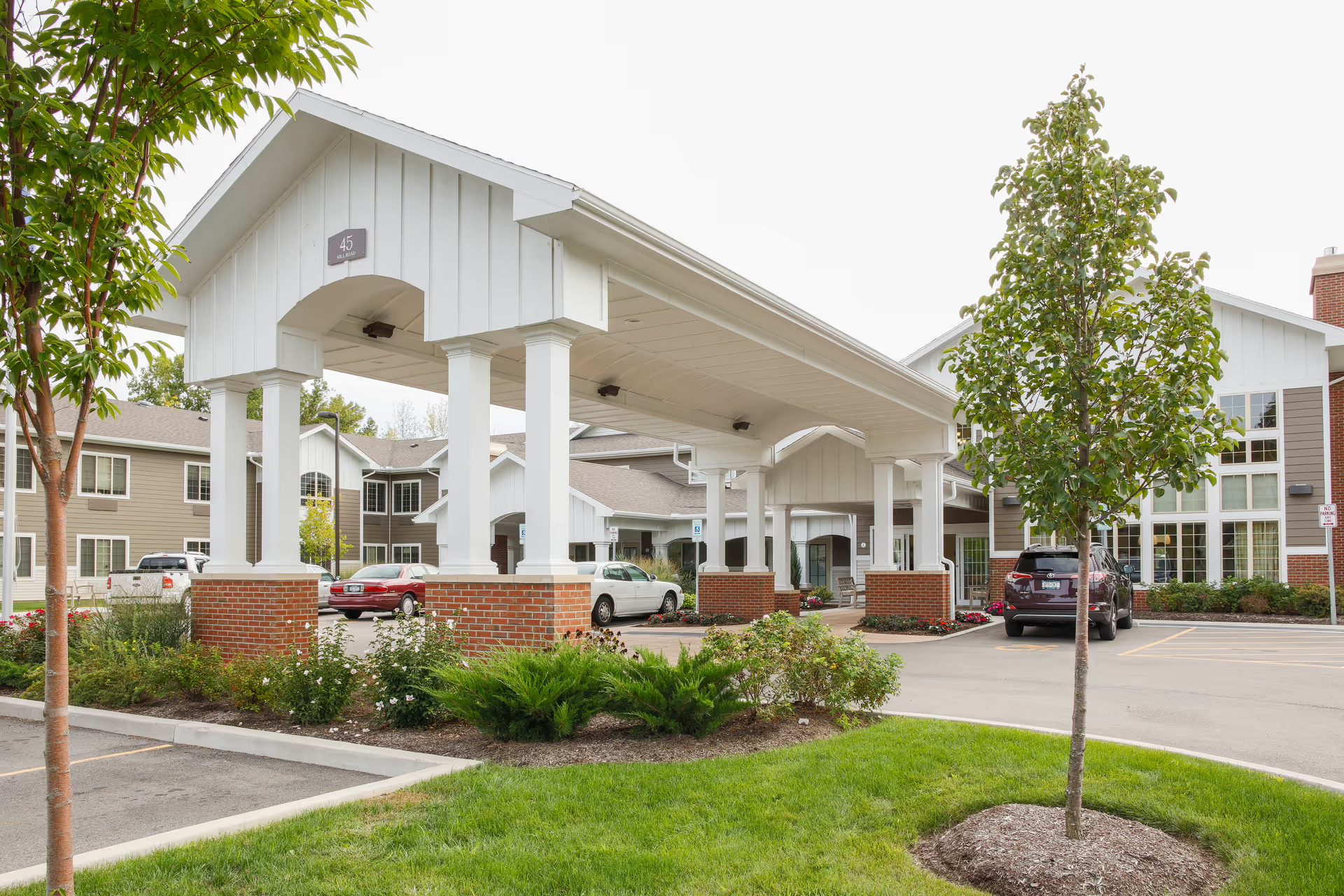
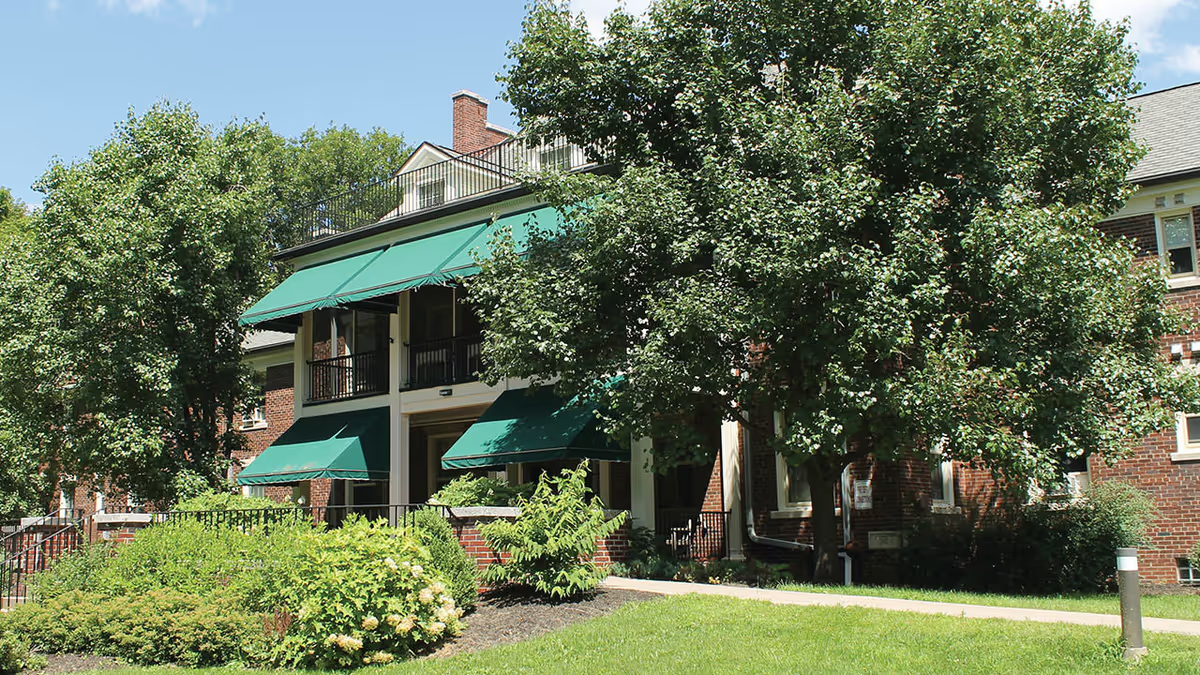
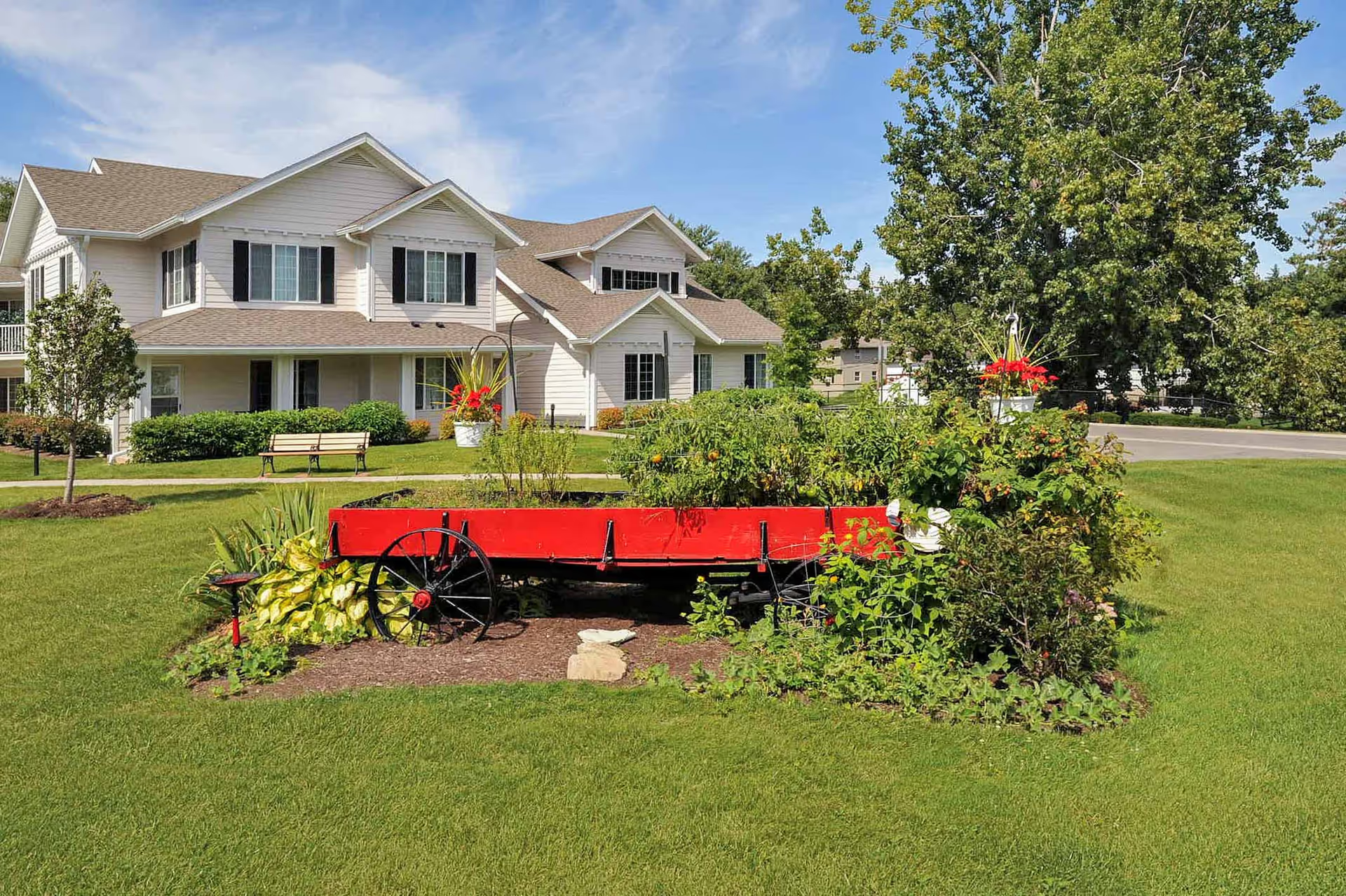
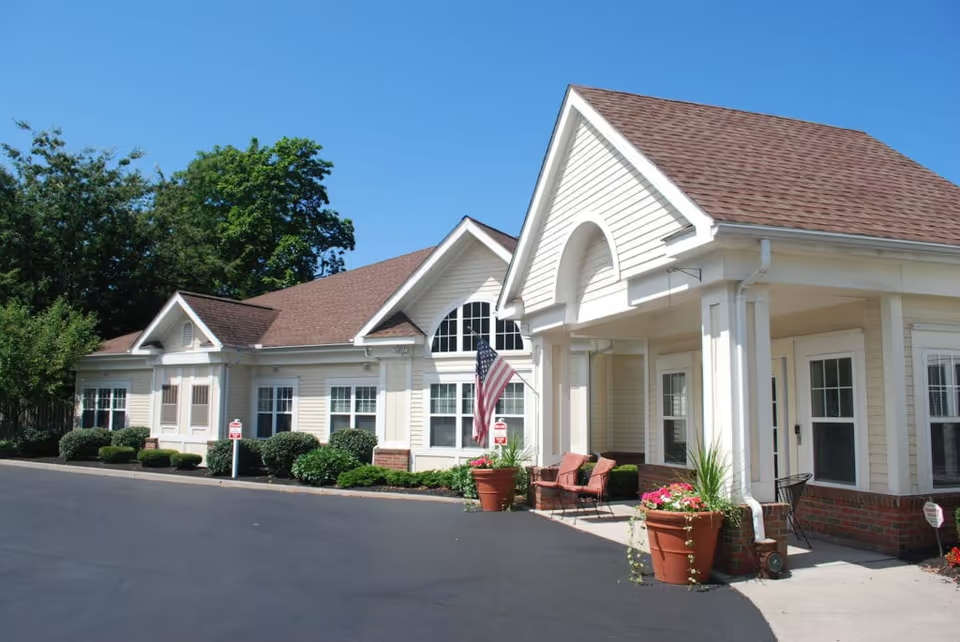
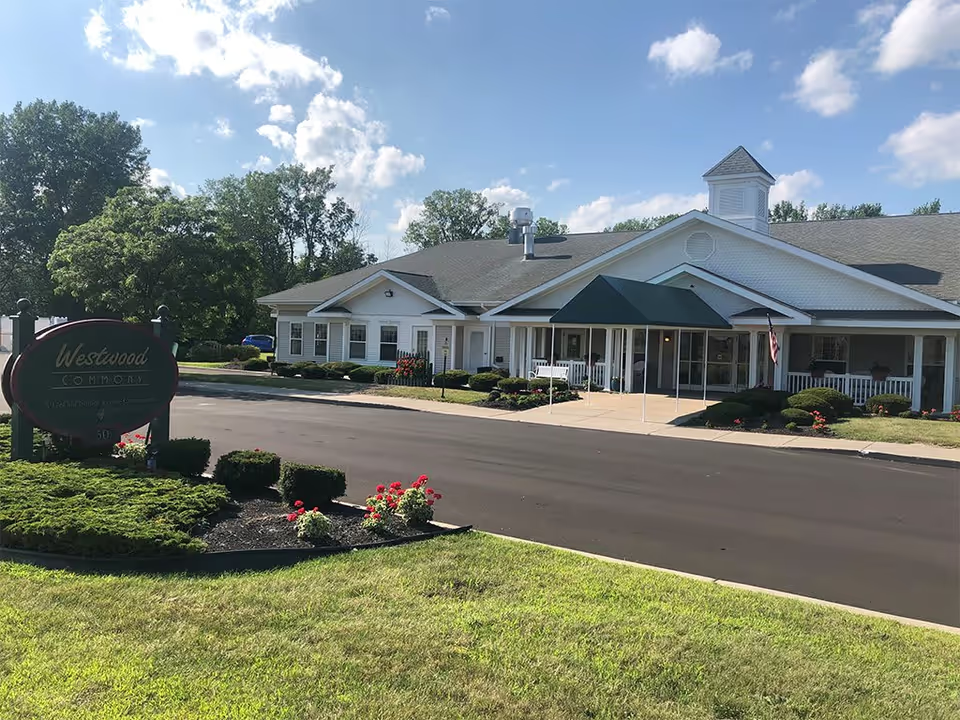
Overall impression: The community is regularly described as a full-service, well-appointed retirement campus with strong hospitality elements. Physical facilities and common areas are frequently characterized as clean, attractive, and spacious; apartments often include desirable features such as in-unit laundry, screened porches, and walk-in tubs. The campus offers a wide range of on-site amenities — multiple restaurants, a movie theater, fitness and exercise options, salon and chapel services, and a robust transportation program — that support an active, social lifestyle for independent residents.
Care quality and staff: Staff receive widespread positive mention for warmth, attentiveness, and helpfulness. Many accounts describe personalized attention, accommodating meal service, and staff who learn resident names and preferences. At the same time, there are recurring operational concerns: staffing levels and turnover have produced uneven experiences, particularly in assisted- and memory-care areas. Several descriptions indicate gaps in dementia-specific training and inconsistent delivery of personal-care tasks, which can create confusing or upsetting interactions for residents who need higher-dependency support. On the clinical side, the community provides on-site therapy and physician visits for routine needs, but families cite occasional medication-management and clinical-communication breakdowns (for example, electronic/fax handling and coordination with outside providers).
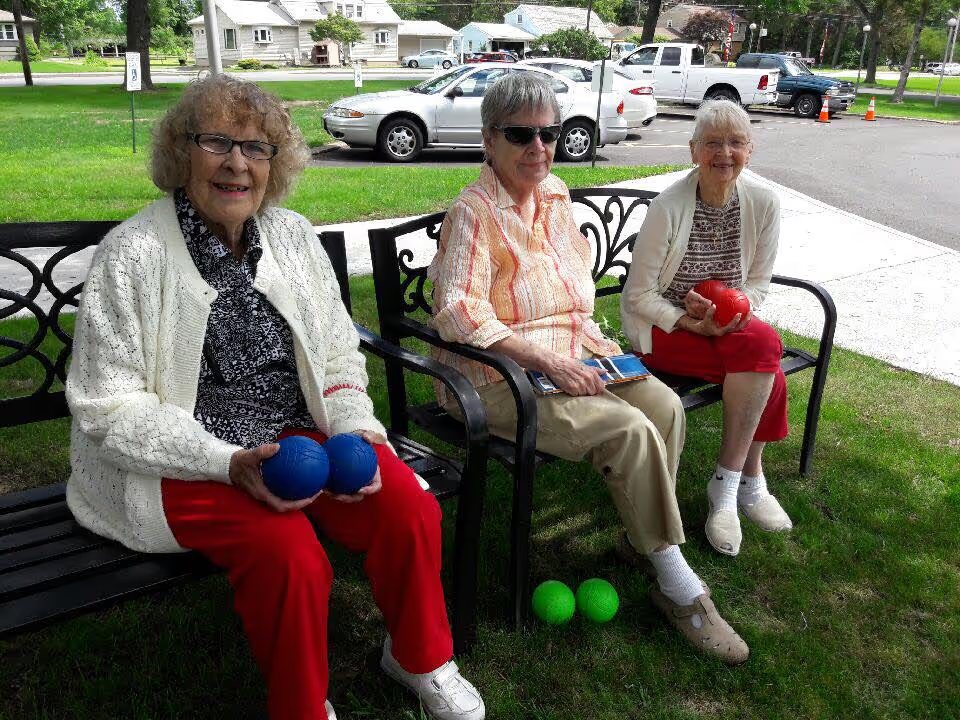
Dining and activities: Dining is a strong selling point for many residents — three on-site restaurants, an all-day cafe, and a food-credit program are frequently praised, and many reviewers describe high-quality meals and accommodating dining staff. However, reviewers also note variability in food quality and service at times, and there have been service reductions such as shortened restaurant hours or other cutbacks that affect perceived value. Activities are a clear strength: an extensive calendar, frequent outings, entertainment, fitness classes, and resident-led social programs contribute to an engaged community life. Some reviewers, however, experienced inconsistent encouragement to participate or occasional program curtailments, especially during infection-control periods.
Facilities and operations: The campus infrastructure and amenities are often described positively, but operational weaknesses recur. Families reported inconsistent housekeeping and laundry processes, sanitation-related concerns in specific instances, and several maintenance issues (including prolonged heating repairs) that suggested variability in responsiveness. Safety and security practices are another area where procedural lapses were noted; examples point to opportunities to tighten access control and emergency-response protocols. Additionally, the size and layout of the campus can make navigation difficult for some residents.
Management and value: Management receives mixed assessments. Positive interactions include helpful move-in support and proactive staff who facilitate resident transitions. Conversely, there are recurring concerns about management transparency, unmet promises for renovations or appliance replacements, and periodic rent increases without corresponding service improvements. These factors feed into a broader perception among some families that cost and value are not always aligned. Admissions and programming policies for memory care are described as relatively restrictive, with an emphasis on residents maintaining high levels of independence.
Notable patterns and takeaways: The community excels at hospitality, social programming, and providing a broad menu of amenities that support independent living. Prospective residents and families who prioritize dining, social engagement, and campus amenities are likely to find many strengths here. Families considering higher-dependency assisted living or memory care should assess staff continuity, dementia-care training, and specific operational practices (housekeeping, clinical communication, safety protocols) during a tour and follow-up conversations. Finally, ask for written details on promised upgrades, maintenance response times, and dining-hour policies to clarify how costs translate into services.