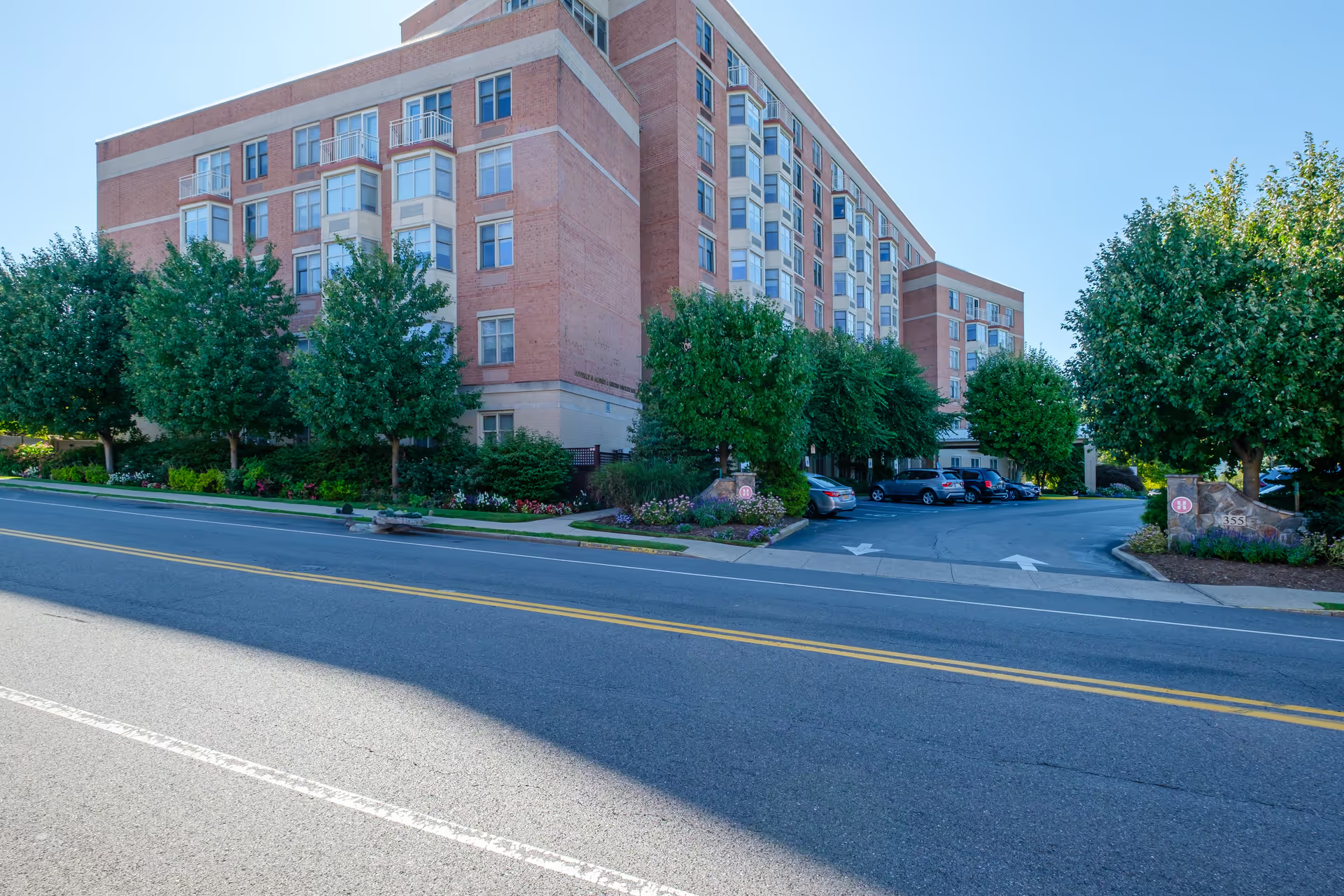
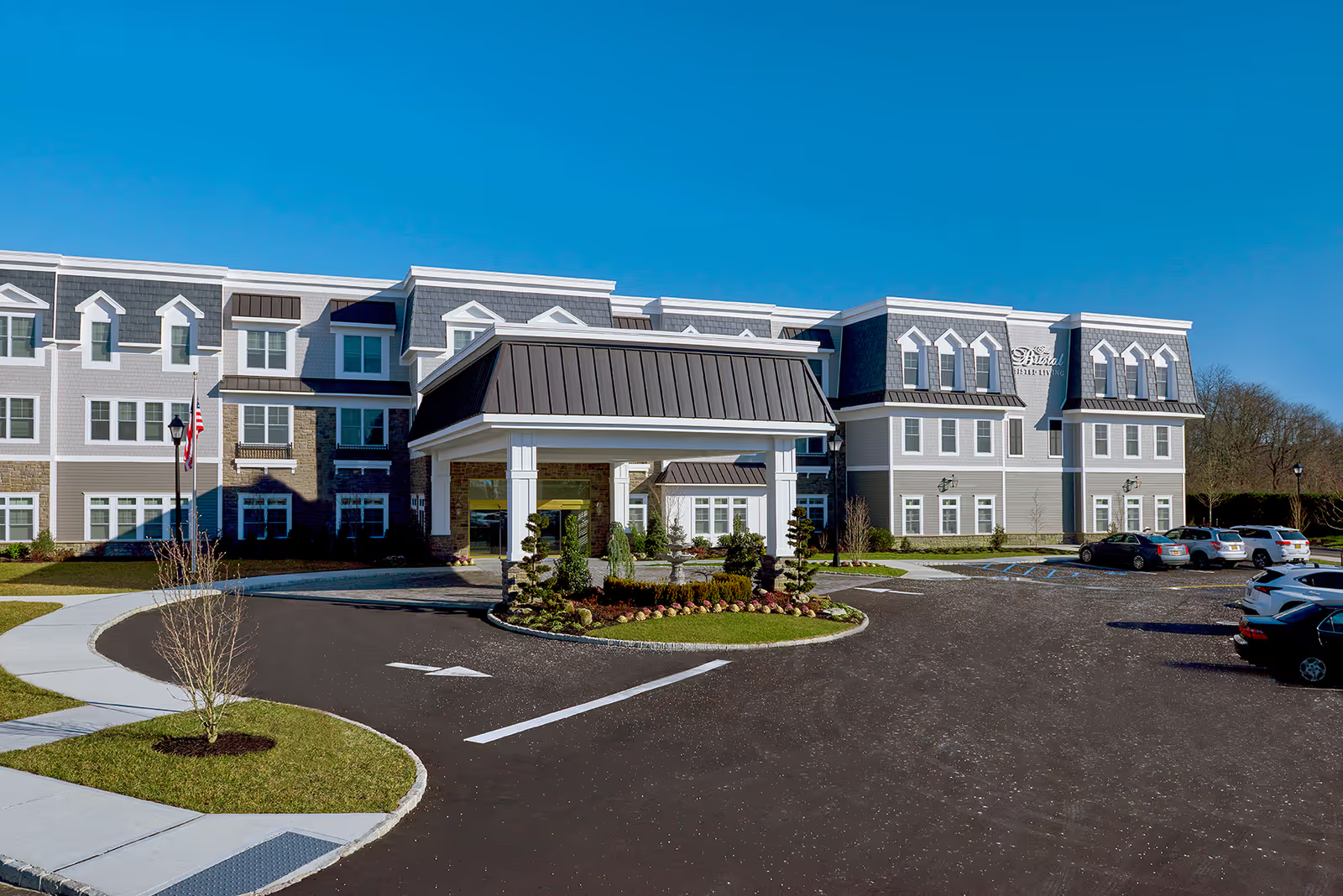
Glengariff Rehabilitation and Healthcare Center presents a mixed but identifiable profile. The facility is frequently praised for its strong rehabilitation focus: multiple accounts highlight effective physical and occupational therapy, up-to-date gym equipment, and measurable functional gains such as restored mobility and safe discharge home. Related clinical supports such as an on-site dialysis unit, visible therapy leadership, and proactive social work contributions are described as helpful in coordinating care and transitions.
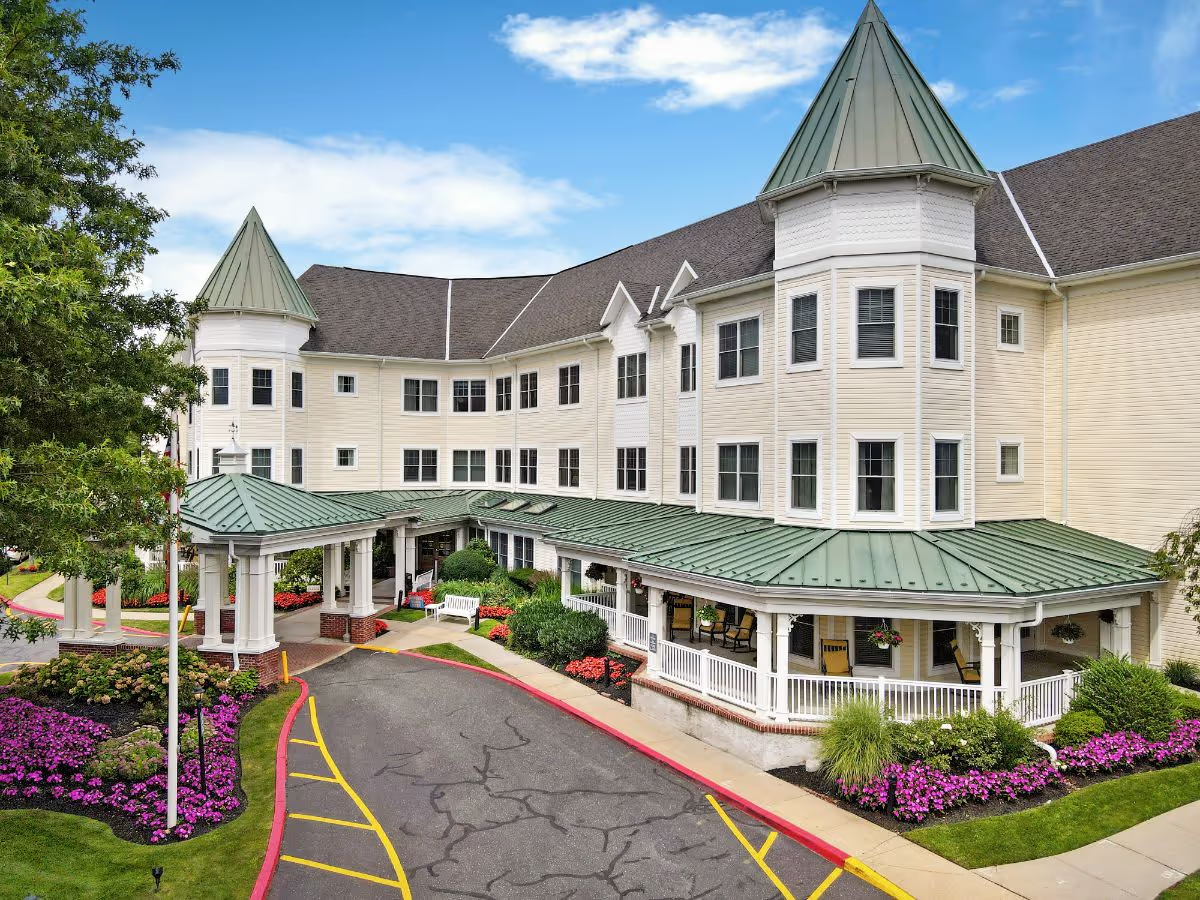
Across many reviews, staff-level strengths are prominent. Families and patients often describe compassionate, attentive nurses, CNAs, therapists, and an active concierge/administrative team that facilitates visits, transportation, and care coordination. The recreation program is a consistent positive, with a wide range of activities (live entertainment, pet therapy, crafts, beauty services) that contribute to a more engaging short-term stay. Housekeeping and general maintenance are also frequently noted; many guests describe a clean, bright interior, attractive grounds, and single rooms that support dignity and privacy.
At the same time, a recurring pattern of operational weaknesses emerges. Staffing levels are uneven, with particular shortages and reduced responsiveness at night and on weekends. This contributes to variable responsiveness to call bells and personal-assistance requests and, in some accounts, to medication delays or incomplete clinical follow-up. Reviewers describe inconsistent physician coverage and on-call availability, which can compound clinical-management gaps. Communication breakdowns between departments and with families are another frequent theme, creating uncertainty about care plans, discharge timing, billing, and dietary needs.
Dining and nutrition receive mixed feedback: some families praise the café, fresh-brewed coffee, and occasional high-quality meals, while others describe inconsistent food quality, limited menu variety, and concerns about adherence to therapeutic diets. Cleanliness and sanitation are generally praised in many areas but are characterized as uneven across units and common spaces in other accounts; this inconsistency extends to property-management issues such as parking, grounds upkeep, and occasionally to security and lost-belongings concerns.
Management and leadership are often identified as a differentiator. Several reviewers credit proactive administrators and concierge staff with resolving issues quickly and improving communication, while other accounts reflect experiences where escalation was required to obtain basic responsiveness. Taken together, the reviews suggest that resident experience at Glengariff is highly dependent on unit, shift, and which staff are assigned. Prospective residents and families would benefit from asking specific, operational questions during admission: current staffing ratios for nights/weekends, on-call physician coverage, protocols for call-bell response and medication administration, dietary accommodations for chronic conditions, and the facility's process for handling security and lost-item concerns.
In summary, Glengariff demonstrates clear strengths in rehabilitation services, engaged recreational programming, and areas of strong, compassionate staff performance. These strengths coexist with organizational variability in staffing, clinical responsiveness, dining consistency, and interdepartmental communication. For families seeking short-term, rehabilitation-focused care, the facility can offer very good outcomes when therapy and administrative supports are active; however, evaluating current staffing patterns and clinical coverage before admission is advisable to align expectations with care needs.