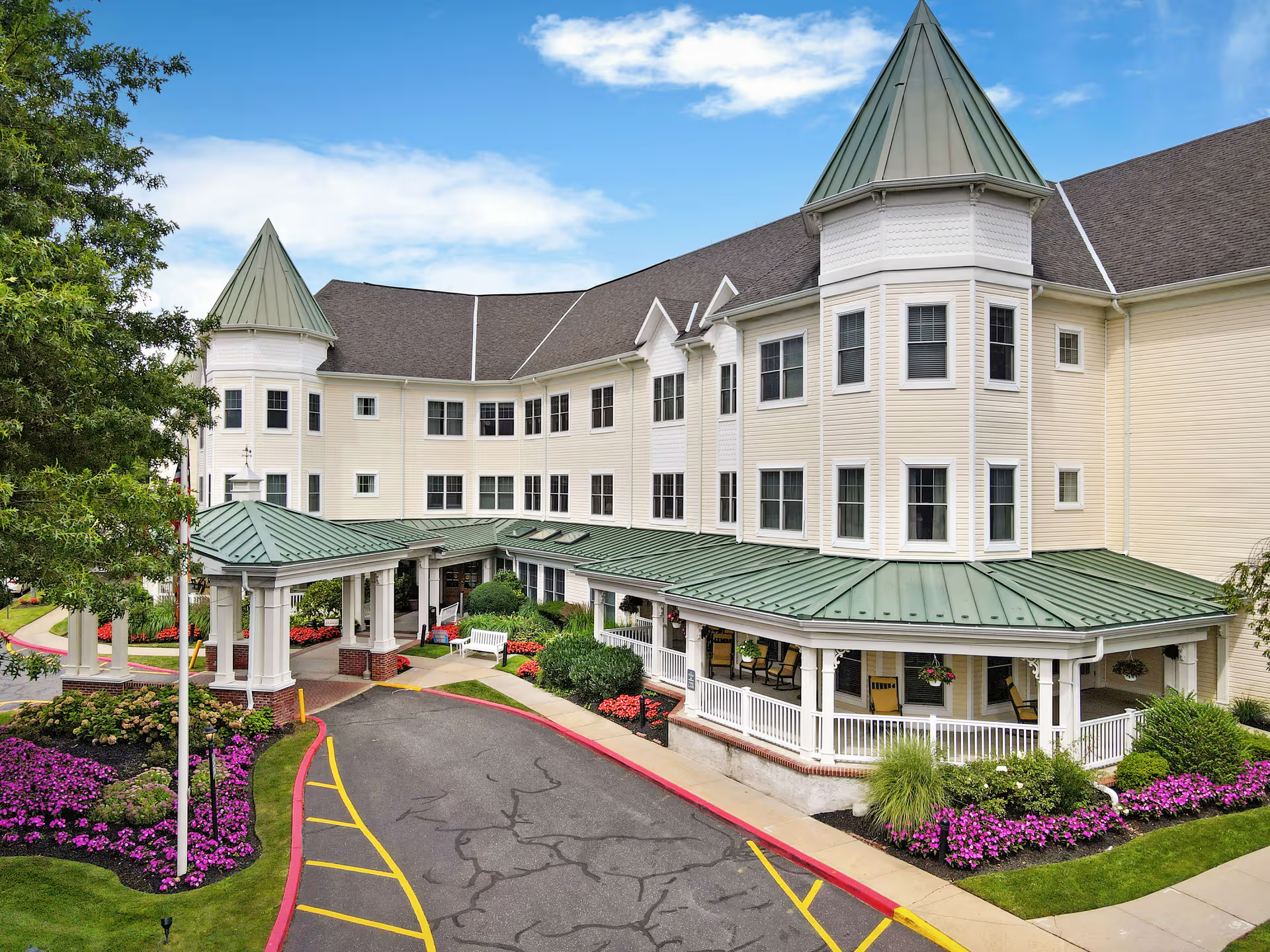
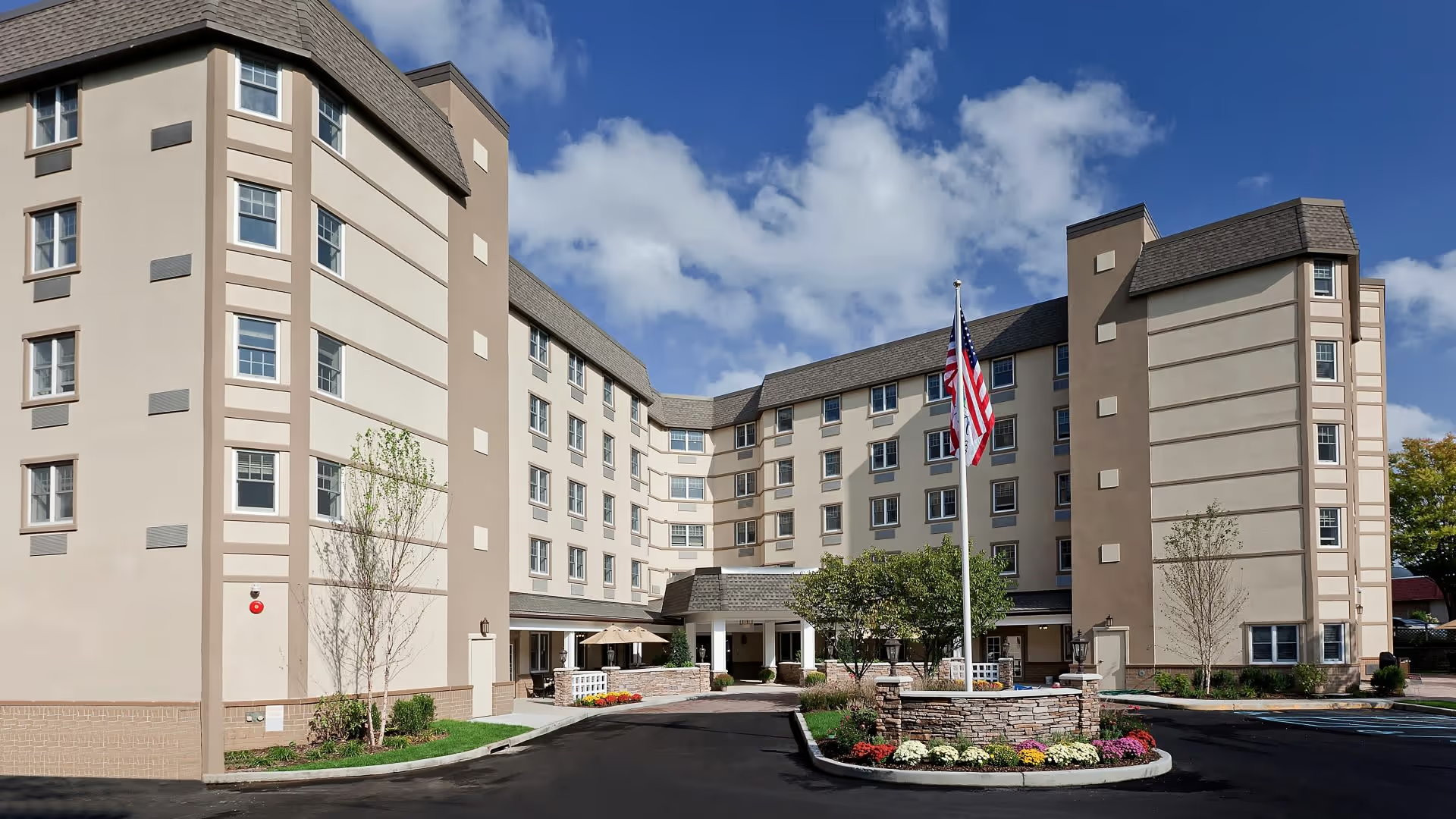
The Regency at Glen Cove is characterized by consistently positive comments about caregiving staff, leadership, and resident life. Families and residents commonly describe the staff as compassionate, attentive, and long‑tenured, with an executive team that maintains an open‑door approach. The wellness and clinical services are highlighted as strengths: on‑site physicians, physical/occupational therapy, a proactive wellness team that manages medications and appointments, and an established memory‑care neighborhood (Safe Harbor). Reviewers also emphasize coordinated end‑of‑life and hospice support, noting dignified and family‑centered transitions when needed.
Dining and social programming are major draws. Dining is frequently described as restaurant‑quality with plated service and the ability to accommodate special diets; reviewers cite fresh, varied menus and daily meal updates. The activity calendar is broad and active — daily exercise classes, movies, themed parties, outings to cultural and recreational venues, pet visits, and frequent social events — and reviewers report that staff actively invite resident participation. On‑site amenities (movie theater, salon, lounge areas, garden and outdoor patios, and a wellness center) support an engaged community life.
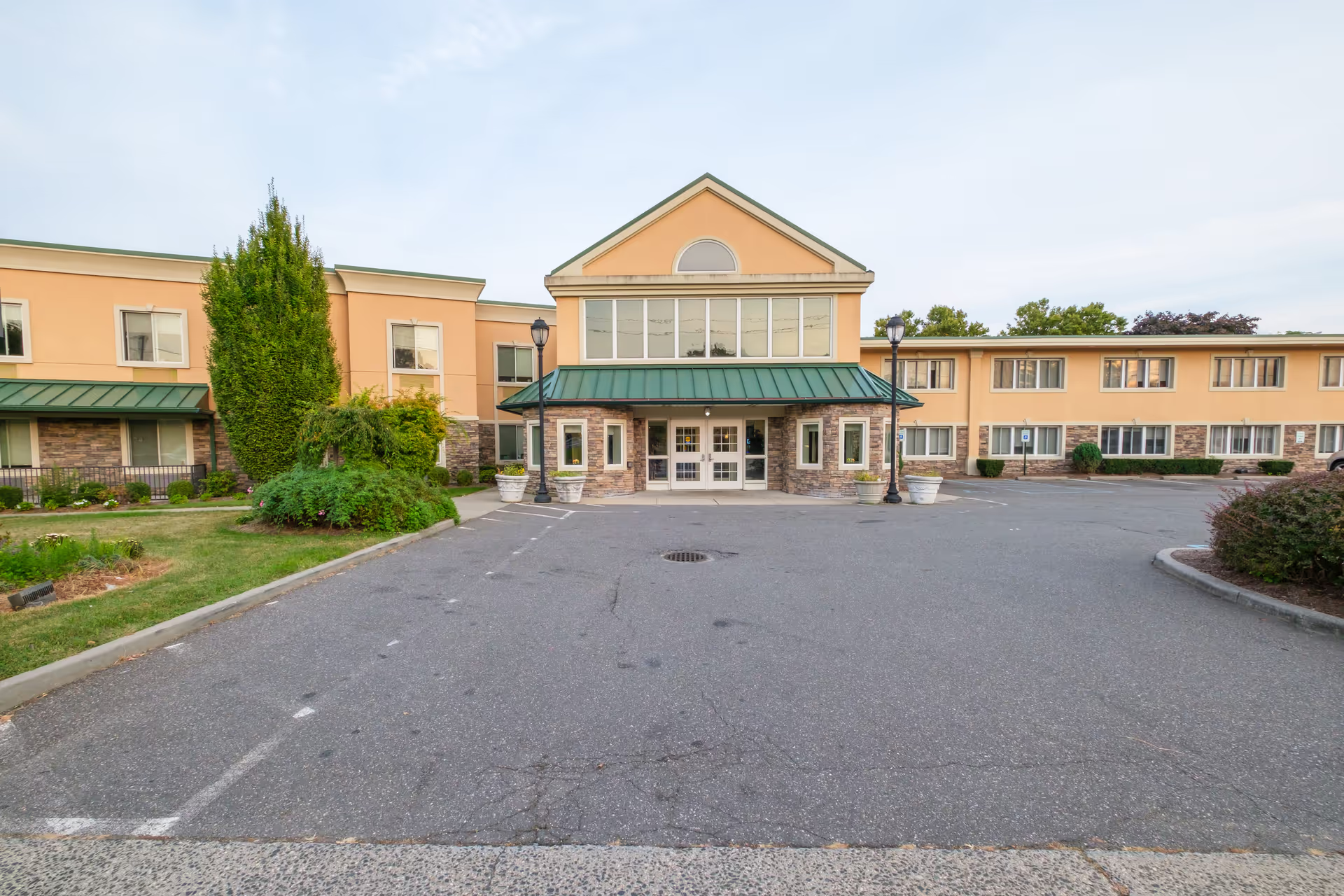
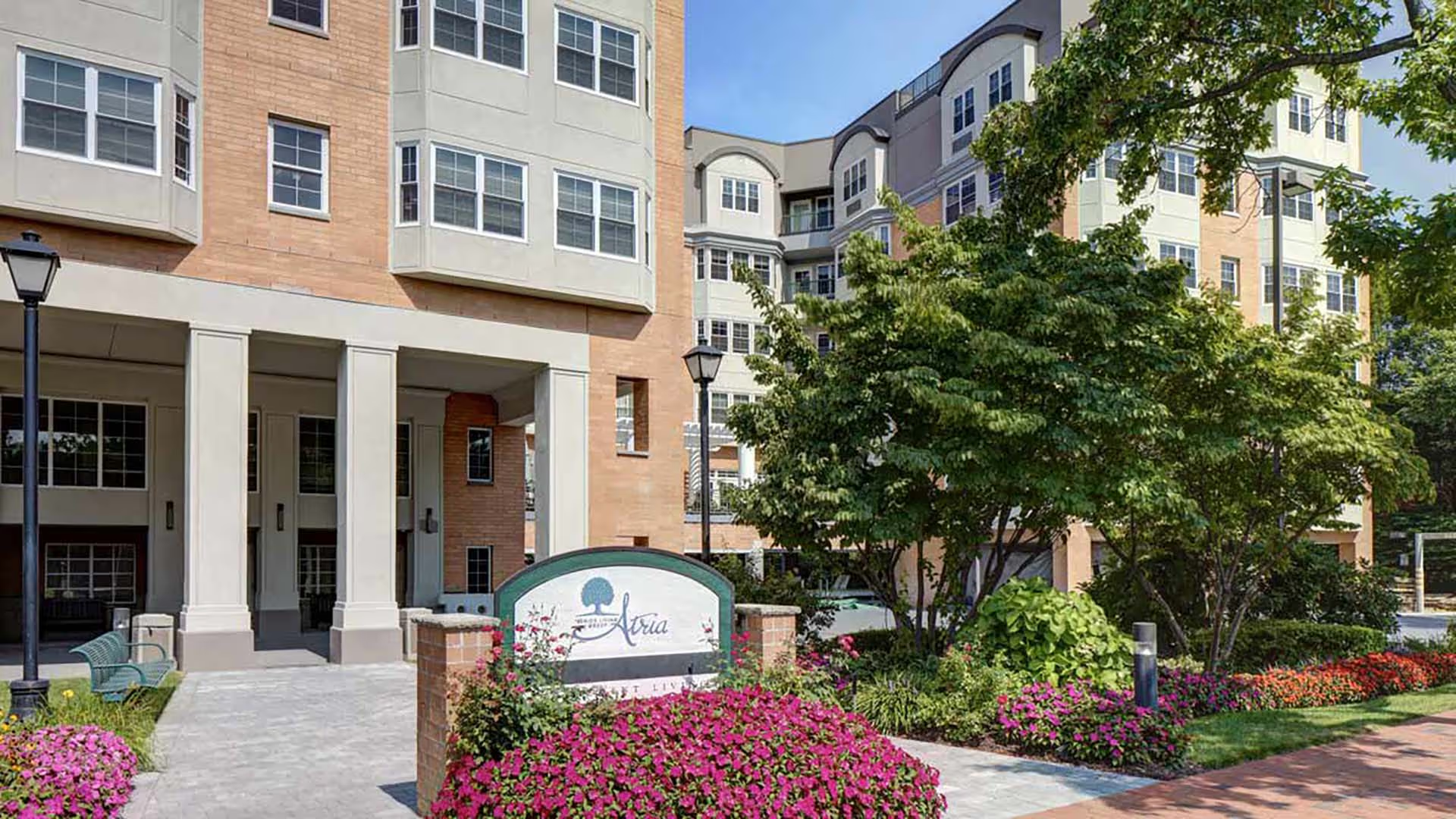
The physical plant and location receive strong praise. Many reviewers note renovated, bright apartments (studios to two‑bedrooms) with kitchenettes and spacious bathrooms, clean public areas, and a central North Shore location within walking distance of shops and waterfront. Housekeeping and maintenance are described as responsive, and common spaces (dining room, lounges, sundecks) are seen as well maintained and welcoming.
While overall impressions are favorable, a set of operational concerns appears across some accounts. A limited number of reviewers raised issues around staffing levels and understaffing during certain shifts, and several families noted occasional communication or paperwork inconsistencies—examples included check‑in paperwork or early morning calls that caused stress. Those themes contribute to a perception that some issues require active family advocacy to obtain timely resolution. Other practical constraints mentioned include limited parking and periodic disruption related to ongoing renovations or conversion work. A few comments described uneven front‑desk interactions and noted that the facility does not automatically transition to Medicaid, which may affect long‑term financial planning for some families.
In sum, The Regency at Glen Cove presents as a well‑resourced assisted living community with a strong culture of compassionate care, robust programming, and high‑quality dining and amenities. Prospective residents and families should weigh those strengths against occasional operational limitations—particularly staffing variability, communication and paperwork processes, parking, and renovation impacts—and discuss expectations for responsiveness, care level availability, and financial transition policies during a tour and intake conversation.