Overall assessment: Reviews present a mixed but clearly polarized picture. The facility receives frequent praise for its clinical and hospitality strengths — particularly nursing, rehabilitation services, housekeeping, and a welcoming communal atmosphere — yet also draws repeated concerns about operational consistency, communication, and staffing. Prospective residents and families will find evidence of strong short-term rehabilitation outcomes alongside examples of inconsistent care processes.
Care and rehabilitation: Many accounts describe skilled, encouraging therapists and nurses who helped residents regain independence and meet rehabilitation goals. Positive outcomes, effective care planning, and coordinated discharge follow-up are noted by families whose loved ones improved during a stay. At the same time, other accounts describe inconsistencies in therapy delivery and follow-through: promised sessions or therapy intensity were not always maintained, and discharge documentation sometimes does not align with observed functional status. There are also indications of weak mobility-maintenance practices (extended wheelchair time, limited encouragement to ambulate) in some cases, which can affect long-term recovery.
Staff, conduct, and management: The staff are often described as caring, professional, and teamwork-oriented; front-desk and administrative personnel receive specific praise for helpfulness. Housekeeping and ancillary teams are also frequently commended. Contrastingly, there are repeated concerns about staff responsiveness, tone in staff–resident interactions, and delayed family notification about care issues. These concerns are linked to uneven experiences across units and shifts. A small number of accounts reference serious incidents that led to regulatory attention; that pattern suggests families should review the facility's compliance history as part of their evaluation.
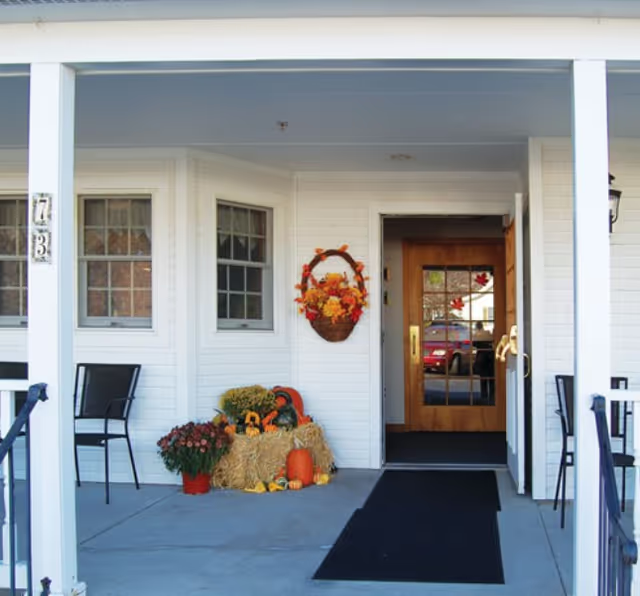
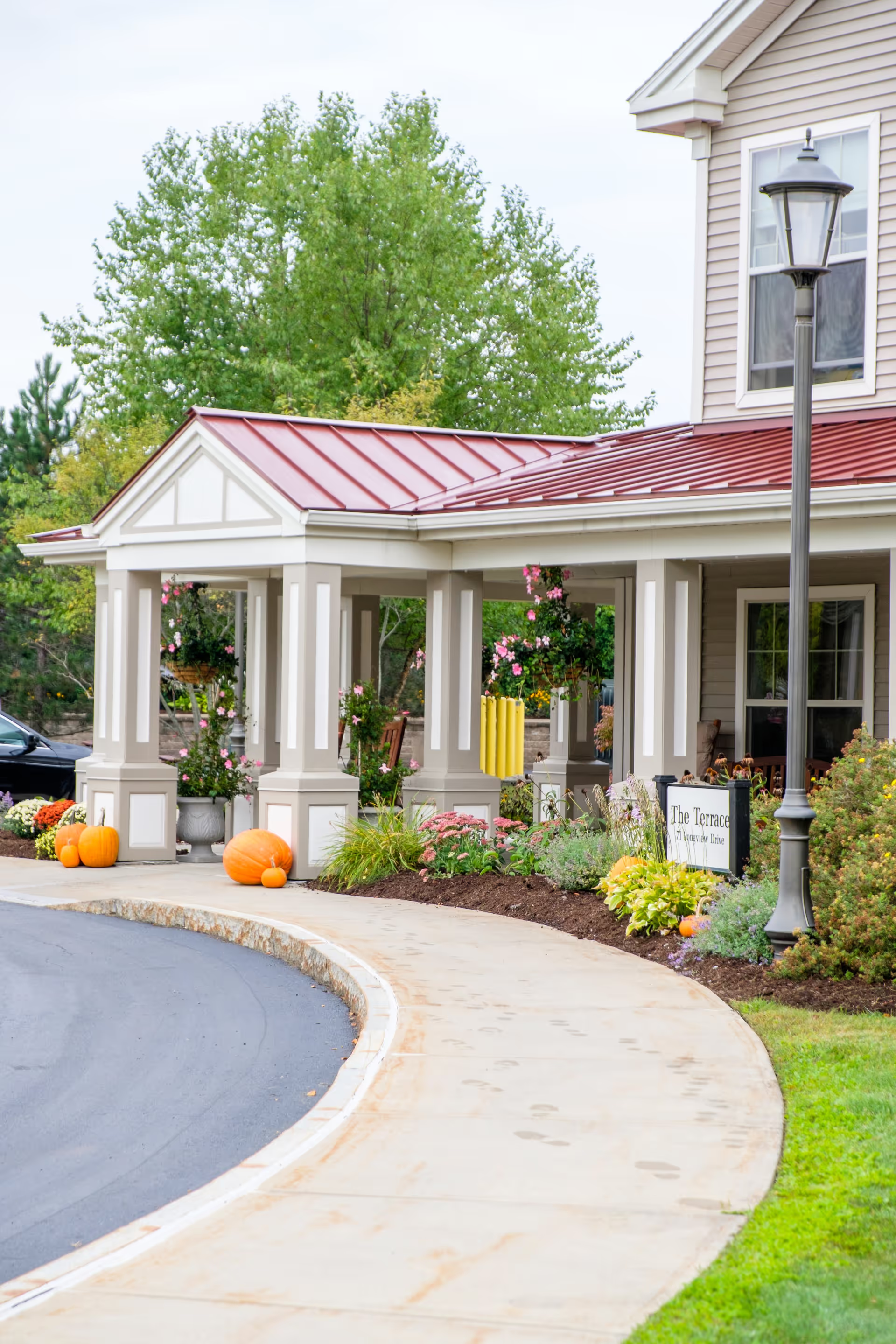
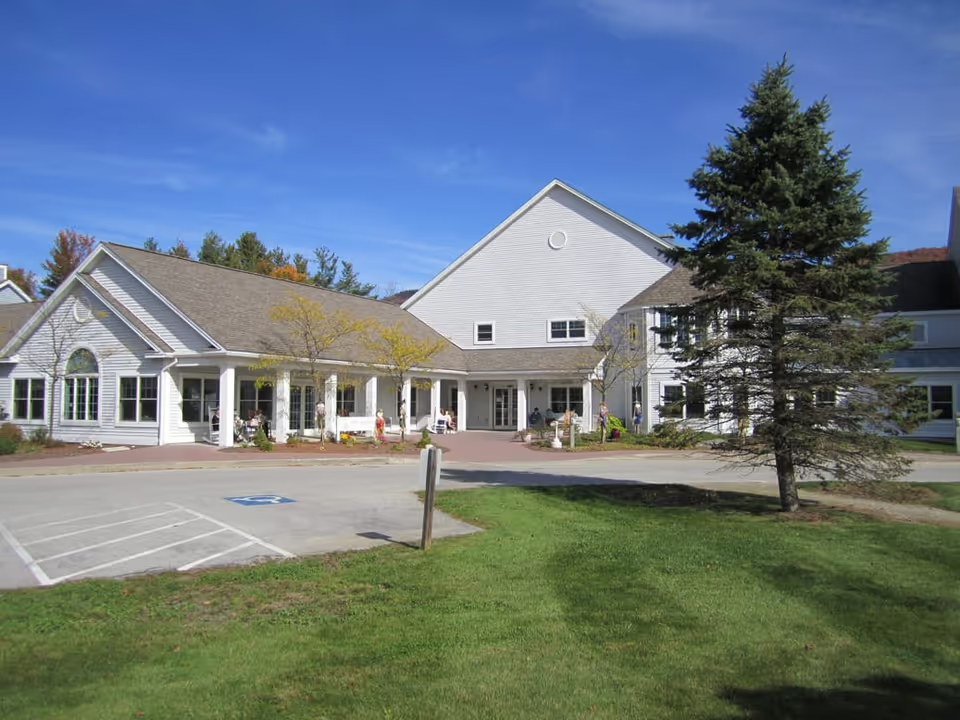
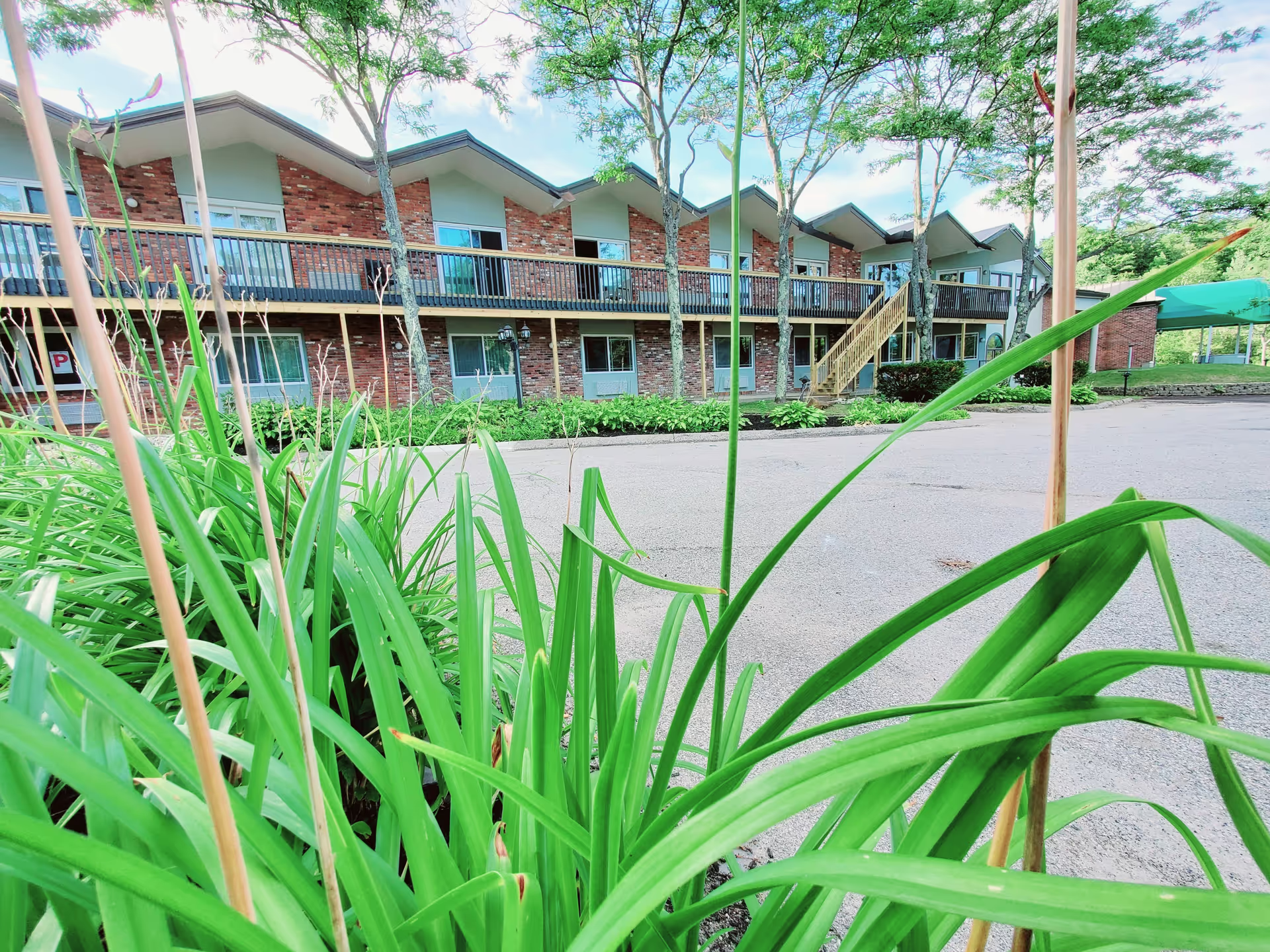
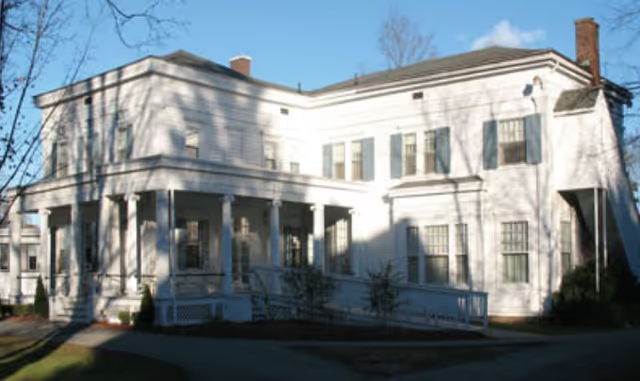
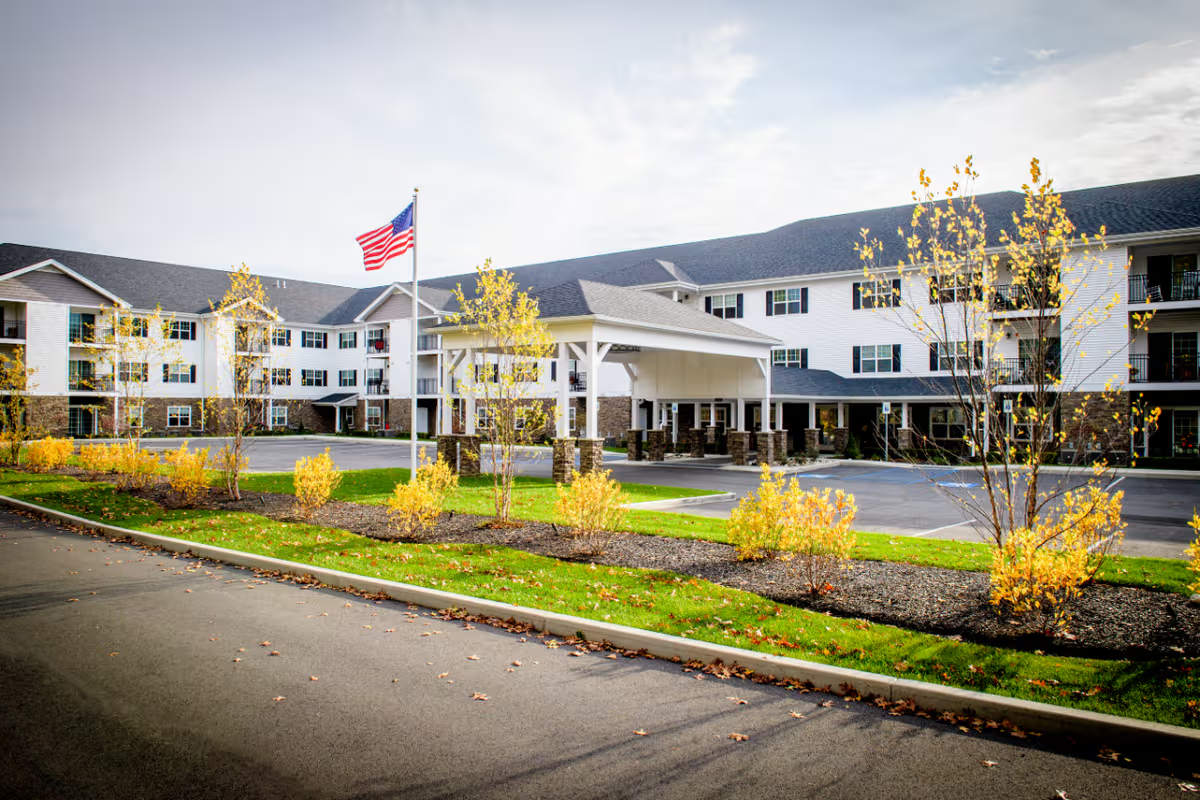
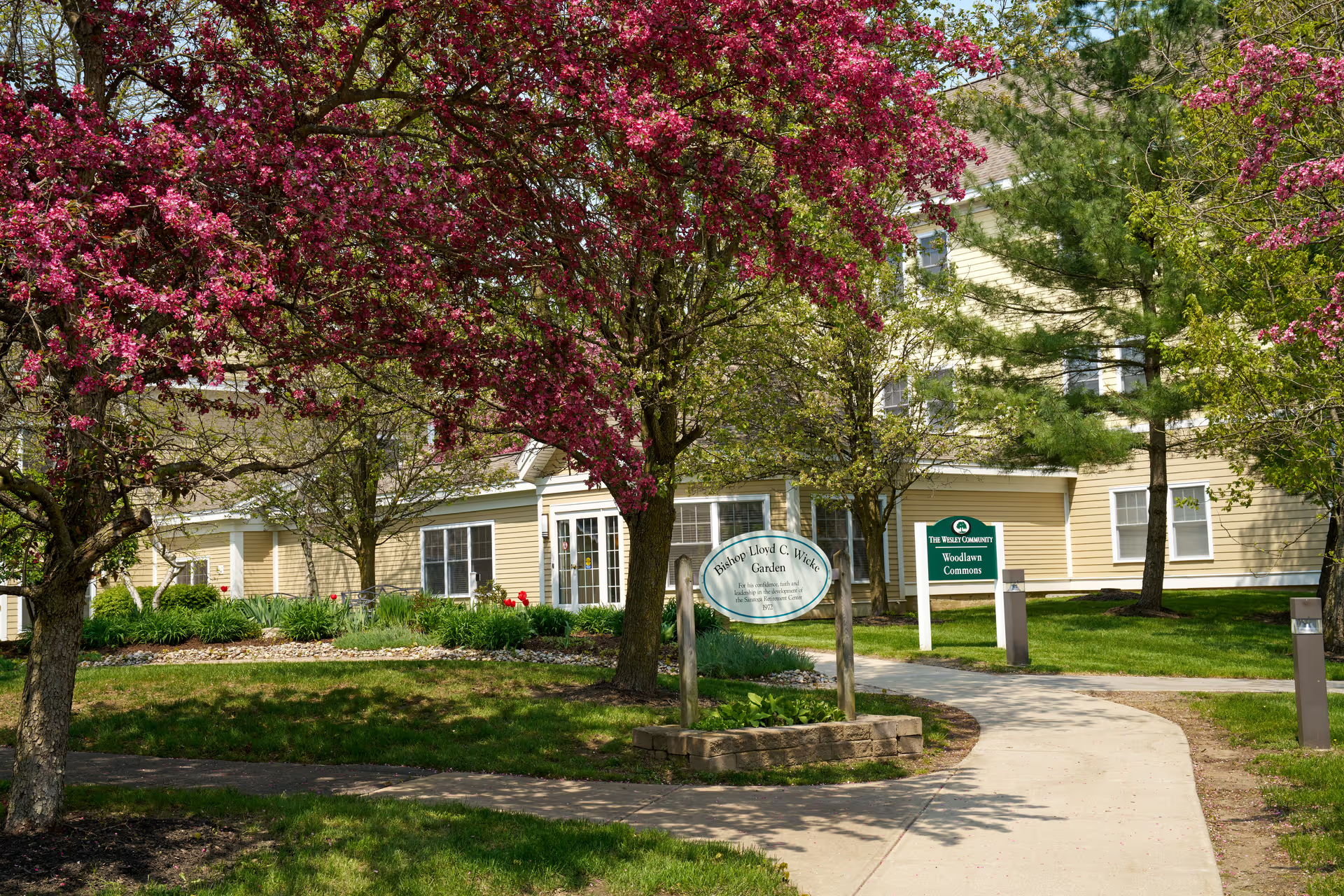
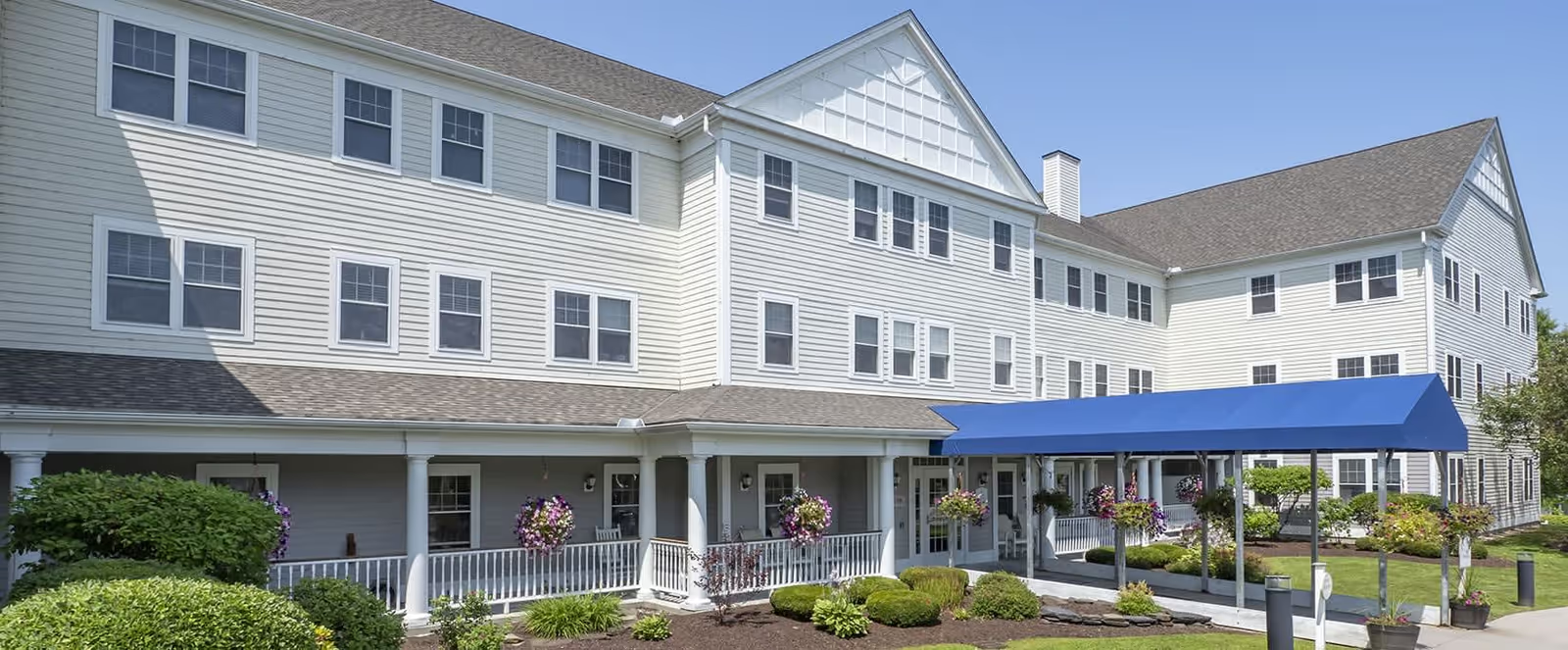
Dining, activities, and facilities: Strengths include clean, well-maintained rooms and common areas, outdoor patios and gardens, and an active calendar of events and entertainers that contribute to a family-like atmosphere. Several reviewers specifically praised homemade meals and special event dining. Conversely, meal quality appears inconsistent across stays, and some families described limitations in food service. Transportation resources are limited (single van, scheduling constraints), which can affect off-site appointments and outings.
Communication and practical considerations: Communication problems are a recurring operational theme — limited in-room phone access, voicemail or taped call systems, and difficulties reaching staff during evenings were mentioned. Families should confirm on-site phone availability, evening contact procedures, and how the facility communicates about clinical changes. Staffing levels and shift coverage are another practical concern; reviewers link understaffing to delays in personal-care attention.
Recommendation for families: The facility demonstrates clear strengths in clinical rehabilitation, compassionate caregiving on many units, cleanliness, and social programming. However, variability in staffing, therapy consistency, family communication, and documentation are important caveats. An in-person visit is advisable: observe staffing during different shifts, ask for recent therapy schedules and staffing ratios, review discharge documentation examples, confirm phone/contact procedures, and check the facility's regulatory record before making a placement decision.