Reviews for The Grand Rehabilitation and Nursing at Great Neck present a polarized picture: many accounts emphasize high-quality clinical rehabilitation, compassionate caregivers, and a clean, well-appointed environment, while other accounts raise significant operational concerns. The facility receives frequent praise for its rehabilitation program (OT/PT), responsive therapists, and nursing staff who facilitate functional gains and transitions back to the community. Several reviewers specifically commended the activity and recreation program, social-work support, and an atmosphere some families described as warm and family-like.
Care-quality patterns are mixed. Positive experiences highlight effective, attentive nursing and therapy that produced measurable recovery and smooth discharges. However, other reviews describe delays in attending to basic activities of daily living — including dressing, toileting, and feeding assistance — as well as concerns about timely pain or symptom medication prior to transfers. Staffing shortages and coverage gaps are a recurring theme linked to delayed responses, inconsistent assistance during meals, and variability in nighttime and weekend service levels.
Staff and management impressions vary. Many reviewers praised individual clinicians, therapy teams, and administrative personnel for clear communication and compassionate handling of residents. Conversely, there are repeated concerns about inconsistent communication with families and with external providers (case managers, social services, and hospitals), misfiled or delayed documentation, and personal-property handling failures such as lost or mislabeled clothing. A small number of reviews referenced escalations to external oversight or alleged regulatory complaints.
Dining and activities are strengths for numerous residents: several reviews noted enjoyable meals, engaging recreational offerings, and meaningful social engagement (for example, Bingo and group activities). Other reviewers, however, described inconsistent meal quality, slow or interrupted beverage service, and insufficient feeding assistance for residents who require hands-on help. Prospective residents should verify meal-assistance protocols for individuals with complex feeding or swallowing needs.
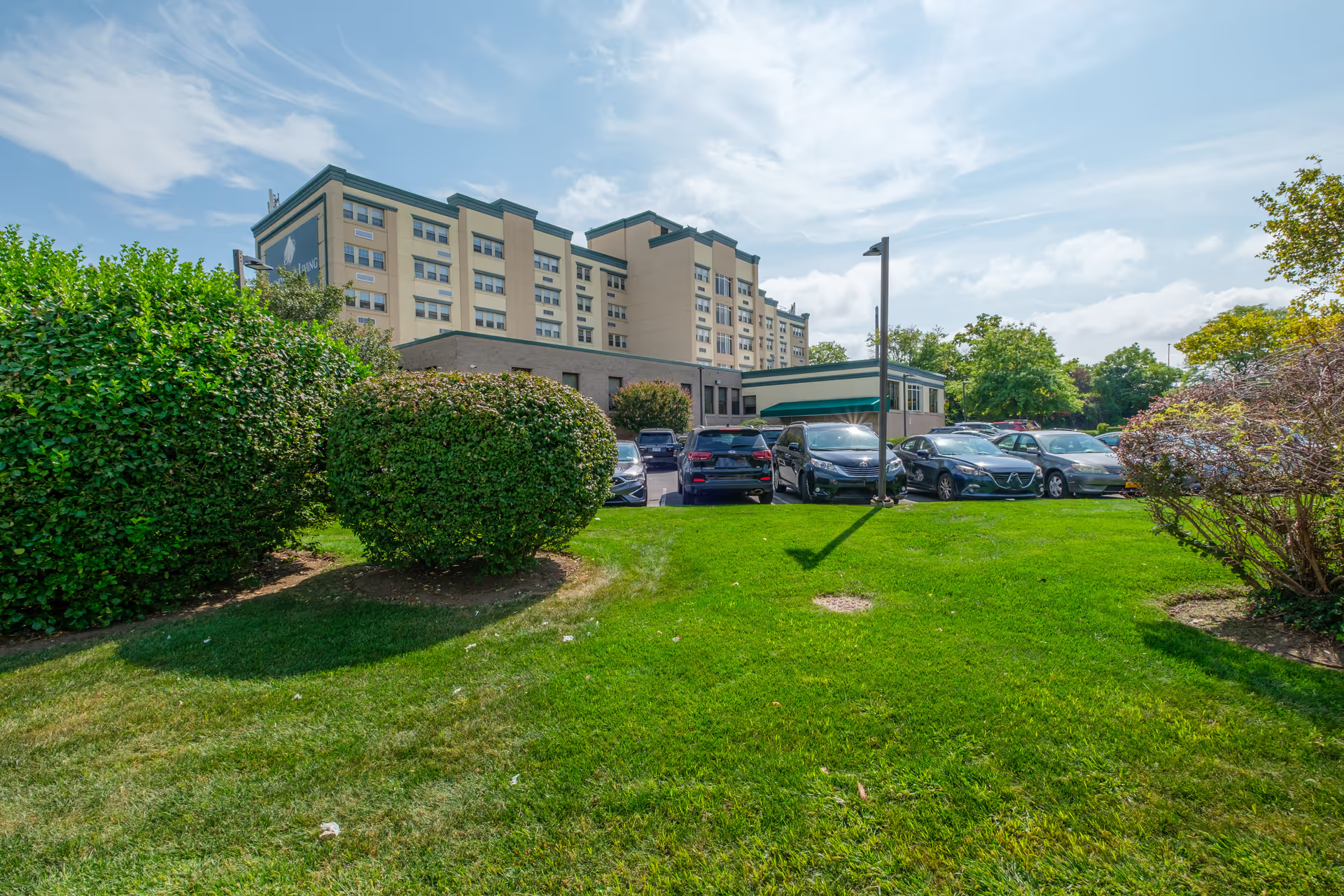
Facility features earn generally positive comments for cleanliness, room quality, and hotel-like accommodations in some units, but there are also accounts of uneven sanitation and room maintenance. Security and privacy procedures were called out as an operational weakness in multiple reviews: lax visitor-entry controls, lack of ID checks, and occasional night-time staff availability issues were cited. Practical-site issues include unclear parking signage and a risk of towing without clear directional guidance.
Overall, experiences appear to be highly variable across units and shifts. For families considering this facility, recommended questions at tour and intake include: current staffing ratios and night/weekend coverage; protocols for ADL and feeding assistance; behavioral-incident management and safety procedures; property-management processes for personal items; documentation and discharge coordination workflows; and security/visitor-access policies. Verifying these items in writing and asking to speak with therapy, nursing leadership, and social-work staff can help clarify whether the facility’s strengths align with an individual resident’s needs.