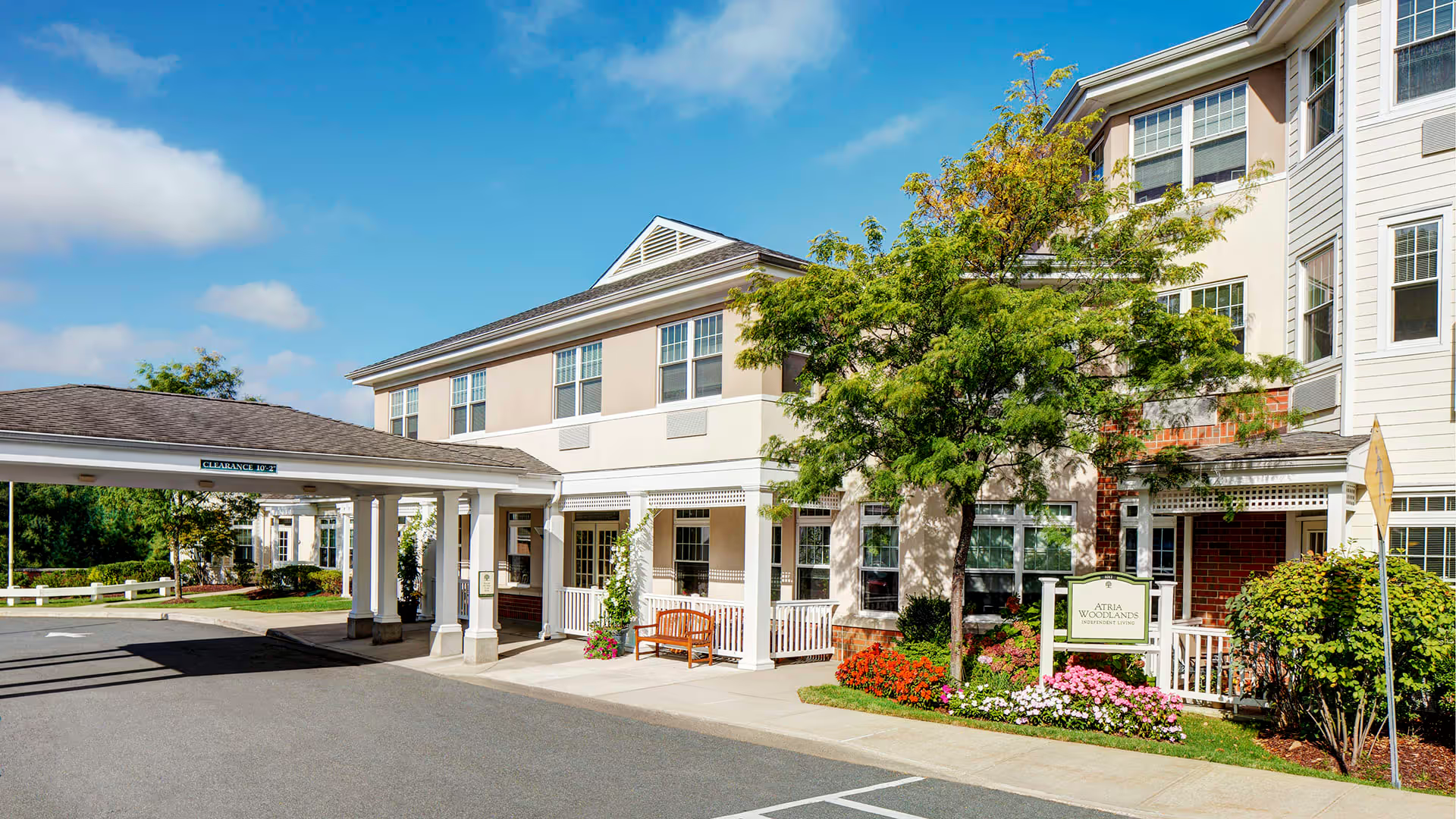
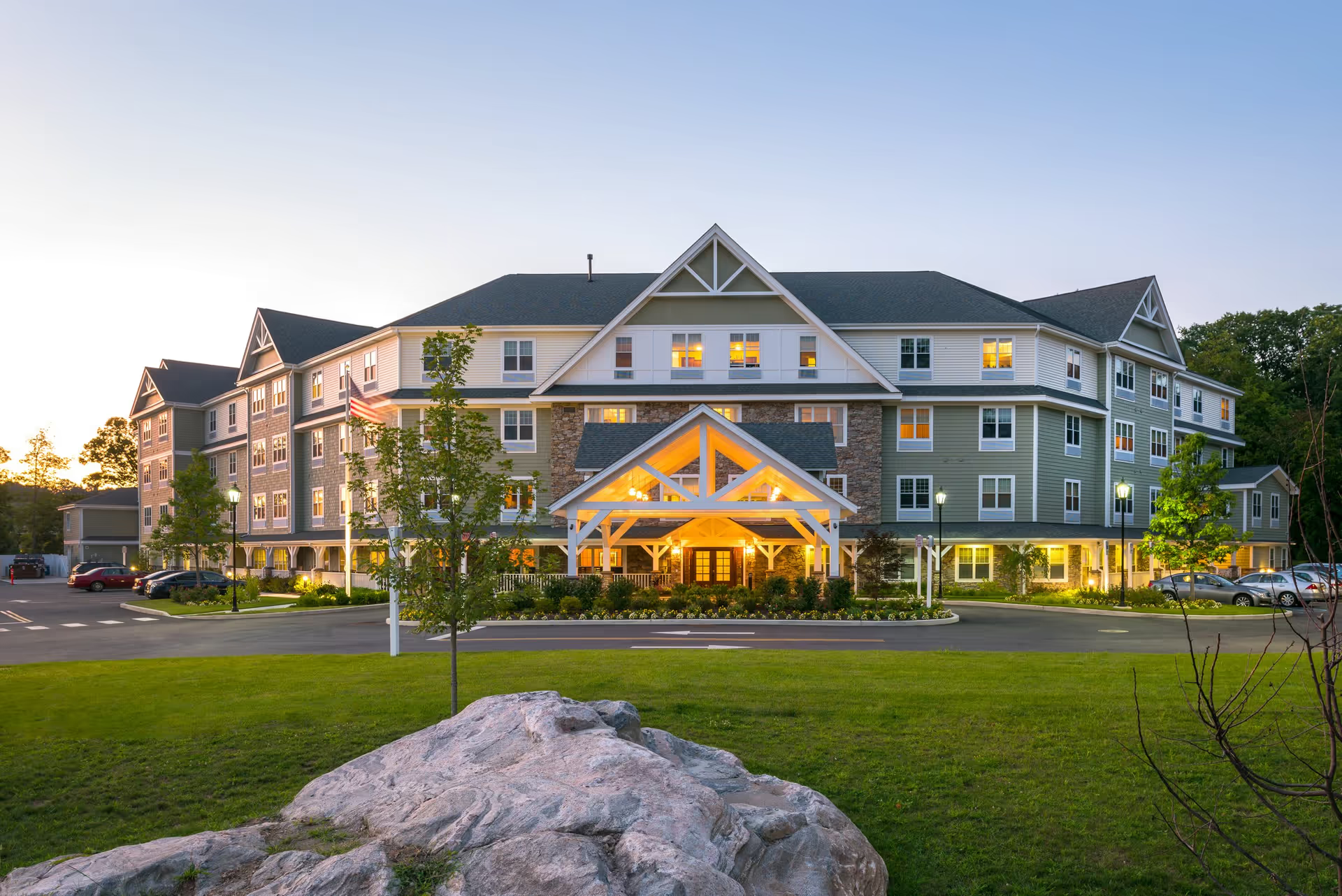
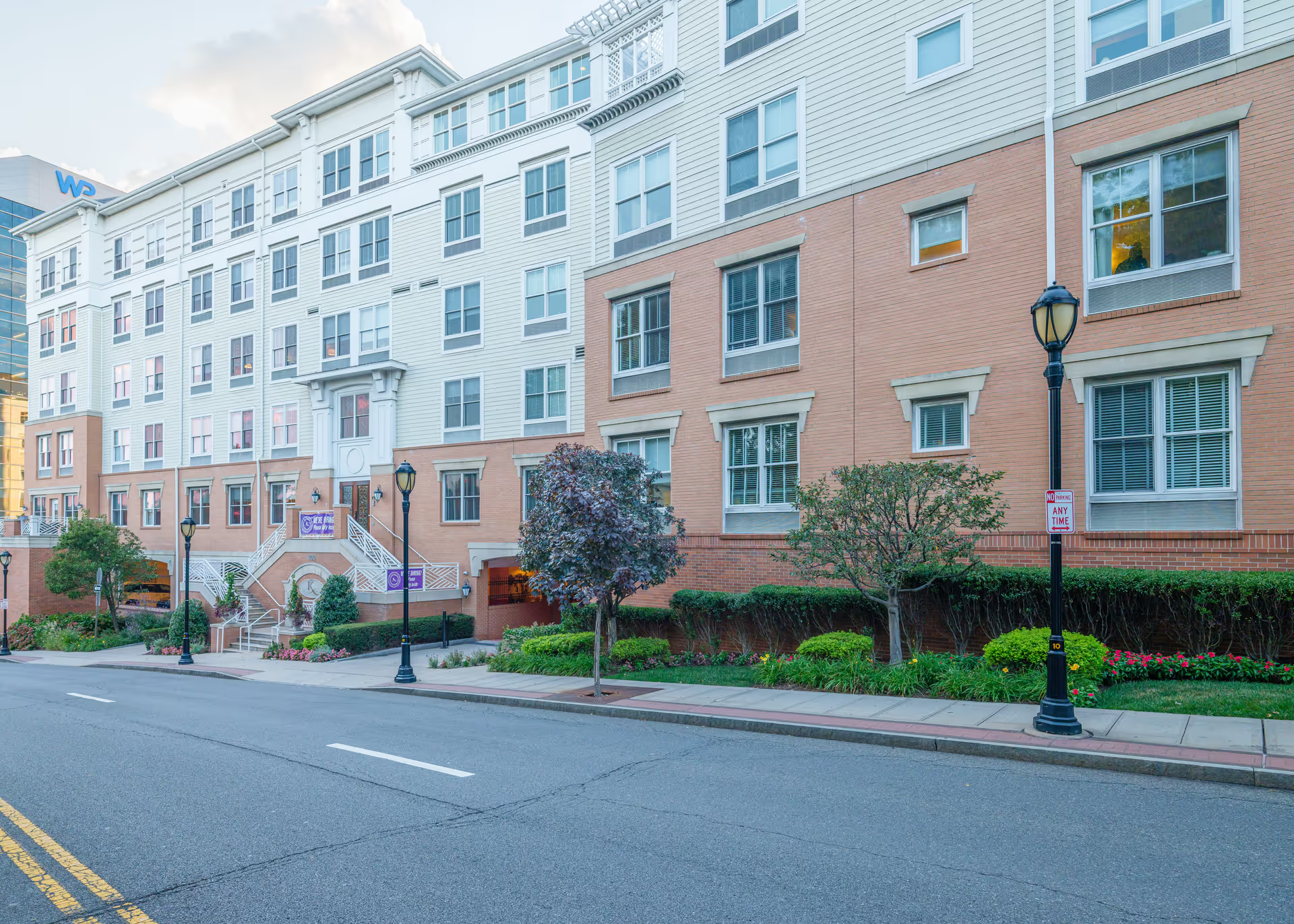
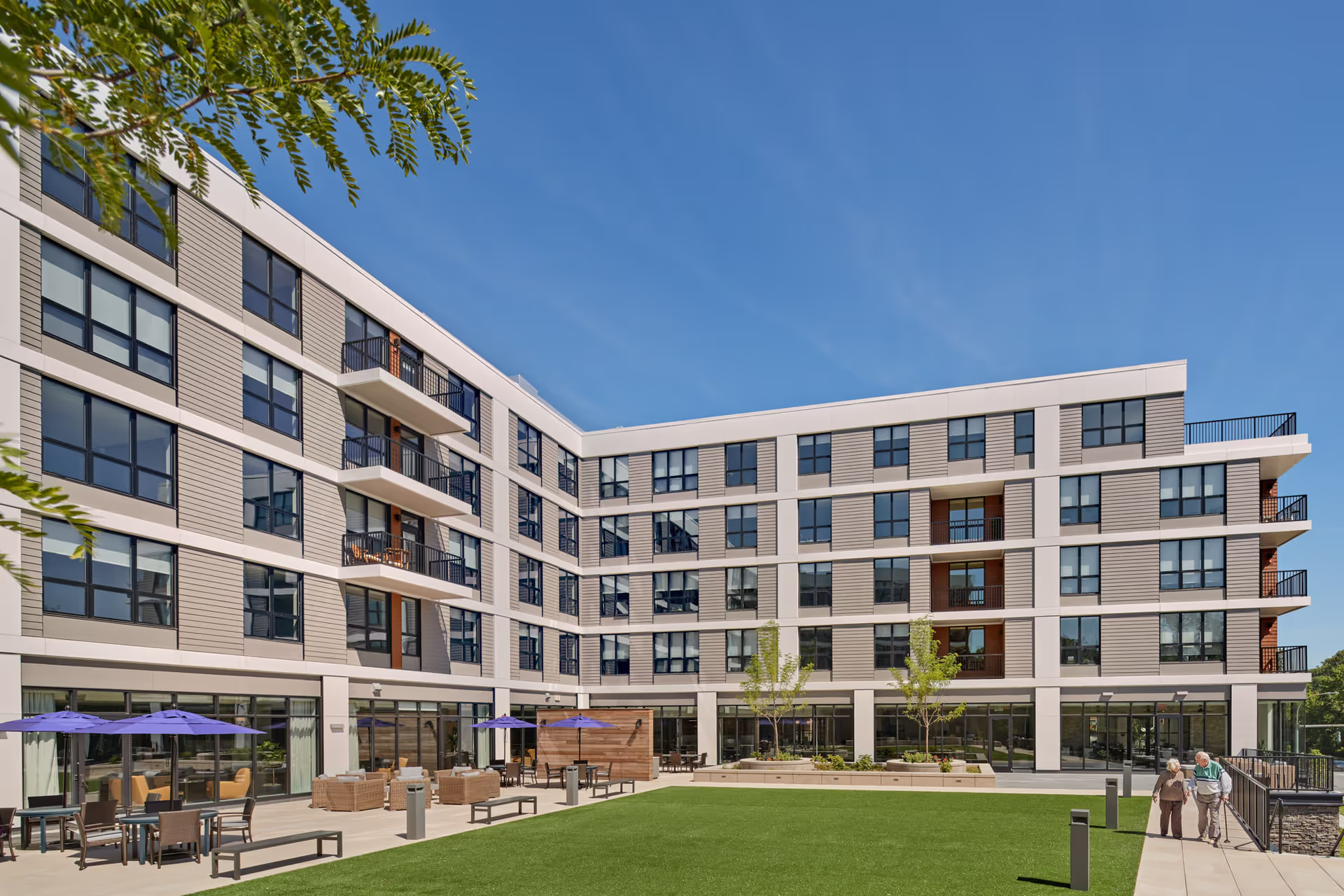
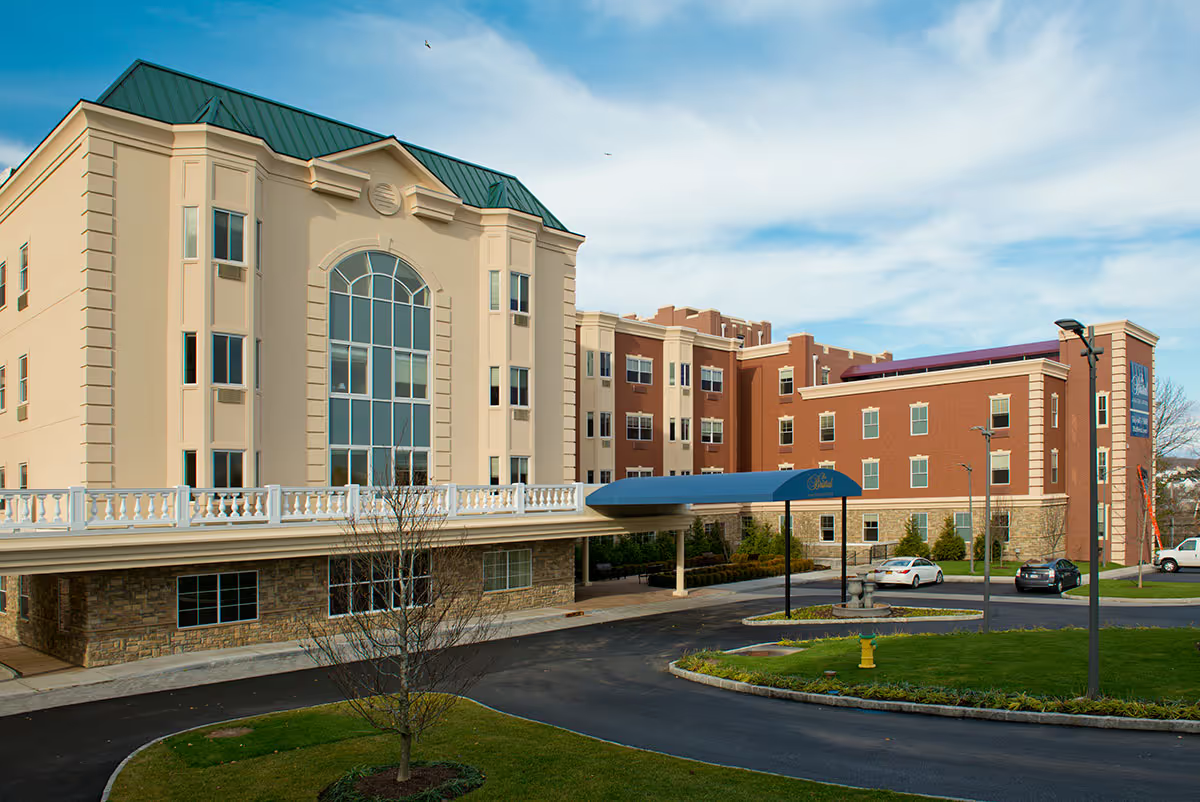
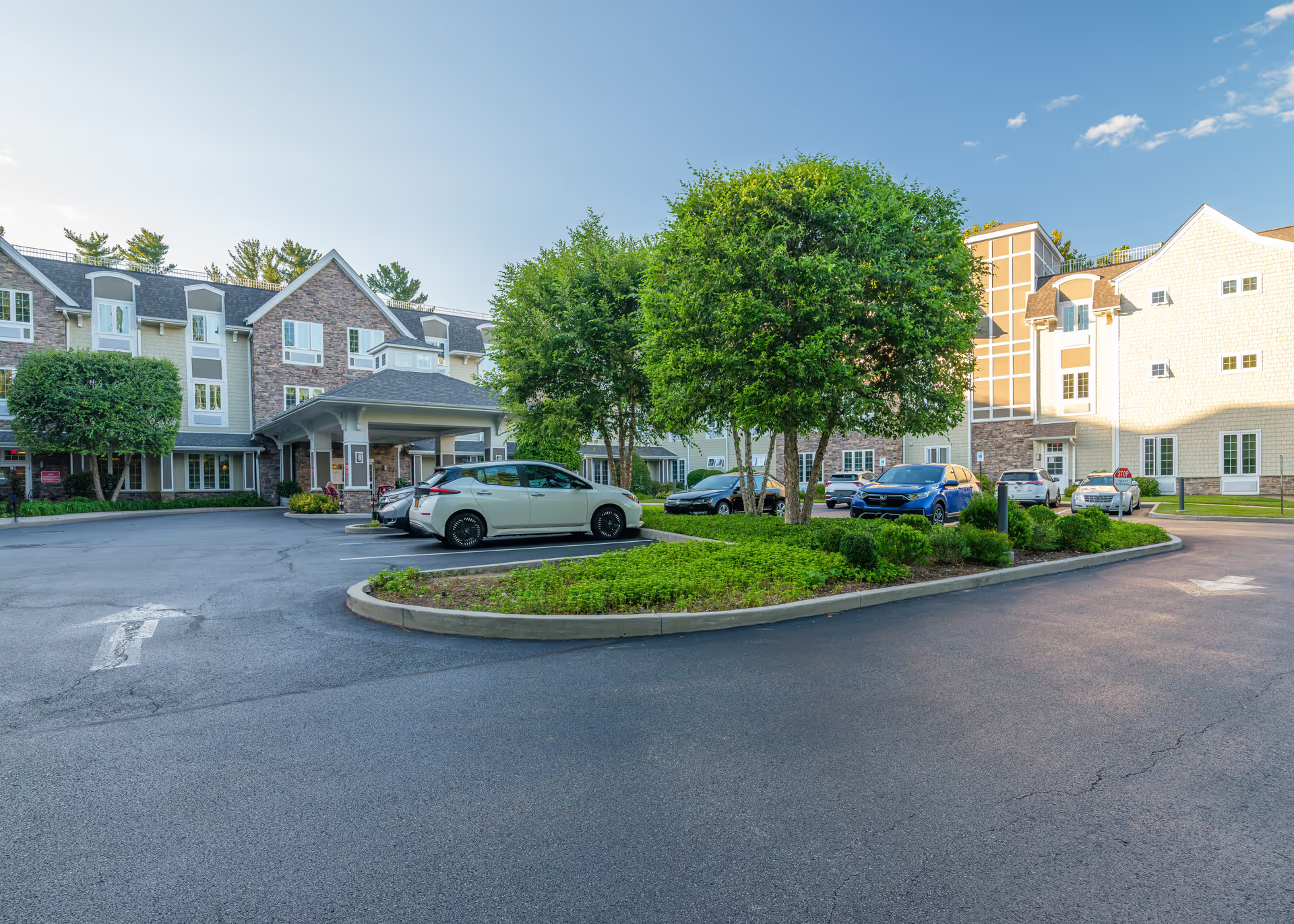
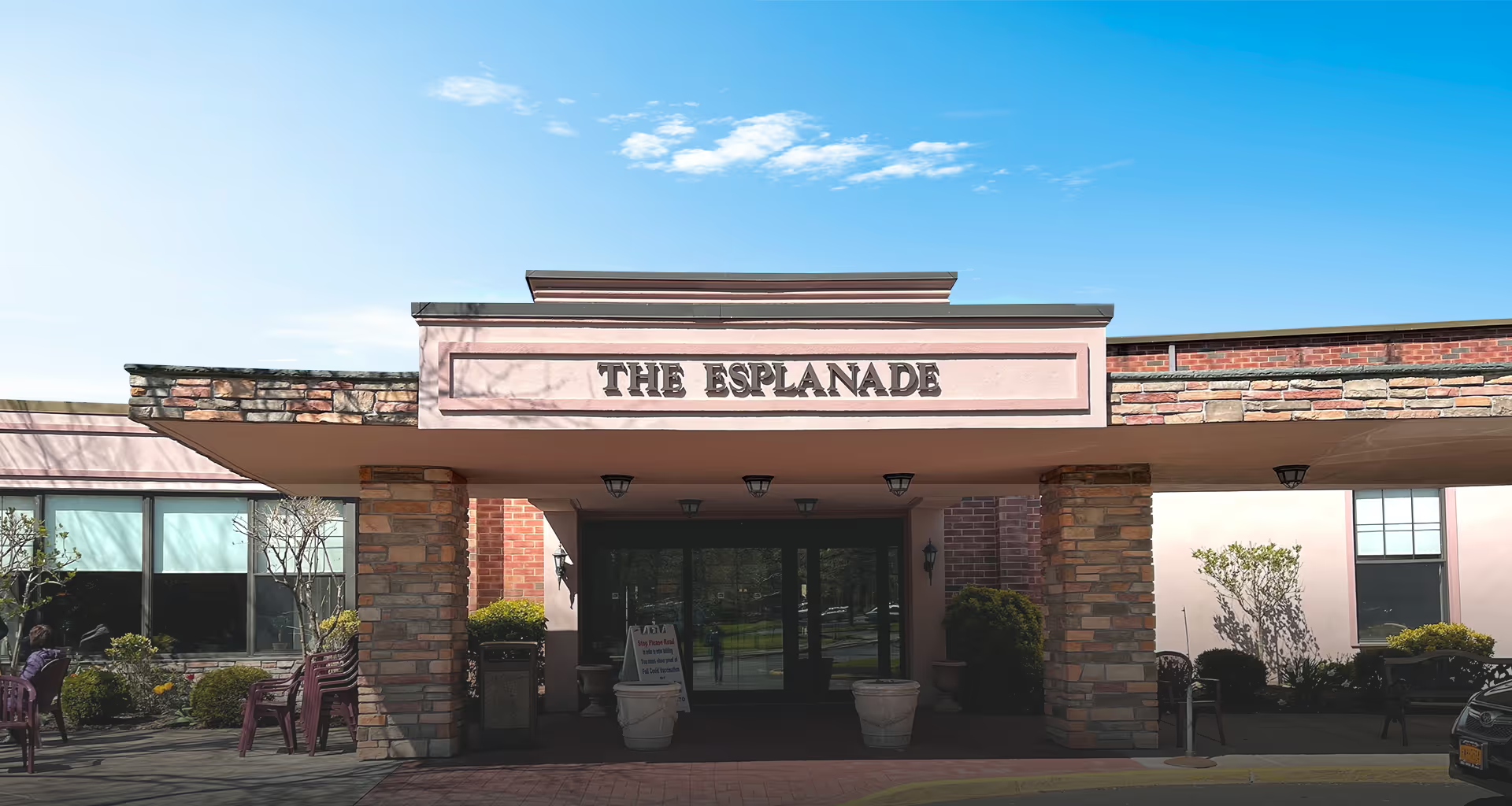
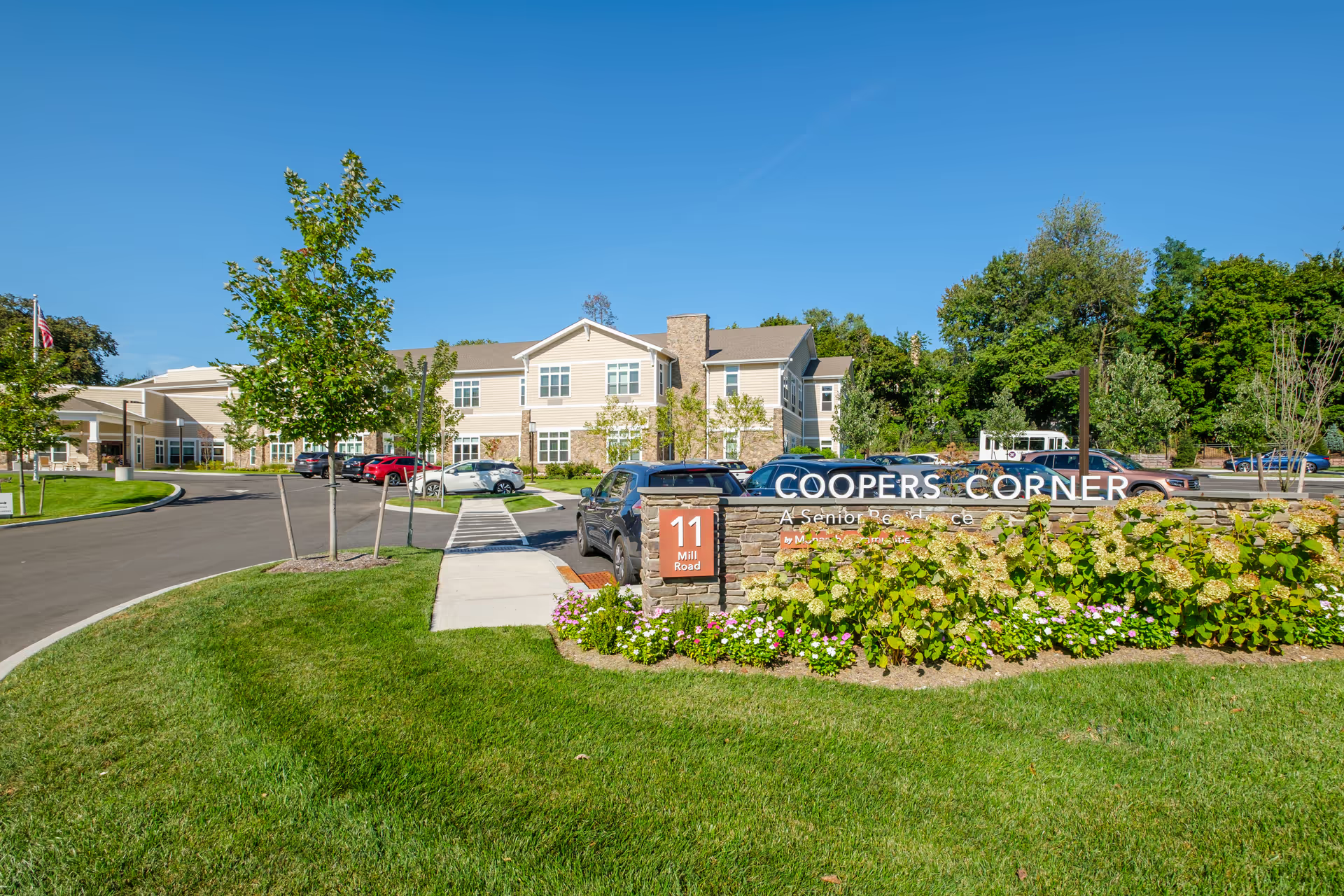
The Chelsea at Greenburgh presents as a modern, well-appointed senior community with many features families value: a new, bright physical plant, attractive common spaces, easy access to outdoor gardens, an on-site theater and arts amenities, and convenient proximity to medical services. Numerous accounts praise the dining variety, onsite rehabilitation and therapy, and a broad activities calendar that includes arts and crafts, excursions, movies, and social events. For many residents families the facility improved quality of life, provided smooth onboarding, and delivered attentive, compassionate day-to-day caregiving.
Staff quality and leadership receive mixed but often positive comments. Several families describe direct-care staff as warm, patient, and personally attentive, and they cite accessible leadership and timely communication in many cases. Maintenance and housekeeping are frequently noted as responsive, and the community atmosphere is commonly described as social and engaging. The therapy and rehab services are highlighted as strengths where present, and some reviewers describe notable health and functional improvements under the facility’s clinical teams.
Alongside positive impressions there are recurring operational concerns that prospective families should evaluate. Staffing consistency and turnover are cited as an issue that can affect continuity of care; some accounts indicate limited RN coverage and associated gaps in clinical oversight. Communication and follow-up with families are uneven in some experiences, and there are specific sanitation and incontinence-care concerns reported in portions of the facility. Memory-care capability appears variable: while some families praise compassionate memory-care programming, others indicate the facility may be reluctant to accept or manage residents with higher-acuity dementia or certain behavioral and mobility risks.
Admissions and administrative processes are another area of variability. Critics describe a complex admissions experience, questions about acceptance decisions for higher-risk residents, and uncertainty around deposit and refund handling. A smaller number of accounts raise serious operational questions such as medication-handling concerns and incidents that respondents felt were not escalated appropriately; these descriptions merit direct inquiry during tours and pre-move conversations. Food service quality is generally praised but occasionally inconsistent according to some families, and fall-risk monitoring and resident-safety protocols were identified as potential improvement areas.
Recommendations for prospective residents and families: tour the community during multiple times of day, meet the nursing leadership and ask about 24/7 clinical coverage and staffing ratios, review the memory-care admission criteria and care capabilities for higher-acuity needs, request written policies on incident reporting and communication with families, clarify admissions contract and refund terms, and ask for recent inspection and staffing records. The Chelsea offers strong environmental and programmatic assets, but operational consistency and clinical oversight appear variable enough that individual due diligence will help align expectations with needs.