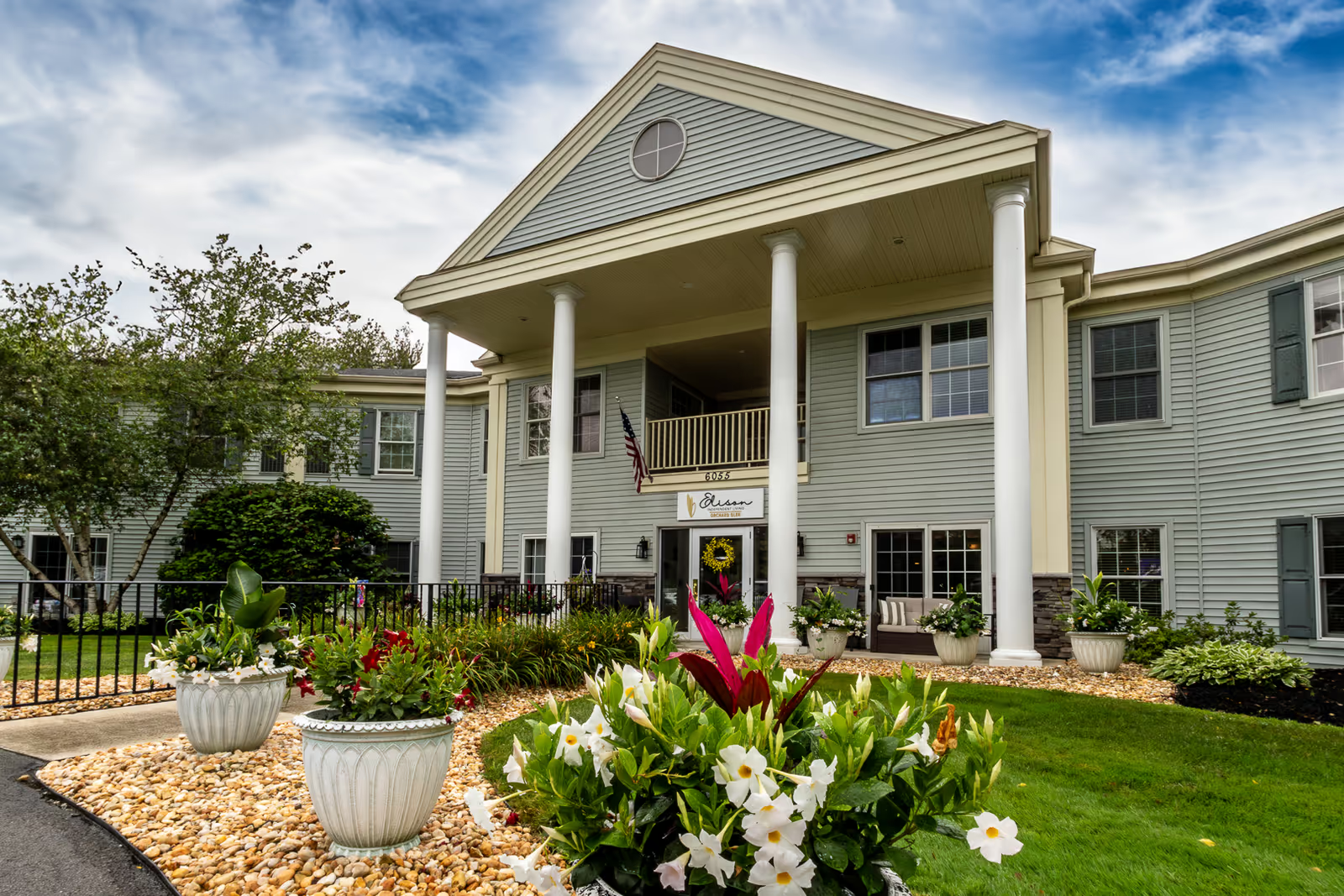
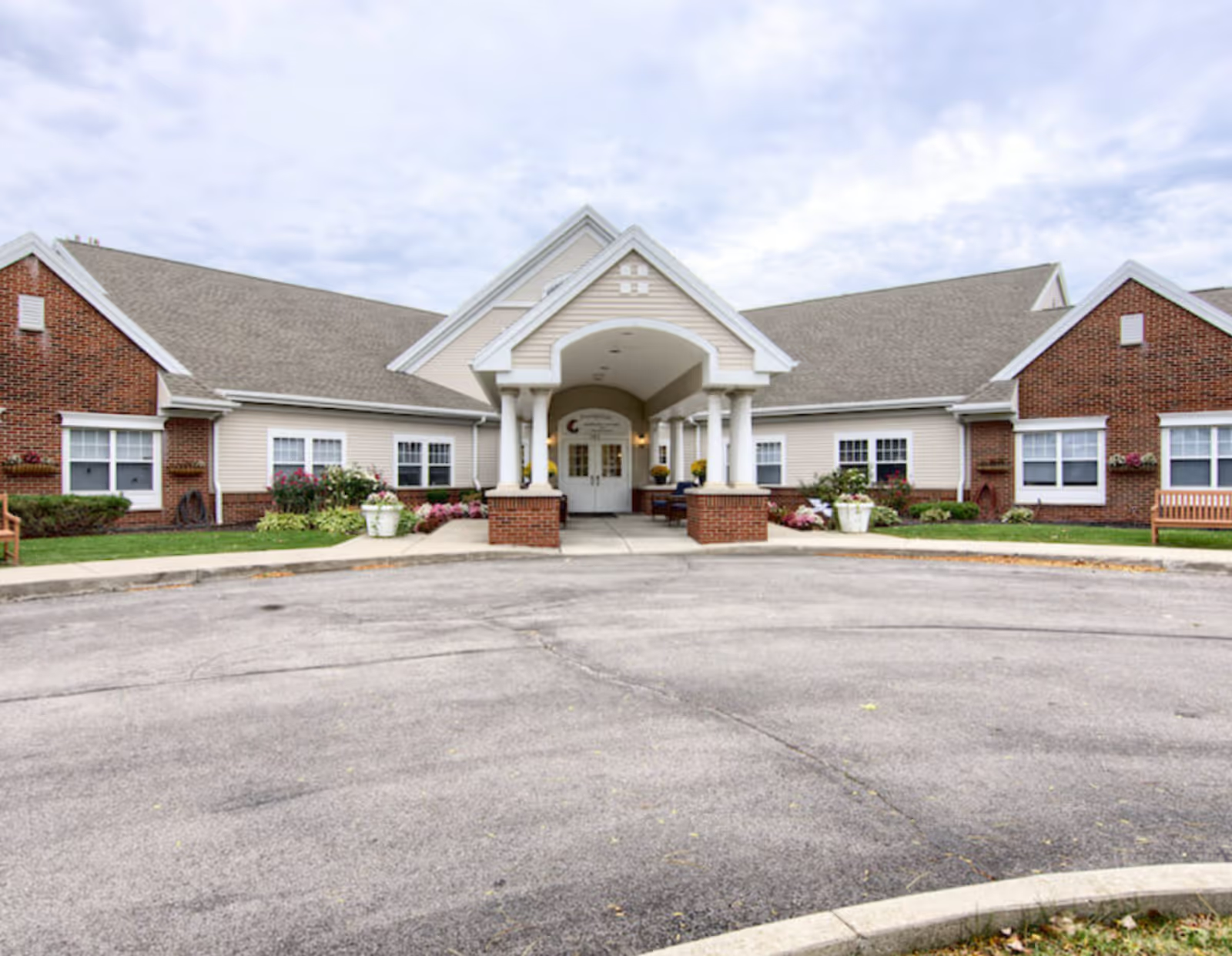
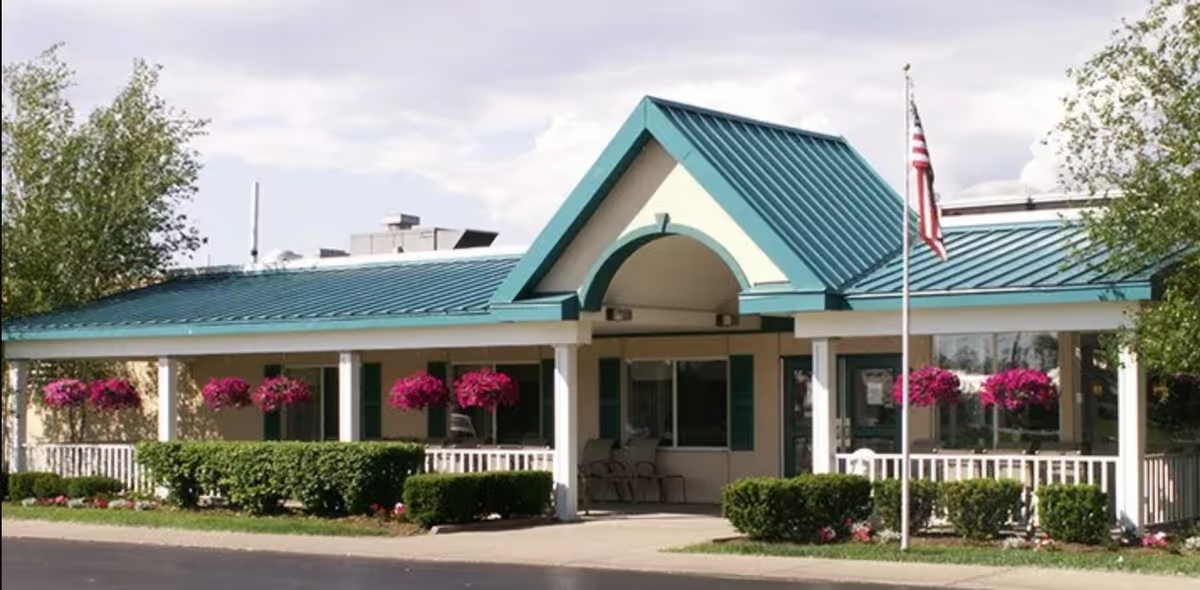
The reviews present a mixed picture of The Courtyards Adult Care. Many families praised the caregiving and nursing staff for being kind, attentive, and competent, and several reviewers described regular family visits and a generally comfortable environment. The facility offers a range of room types (one- and two-person options), multiple dining areas, an interior courtyard, on-site salon, and well-maintained common spaces. Dining and nutrition were commonly described as strengths, and the activity program is broad, with ceramics, bingo, exercise classes, church services, card games, and off-site van outings supported by a large activity room.
Care quality and staff conduct are areas with divergent reports. Positive accounts emphasize compassionate care, good nutrition, reliable medication administration, and skilled nursing. However, other accounts raise concerns about inconsistent responsiveness, communication breakdowns with families, and staff conduct during emergencies. Operationally, reviewers identified gaps in supervision for residents at risk of wandering and limitations in monitoring and emergency response that could affect residents with cognitive impairment. There are also recurring concerns about medication-management practices and documentation clarity.
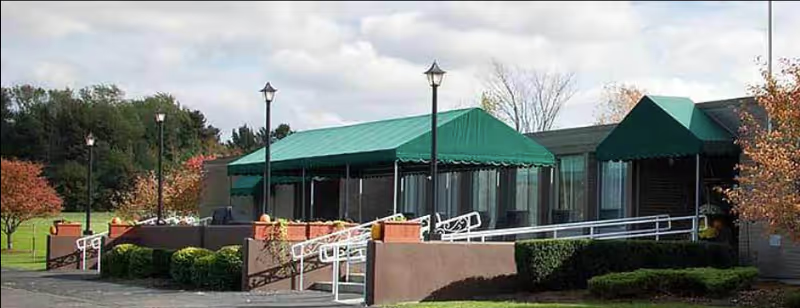
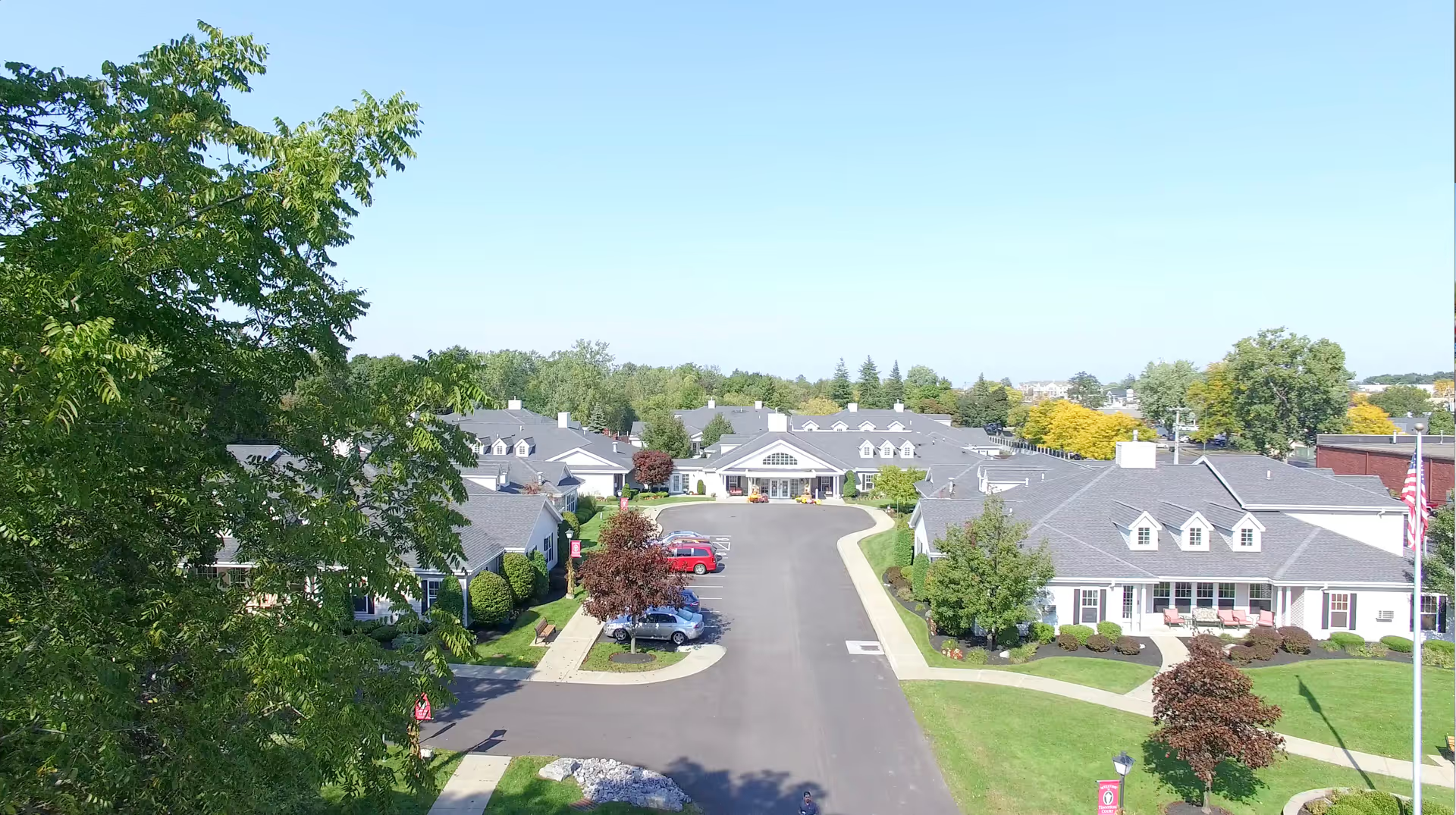
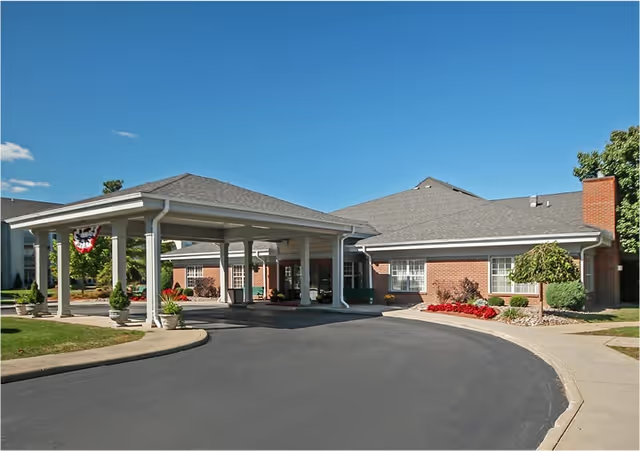
Facility attributes combine strengths and limitations. The building is described as older but generally clean and maintained; outdoor walking grounds and an interior courtyard are appreciated. At the same time, the aging physical plant creates accessibility challenges (for example, stair access in some areas) and may limit certain safety or monitoring upgrades. The activity and dining infrastructure — multiple dining rooms and a large activity space — are notable positives that support resident engagement.
Management and operational patterns were another area of mixed feedback. Several reviewers described staffing challenges exacerbated by infection-control pressures, and some expressed that staffing instability and scheduling expectations put strain on employees. There are also criticisms of management communication and oversight, including concerns about incident response, family communication after serious events, and internal controls around financial and legal procedures; some families raised allegations related to financial motives and an unauthorized change in power-of-attorney documentation. These are serious concerns that reviewers felt were not always resolved to their satisfaction.
For prospective residents and families: consider confirming current protocols around supervision and wandering-risk monitoring, staffing ratios and contingency plans, medication administration and documentation practices, emergency-response procedures, and safeguards for financial and legal decision-making. Visiting the facility during activity times and mealtimes and asking for references from families whose loved ones have similar care needs (for example, dementia) can help assess whether the facility’s strengths align with your priorities.