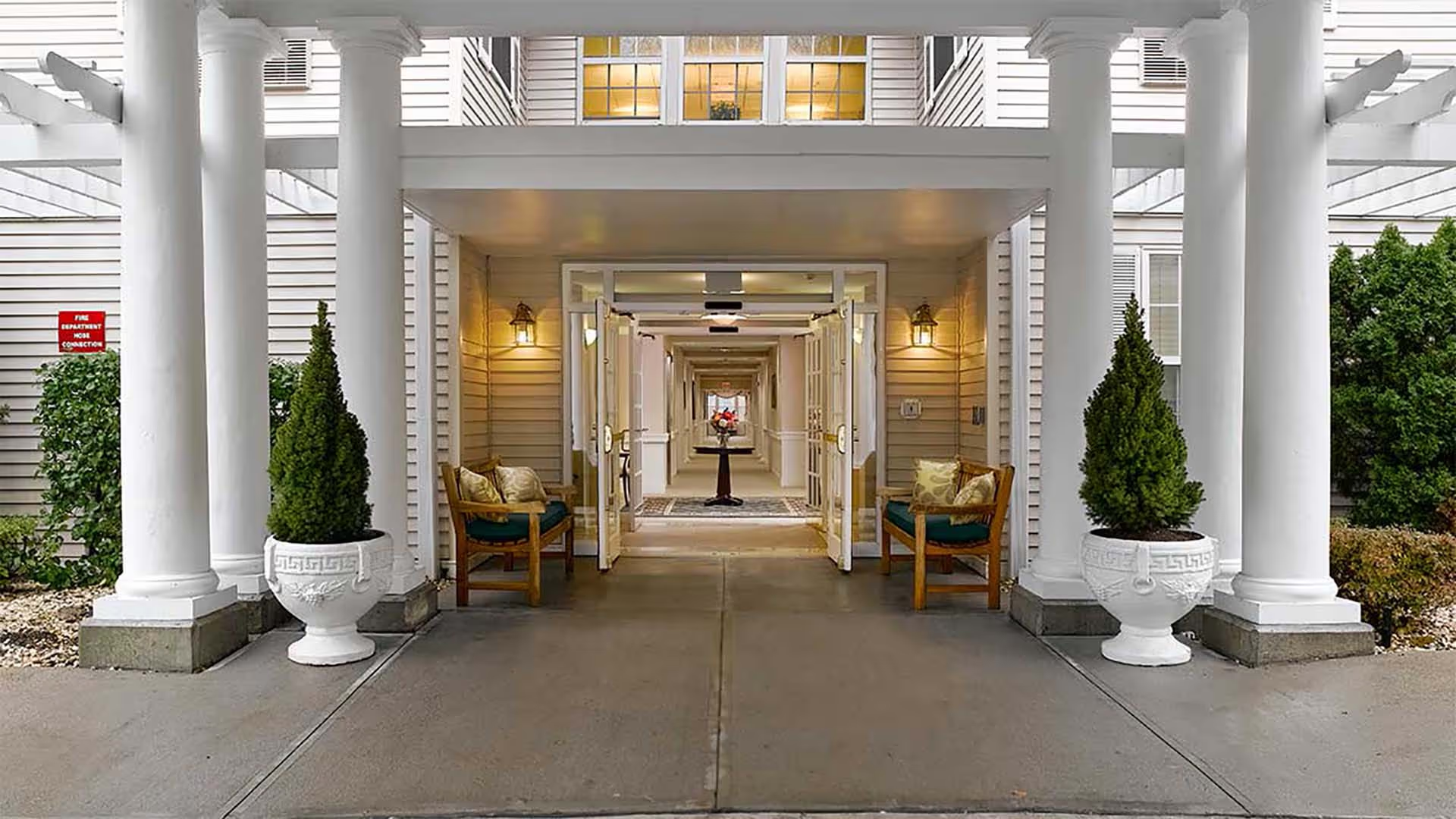
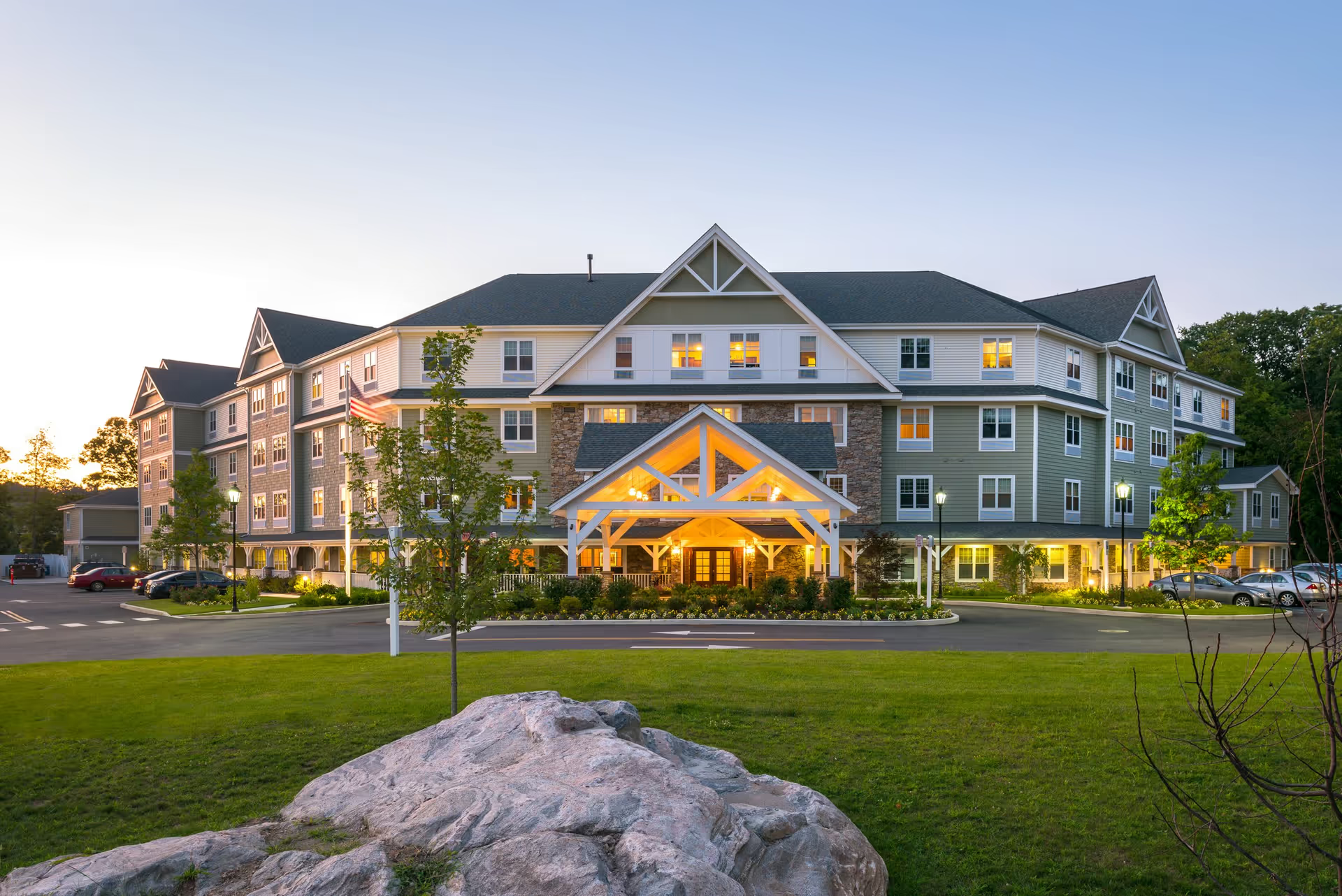
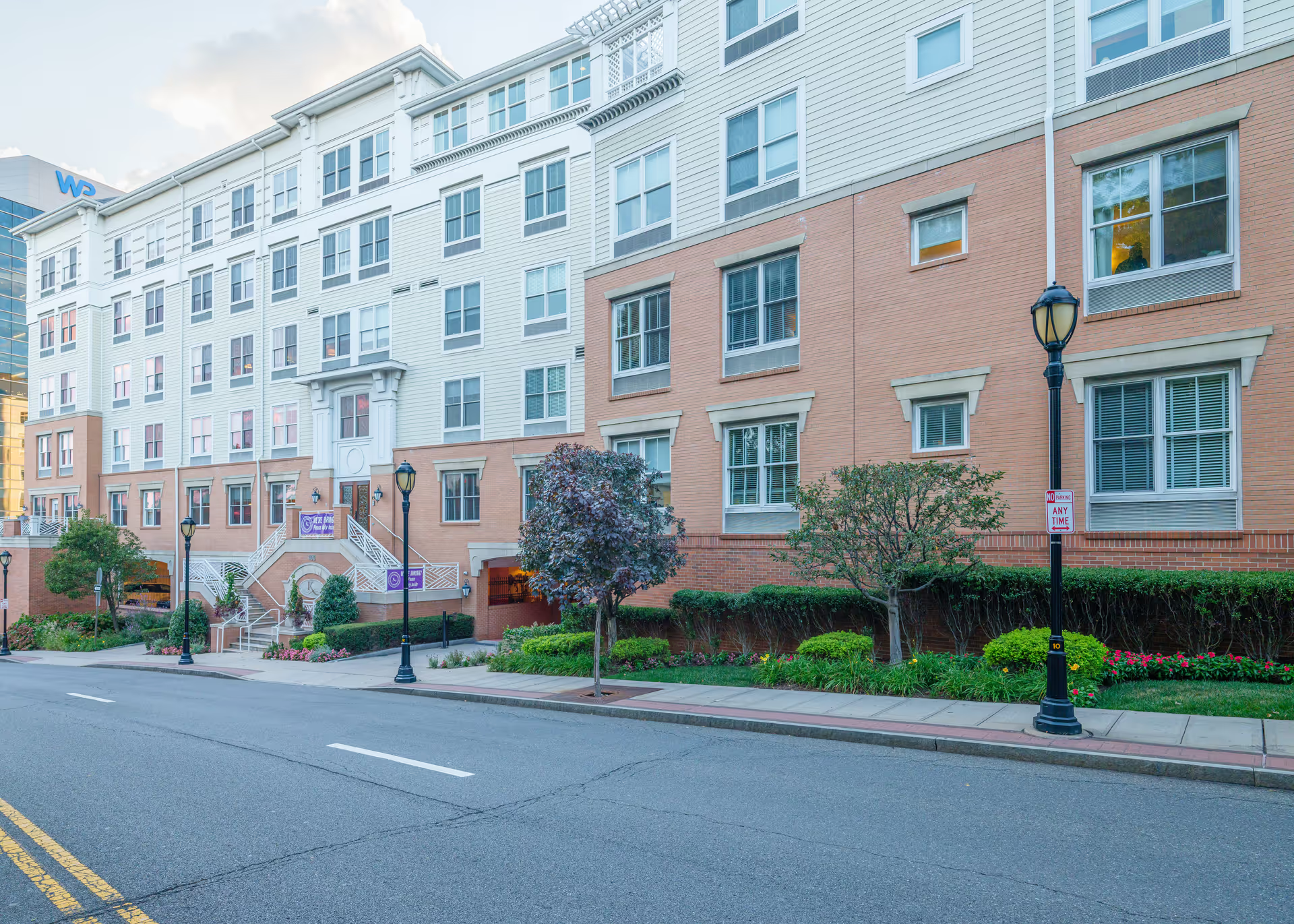
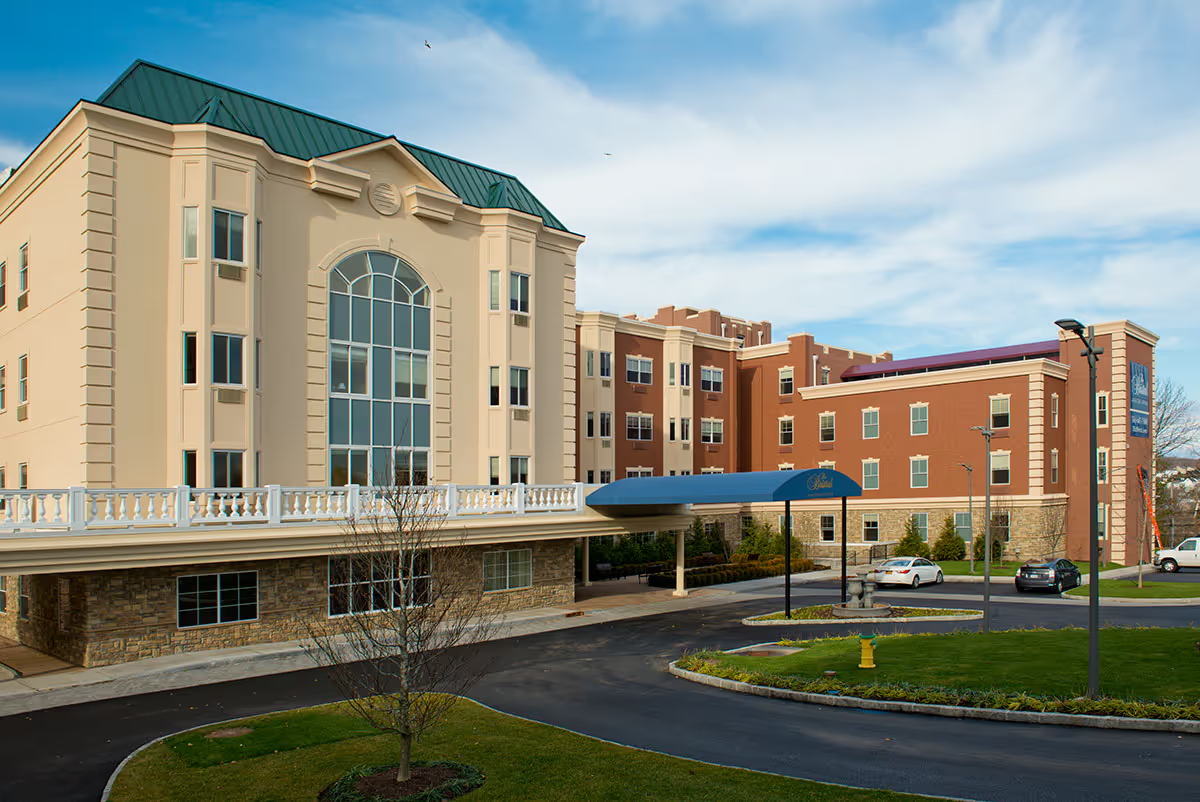
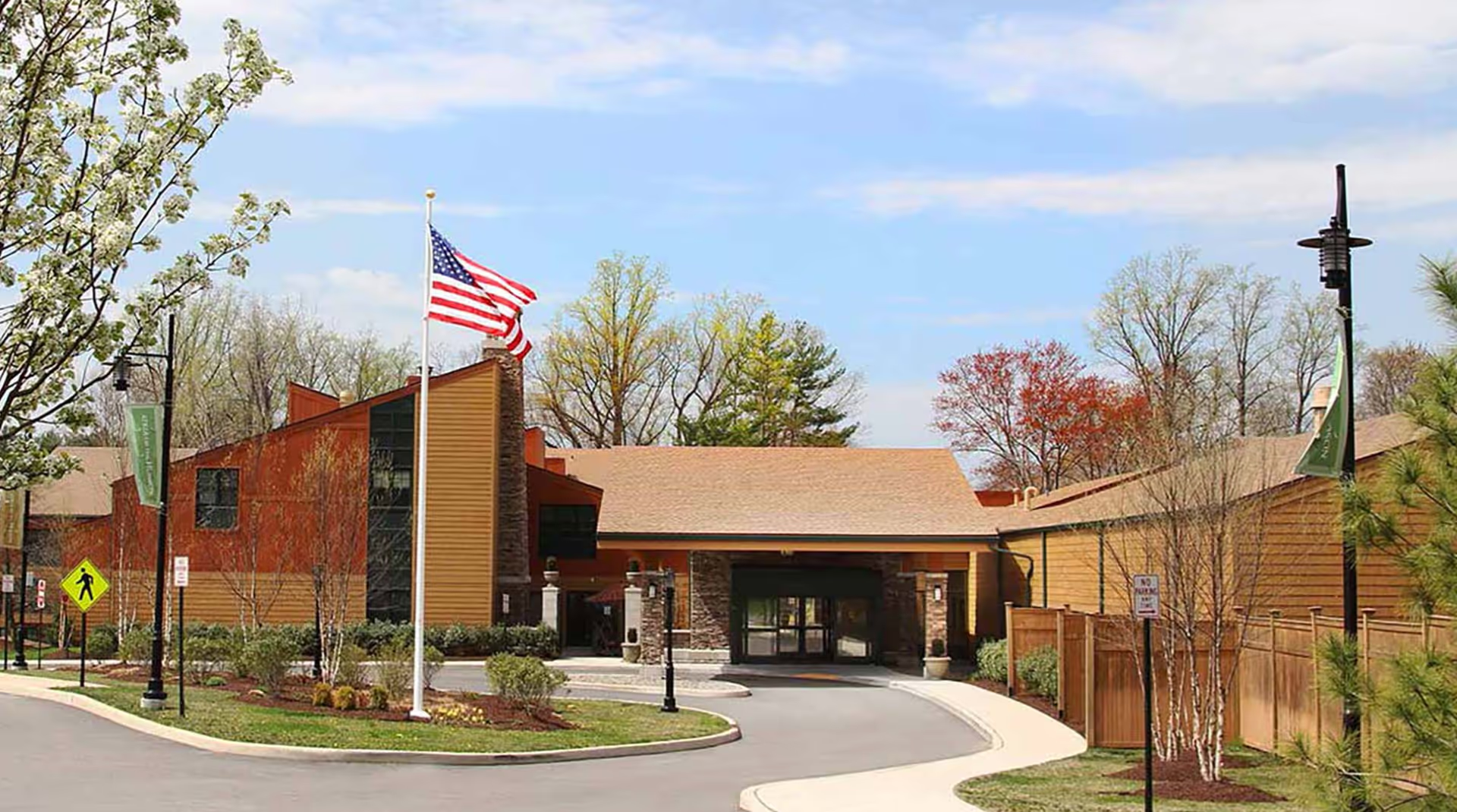
Rosary Hill Home is commonly described as a small, faith‑based residential care setting with a strong emphasis on compassionate, dignity‑focused end‑of‑life support. Reviewers consistently praise the caregiving team — including the Dominican Sisters and nursing staff — for bedside presence, attentive personal care (grooming, bathing, fresh linens), and a spiritual atmosphere that many families found comforting. The facility’s cleanliness and maintenance are frequent highlights; descriptions emphasize bright, large rooms, well‑kept grounds, and inviting outdoor spaces that support a calm environment for residents and visitors.
Clinical- and comfort‑care strengths include attentive hospice and palliative support, family‑centered communication, and evident staff commitment during a resident’s final hours. Many accounts note proactive communication from staff, accommodation of visitors, and efforts to include families in care decisions. The spiritual orientation of the home is a core aspect of the experience; pastoral care, prayer support, and inclusive spiritual attention are reported to be available to residents regardless of personal faith identity.
Activity offerings are modest but appreciated: reviewers mentioned weekly live music, planned social activities, therapy‑dog visits, and outdoor opportunities that contribute to an uplifting atmosphere. There is less detailed information about formal dining — reviewers frequently comment on hydration and feeding support in the context of personal care but provide limited commentary on regular menu quality or dining‑room service. Prospective residents and families may wish to request sample menus and dietary accommodation details when evaluating the facility.
Operationally, the most commonly inferred limitations concern clinical coverage and medication management. While nursing staff and attendants receive strong praise, there are indications of inconsistent pain‑management practices and limited on‑site physician presence; one serious allegation of inadequate pain control at end of life appears among the reviews and should prompt direct questions about current medication protocols, physician or advanced‑practice coverage, and after‑hours clinical response. Additionally, the facility’s donation‑dependent funding model may be relevant to families assessing available resources and service scope.
Overall, Rosary Hill Home presents as a clean, serene, and spiritually oriented residence with notable strengths in compassionate, family‑inclusive end‑of‑life care and environmental upkeep. For a balanced evaluation, prospective residents and families should verify clinical coverage (including regular physician/APRN availability and pain‑management protocols), ask about staffing ratios and after‑hours response, and review dining menus and dietary services to ensure they meet individual needs.