The reviews for this facility are markedly mixed, with clear patterns of both strong clinical strengths and notable operational weaknesses. Many families highlight the facility’s rehabilitation services and therapy teams as strong points: skilled therapists, effective progress in stroke and mobility recovery, and a rehabilitation department described as dedicated and knowledgeable. Several reviewers singled out nurses and specific staff members as compassionate, attentive, and clinically capable; these staff members are credited with meaningful improvements in residents’ function and well-being.
At the same time, a substantial set of operational concerns recurs across reviews. Staffing inconsistency and apparent understaffing are frequently linked to long waits for assistance, slow call-bell response times, and delays in basic care tasks. These staffing gaps appear to correlate with other problems such as incontinence-care timing issues, inconsistent bathing and personal care schedules, and uneven attention to wound and oxygen needs. Medication-administration and clinical documentation weaknesses are also a pattern: reviewers described missed or incorrect doses, concerns about medication adjustments, and at least one serious incident involving vascular-line management. Use of the word "allegations" applies to a small number of reports that raised concerns about medication-related functional decline; these should prompt direct inquiry during any prospective visit.
Dining and nutrition are another area of variability. Some families praised the food and social dining experience, but others described poor meal quality, inadequate mealtime assistance (including missing adaptive utensils), and consequential weight loss for some residents. Recreational programming and social activities generally receive positive notice: organized activities, bingo, live music, and proactive scheduling of visits and video calls by recreation staff and social work were frequently mentioned as strengths that improve resident quality of life.
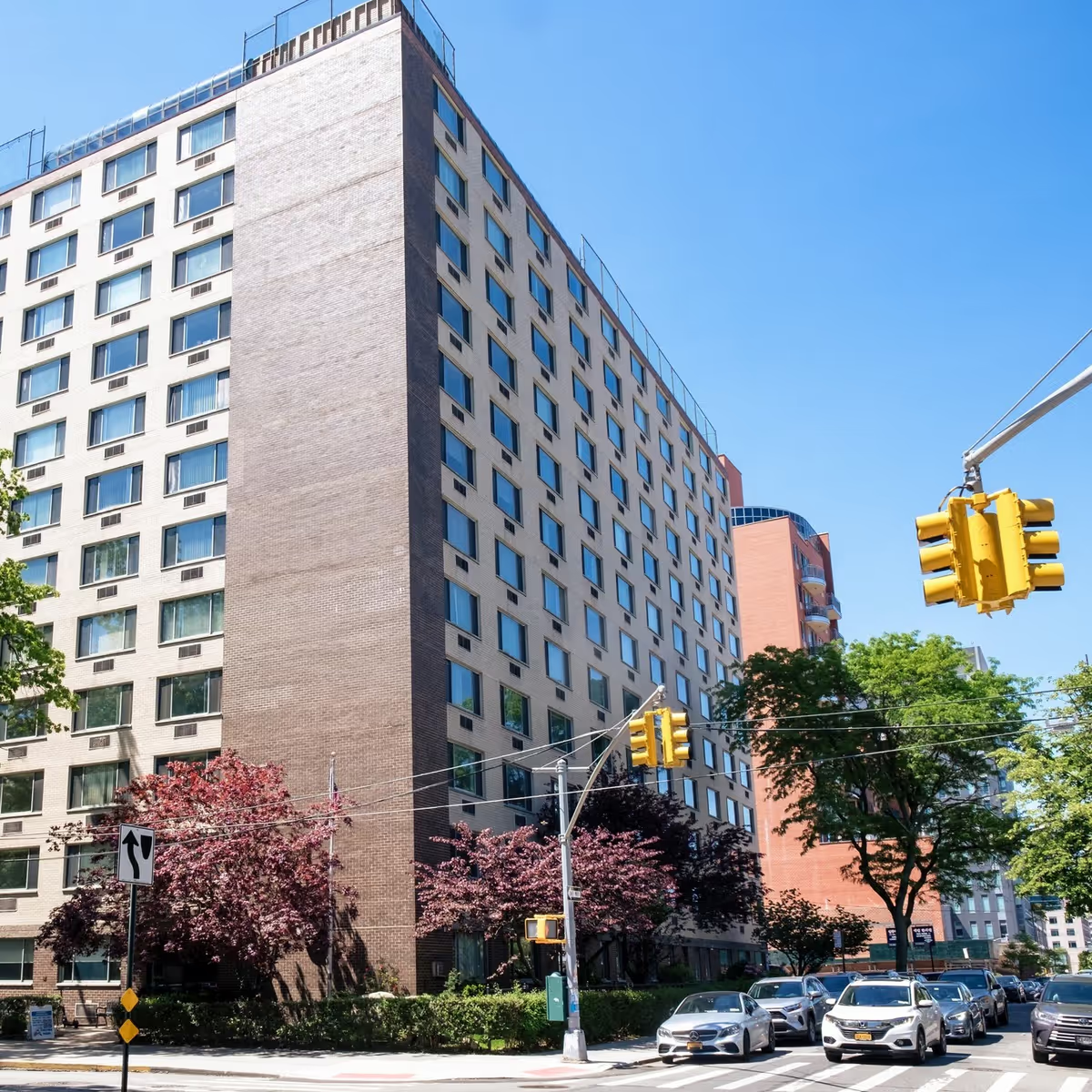
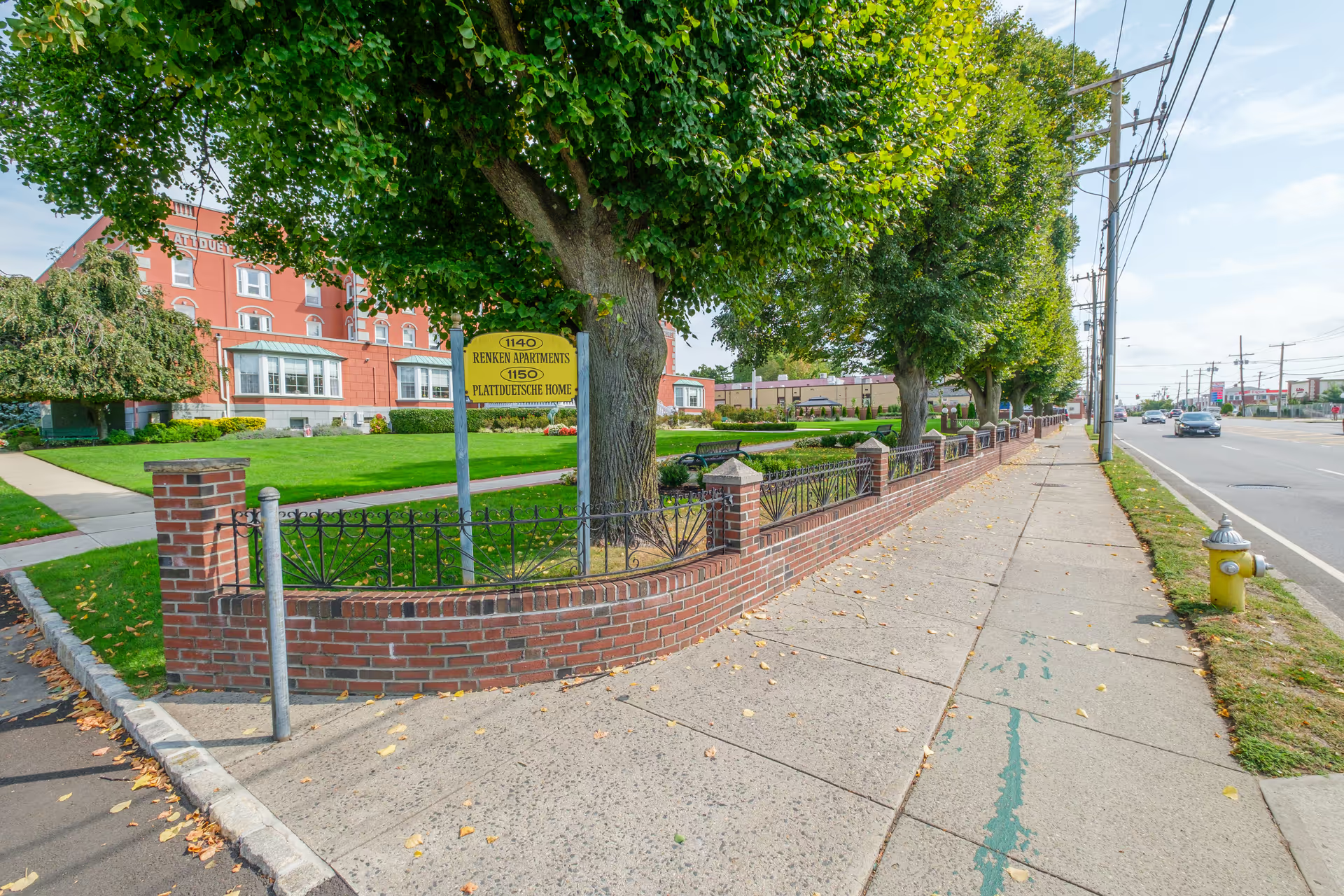
Facility and environmental issues are mixed. Several reviewers described clean, well-organized areas and strict infection-control practices in parts of the building, while others reported sanitation concerns in resident rooms, inconsistent linen and laundry handling, construction disruption, and outdated equipment in some units. Room configurations vary (including shared four-person rooms), and some families expressed frustration with room upkeep and limited privacy.
Management and communication present another contrast. Some families praised admissions staff, the administrator, and the director of nursing as personable and helpful. Others described inconsistent leadership, poor responsiveness to complaints, unstaffed front desks or unanswered phones, and lack of follow-through on family concerns. These discrepancies suggest variability across shifts or departments rather than a single uniform culture.
Notable patterns for prospective families: the facility demonstrates clear clinical and rehabilitation strengths but also shows operational fragility in staffing, medication control, and housekeeping in certain areas. When evaluating this facility, families should ask about current staffing ratios and call-response metrics, medication-administration protocols and documentation, laundry and linen schedules, meal-assistance plans, and how management handles complaints and communication. A focused tour that includes observation of mealtimes, a check of a typical resident room (including grab-bar availability and restroom setup), and conversations with therapy and nursing leaders can help clarify whether the aspects praised in many reviews are consistently in place for a prospective resident.