The Grand Rehabilitation and Nursing at South Point elicits strongly mixed but thematically consistent impressions. Many families and patients praise the clinical and therapeutic teams: nurses, CNAs, and therapists are frequently described as compassionate, attentive, and effective in producing measurable rehab gains. The social work and concierge/front-desk staff are commonly singled out for proactive family communication, coordination of appointments and transportation, and facilitation of visits and activities. Several accounts describe positive end-of-life support and personalized attention from named staff, and the facility's security presence and COVID-testing practices are noted as contributing to a sense of safety.
Care quality is generally characterized by strong short-term rehabilitation outcomes and individualized attention from therapists and nursing staff. However, reviews point to variability in how care is delivered across shifts and units. Recurring themes indicate inconsistent staffing levels and retention issues that can affect responsiveness, medication administration practices, and timely clinical coordination (for example, imaging or specialty consults). A subset of families reported delays in clinical response and concerns about how certain clinical situations were handled; a few serious individual allegations were also made and merit further inquiry by prospective families and regulators.
Dining and activities are strengths for many residents: meal variety, special-diet accommodations, faith-based groups, salon services, and an active hospitality/recreation program with outings are all positively noted. At the same time, reviewers describe inconsistencies in food temperature and overall meal execution. Activity programming is generally seen as engaging and helpful for morale, particularly when staff participation is strong.
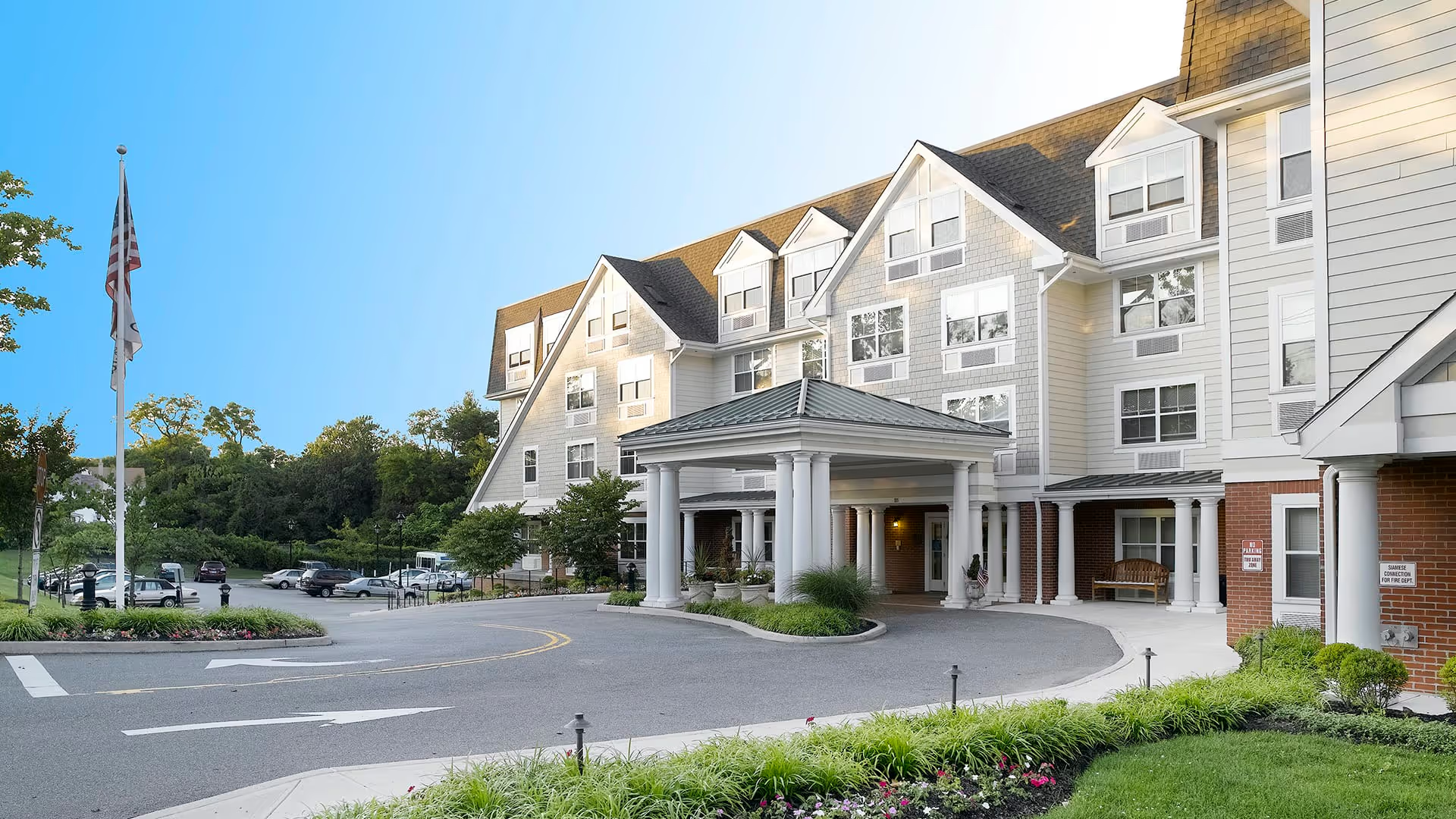
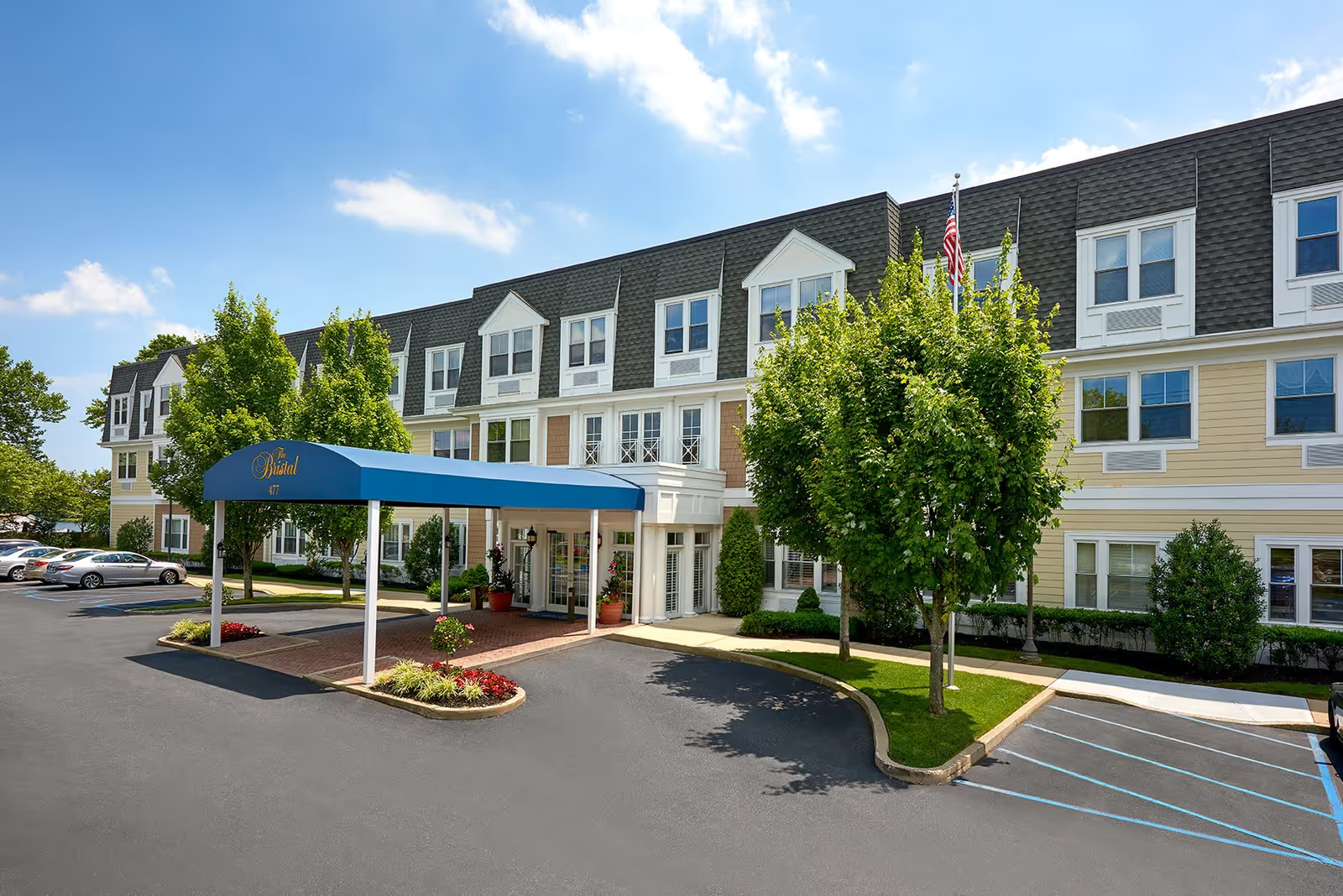
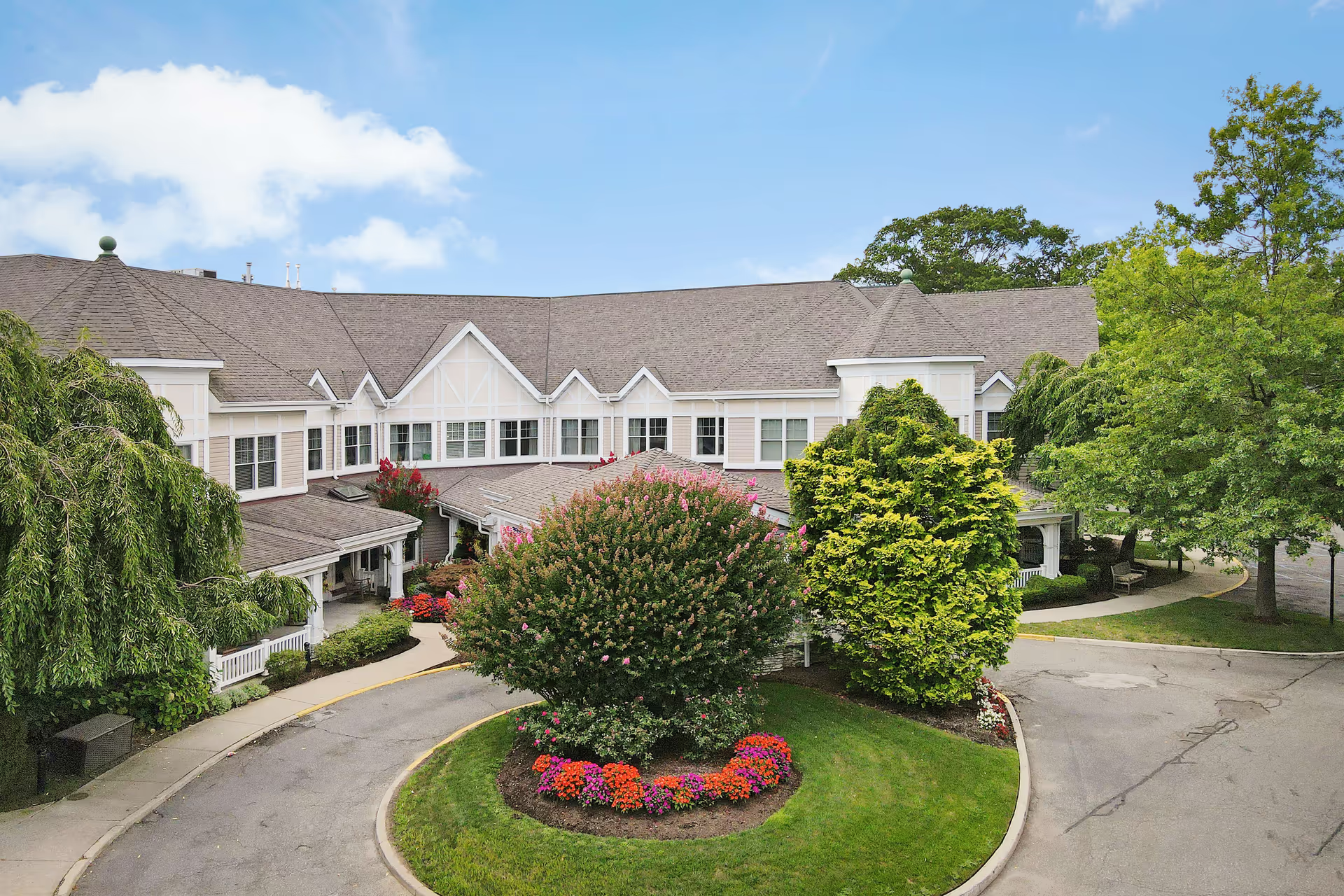
Facility condition and housekeeping show a clear split. The first-floor and certain units are described as clean, well-maintained, and welcoming, while upper floors (notably second and third floors) are repeatedly identified as needing maintenance, environmental upgrades, and improved sanitation. Concerns include housekeeping consistency, pest-control attention, odor in some common areas, and a perception that physical environments are uneven in quality across the building.
Management, communication, and organization draw mixed feedback. Many families appreciate hands-on administrators, accessible leadership, and regular care-team updates; others cite gaps in administrative follow-through, inconsistent documentation in family letters, difficulties with lost clothing or laundry, and perceptions of organizational prioritization. These operational weaknesses appear linked to staffing turnover and process inconsistencies rather than a uniform absence of oversight.
Notable patterns for prospective families: the facility can deliver high-quality rehabilitation and deeply compassionate care when staffing and leadership engagement are present, but there is variability by unit, shift, and leadership continuity. Key areas to evaluate in a tour or intake conversation include current staffing ratios and turnover, specific unit condition, dining procedures for temperature and diet adherence, medication-administration protocols, and the facility’s processes for incident notification and family communication. For families weighing placement, corroborate positive examples of therapy outcomes and social-work support while clarifying how the facility addresses the documented operational weaknesses to ensure consistent care.