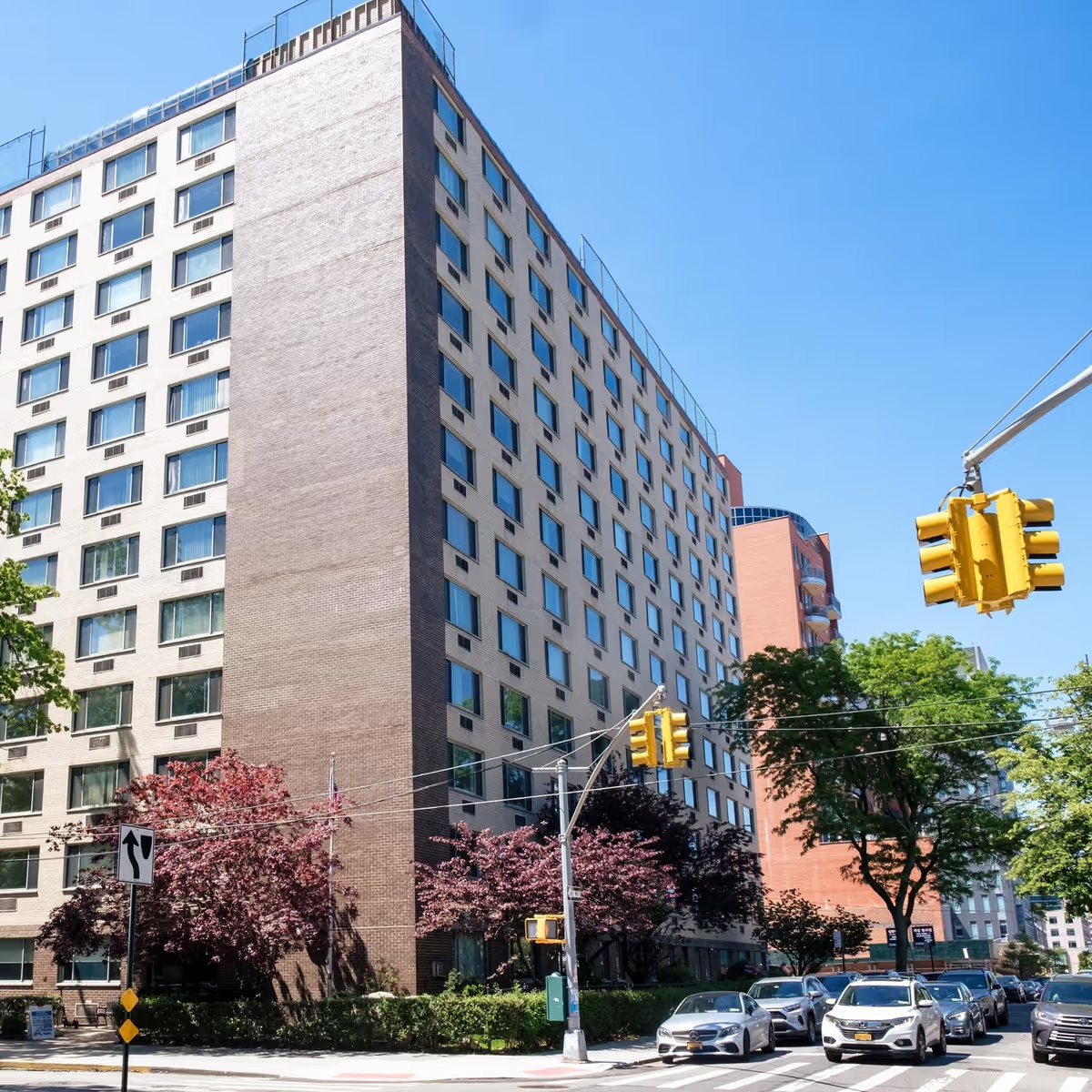
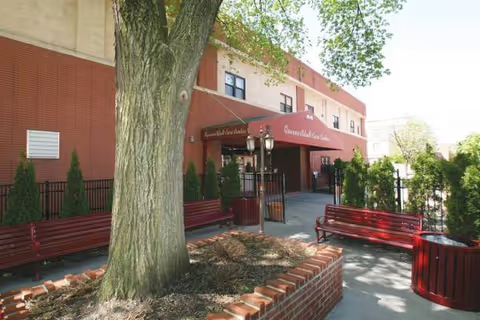
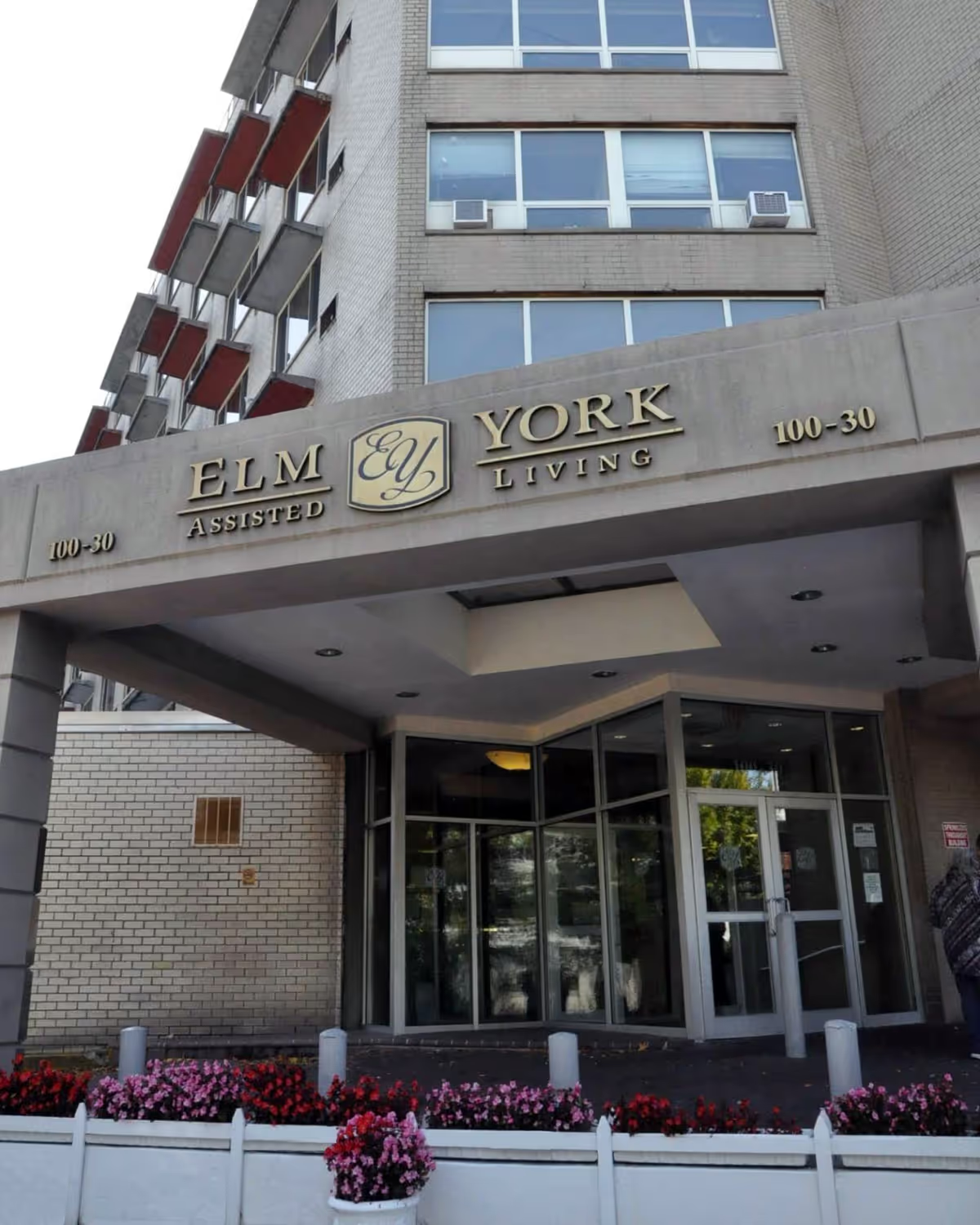
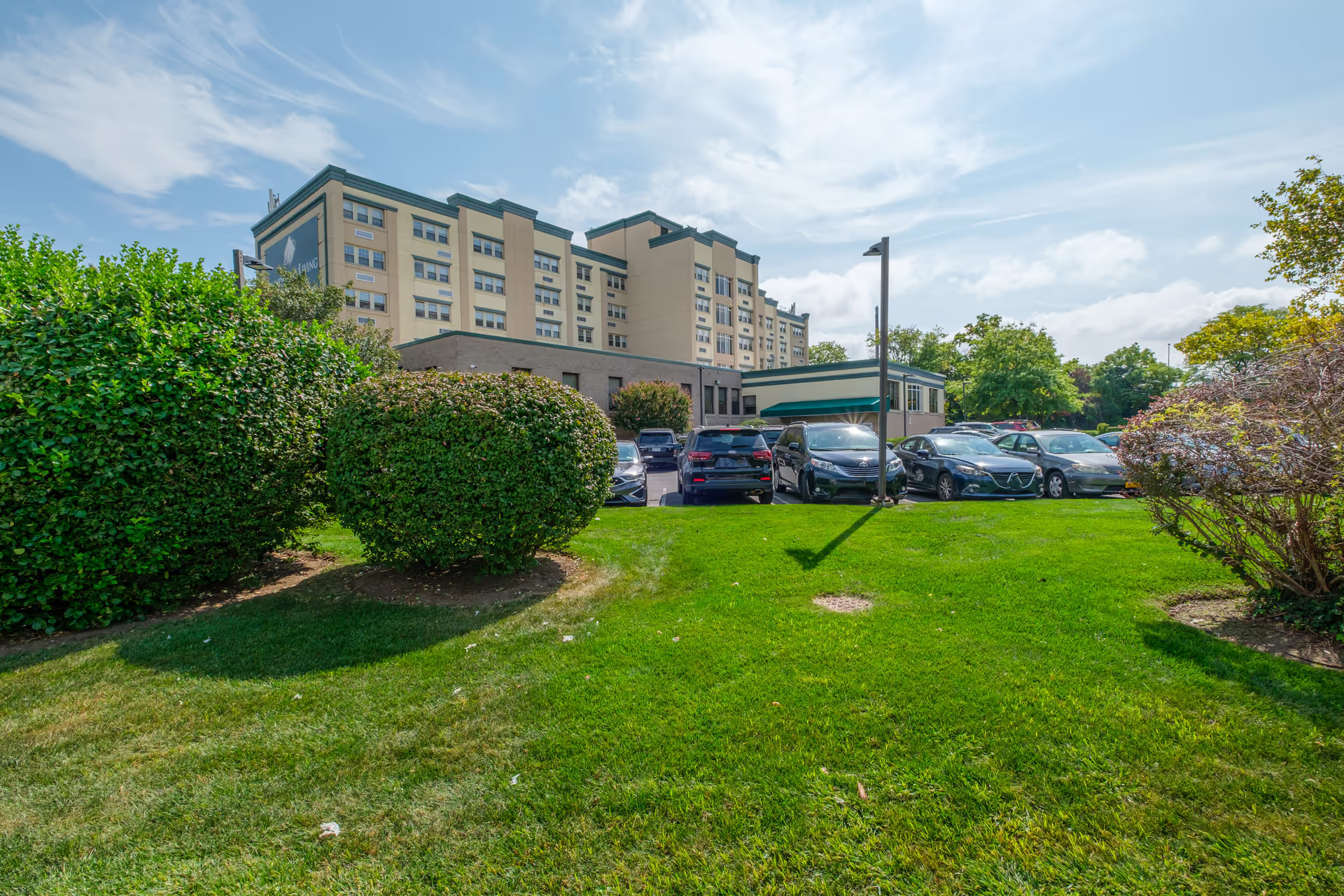
The reviews describe a facility with clear strengths in rehabilitation, direct caregiving, and the physical environment, alongside recurring operational weaknesses that families should weigh during placement decisions. Many accounts emphasize a highly capable rehab team—physical, occupational, and speech therapy staff are frequently credited with measurable recovery progress. Recreational programming, including music therapy, painting, and social activities, receives frequent praise for creating engagement and improving patient mood. The building and common areas are repeatedly described as clean and well maintained, with a well-regarded garden and courtyard that families and residents find restorative.
Care and staffing present a mixed picture. Numerous reviewers commend CNAs, nurses, and select departments for compassionate, attentive day-to-day care; however, others describe variability in clinical oversight, limited physician presence, and staffing shortages that are most apparent at night and on weekends. These staffing constraints are linked to delayed responses to call bells, inconsistent assistance with activities of daily living, and, in some accounts, lapses in hygiene and wound management. Several reviewers cited medication-timing irregularities and at least occasional medication-administration errors, suggesting a need for stronger medication-monitoring processes.
Dining and dietary management appear inconsistent. Some residents enjoyed the meals and culturally specific options (including kosher fare), while many others found meal quality uninspiring and reported problematic meal schedules and choices that were not always appropriate for residents with diabetes or other dietary needs. Families described long gaps between meals and limited snack availability. Food-service continuity and individualized dietary oversight are areas where expectations and experiences diverged.
Communication, management, and administrative processes show a broad range of experiences. Positive interactions with admissions staff, social work, and some administrators were noted, as were smooth coordinated care meetings that included clinical, social-work, and financial staff. Conversely, there are repeated complaints about unreliable phone and voicemail responses, unclear discharge paperwork, and fragmented coordination during transfers. A subset of reviewers raised strong concerns about billing and insurance handling, including allegations of aggressive collection activity; these financial-administration concerns stand out as a distinct pattern that prospective residents should investigate.
Safety, infection control, and maintenance are also mixed. The facility’s front-desk screening and COVID protocols were often praised, and maintenance staff received credit for prompt repairs and cleanliness. Yet other reviews describe sanitation inconsistencies, pest-control concerns in specific units, and occasional equipment or elevator outages that impacted access. Dementia care receives positive marks for programming in some units but also criticism for inconsistent engagement of short-term or cognitively impaired residents and communication difficulties on dementia-designated floors.
Overall, Margaret Tietz Nursing and Rehabilitation Center appears to offer strong rehabilitative services and many compassionate staff members within a clean, well-appointed facility and attractive outdoor spaces. At the same time, prospective residents and families should be aware of recurring operational issues: variability in nursing coverage and clinical oversight, communication and discharge coordination gaps, inconsistent dining and dietary management, and administrative/billing practices that warrant careful review. Where possible, families may want to ask specific questions about nurse-to-resident ratios, medication-safety protocols, dietary accommodations, pest-control procedures, and billing/insurance processes before placement, and to establish regular points of contact to help ensure consistent follow-up.