The reviews of The Silvercrest Center for Nursing and Rehabilitation are strongly polarized: many families and patients describe highly competent, caring clinicians and excellent therapy outcomes, while others describe operational gaps that materially affect safety, comfort, and confidence. The facility demonstrates clear clinical strengths in rehabilitation, wound care, and bedside nursing for many residents, but there are recurring operational and systems-level issues that produce inconsistent experiences across units, floors, and shifts.
Care quality shows a bifurcated pattern. Positive accounts emphasize attentive nurses, helpful CNAs, responsive therapists, and an experienced physician presence; several reviewers credited the therapy teams and the wound-care clinic with meaningful functional gains. Conversely, a substantial set of critiques point to delayed responses to call bells, missed or late medication administration, documentation inconsistencies, and medication-dosing confusion. There are also recurring concerns about the facility’s ability to manage higher-acuity, complex neurological conditions (for example, traumatic brain injury or advanced ventilator care), suggesting that level-of-care limitations should be clarified before admission for such cases.
Staff and conduct descriptions are mixed. Many reviews praise individual staff members by name and describe compassionate, professional interactions that support recovery and dignity. At the same time, reviewers frequently cite understaffing and rushed shifts leading to inconsistent bedside presence, rough or hurried assistance, communication tone issues, and variability in caregiver competence. These workforce constraints appear to drive several downstream problems, including delays in incontinence care, bathing schedules, and supervised feeding.
Dining and nutrition also draw mixed feedback. Several families praised evening meals and specific kitchen offerings, while others noted cold food, portioning problems, and inadequate adherence to diabetic or dietary restrictions. Nutritional supplements and rationing of certain items were mentioned, indicating inconsistent dietary management and the need to confirm special-diet accommodations on admission.
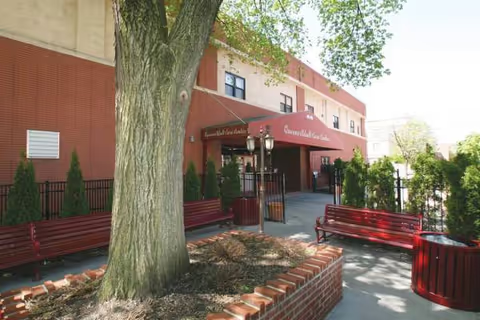
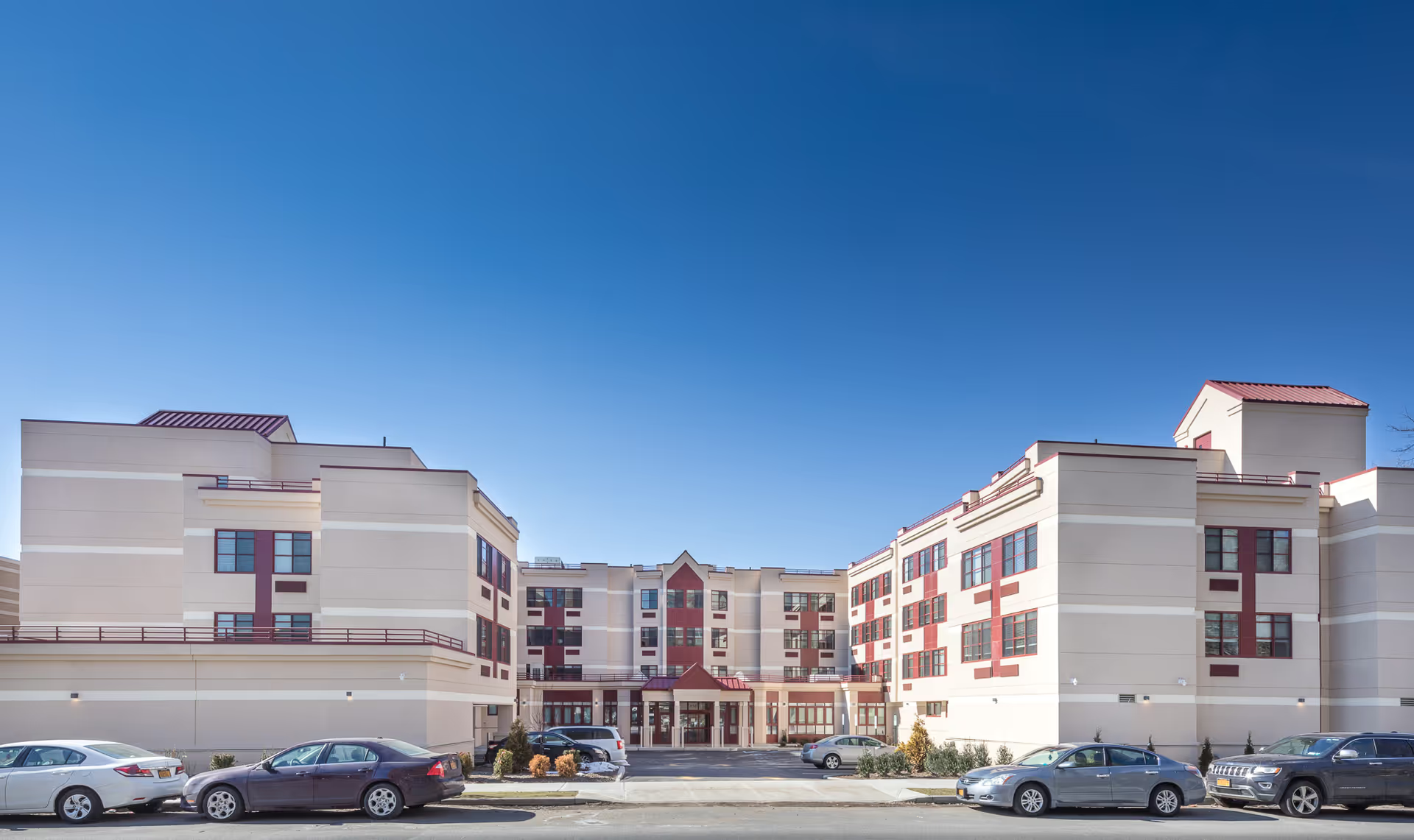
Activities, environment, and facilities vary by area. Positives include clean, renovated sections, secure entry with active security staff, and outdoor/veranda spaces. Room personalization is allowed and appreciated. Negatives include small or crowded rooms on older units, hall obstructions from equipment and visitor traffic, a dowdy recreation area in some parts of the building, and noise issues during visiting hours. Cleanliness-related concerns and sanitation inconsistencies were raised repeatedly—examples include soiled curtains, inconsistent room-turn routines, and odor concerns in some common areas—contrasted with other reports of well-kept rooms and common spaces.
Management and operations are the most frequent themes in critical reviews. Families reported confusing onboarding and visitation procedures, inconsistent discharge and transportation coordination, lost or mishandled laundry/personal items, billing disputes, and limited transparency around infection-control events. There are also serious allegations in some reviews involving theft, safety incidents, and concerns following resident adverse outcomes; these individual claims are significant and warrant direct follow-up with facility leadership and regulators. Across the board, reviewers advised prospective families to verify policies on staffing ratios, medication administration protocols, laundry and valuables handling, dietary accommodations, infection-control communication, and emergency-response procedures before committing to placement.
Notable patterns: quality appears highly unit-, shift-, and staff-dependent. Strengths cluster around therapy services, wound care, certain nursing teams, and administrative staff who prioritize family communication. Weaknesses cluster around systemic staffing shortages, care-response delays, medication and documentation control, laundry/property management, and inconsistent sanitation practices. Prospective residents and families should arrange an in-person tour (including evening and weekend visits), ask specific questions about staff-to-resident ratios, observe mealtime and medication routines if possible, and request written policies on infection notifications, dietary accommodations, and lost-item procedures. For individuals with complex medical needs (TBI, ventilator support, advanced wound needs), confirm clinical capabilities and experience before admission.