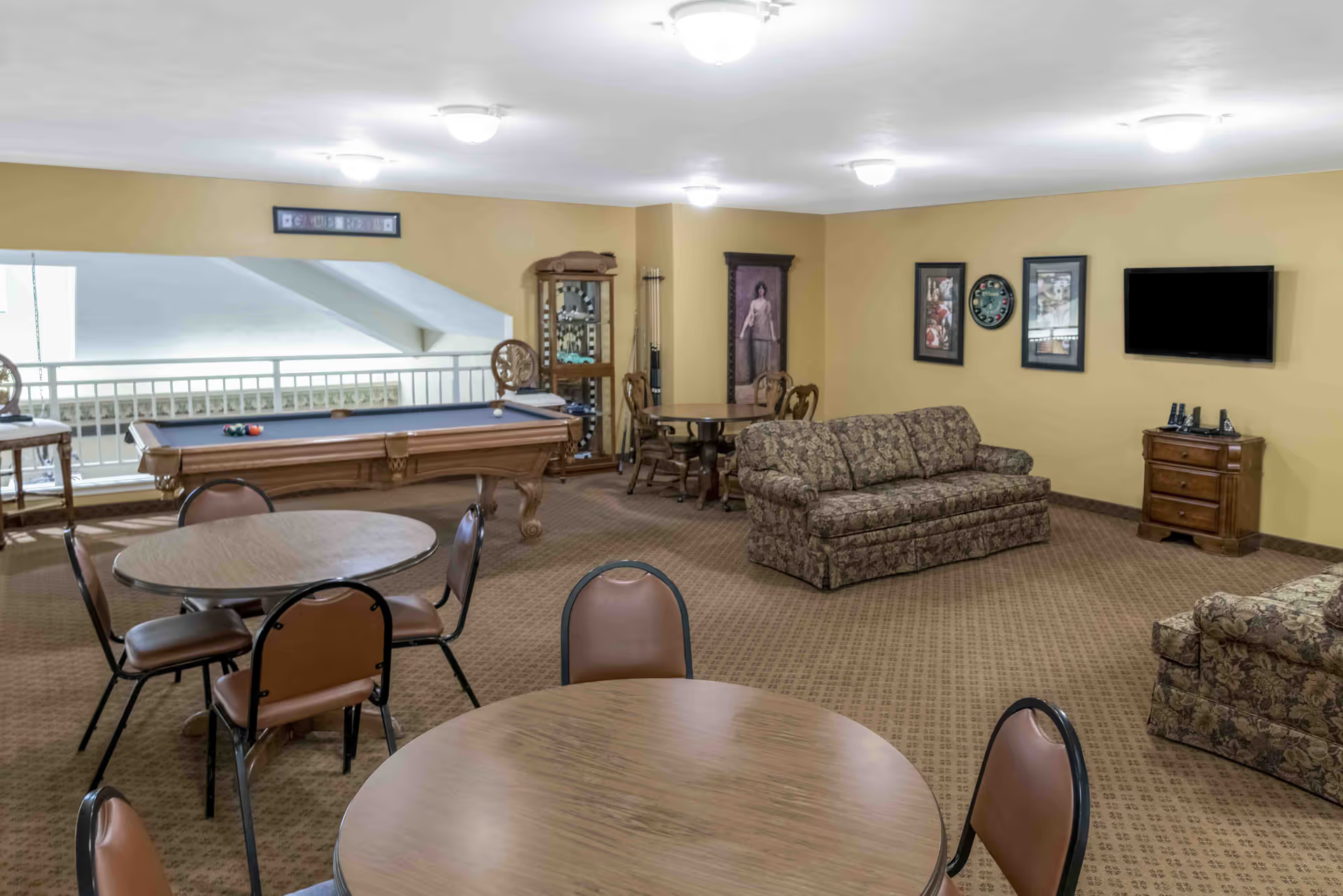
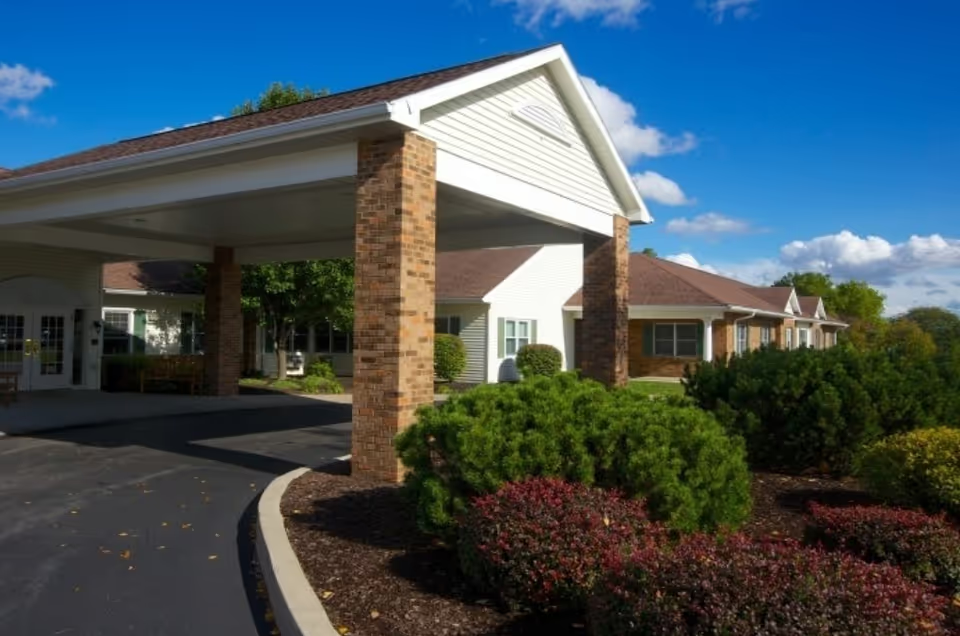
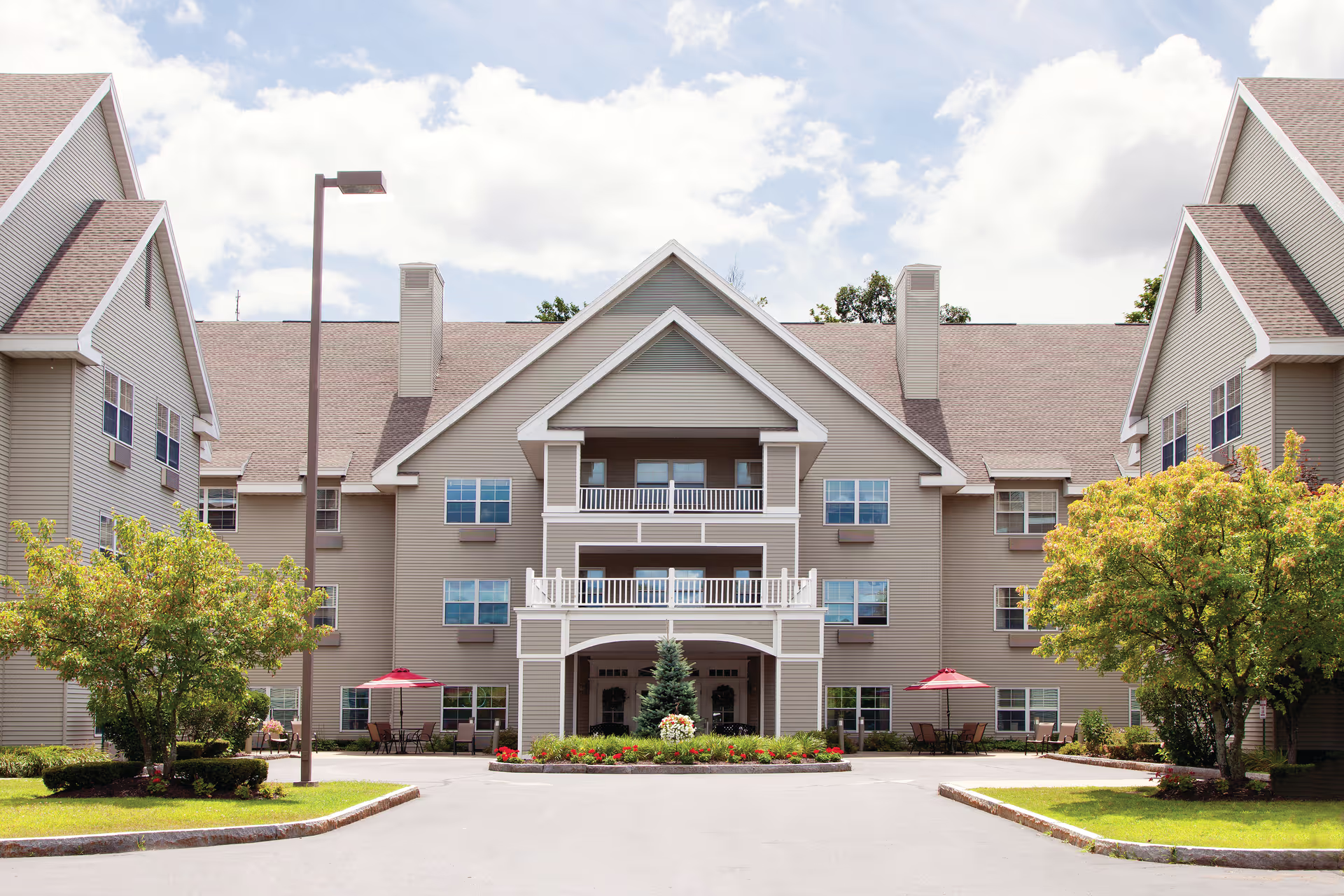
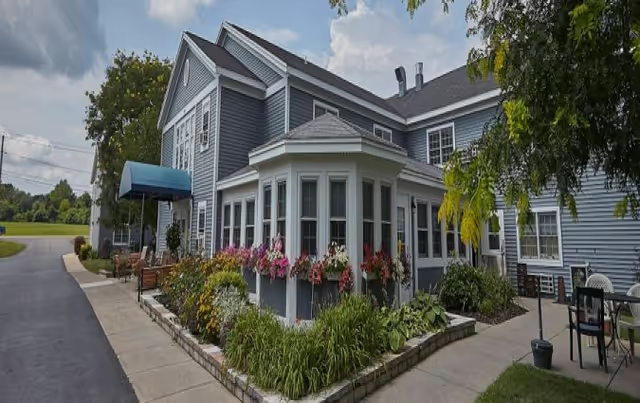
The reviews present a strongly mixed picture of care at this facility. Many accounts emphasize clear strengths: a clean, bright environment with a welcoming lobby and well-kept common areas; an active activities program (including notable dementia-unit offerings); a responsive dietary team able to adapt meals; and dedicated therapists and nursing staff who provide personalized attention. Housekeeping and certain frontline workers receive frequent praise for creating a pleasant, community-like atmosphere that some families found comforting.
Counterbalancing those positive descriptions are recurring operational concerns that affect day-to-day resident care. Chronic understaffing is the most consistent theme and is linked to slow response times to call bells, long waits for assistance, and inconsistent hygiene and repositioning schedules. Reviewers describe disruptions in continuity of care across shifts — including language-barrier issues and incomplete handoffs — which contribute to missed or delayed clinical tasks and inconsistency in the application of care plans.
Clinical and safety gaps are also highlighted. Families describe instances of incomplete or inconsistent therapy delivery, missed mobility assistance despite documented care plans, and shortcomings in transfer and fall-prevention practices. Several accounts raise concerns about wound care and pressure-injury prevention, urinary-tract and other infection issues, and nutrition and fluid-management needs not being consistently met. Medication administration and clinical documentation are reported as uneven, and discharge coordination and paperwork have produced confusion and family dissatisfaction in multiple cases.
Dining and programming show a similar split. The dietary department and many activity staff receive strong commendations for quality meals and an engaging schedule. At the same time, reviewers cite inconsistent meal timing, limited menu variety for therapeutic diets (for example, diabetes-friendly options), and occasional missed or delayed meals. Activity availability and social engagement are robust in some units but less accessible to residents who are bedbound or understaffed.
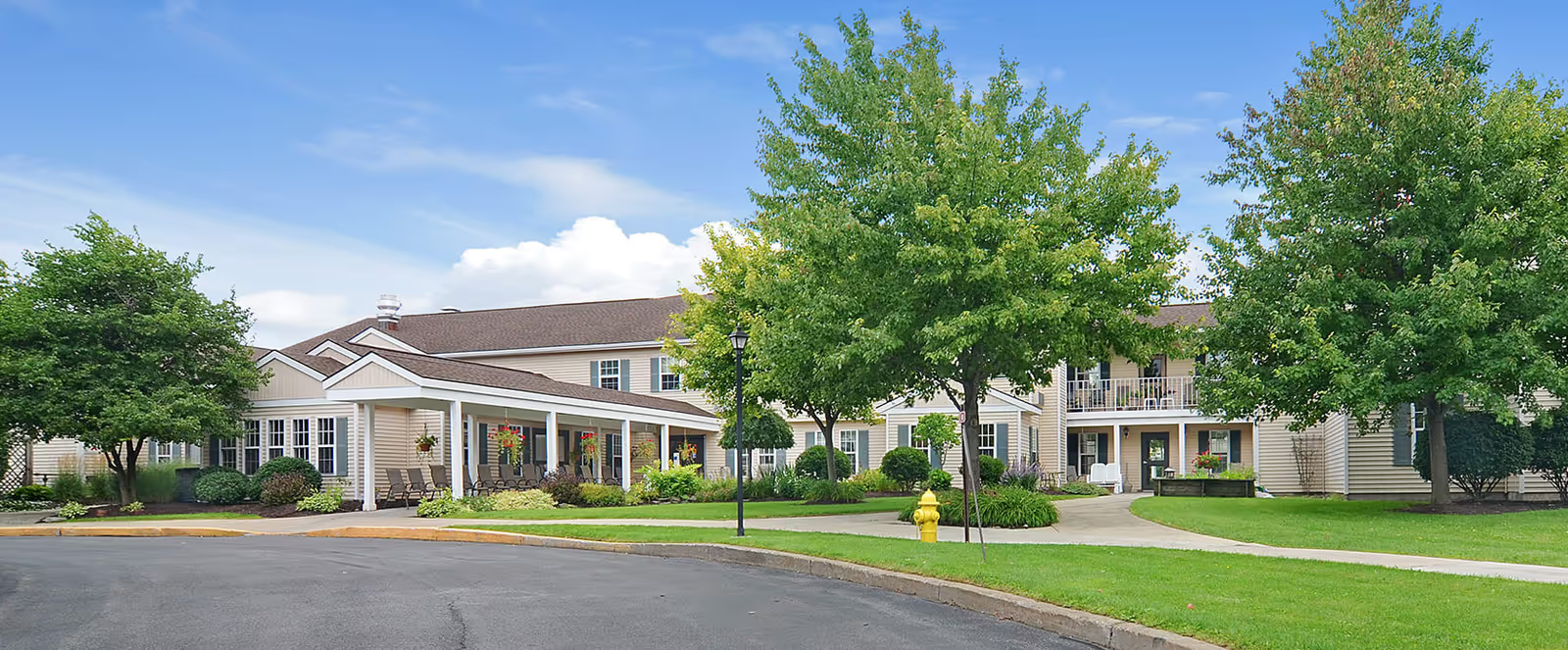
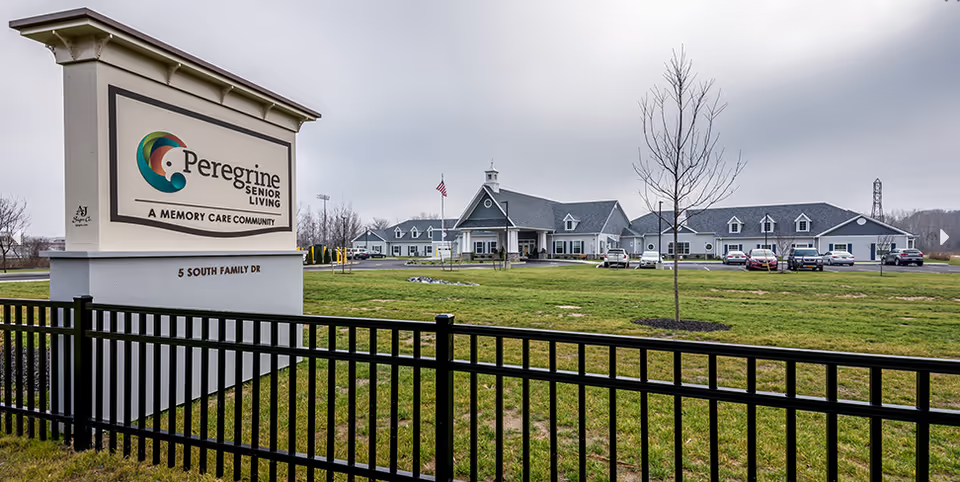
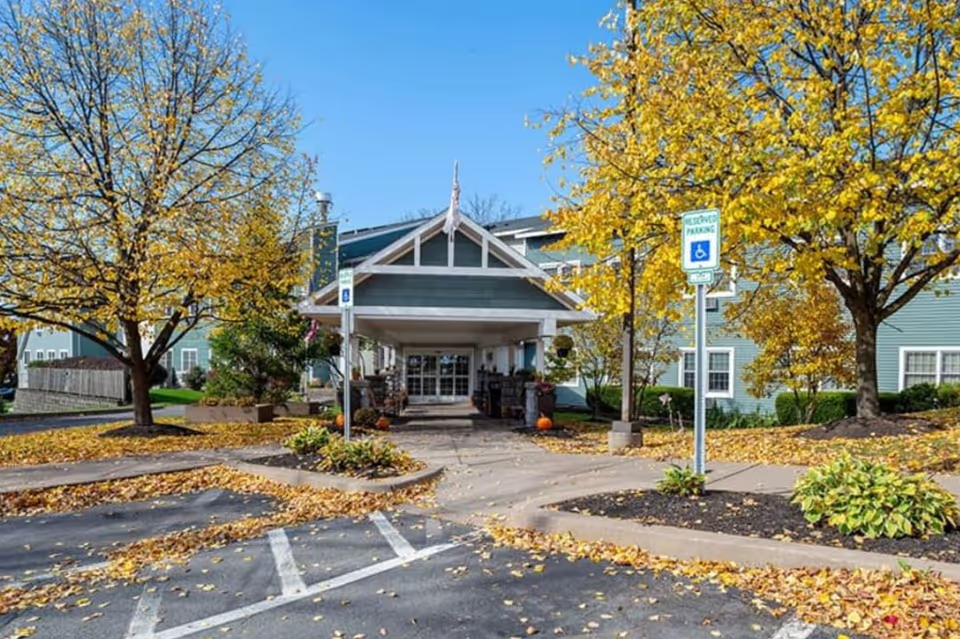
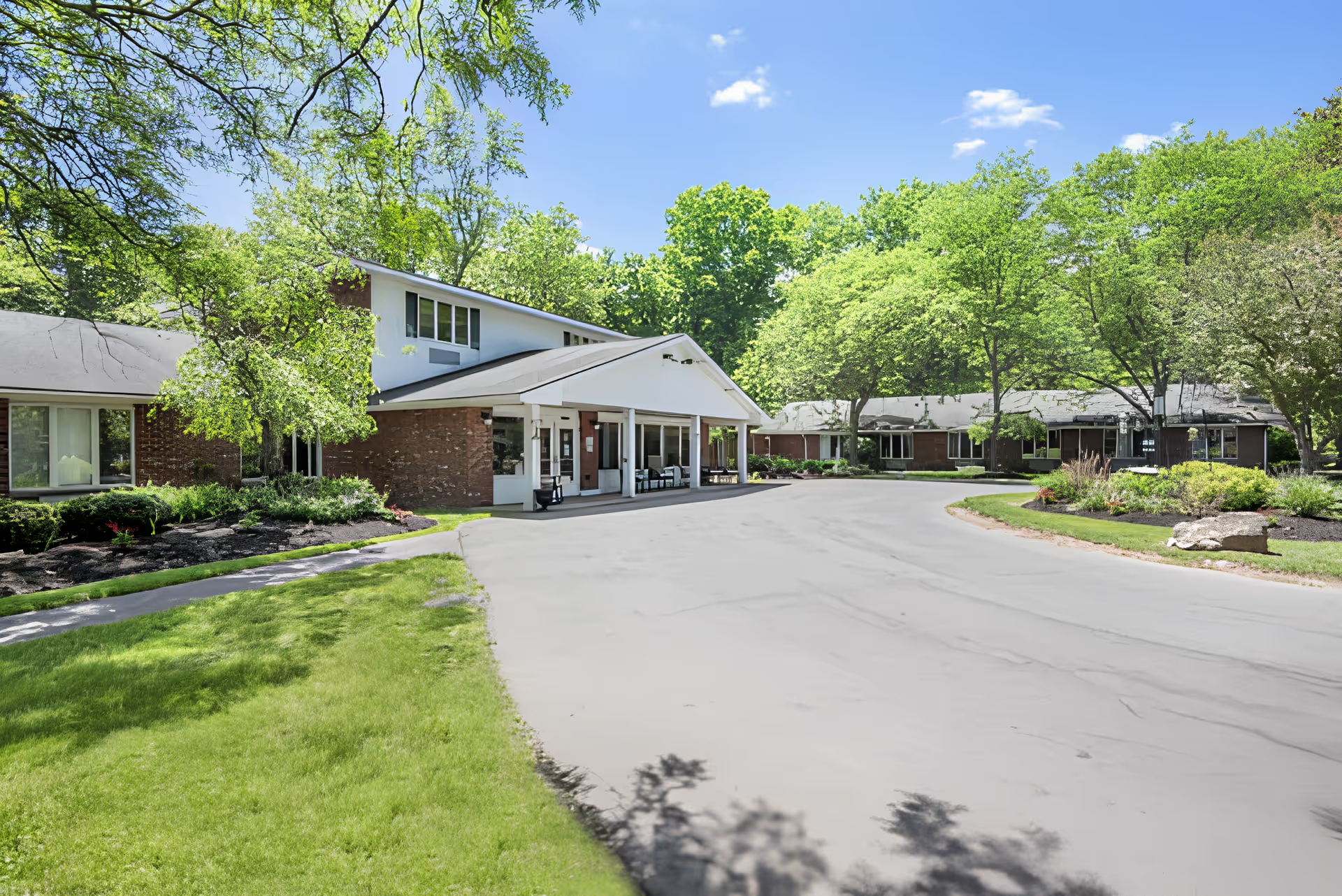
Facility appearance and nonclinical operations also draw mixed feedback. The building, common areas, and dementia unit are frequently described as clean, bright, and well-maintained; housekeeping is a noted strength. Counterpoints include sanitation concerns in specific dining areas or units, inconsistent infection-control behaviors among staff, and recurrent problems with laundry and missing personal items. Administrative issues such as unclear billing, insurance disputes, and poor responsiveness from management or social-work staff appear repeatedly and erode family confidence.
Taken together, the pattern is one of notable staff and program strengths constrained by system-level problems. Where staffing, supervision, and communication are intact, families describe very good care, effective therapy, and a pleasant environment. Where staffing is thin, or management oversight and shift-to-shift communication falter, the same facility shows lapses in basic care, safety, and administrative follow-through. Prospective residents and families would benefit from focused questions during a tour: current staffing ratios on the resident's unit, fall-prevention and transfer protocols, frequency of therapy sessions, procedures for laundry and personal-item tracking, infection-control policies, and how discharge planning and family communication are handled. These operational checks can help identify whether the parts of the operation that reviewers praise are consistently present for an individual resident's placement.