Overall impression: The Nottingham presents as a full‑service senior living campus with many of the amenities and services expected in an upper‑scale community. Review content consistently highlights a well‑kept physical environment, formal and casual dining options, a comprehensive activities program, on‑site rehabilitation and therapy services, and a clear continuum of care from independent living through memory care and skilled nursing. These operational strengths support an engaged social environment and a range of clinical supports for residents with differing needs.
Care quality and staff: Staff are frequently described as compassionate, attentive, and knowledgeable about residents, with multiple references to personnel who learn and use residents' names. Nursing, memory‑care, and therapy teams are noted positively in several summaries, and families describe generally thoughtful communication and adaptability to resident preferences. That said, there is a recurring pattern of variability: some reviewers report occasional rushed interactions, delays in responding to calls for assistance, and isolated instances of unfriendly or terse staff communication. These differences suggest that while staffing and clinical skill levels are strong overall, operational consistency of responsiveness and interpersonal tone can fluctuate.
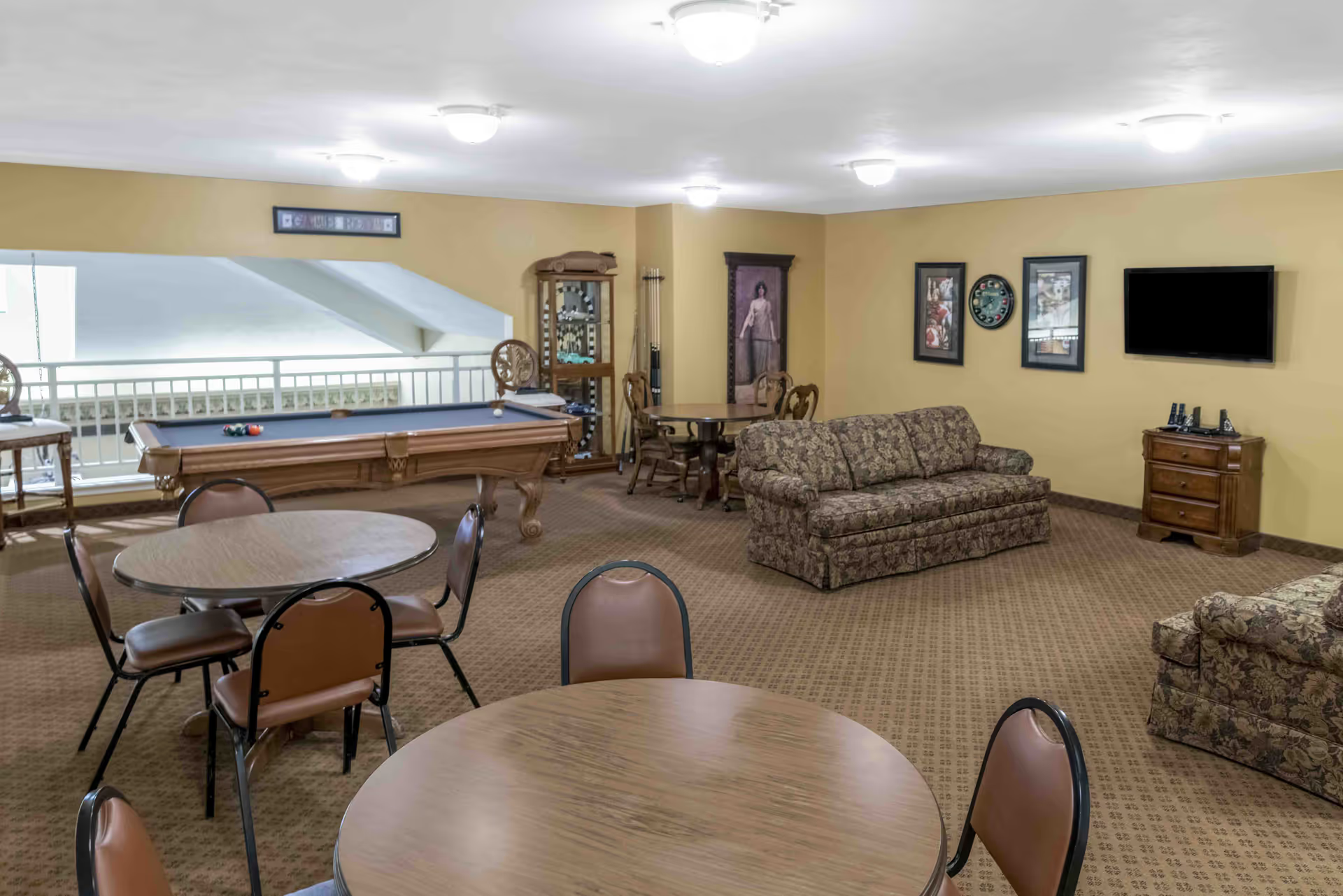
Dining and activities: Dining is a clear strength for many reviewers — a formally set dining room with multi‑course options, a bistro for lighter fare, and flexible meal choices are all emphasized. The community is described as offering generous portions and the ability to accommodate individual dietary needs. The activities program is active and varied, including exercise classes, water‑based programming in a guarded pool, social events (happy hours, car shows), lectures, games, and outings. These elements appear to support an engaged resident life on campus.
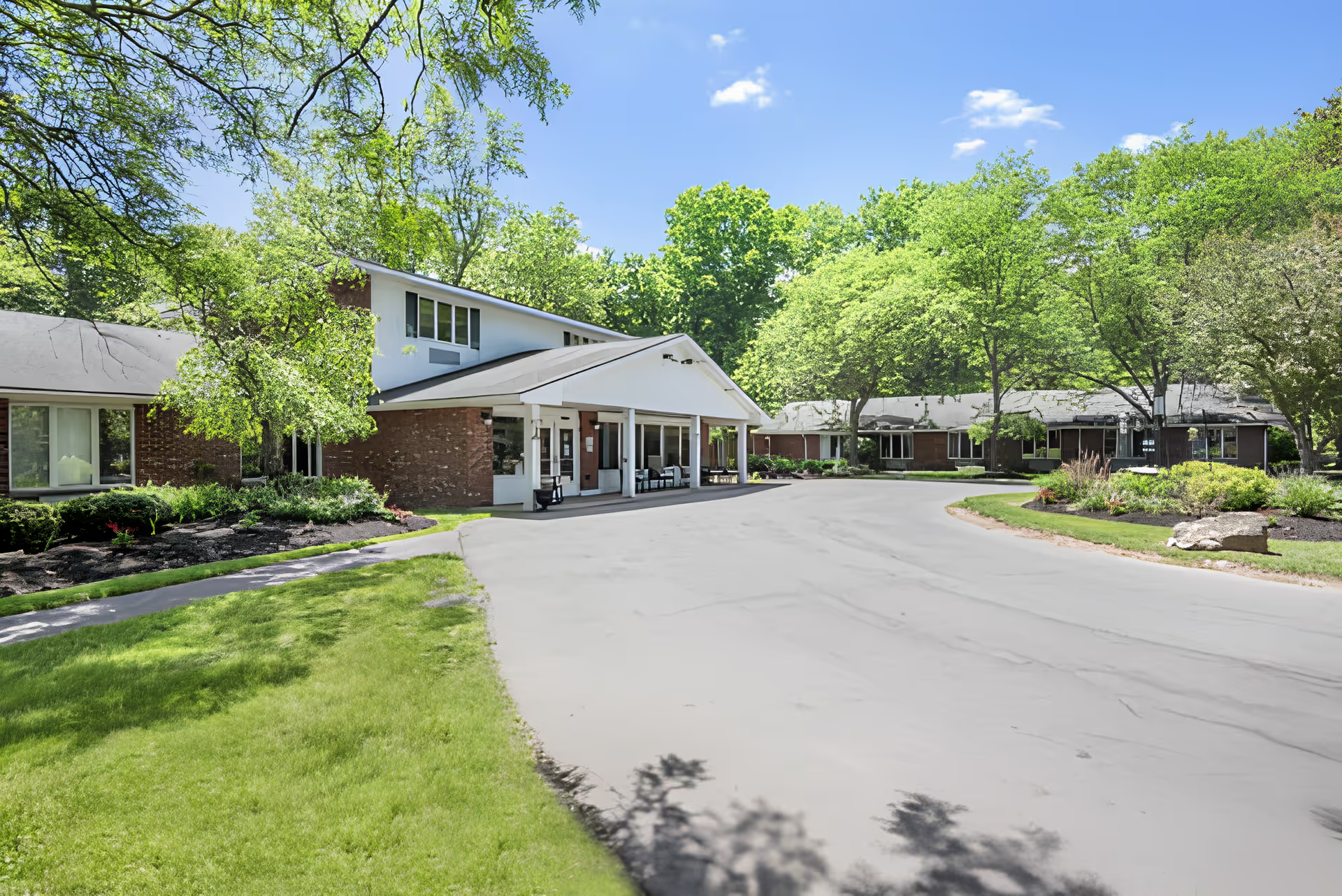
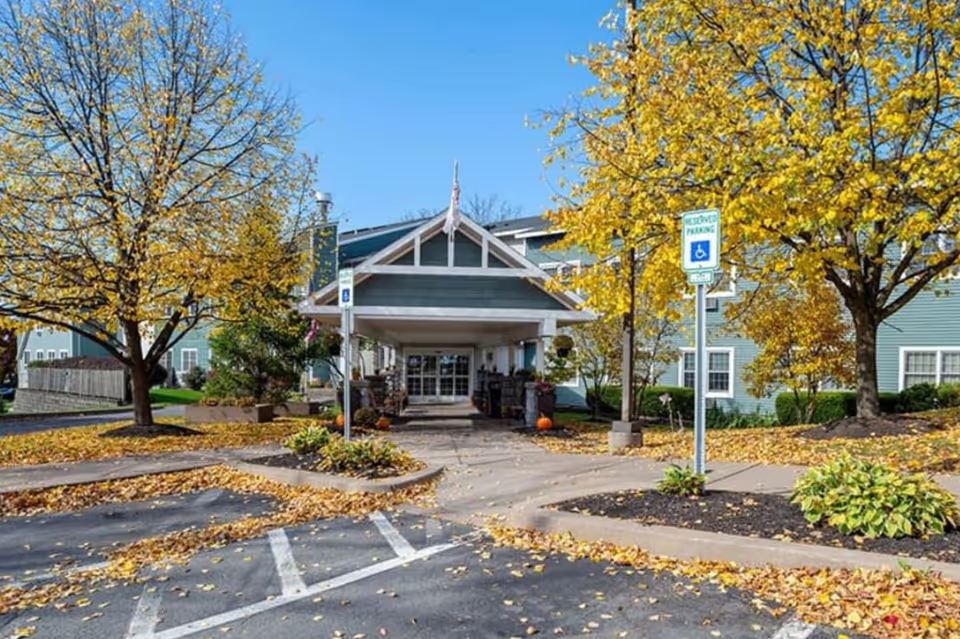
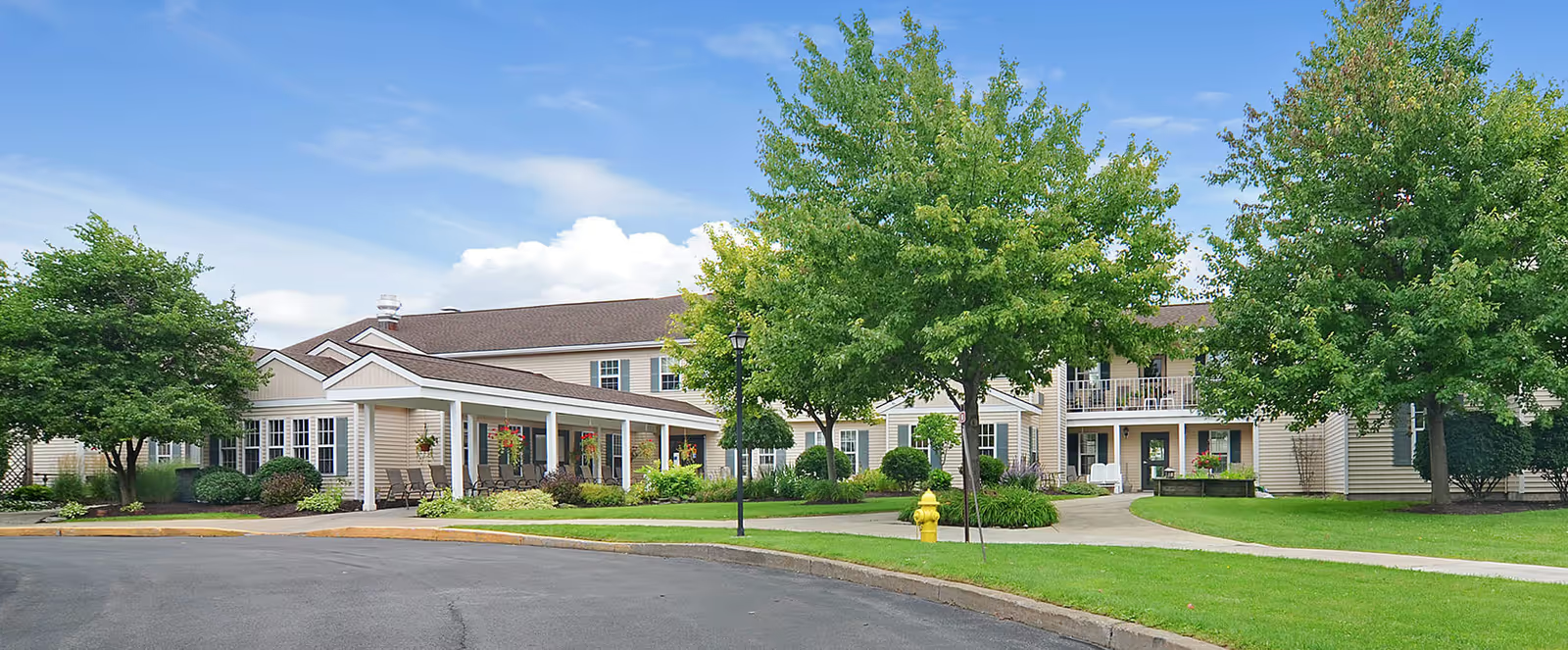
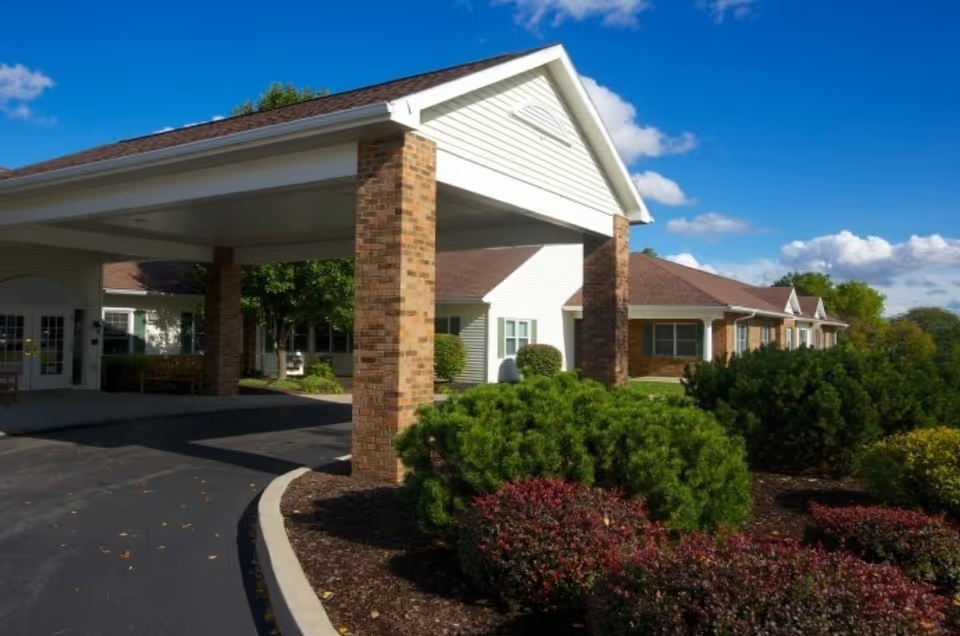
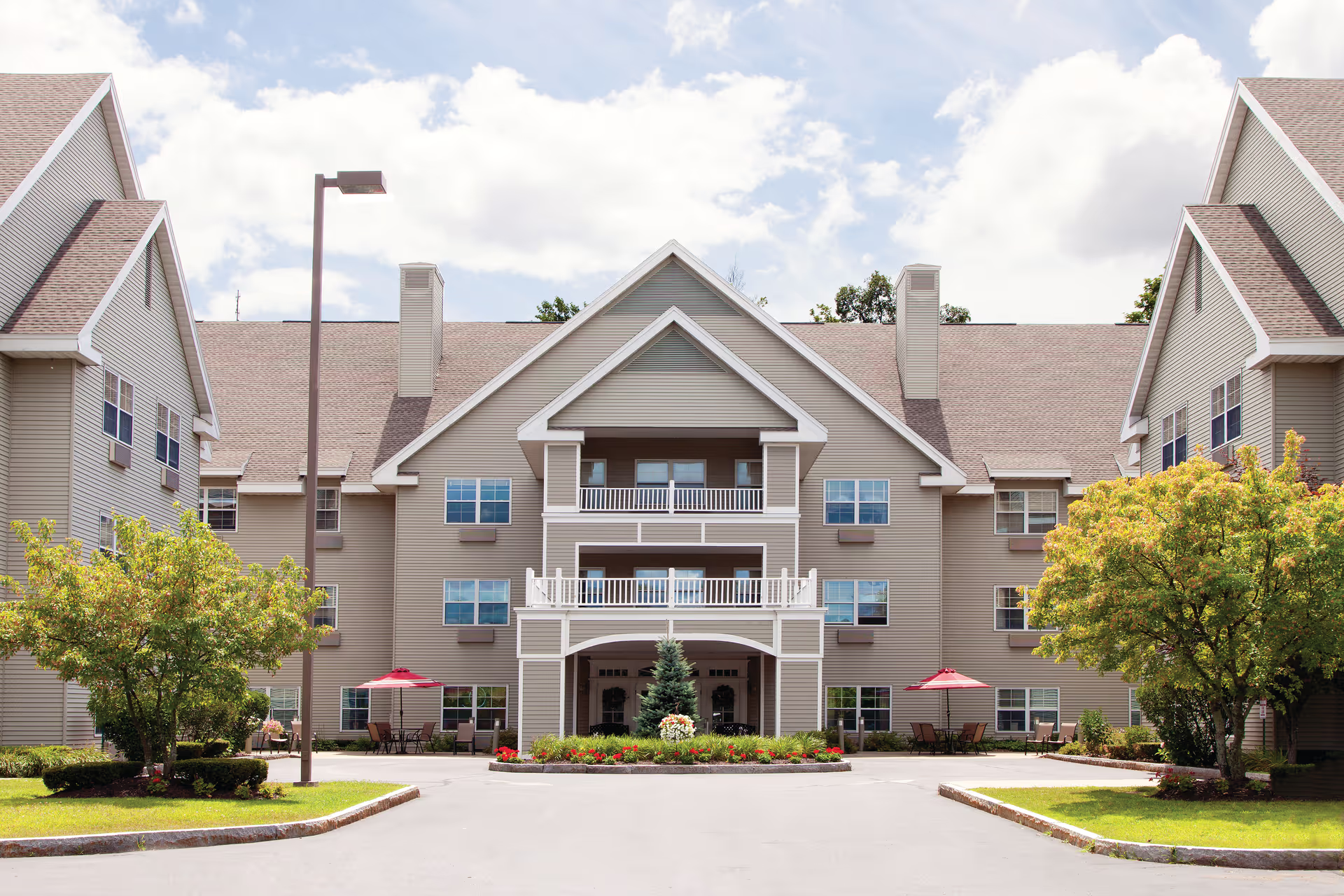
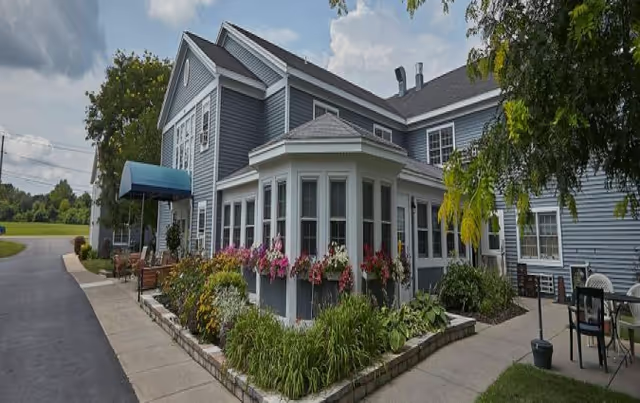
Facilities and amenities: The campus is repeatedly praised for attractive grounds, modern apartments (including in‑unit washers/dryers and updated appliances), and numerous common spaces such as libraries, salons, and multiple dining venues. Security features like buzzed entry and fob access are noted. Contrasting observations identify maintenance and upgrade needs in select areas — peeling wallpaper, worn finishings, occasional broken equipment (e.g., elevators), and areas that lack ramps — indicating that some parts of the physical plant have uneven upkeep. Multiple comments note positive responsiveness for routine maintenance requests, but the presence of both prompt fixes and outstanding cosmetic issues points to an inconsistent approach to capital and preventive maintenance.
Management, access, and transparency: Administrative staff and leadership receive positive mentions for being helpful and informative, and reviewers appreciate the campus's integrated services and care pathways. Operational constraints are also evident: memory‑care capacity is limited and waitlists of several months are described, age or eligibility thresholds apply, and pricing places the community out of range for some families. There are a few serious service‑level concerns raised about placement and billing practices — including at least one allegation of misleading transitions between care levels — which reviewers identify as matters to clarify during selection. Additionally, an identified pattern of delayed emergency response in at least one account raises questions about response protocols and monitoring systems.
Notable patterns and takeaways: The dominant pattern is one of strong hospitality, robust amenities, and meaningful clinical services, balanced by episodic operational shortcomings: uneven responsiveness, variable staff conduct, spotty cosmetic maintenance, limited memory‑care availability, and some transparency questions related to placement and costs. Prospective residents and families should weigh the community's clear strengths in dining, therapy, and social programming against the operational variabilities described, and when touring should ask specific questions about emergency‑response procedures, waitlist timing for memory care, recent capital upgrades, staffing ratios, and written policies on care‑level transitions.