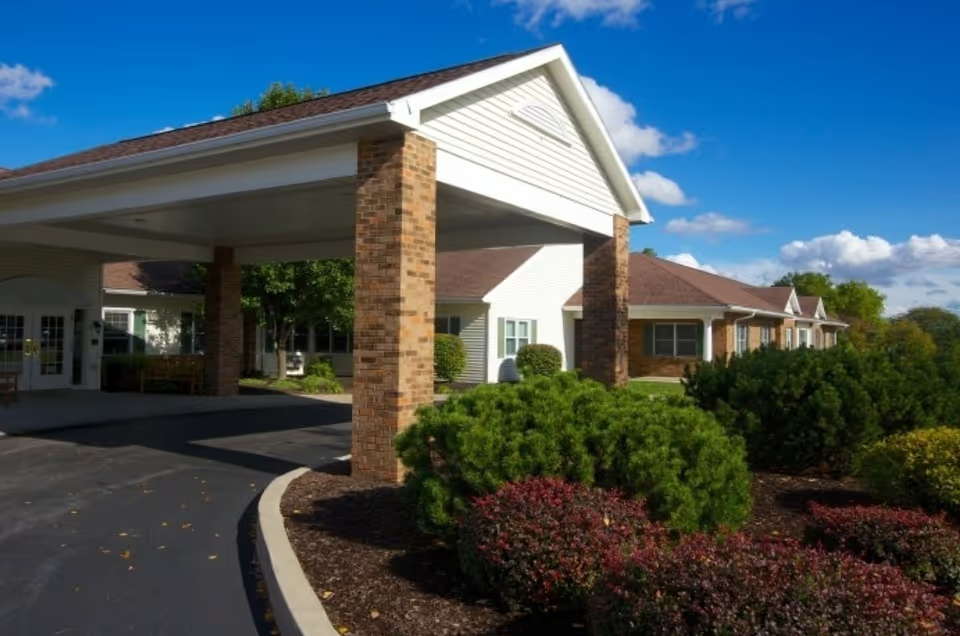
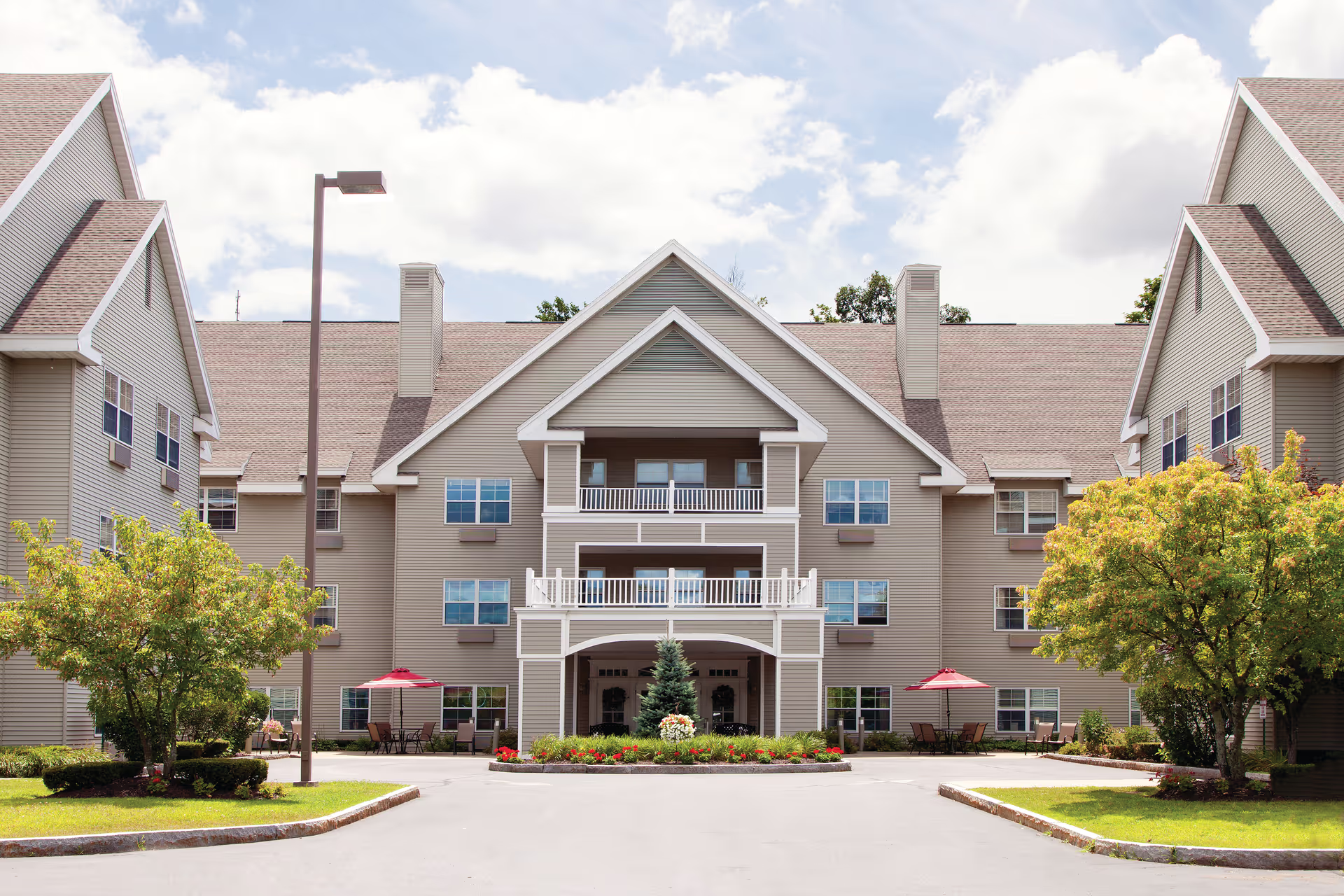
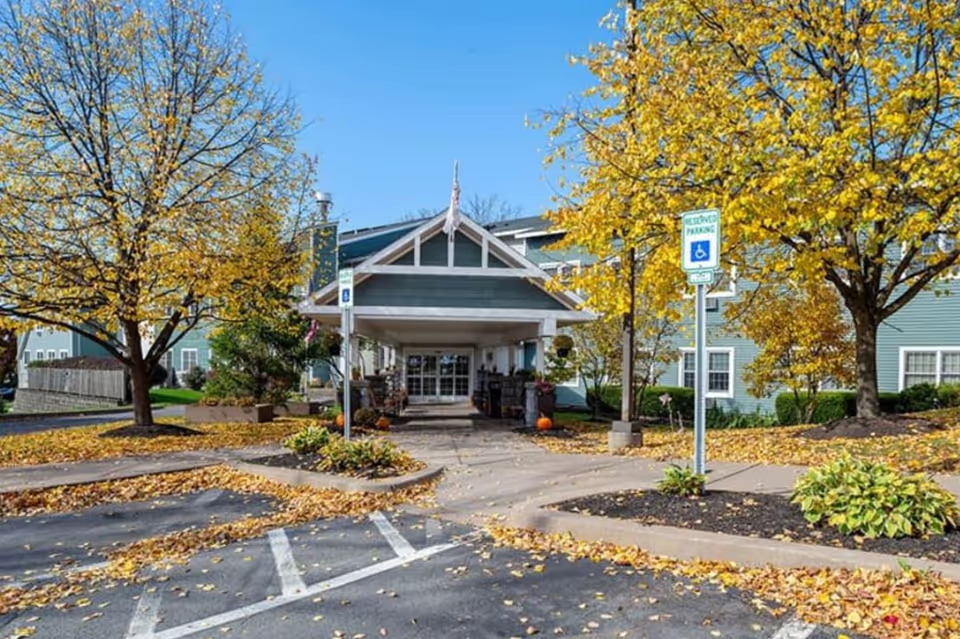
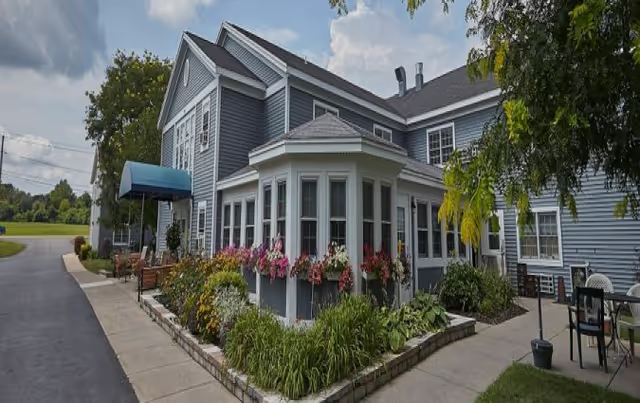
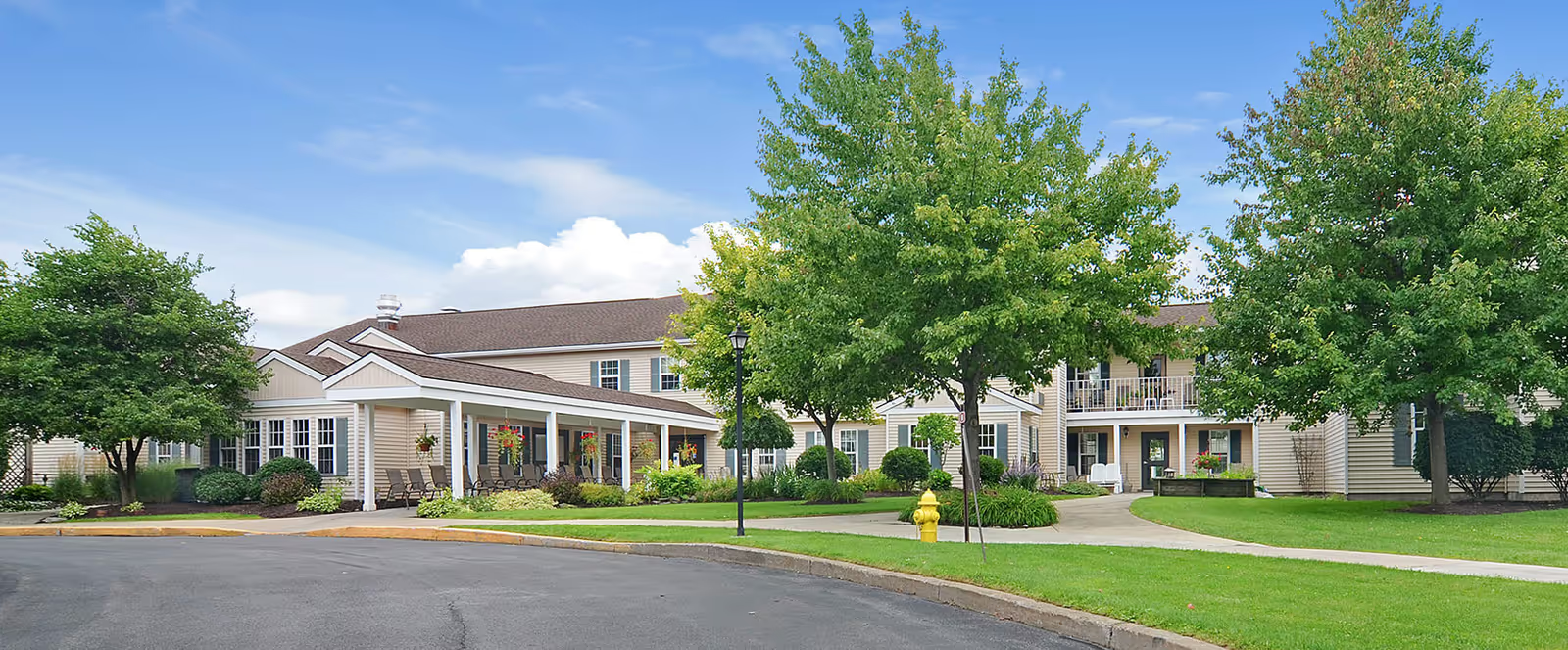
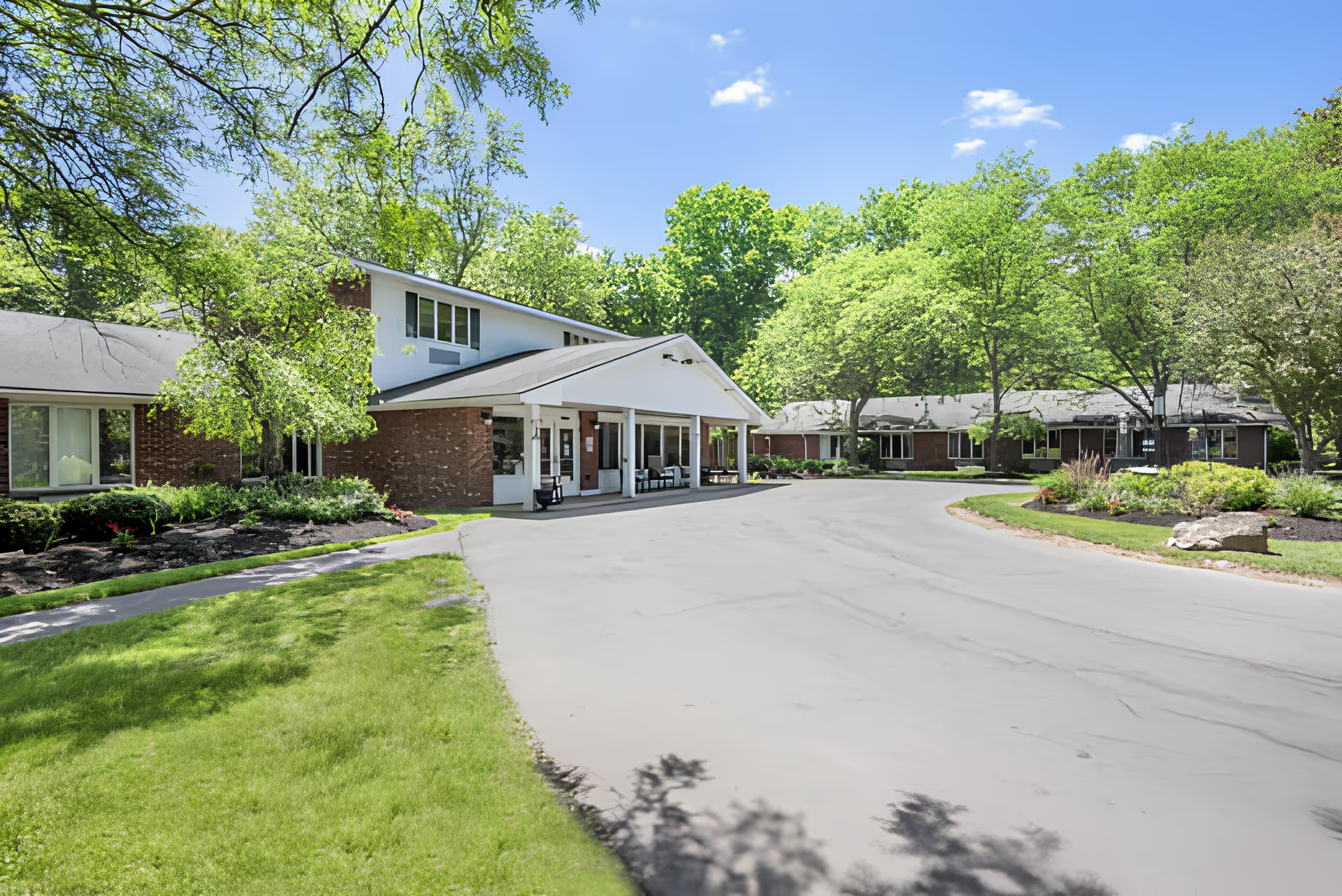
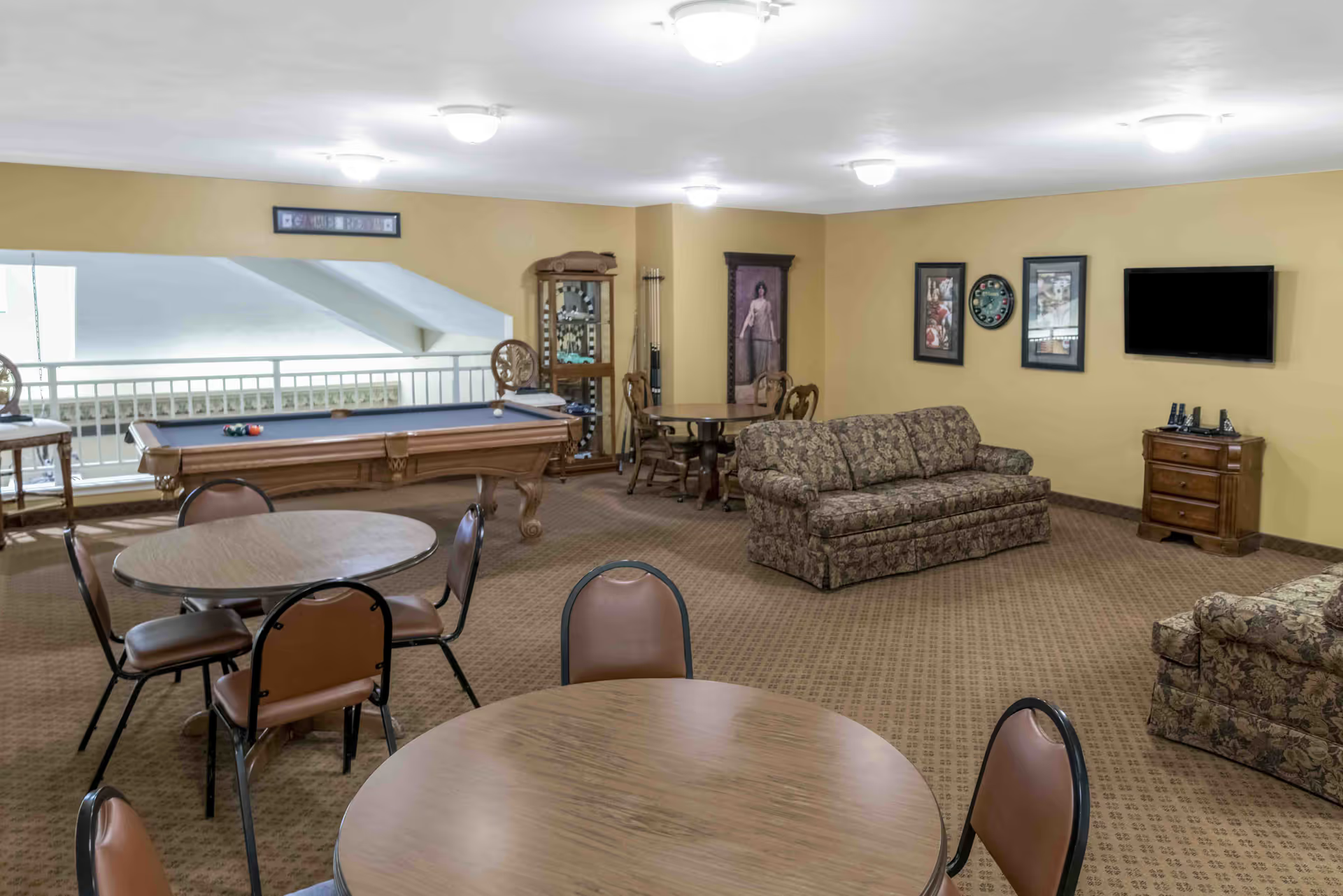
The Hearth at Greenpoint elicits a mixed but informative set of impressions. Many families and residents praise the staff as warm, welcoming, and compassionate; maintenance and front-desk teams receive frequent positive mention for responsiveness and practical assistance. The community offers spacious apartments (many with full kitchens, balconies, or patios), a restaurant-style dining room, and a program of activities that includes local outings, shopping trips, cultural events, and exercise groups. Overall facility upkeep, recent renovations, pet-friendly policies, and a convenient, walkable location are frequently cited as strengths.
Care quality appears to vary with resident acuity. For residents requiring low to moderate assistance, reviewers commonly describe attentive aides, helpful case managers, and an environment that supports independence with available assisted services. At the same time, a subset of reviewers raise serious operational concerns, notably medication-management weaknesses and sanitation/incontinence-care process shortfalls. These concerns point to potential risks for residents with higher clinical needs or complex medication regimens.
Staffing and communication are a notable area of divergence. Positive accounts emphasize prompt, personalized responses and a team that goes beyond expectations for small requests. Conversely, recurring themes include inconsistent staffing levels, high turnover, and lapses in family communication. These operational inconsistencies are linked in reviews to delayed responses to care needs, nighttime monitoring gaps, and variability in how activities and meal service are delivered.
Dining and activities are frequently touted as strong features: many reviewers describe home-style, varied meals (breakfast and dinner included in many plans), homemade soups and entrees, and an active calendar of events that fosters socialization. That said, reviewers also report intermittent issues with meal delivery (delays, forgotten meals) and activity cancellations or schedule changes, suggesting program reliability can depend on staffing and operational conditions.
Management and administrative practices show mixed evaluations. Positive notes include informative admissions staff and clear tour guidance; negative notes emphasize billing, contract, and insurance-clarity problems, ownership or policy changes with associated price increases, and a perceived prioritization of financial considerations over individualized care. A few reviews include allegations of medication errors and sanitation incidents; while these appear less common than positive reports, they are significant enough that prospective families should probe them directly.
For families considering The Hearth at Greenpoint, strengths to confirm in a visit include apartment layouts, dining samples, activity calendars, transportation availability, and infection-control practices. Areas to investigate further in discussions with management: staffing ratios (including night coverage), medication administration and narcotics tracking policies, protocols for escorting or assisting residents with mobility needs, billing and contract transparency (including post-move charges), and procedures for incident reporting and family communication. The community may suit active, lower-acuity residents well, while families of higher-acuity residents should verify clinical capacity and oversight before committing.