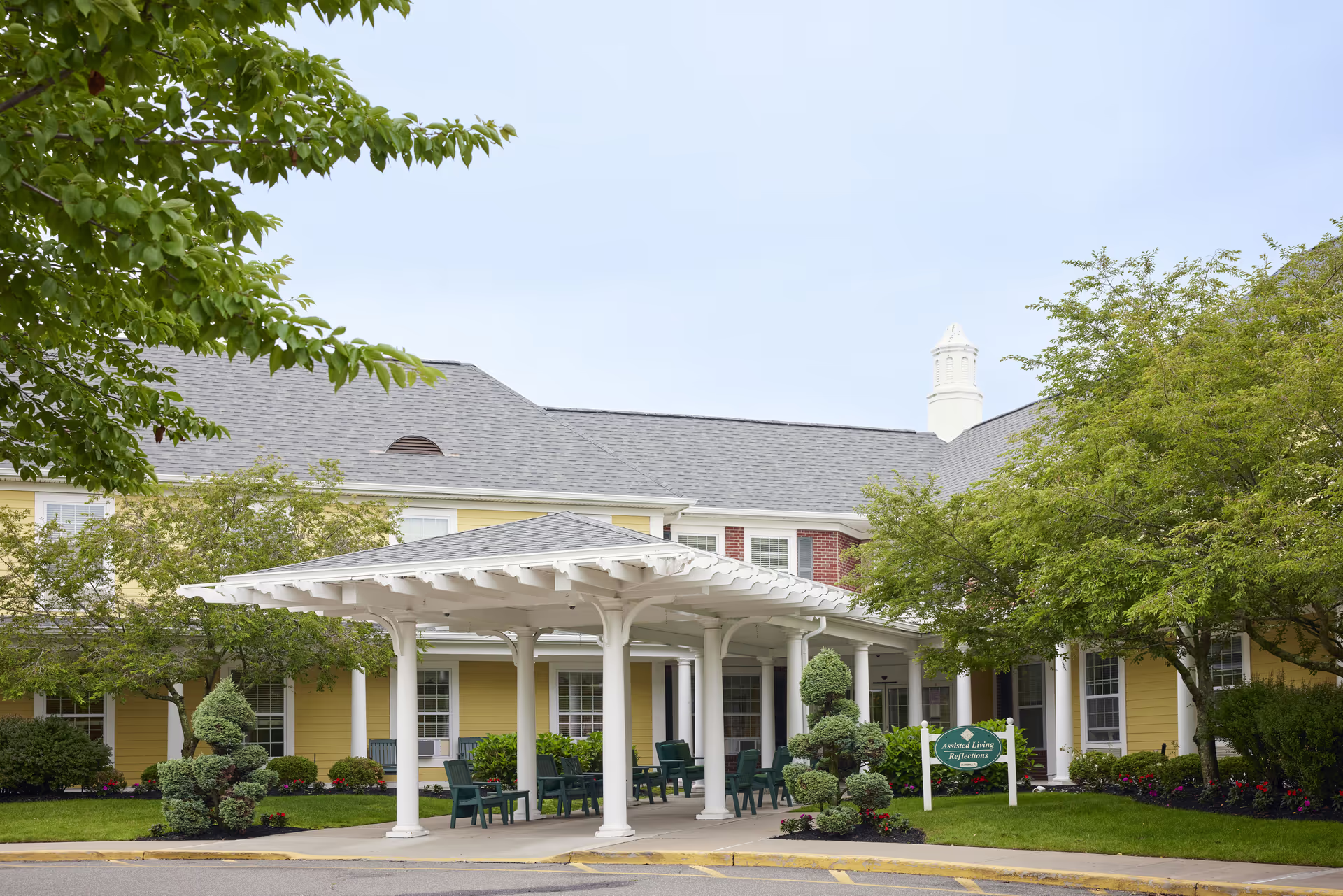
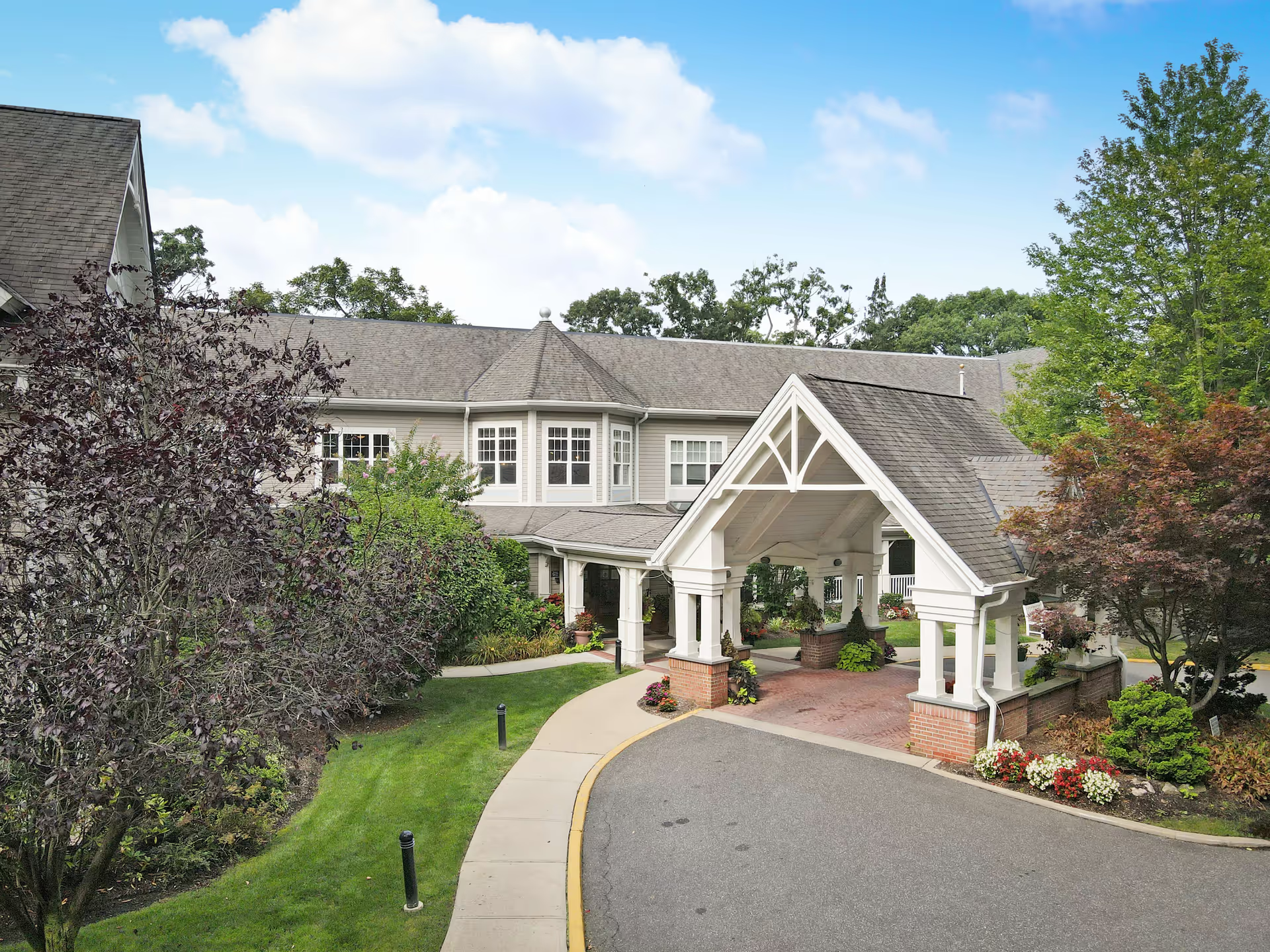
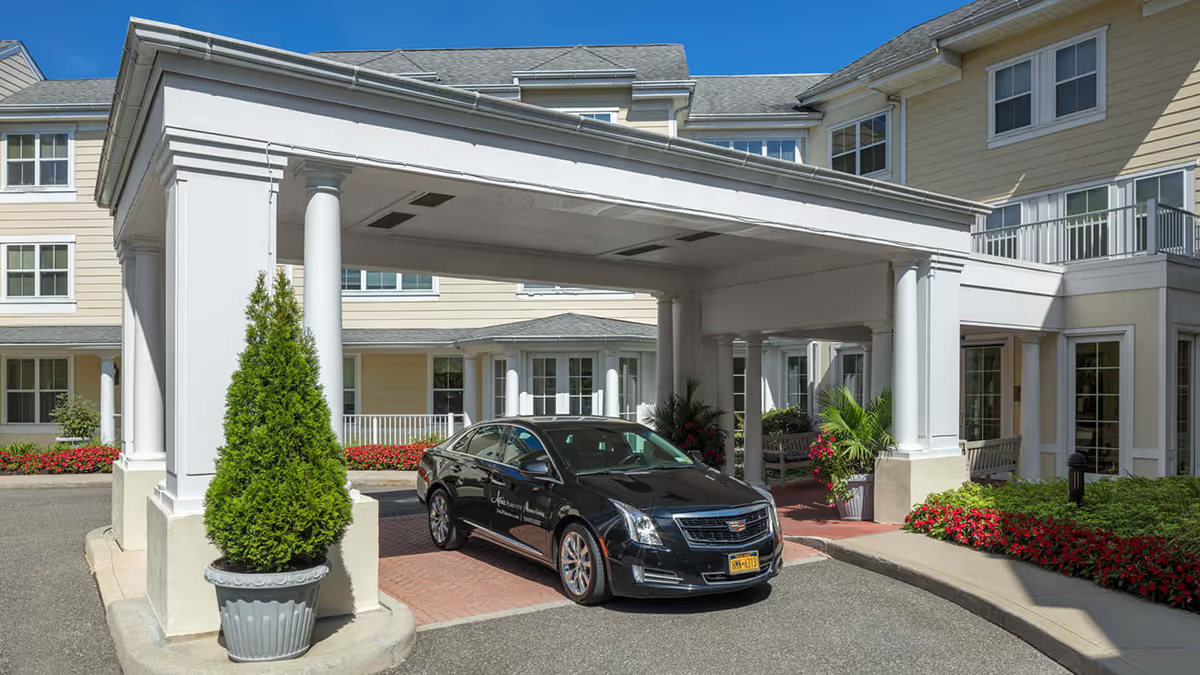
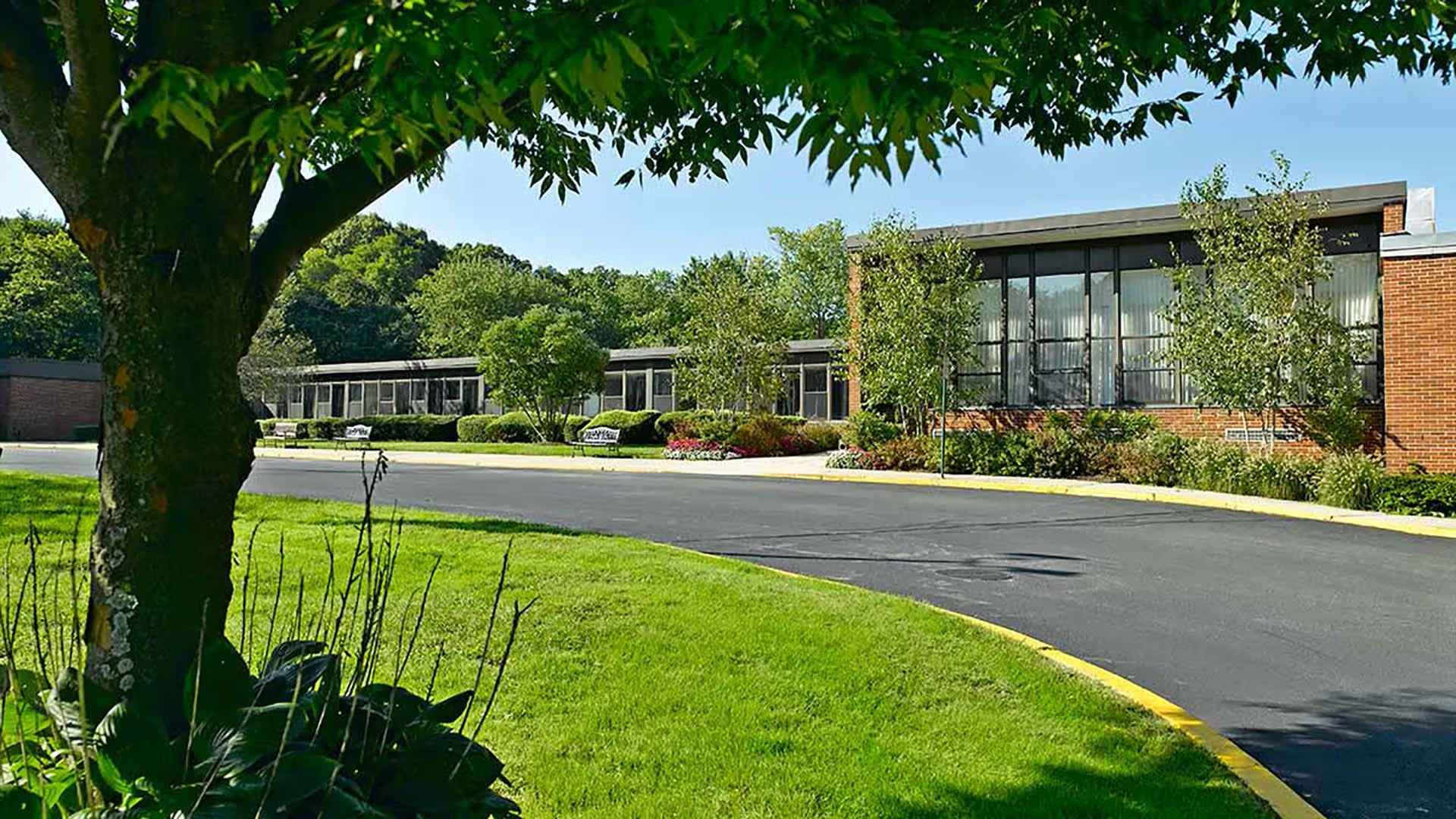
Huntington Hills elicits a highly polarized set of experiences: many families and patients describe strong rehabilitation results, a bright and well‑maintained physical environment, and recreation and therapy teams that kept residents engaged, while others report operational and clinical lapses that substantially affected care. The facility’s physical environment is a consistent strength in the reviews — reviewers repeatedly cite clean, hotel‑like interiors, well‑kept courtyards and terraces, pleasant common areas, and comfortable resident rooms. The admissions and front-desk functions are frequently described as helpful and organized, and social-work/discharge support is noted positively in a number of accounts.
Rehabilitation services (PT/OT) and recreational therapy receive the most consistent praise. Multiple reviewers attribute measurable functional gains to the therapy teams and credit clinicians by name; recreation staff and musical programming are highlighted as active contributors to resident morale and engagement. Several reviews also single out individual nurses, aides, and administrators for compassionate, reliable care, indicating there are stable clusters of staff who provide high‑quality, person‑centered service.
Counterbalancing those positives are recurring operational patterns that raise clinical concern. The most common themes relate to inconsistent staffing levels and aide coverage, delays responding to call bells and basic needs, and intermittent lapses in incontinence care and sanitation practices. Families describe variable aide competency and problematic staff conduct or tone; these descriptions point to uneven frontline supervision and training. Reports suggesting medication errors, delayed or missed treatments, and problems with oxygen or alarm management indicate gaps in clinical oversight and safety processes rather than isolated, one-off complaints.
Communication and management transparency are additional areas of concern. Reviewers cite unresponsive phone lines, limited proactive updates to families, and inconsistencies in incident documentation. A number of accounts reference problems with infection‑control cohorting and testing procedures during outbreak periods; these raise questions about operational protocols under stress. Conversely, some reviewers say management intervened effectively when alerted, and others praise specific leaders for responsiveness, showing that experience can vary depending on unit, shift, and personnel.
Dining and housekeeping assessments are mixed: several families value the dining setting and specialty meals, while others describe inconsistent food quality and meal‑service practices. Activity programming, music, and events are generally positive differentiators for resident quality of life. Overall, patterns in the reviews suggest that Huntington Hills can deliver excellent rehabilitation and an appealing environment, but the consistency of frontline care, staff coverage, clinical-safety processes, and family communication are uneven.
For prospective residents and families, the pattern of contrasting experiences supports a careful, targeted tour and conversation: ask about current staffing ratios and break coverage, call‑bell response metrics, medication‑administration and incident‑report protocols, infection‑control policies, and how supervision and training address aide performance and conduct. Verifying recent regulatory reports, speaking with the unit manager for the intended care area, and requesting examples of recent outcomes for short‑term rehab patients can help determine whether the facility’s strengths align with a particular resident’s needs.