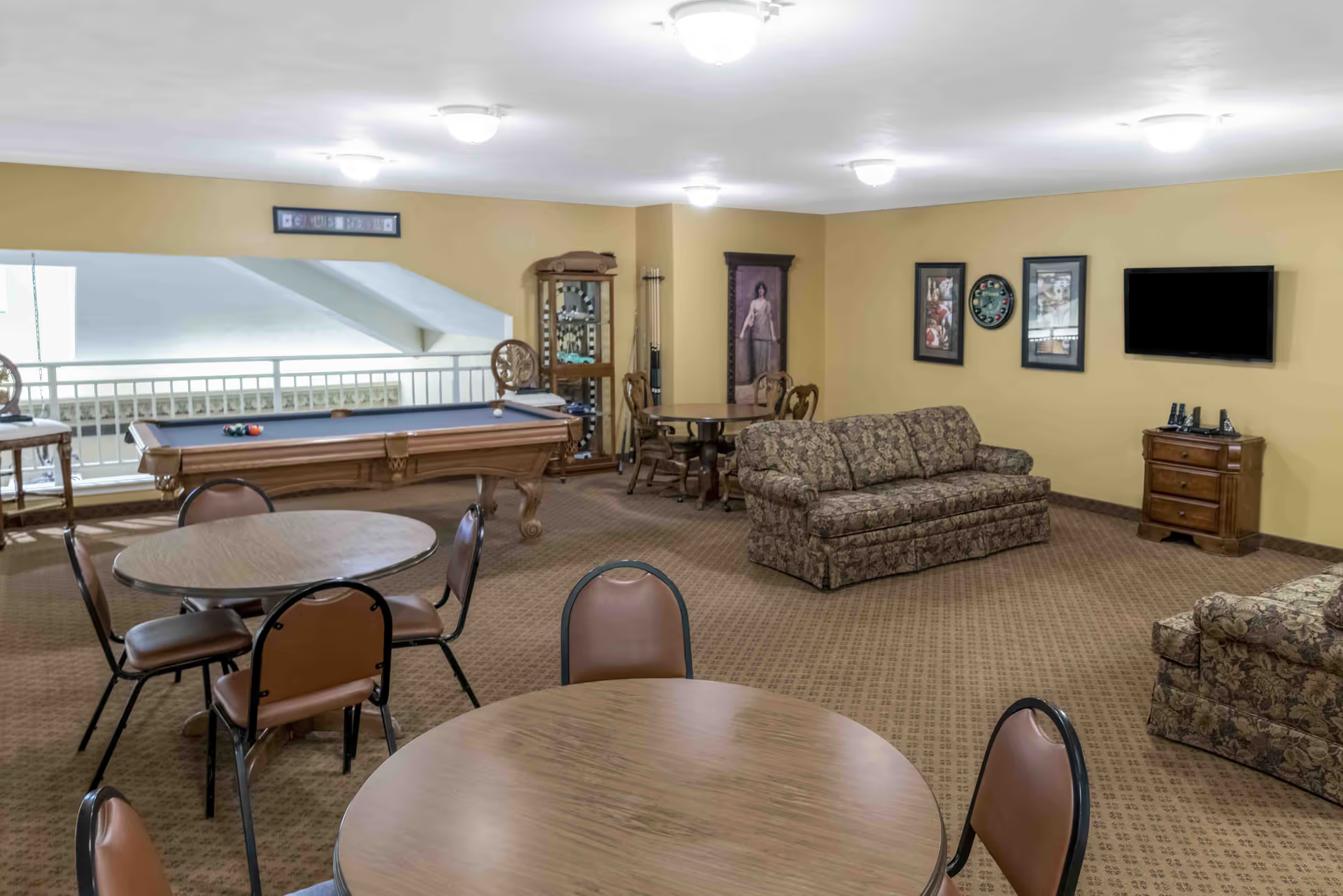
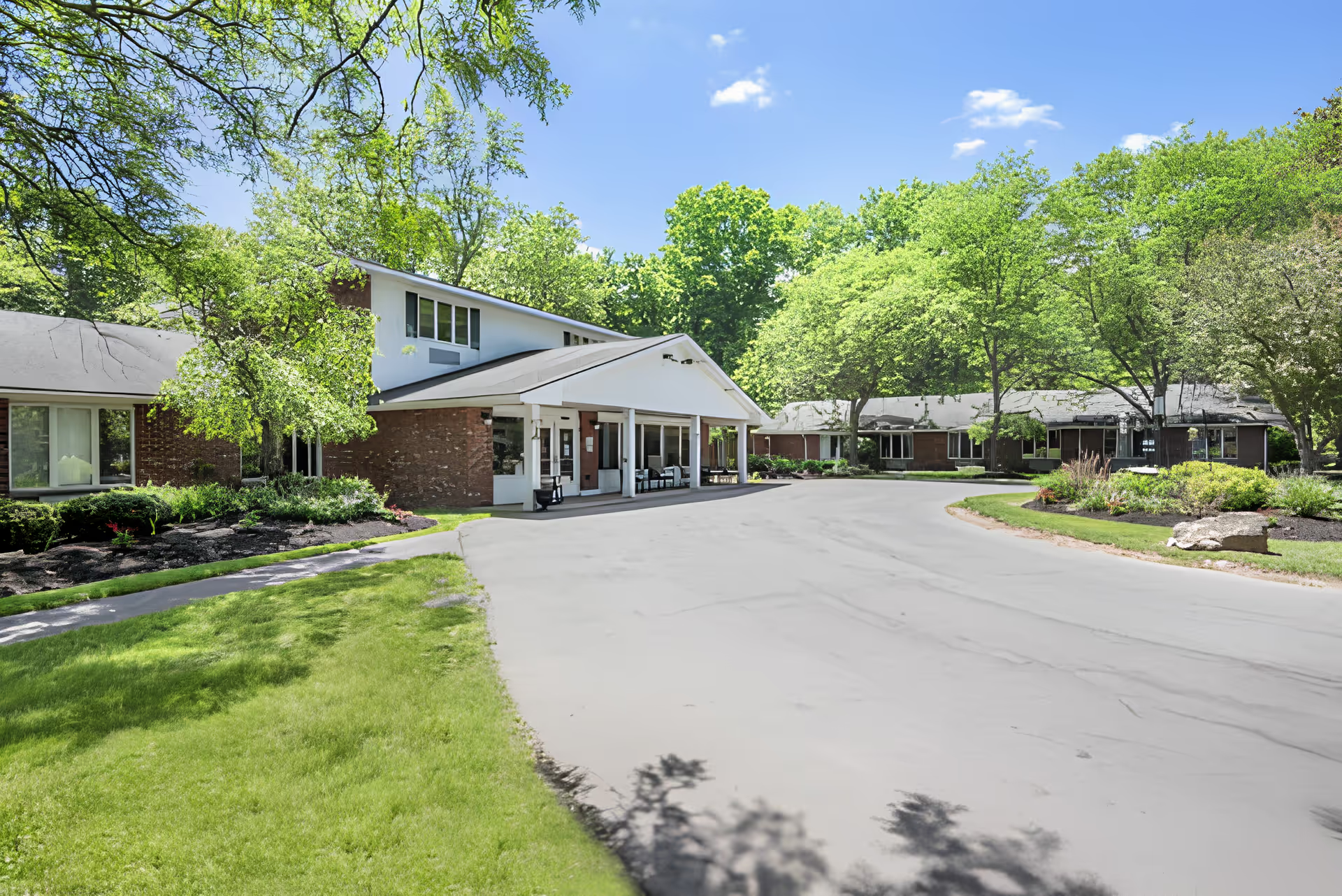
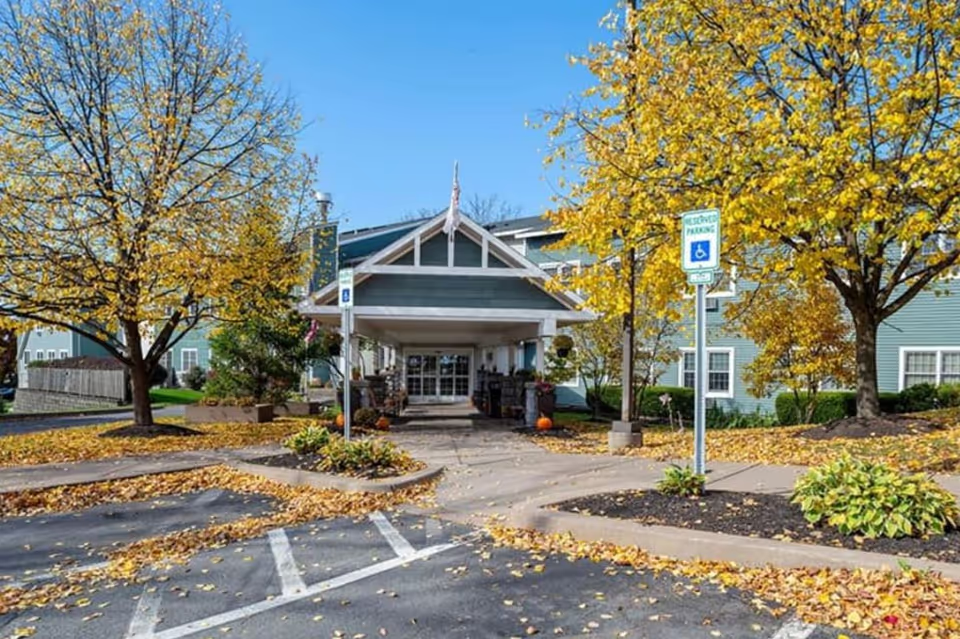
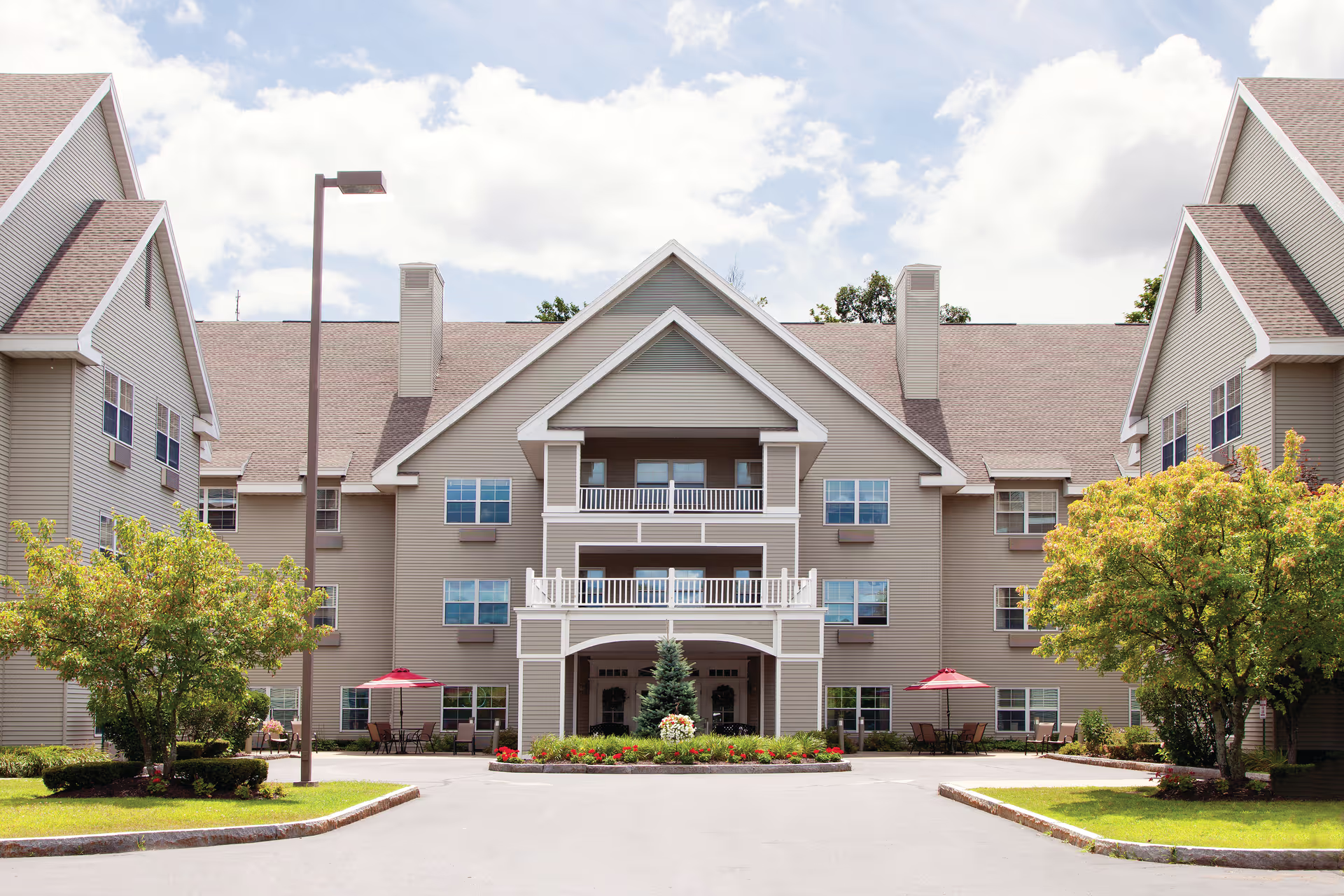
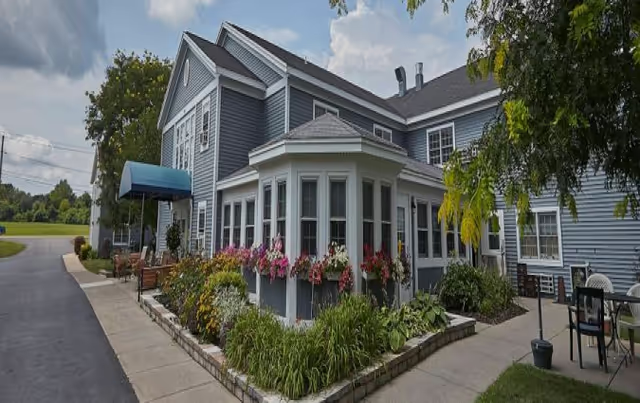
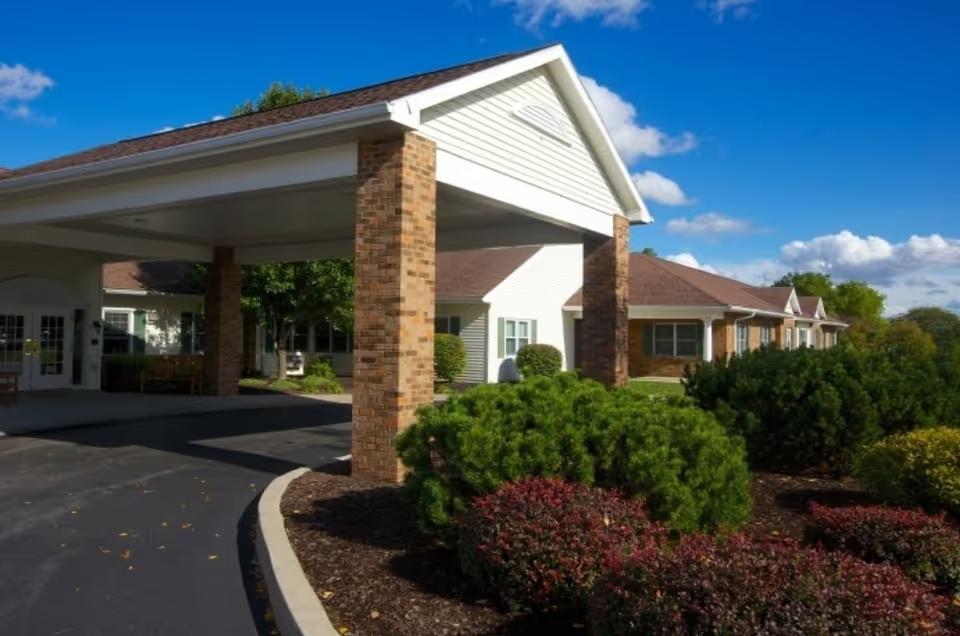
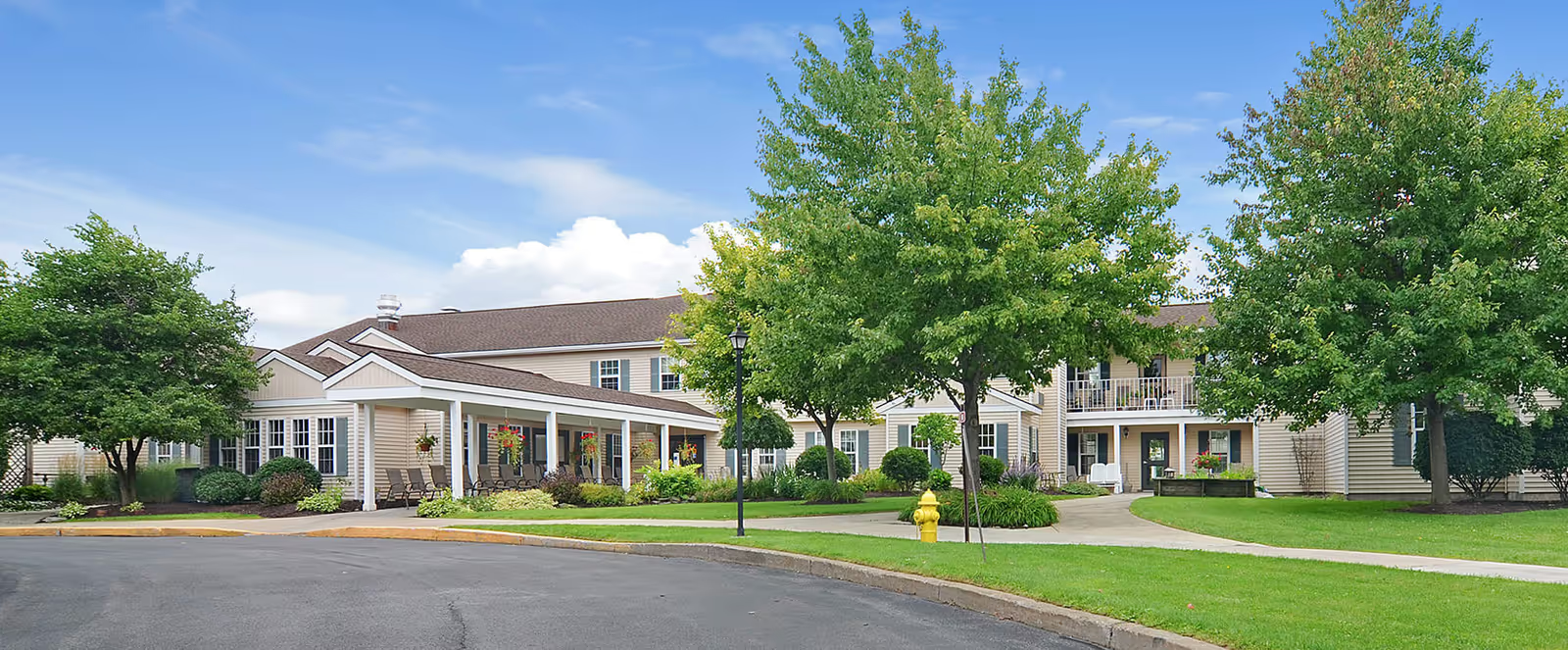
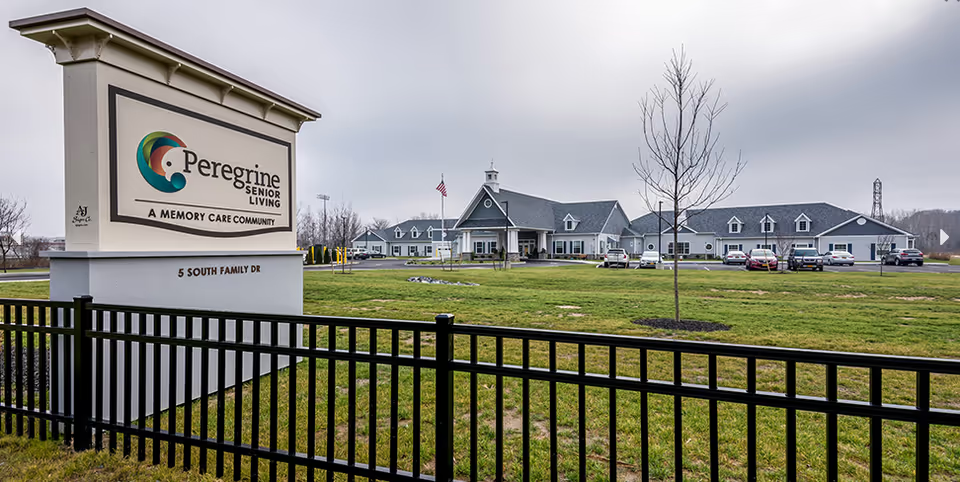
The reviews paint a polarized picture of Onondaga Center: some families describe positive rehabilitation outcomes, caring clinicians, and a pleasant physical environment, while a substantial number raise operational and clinical concerns. Positive comments highlight effective short-term rehab, capable PT/OT teams, individual employees who provide attentive support, and a modern facility with good natural light and outdoor access. These strengths appear most frequently in accounts of successful, shorter stays and in praise for particular staff members.
Care quality appears inconsistent. Several reviewers described delays in responding to resident needs, late medication administration, and gaps in assistance with activities of daily living such as bathing, toileting, and turning. These issues are frequently linked to staffing levels and turnover; reviewers commonly characterized the facility as short-staffed or with uneven staffing deployment, which manifests as slow call-bell responses and irregular completion of daily care tasks. A number of reviews also describe transfers to higher-acuity care after medical events and concerns about how quickly clinical issues are escalated.
Staffing and staff conduct are recurring themes. While reviewers named individual nurses, aides, and therapists who were compassionate and effective, there were many accounts of curt or dismissive communication, inconsistent professionalism, and uneven shift performance. This creates a mixed impression: the facility has committed caregivers, but workforce instability and variations in tone and responsiveness undermine consistent resident experience.
Dining and therapy experiences are likewise mixed. Positive comments note weight gain and functional improvement when therapy and meals are delivered as planned. Conversely, many families cited inconsistent meal timing, cold or poor-quality food, and restrictions or modifications to diets that were not adequately communicated. Therapy continuity and discharge planning were also flagged as inconsistent, with some residents not receiving the full course of expected services or experiencing difficulties when transitioning out of rehab.
Facility condition and operations raise practical concerns. Several reviewers described sanitation and odor concerns in rooms and shared bathrooms, housekeeping lapses, and isolated pest-control issues. Equipment and building-systems reliability — call bells, bed controls, room phones, and security doors — were raised as points of failure in some accounts. On the other hand, some areas and visits were described as clean and serene, indicating variability across units or time periods.
Management and communication receive frequent criticism. Common themes include unreturned phone calls, limited follow-up from administration and social services, slow responsiveness to family complaints, and perceived emphasis on administrative or financial priorities over operational fixes. A number of reviewers cited regulatory inspections or escalations to outside agencies; these references underscore families’ frustration with unresolved problems. At the same time, a few reviewers noted instances where administrators or social workers helped coordinate transfers or resolved move-in issues promptly.
Overall, the pattern is one of variability: the facility demonstrates clear strengths in therapy, certain clinical staff, and the physical environment, but systemic weaknesses in staffing levels, operational consistency, sanitation, meal service, and family communication undermine reliability. Prospective residents and families should weigh the positive rehabilitation capabilities and individual staff strengths against documented variability in day-to-day care operations and should ask targeted questions about staffing ratios, call-bell response times, sanitation practices, medication administration protocols, therapy schedules, and management escalation procedures during any visit or placement discussion.