Overall impression: Reviews present a mixed but distinct pattern: the facility is frequently praised for its warmth, hospitality, and well-maintained physical environment, while operational and clinical reliability appear uneven. Prospective residents commonly encounter an attractive, home-like community with engaged staff and a number of strong amenities; however, multiple operational themes recur that families should investigate during tours and admissions.
Care quality and clinical oversight: Clinical feedback is mixed. Several families praise attentive nursing and aides who provide compassionate personal care; conversely, there are repeated accounts of lapses in clinical processes — most notably medication-management gaps (including missed medications and related clinical risk) and periods without on-site RN coverage. These patterns suggest variability in clinical oversight and in execution of medication administration and monitoring protocols. Families should confirm current nurse-staffing patterns, medication-administration safeguards, and the facility’s escalation pathways during assessment.
Staffing and staff behavior: Staff are widely described as friendly, respectful, and committed; leadership and particular staff members receive strong positive mention. At the same time, reviewers frequently describe staffing shortages, turnover, and aides stretched across large resident loads. That imbalance appears to contribute to delays in care, inconsistent responsiveness to family inquiries, and shorter-than-expected one-to-one time with residents in periods of high demand.
Dining and nutrition: Dining is a clear strength for many reviewers: high-quality meals, special-meal events, pleasant dining rooms, and some specialty offerings were cited positively. There are also numerous comments about variability in food quality and portioning, occasional late meal service (for example delayed breakfasts), and differing dining experiences between units. Prospective families should sample meals and ask about meal schedules, portion standards, and accommodations for special diets.
Activities and memory-care programming: The community supports an active social calendar — movie nights, outings, music and games, and opportunities for resident involvement are commonly noted. Memory-care has strengths in household-style design, small group interaction, and open-kitchen amenities that promote engagement. However, a pattern of limited or repetitive programming in the reminiscence/memory unit is also described, with requests for greater variation and more frequent off-site trips (including weekend options). Clarify activity schedules for the specific care area being considered.
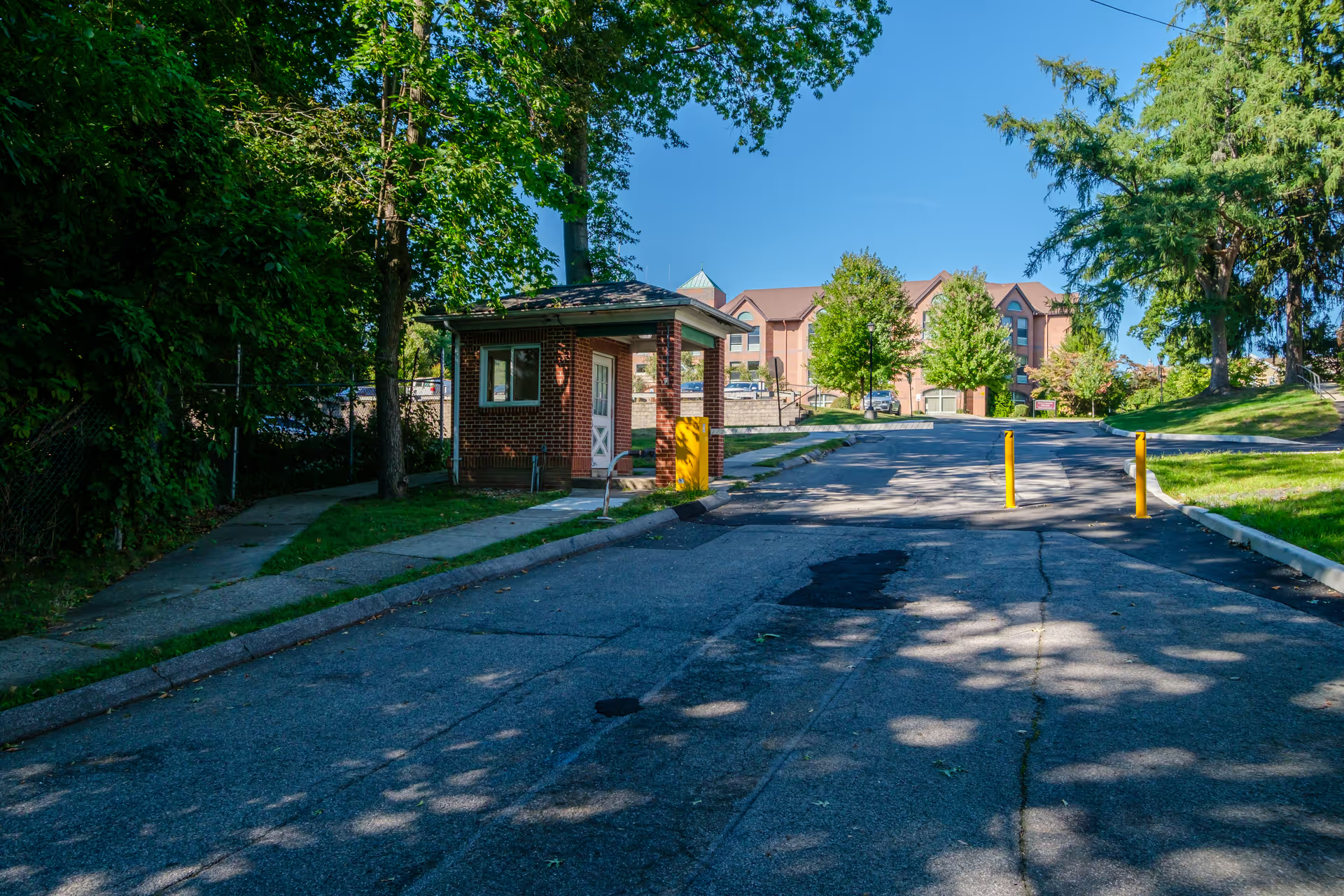
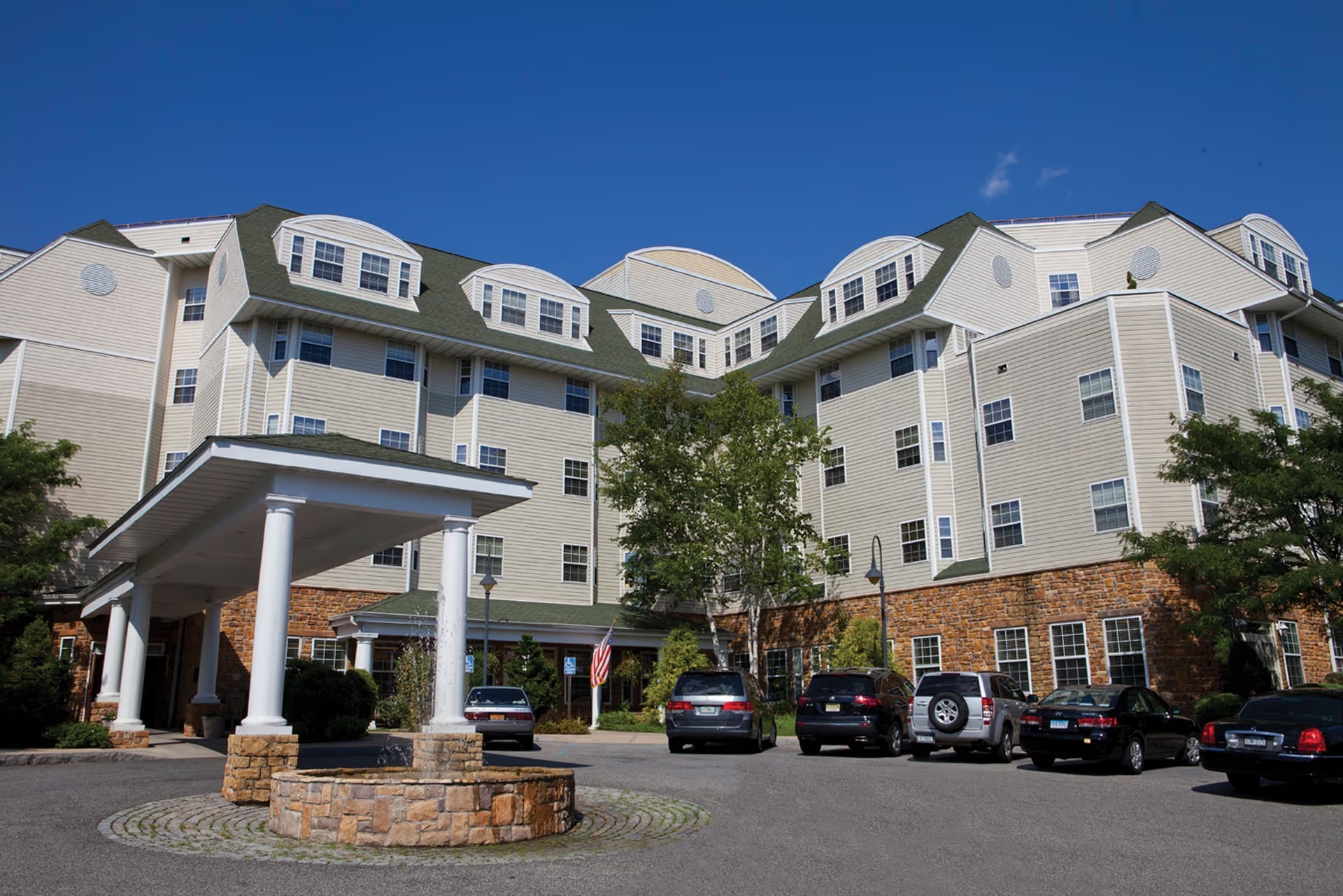
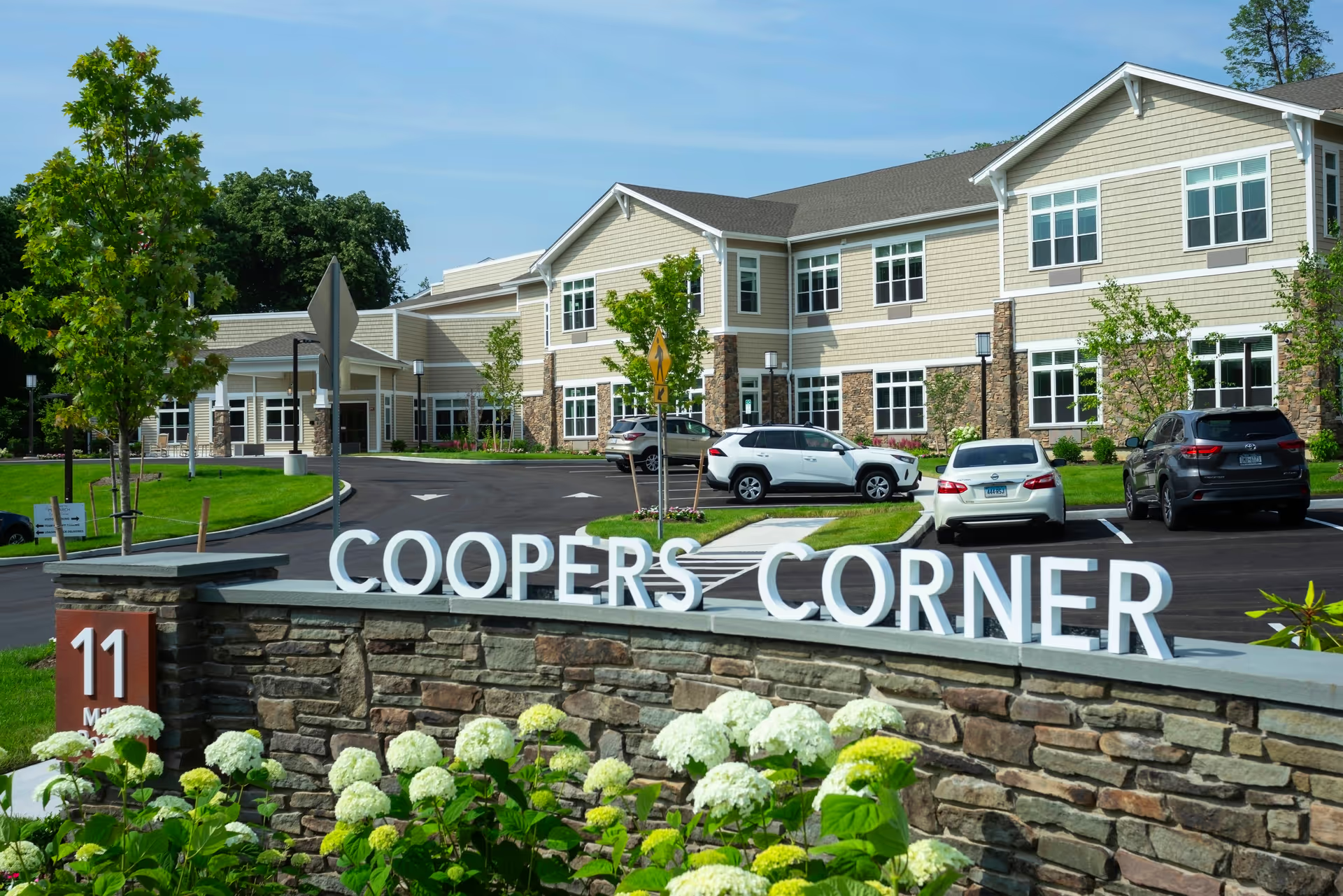
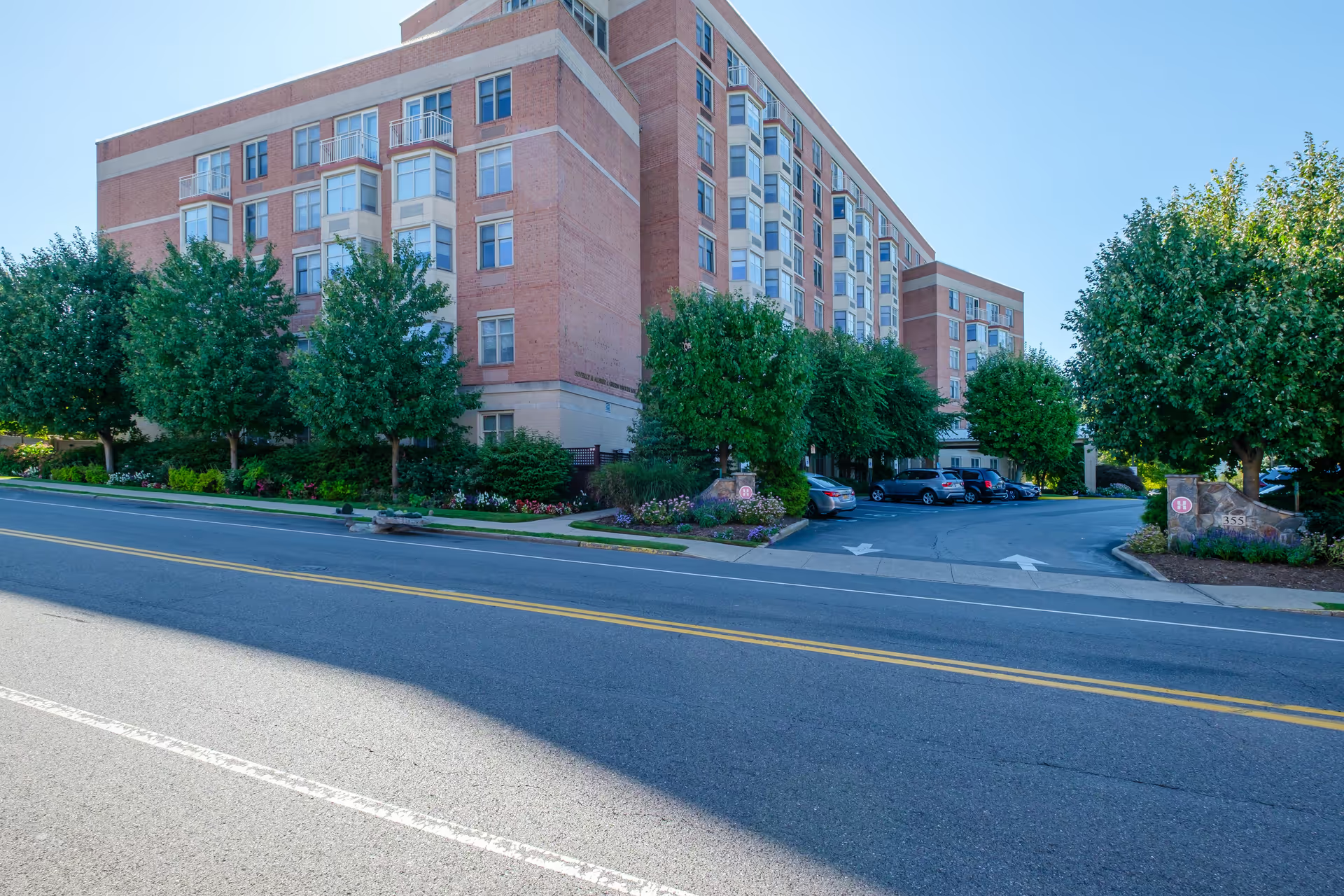
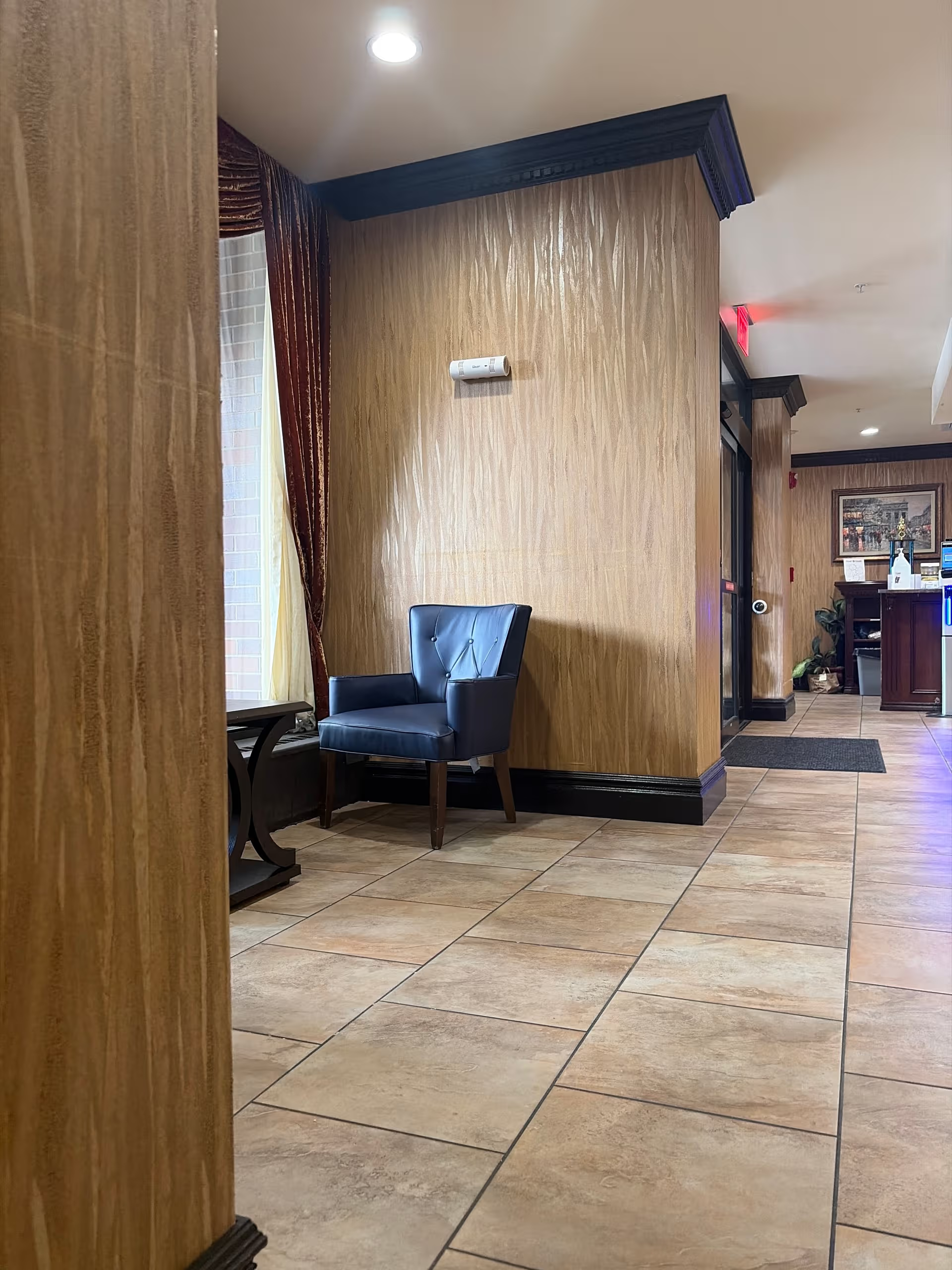
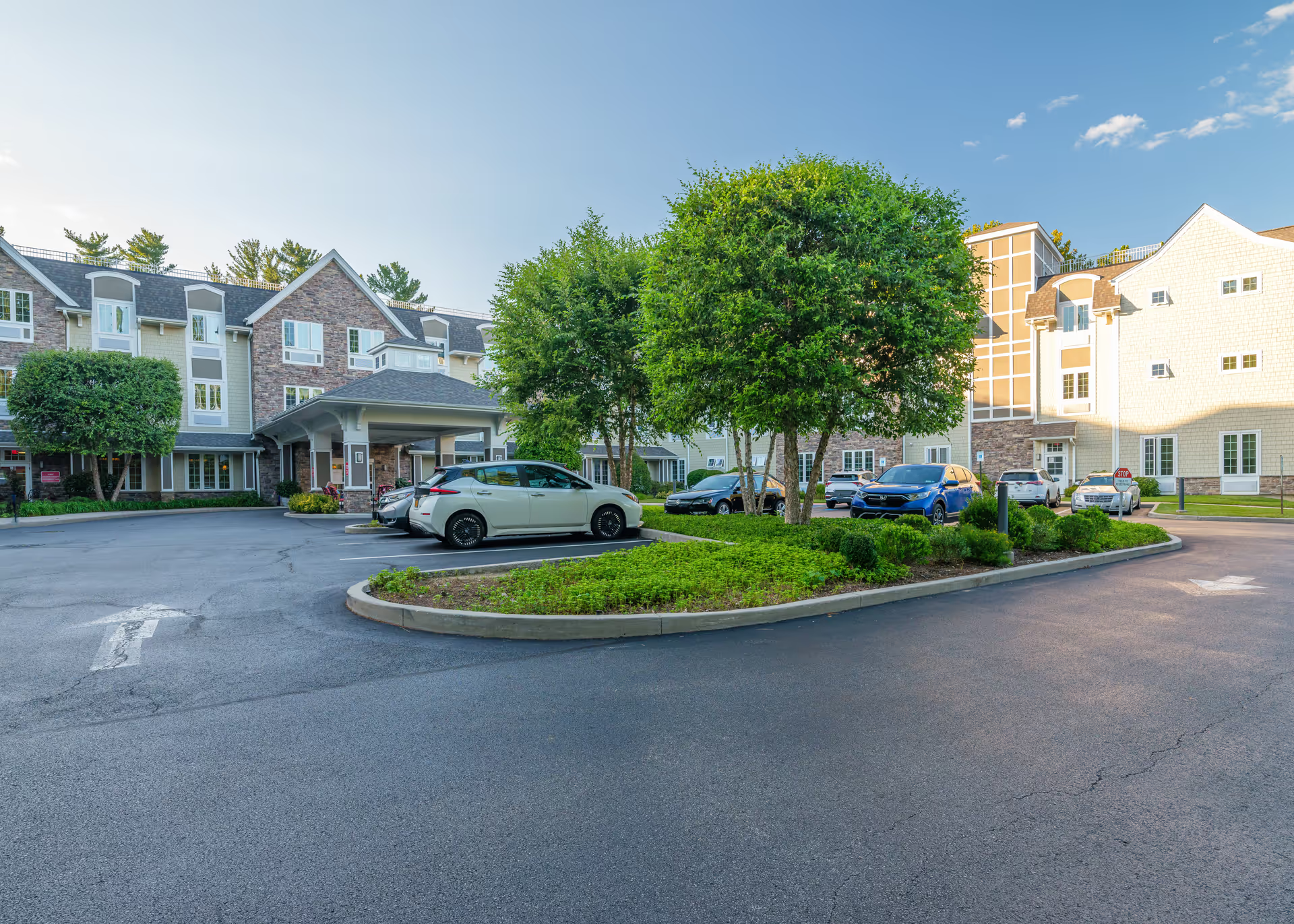
Facilities and amenities: Physical attributes are frequently highlighted as a major asset: well-kept grounds, bright common spaces, comfortable rooms, and useful on-site services (salon, transportation, library). Some reviewers note smaller room footprints in certain apartment types and ongoing renovations; isolated mentions of pest-control and sanitation concerns appear in a minority of accounts, indicating the importance of inspecting specific unit areas during a visit.
Management, communication, and billing: Administrative leadership receives both praise and criticism. Many families find the director and certain administrators responsive and helpful. Conversely, recurring operational concerns include inconsistent communication with families, delayed or unclear responses to clinical requests, last-minute price increases or add-on charges, nonrefundable fees, and disputes over deposits and final billing. A subset of families described abrupt placement decisions or involuntary discharge actions tied to clinical-placement mismatches. These issues point to variability in admissions practices, transparency on fees, and consistency in family communications.
Notable patterns and guidance: The dominant pattern is polarization — strong positives around staff warmth, environment, and amenities coexist with operational vulnerabilities that can materially affect clinical safety and family trust. For prospective residents and families: inspect the specific unit you would occupy; ask for current RN coverage schedules and staffing ratios; review medication-management policies and incident escalation procedures; request a written fee schedule and refund policy; and evaluate the memory-care activity calendar in person. Doing so will help separate the community’s evident strengths from operational risks that some families experienced.