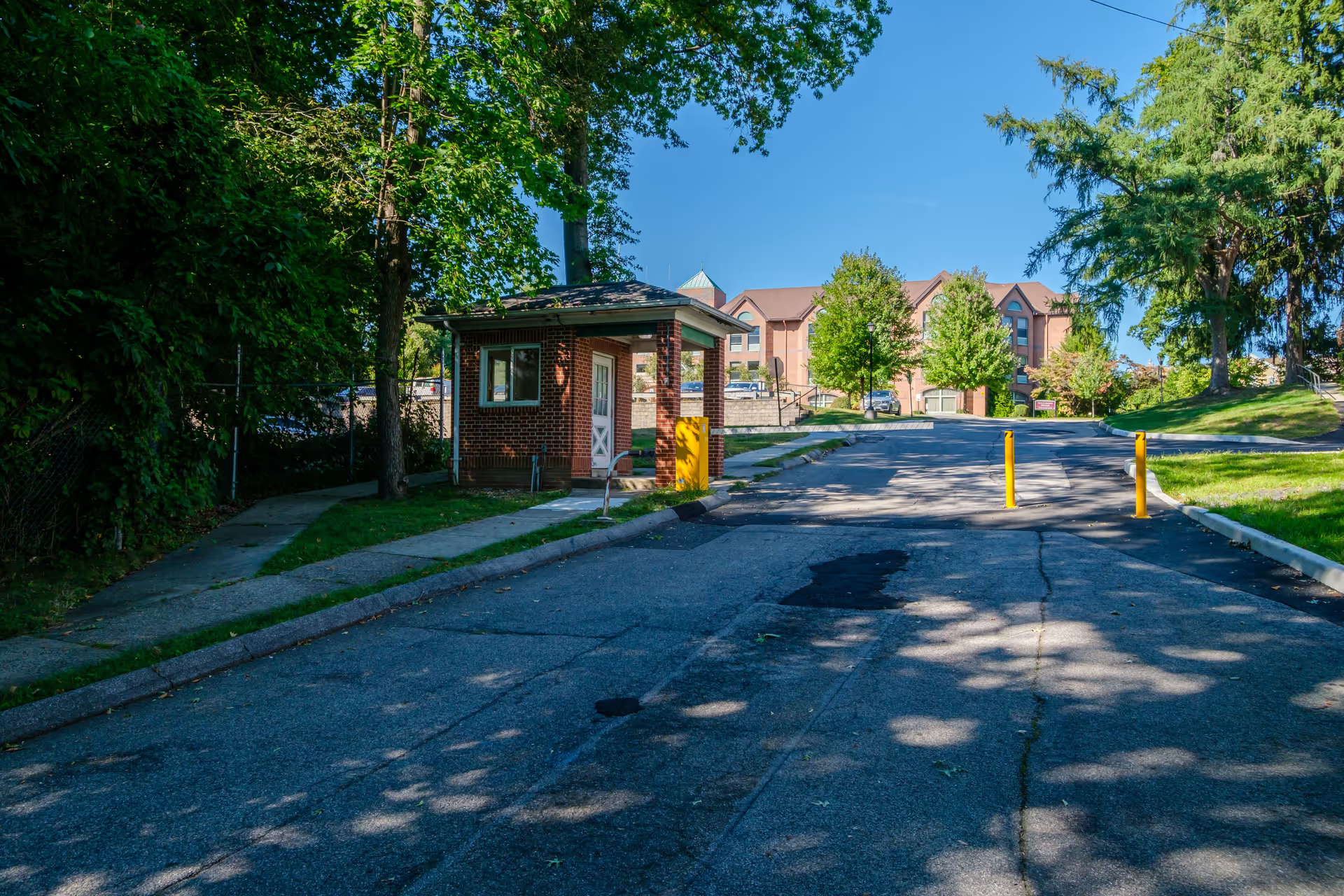
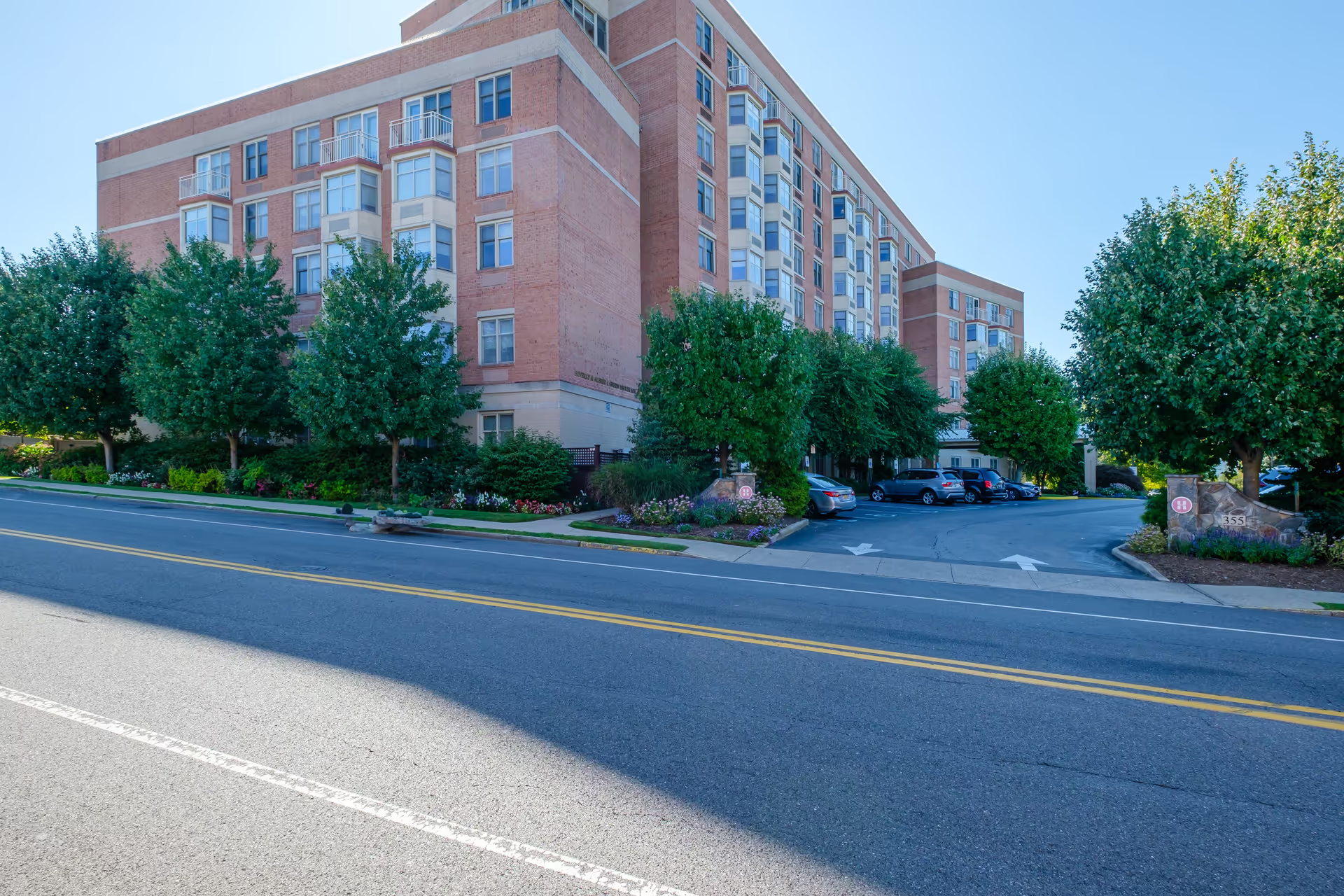
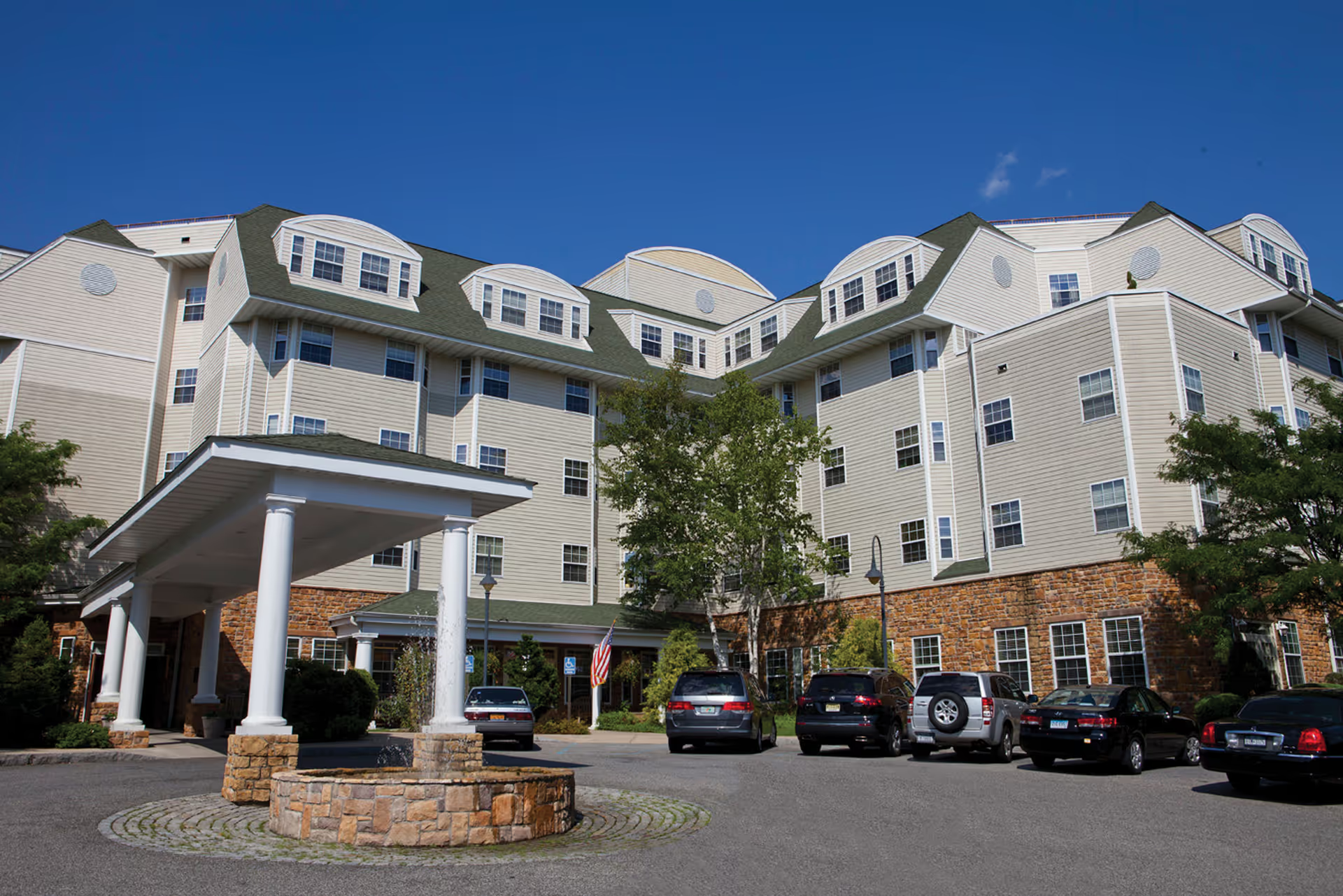
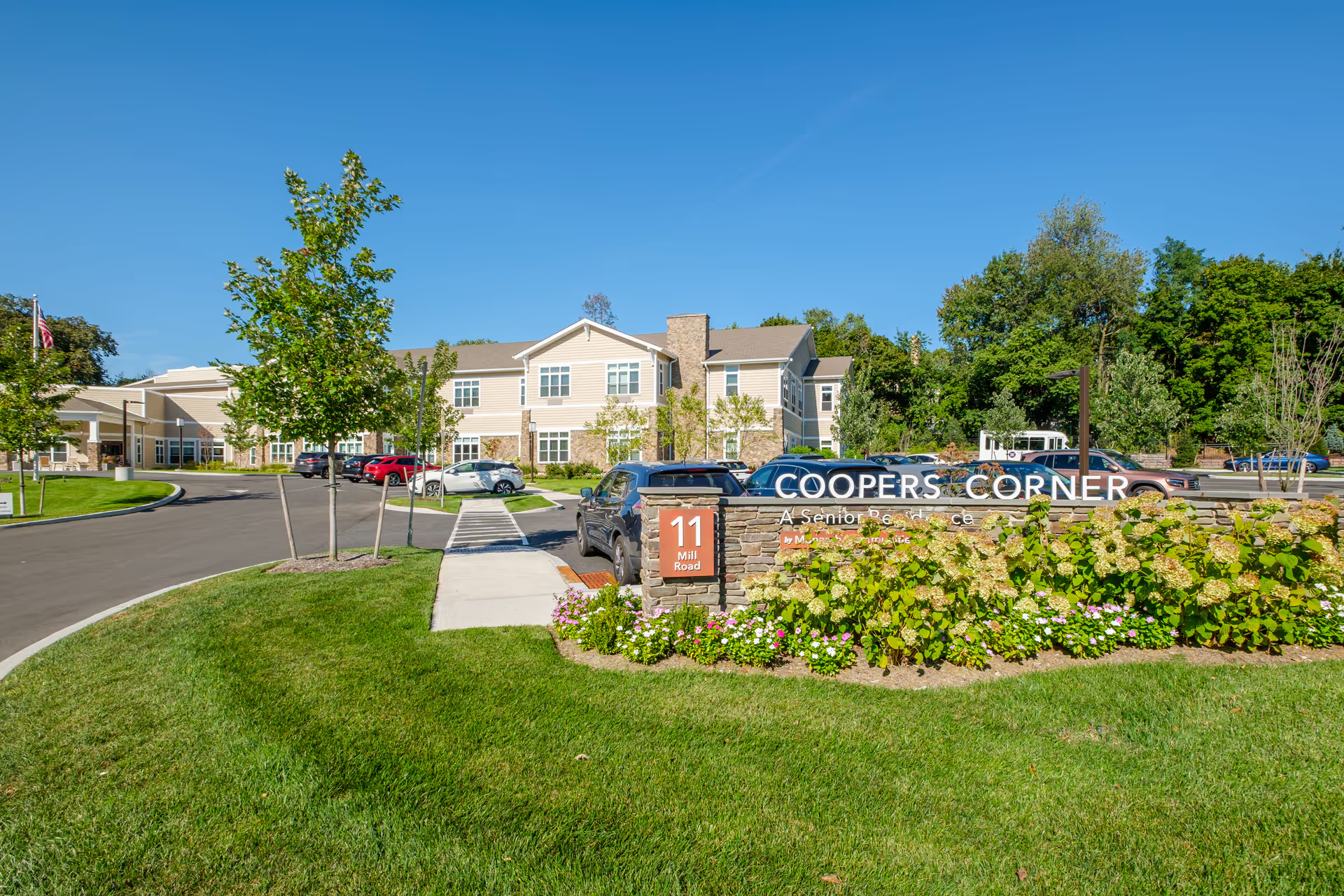
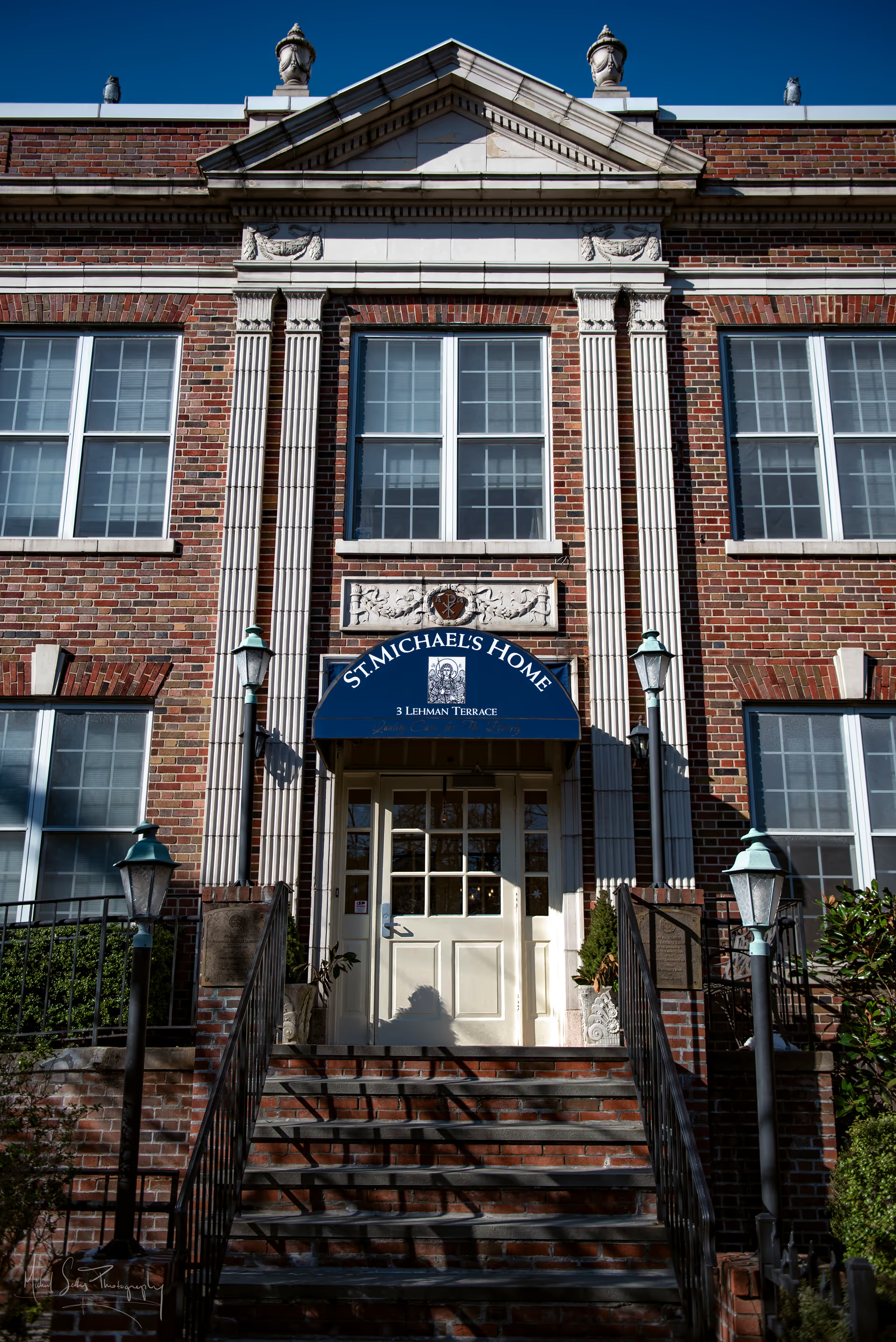
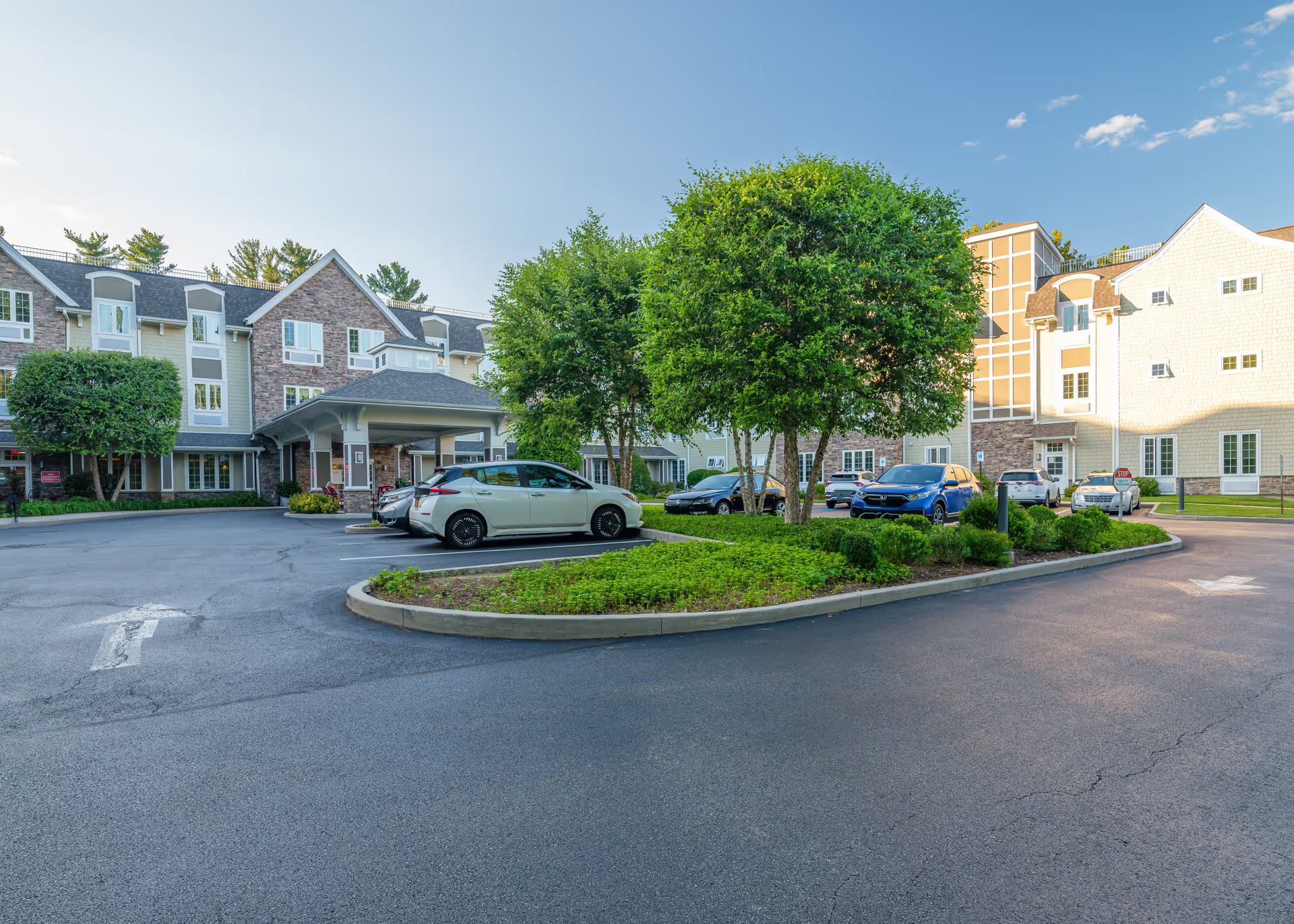
The Wartburg Home is described primarily as a full-service, faith-based retirement campus offering a broad continuum of care, from independent living and rental townhouses to assisted living, skilled nursing, memory care, and a recently expanded short-term rehab building. Reviewers emphasize the campus’ spiritual programming and on-site chaplain, multiple dining venues, pet-friendly policies, and a range of amenities such as a fitness program, creative-arts offerings, a digitized media lounge, and landscaped outdoor walking areas. The physical campus is repeatedly characterized as well-maintained and recently remodeled, with specific praise for the new rehab facility and a generally pleasant, secure environment.
Care and staff are frequent strengths in the reviews: many families and residents describe compassionate, knowledgeable nursing and direct-care staff who contribute to residents’ safety and wellbeing. Several accounts highlight positive outcomes in rehabilitative care, attentive assistance with activities of daily living, and staff members singled out for dedication. At the same time, there are recurring comments that reflect inconsistency in staff conduct and responsiveness across units; while some residents experience highly attentive care, others describe interactions and service levels that fall short of expectations. This pattern suggests variability in staff performance or unit-level culture rather than a uniform standard across the campus.
Dining and daily routines receive mixed feedback. Multiple reviewers praise the food quality, chef flexibility, and accommodated dietary needs, and independent-living dining options include a gourmet venue for some households. Conversely, concerns appear about inconsistent meal-service practices, occasional low-quality presentation, limited diabetic-specific offerings, and an early dinner schedule that does not suit all residents. Prospective residents should confirm specific meal provisions, schedules, and dietary accommodations during a visit, especially for specialized nutrition needs.
Programming and activities are broadly described as robust—fitness classes, music, arts and crafts, social events, and scheduled outings are cited as meaningful engagement opportunities. Nevertheless, some reviewers indicate uneven activity engagement in particular units or times of day (for example, limited evening stimulation after dinner), which suggests programming intensity may vary by neighborhood or staffing levels. Housekeeping frequency also varies by housing type; independent-living townhouses have a different schedule than apartment-based services, which may be appropriate but is worth confirming.
Administrative and operational considerations surfaced in several reviews. There are observations of management and leadership consistency gaps and suggestions that some supervisors could benefit from additional training. Access to memory-care units is constrained at times, with waitlists noted. A few families experienced challenges related to insurance or Medicare authorization that affected short-term rehab access. During infection-control periods, visitation policies were reported as restrictive; this reflects a tension between safety protocols and family access that prospective residents should discuss with administrators to understand current policies.
Overall, The Wartburg Home presents as a well-appointed, faith-oriented campus with strong clinical resources and an active social environment. The dominant themes of compassionate nursing, good facilities, and a comprehensive care continuum are balanced by operational inconsistencies in staff conduct, dining service, programming intensity in certain areas, and administrative processes. Visitors and families would benefit from an in-person tour that includes meetings with nursing leadership, a sample meal service, a review of memory-care waitlist procedures, and clarification of visitation and insurance/rehab authorization practices to assess fit for a particular resident’s needs.