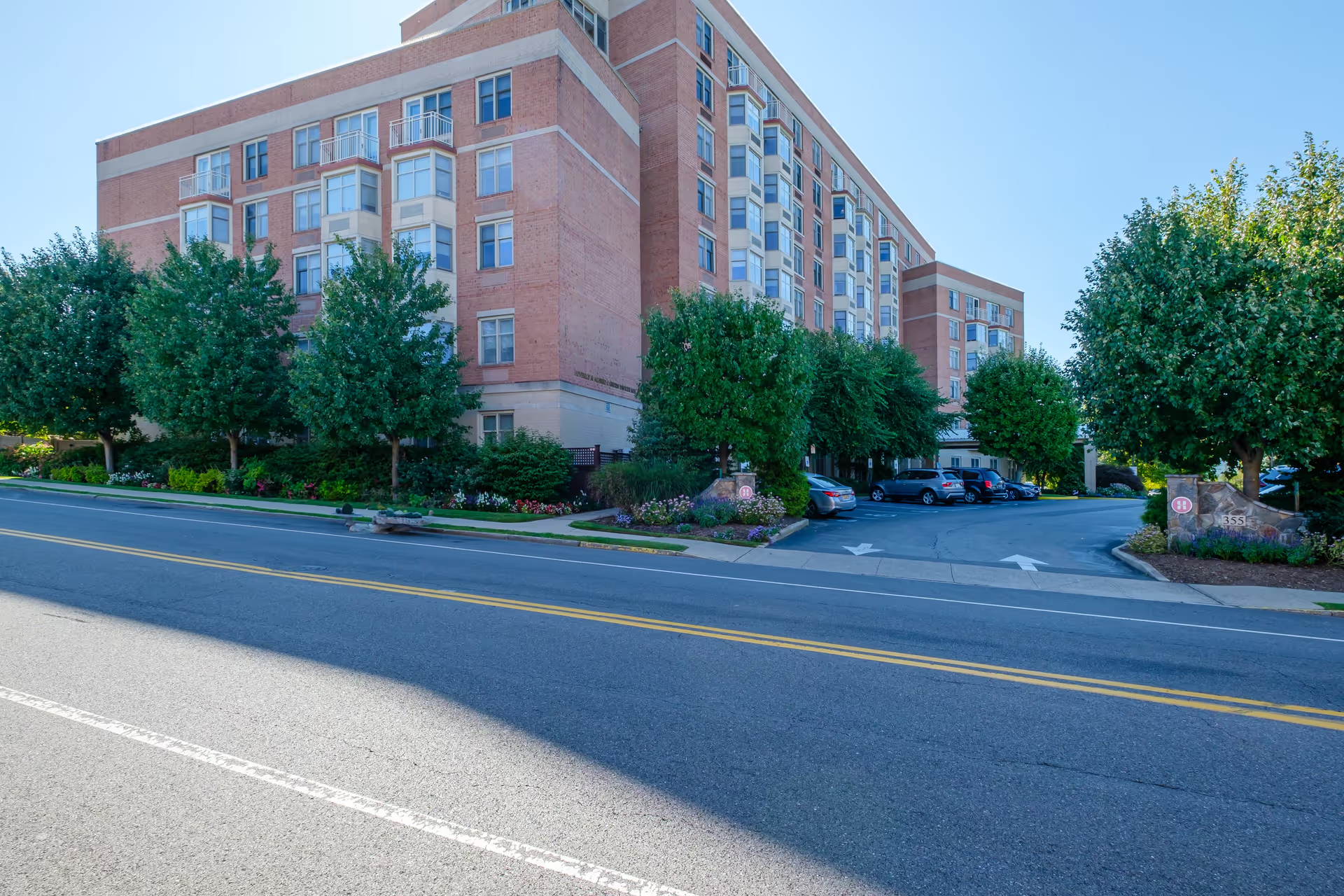
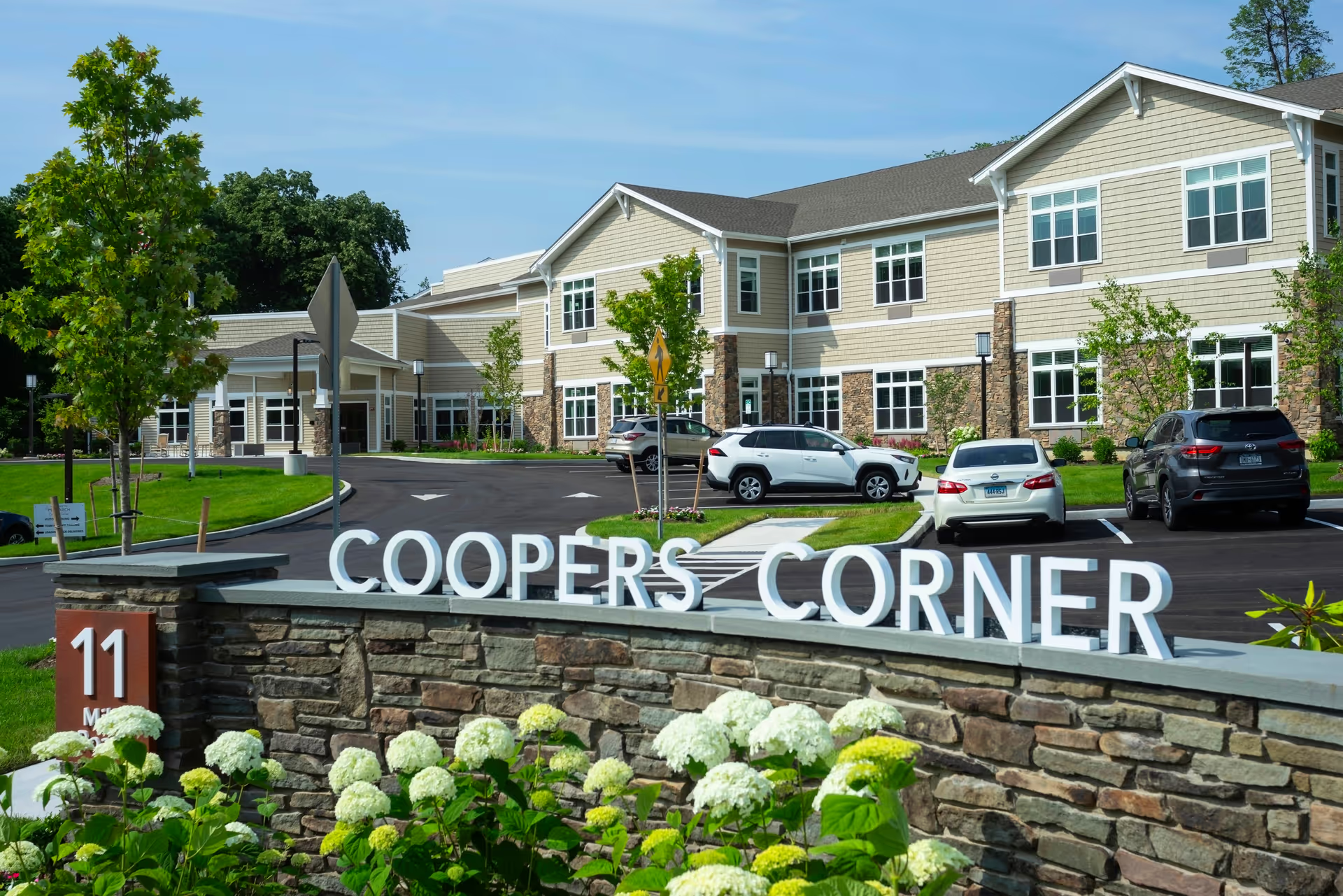
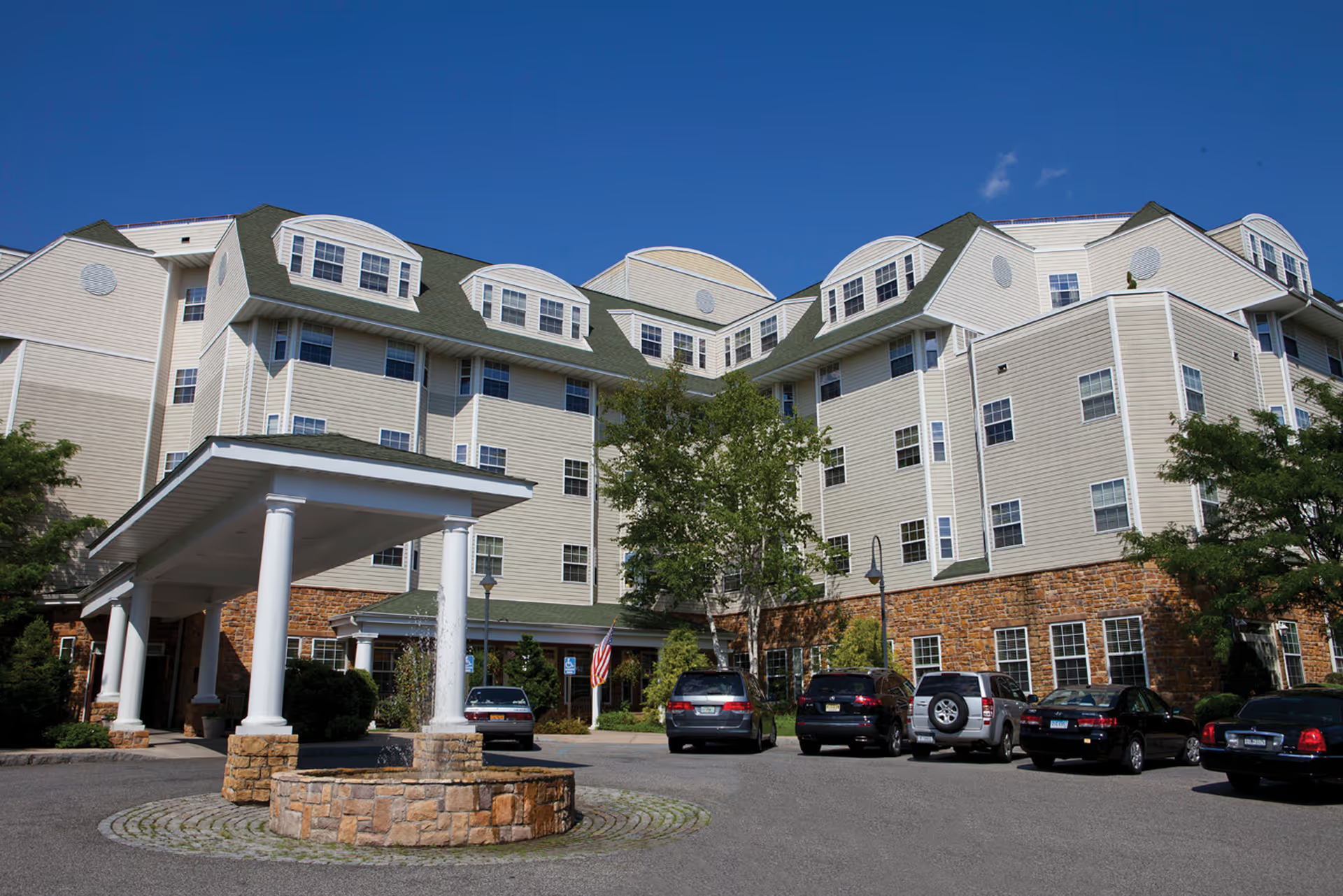
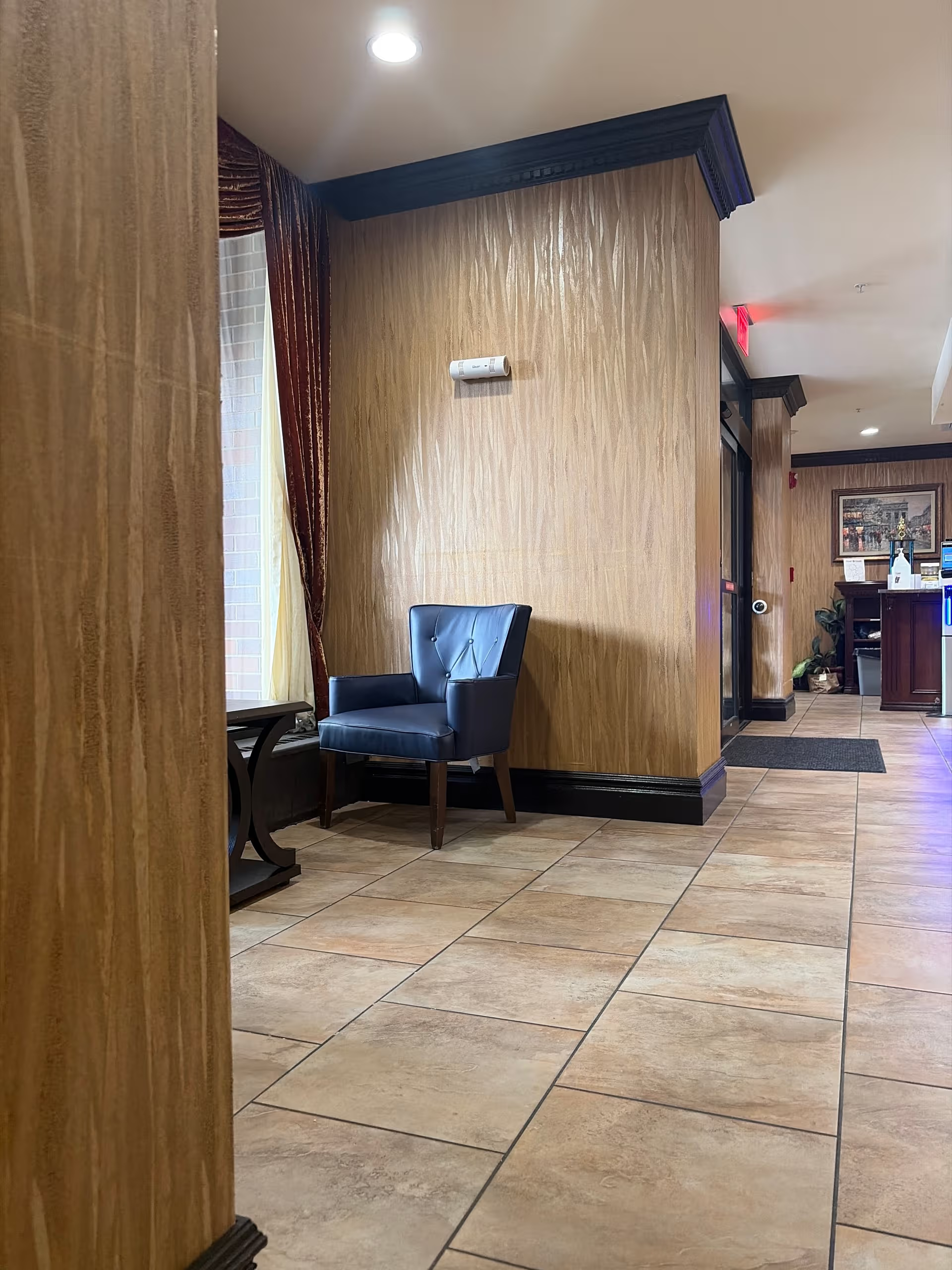
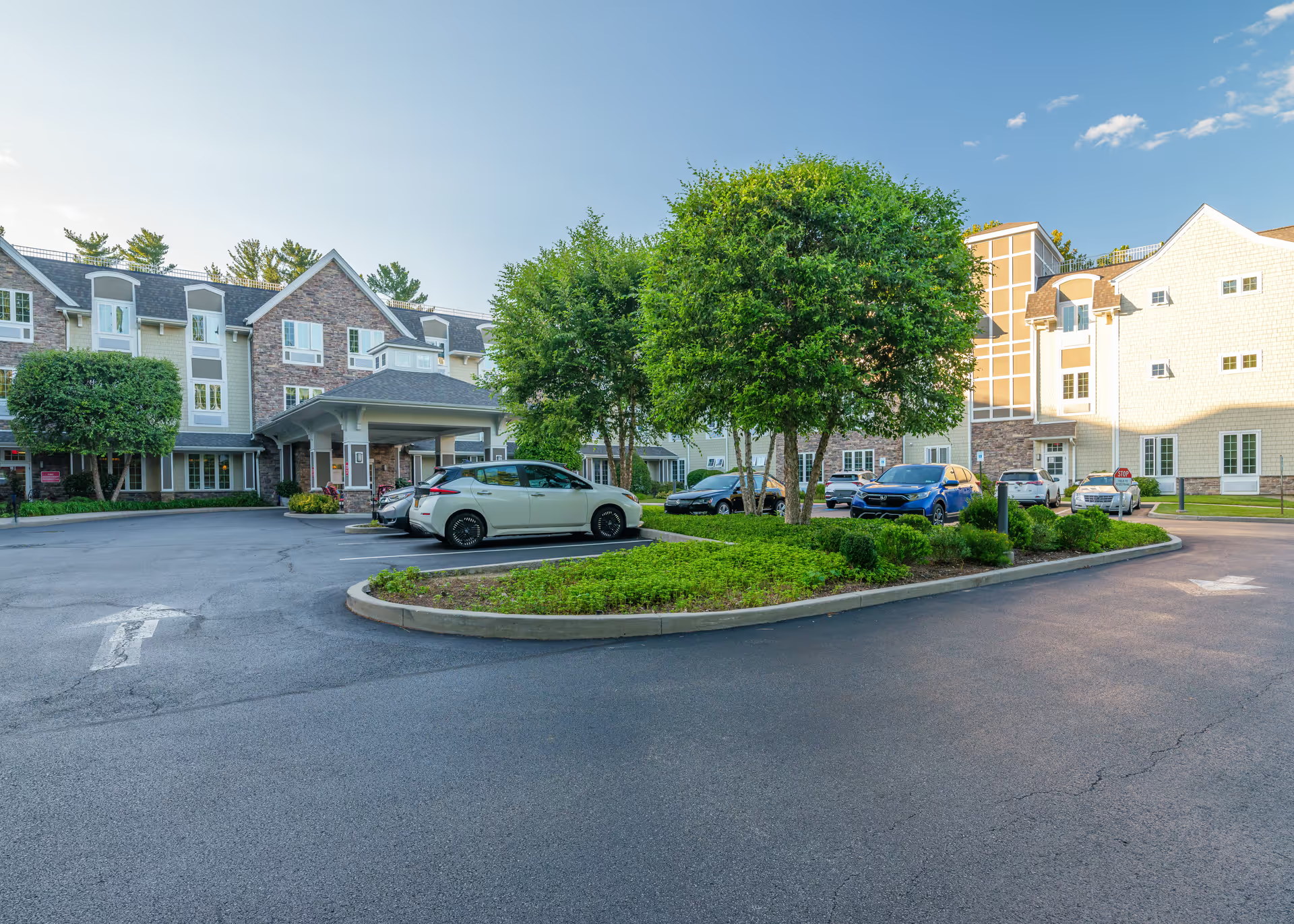
Bayberry Care Center elicits strongly mixed but primarily positive impressions across reviewers. Many families and residents praised the facility’s rehabilitation services, citing skilled physical and occupational therapy teams that support measurable recovery. The activity program and its director are frequently described as compassionate and well organized; programming commonly includes music, speakers and group sessions that engage residents. Reviewers consistently note a small, home-like atmosphere, clean and modern common areas and rooms, attractive furnishings, and pleasant grounds that support a welcoming environment for both residents and visiting family.
Staff-level feedback is largely favorable for aides, therapy staff and social work: these groups are often described as attentive, caring and proactive. Several reviewers highlighted strong interpersonal communication from social workers and admissions personnel, and many families credited rehabilitation staff with meaningful functional improvements. The kitchen and dining experience receives positive mention from numerous families who appreciate nourishing meals and an active head cook; dining is described as enjoyable by many residents.
However, there are recurring operational concerns that prospective families should weigh. Nursing quality and consistency emerge as a common weakness: while some visitors praise nurses as compassionate and professional, others describe variability in clinical attentiveness and tone. Relatedly, medication administration and discharge coordination have been criticized for errors, delays or poor communication. Night-shift coverage and administrative responsiveness were singled out as areas where performance can decline, and a subset of reviewers raised sanitation and personal-care concerns, including inconsistent grooming and incontinence-care practices. These issues suggest uneven adherence to personal-care routines and clinical oversight at times.
Management and culture are additional mixed signals. Several reviewers commend responsive leadership and timely issue resolution, yet others describe low staff morale and leadership instability that they feel affects day-to-day care. Communication after clinical incidents is another pattern: families who received prompt, transparent follow-up report satisfaction, whereas others cite inadequate follow-up or unsatisfactory explanations after problems. A few reviewers raised serious clinical and sanitation concerns, including an incident that resulted in hospitalization and questions about end-of-life care; these accounts underscore the importance of verifying clinical protocols and incident-response practices during a tour.
In summary, Bayberry presents clear strengths in rehabilitation, activities, family-friendly atmosphere and many frontline caregivers. At the same time, variability in nursing consistency, medication/discharge processes, overnight staffing responsiveness, and personal-care practices are notable patterns. Prospective residents and families would be advised to tour the unit, ask specific questions about nursing ratios and night coverage, review medication and discharge procedures, inquire about personal-care routines and grooming, and request examples of how the facility handles clinical incidents and communicates with families.